Wellcome Centre for Cell Biology, University of Edinburgh, Max Born Crescent, Edinburgh, EH9 3BF, UK.
Institute for Cell and Molecular Biosciences/NUPPA, The Medical School, University of Newcastle, Framlington Place, Newcastle upon Tyne, NE2 4HH, UK.
Nat Commun. 2019 Jul 11;10(1):3056. doi: 10.1038/s41467-019-11063-6.
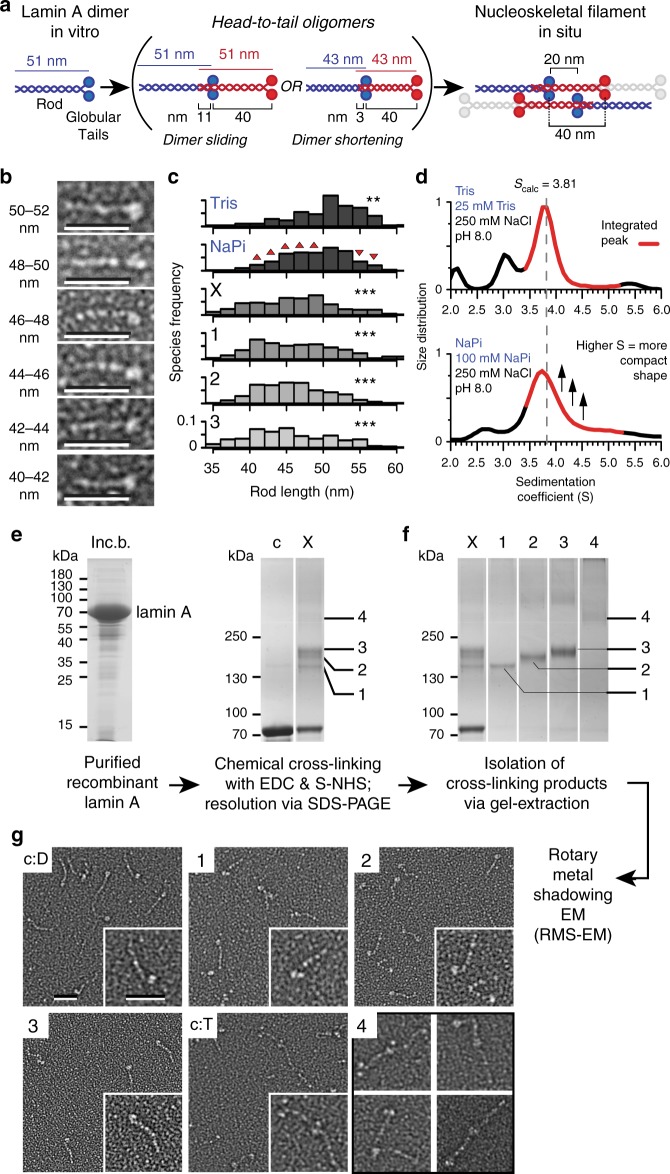
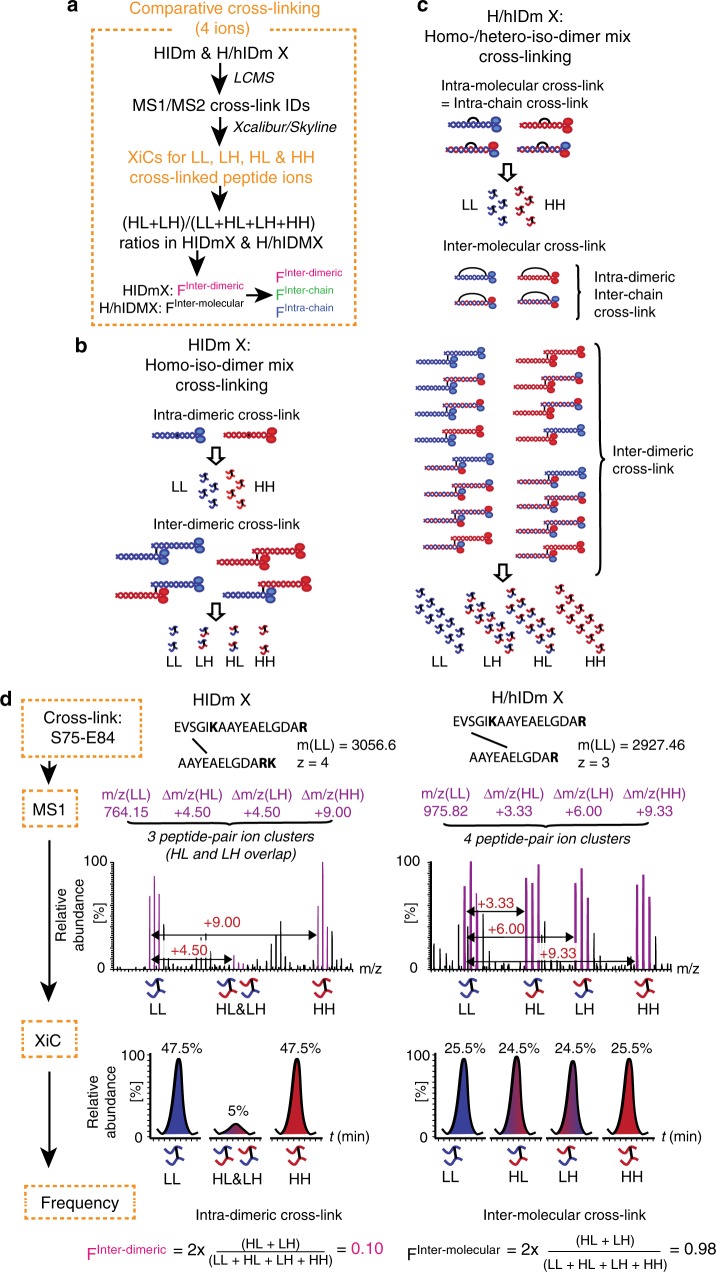
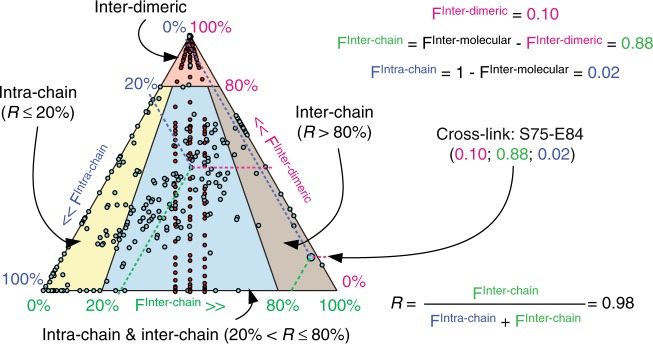
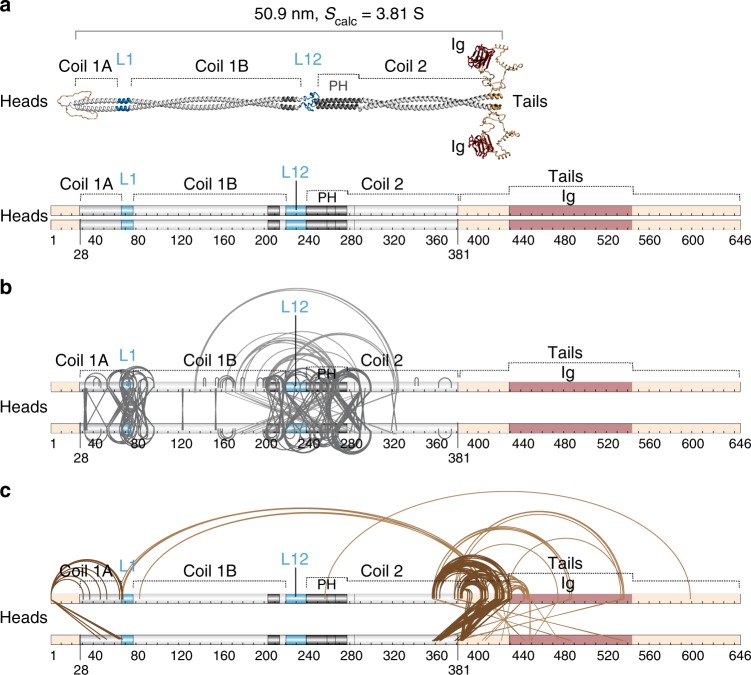
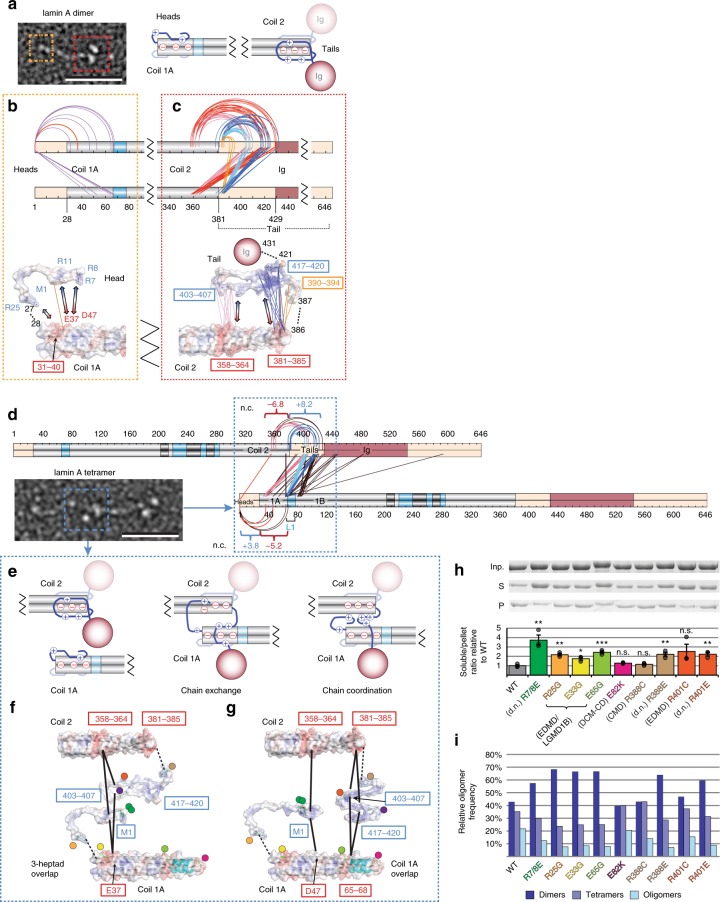
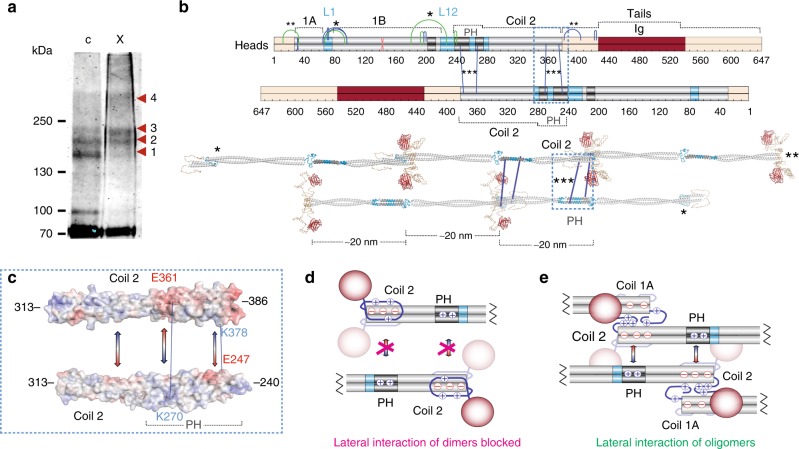
Lamin A is a nuclear intermediate filament protein critical for nuclear architecture and mechanics and mutated in a wide range of human diseases. Yet little is known about the molecular architecture of lamins and mechanisms of their assembly. Here we use SILAC cross-linking mass spectrometry to determine interactions within lamin dimers and between dimers in higher-order polymers. We find evidence for a compression mechanism where coiled coils in the lamin A rod can slide onto each other to contract rod length, likely driven by a wide range of electrostatic interactions with the flexible linkers between coiled coils. Similar interactions occur with unstructured regions flanking the rod domain during oligomeric assembly. Mutations linked to human disease block these interactions, suggesting that this spring-like contraction can explain in part the dynamic mechanical stretch and flexibility properties of the lamin polymer and other intermediate filament networks.
核纤层蛋白 A 是一种核中间丝蛋白,对核架构和力学至关重要,并在多种人类疾病中发生突变。然而,关于核纤层蛋白的分子结构及其组装机制知之甚少。在这里,我们使用 SILAC 交联质谱来确定核纤层蛋白二聚体内部以及更高阶聚合物中二聚体之间的相互作用。我们发现了一种压缩机制的证据,即核纤层蛋白 A 杆状结构中的卷曲螺旋可以相互滑动以缩短杆状结构的长度,这可能是由与卷曲螺旋之间的柔性连接之间的广泛静电相互作用驱动的。在寡聚体组装过程中,类似的相互作用发生在杆状结构侧翼的无规卷曲区域。与人类疾病相关的突变会阻断这些相互作用,这表明这种类似弹簧的收缩可以部分解释核纤层蛋白聚合物和其他中间丝网络的动态力学拉伸和柔韧性特性。