Laboratory of Genetics, Salk Institute for Biological Studies, La Jolla, California.
Cancer Res. 2019 Aug 1;79(15):3983-3991. doi: 10.1158/0008-5472.CAN-19-0717. Epub 2019 Jul 17.
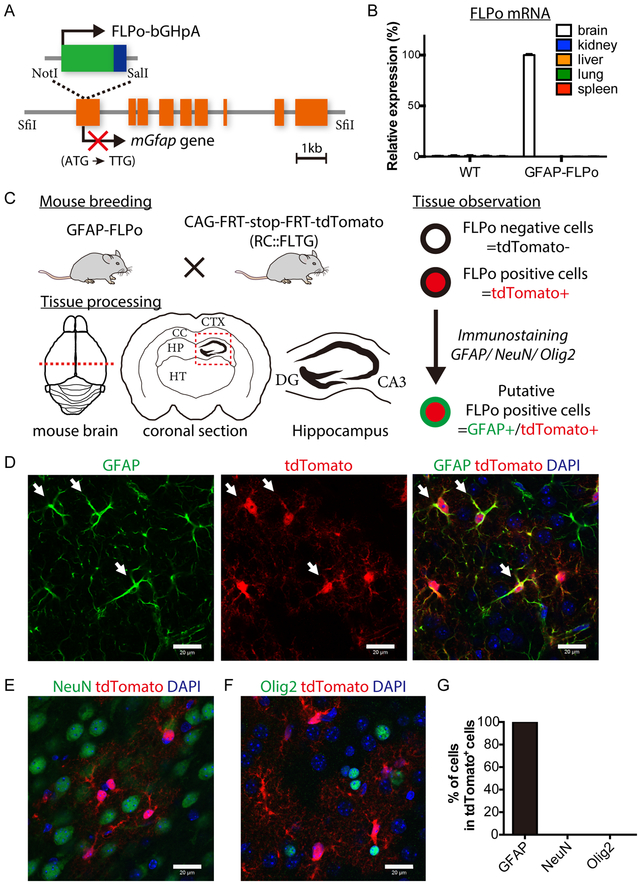
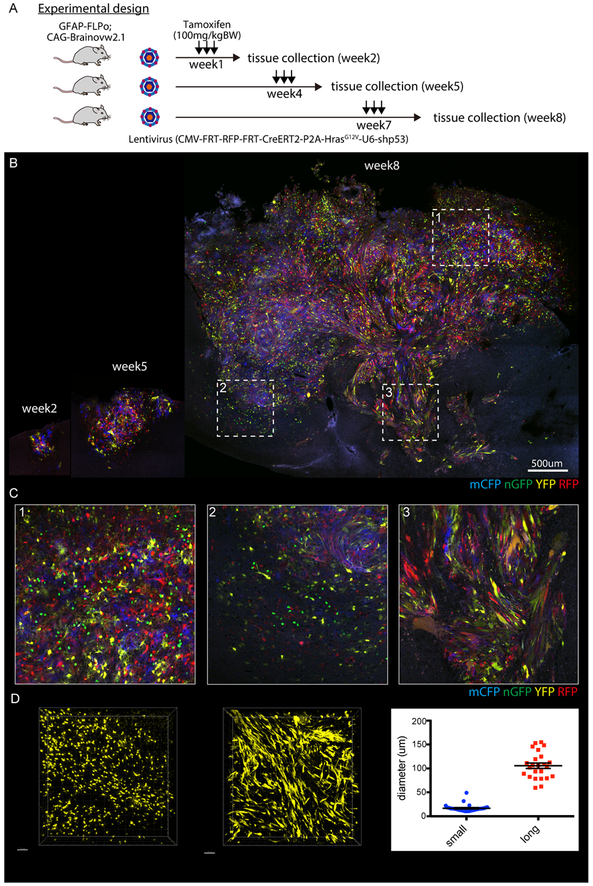
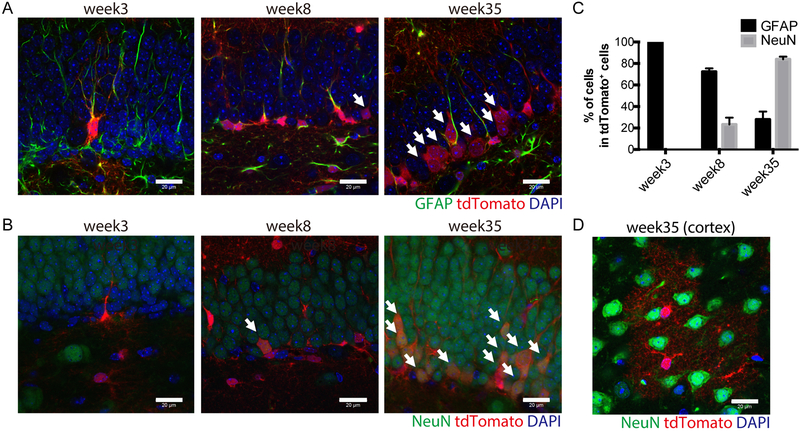
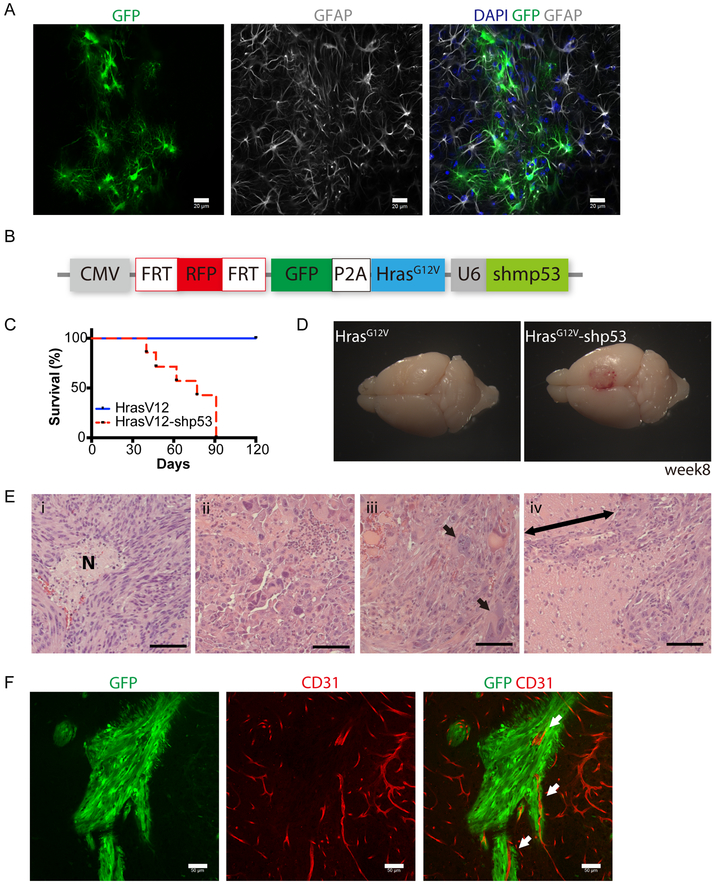
Development of animal models to investigate the complex ecosystem of malignant gliomas using the Cre/loxP recombination system has significantly contributed to our understanding of the molecular underpinnings of this deadly disease. In these model systems, once the tumor is induced by activation of Cre-recombinase in a tissue-specific manner, further genetic manipulations to explore the progression of tumorigenesis are limited. To expand the application of mouse models for gliomas, we developed glial fibrillary acidic protein (GFAP)-FLP recombinase (FLPo) mice that express FLPo recombinase specifically in GFAP-positive cells. Lentivirus-based delivery of cancer genes conditioned by FLP/FRT-mediated recombination initiated gliomas in GFAP-FLPo mice. Using the Cre-mediated multifluorescent protein-expressing system, we demonstrated that the GFAP-FLPo mouse model enables the analysis of various stages of gliomagenesis. Collectively, we present a new mouse model that will expand our ability to dissect developmental processes of gliomagenesis and to provide new avenues for therapeutic approaches. SIGNIFICANCE: This study presents a new glioma mouse model derived using lentiviral vectors and two recombination systems that will expand the ability to dissect developmental processes of gliomagenesis.
利用 Cre/loxP 重组系统开发用于研究恶性神经胶质瘤复杂生态系统的动物模型,极大地促进了我们对这种致命疾病分子基础的理解。在这些模型系统中,一旦通过 Cre 重组酶在组织特异性方式下诱导肿瘤,进一步探索肿瘤发生进展的遗传操作就受到限制。为了扩展用于神经胶质瘤的小鼠模型的应用,我们开发了胶质纤维酸性蛋白 (GFAP)-FLP 重组酶 (FLPo) 小鼠,其在 GFAP 阳性细胞中特异性表达 FLPo 重组酶。基于慢病毒的癌症基因的递送受 FLP/FRT 介导的重组调节,在 GFAP-FLPo 小鼠中引发神经胶质瘤。使用 Cre 介导的多荧光蛋白表达系统,我们证明了 GFAP-FLPo 小鼠模型能够分析神经胶质瘤发生的各个阶段。总的来说,我们提出了一种新的小鼠模型,这将扩大我们分析神经胶质瘤发生发展过程的能力,并为治疗方法提供新的途径。意义:本研究提出了一种新的神经胶质瘤小鼠模型,该模型使用慢病毒载体和两种重组系统构建,这将扩大分析神经胶质瘤发生发展过程的能力。