Ocular Angiogenesis Group, Department of Ophthalmology, Amsterdam Cardiovascular Sciences and Cancer Center Amsterdam, Amsterdam UMC, University of Amsterdam, Meibergdreef 9, Amsterdam, The Netherlands.
Department of Medical Biology, Amsterdam Cardiovascular Sciences and Cancer Center Amsterdam, Amsterdam UMC, University of Amsterdam, Meibergdreef 9, Amsterdam, The Netherlands.
Sci Rep. 2019 Jul 18;9(1):10414. doi: 10.1038/s41598-019-46503-2.
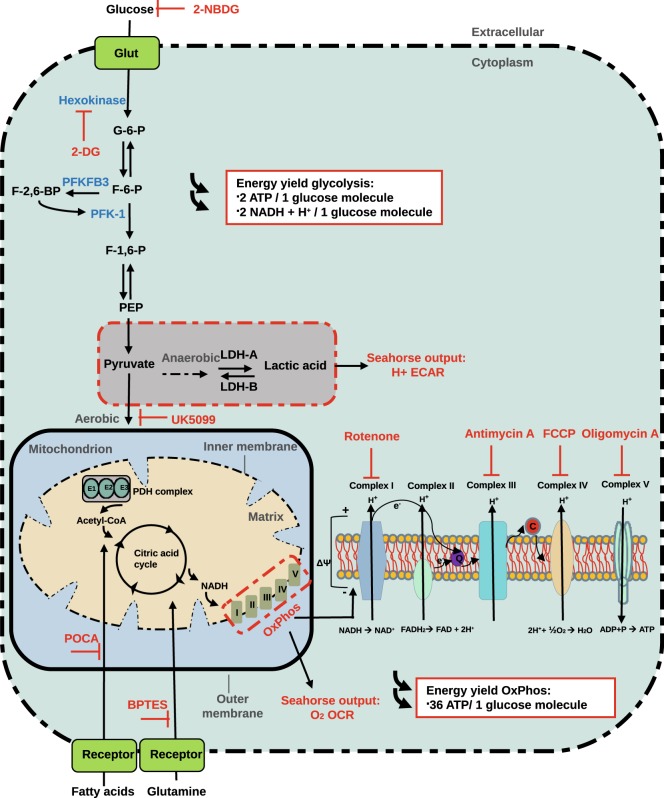
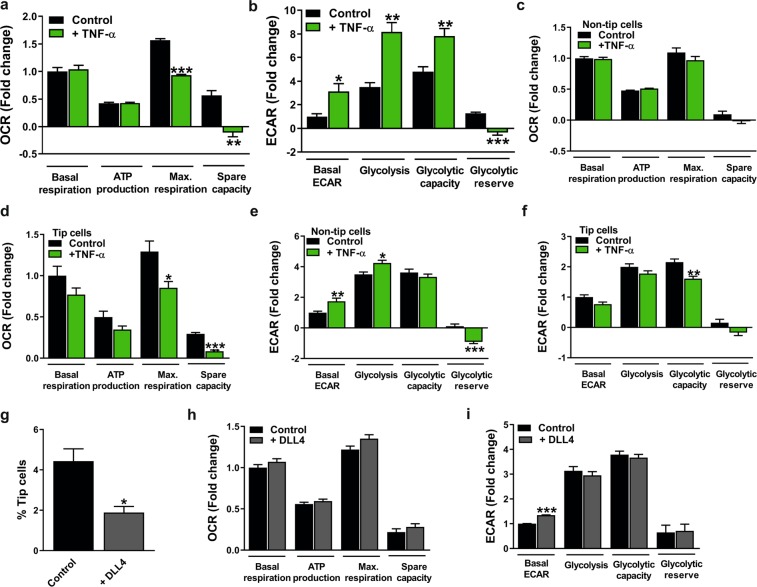
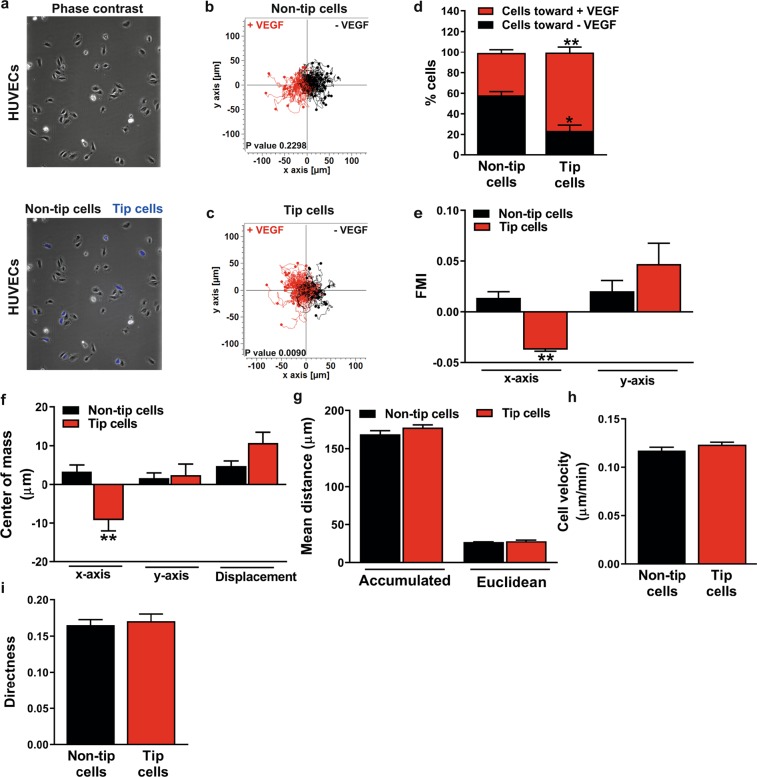
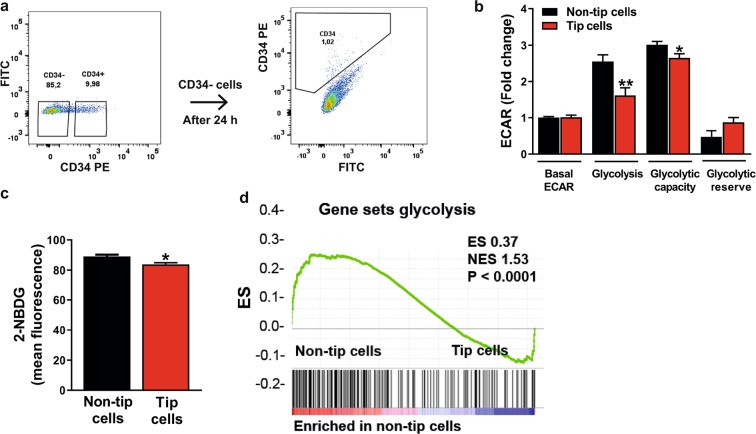
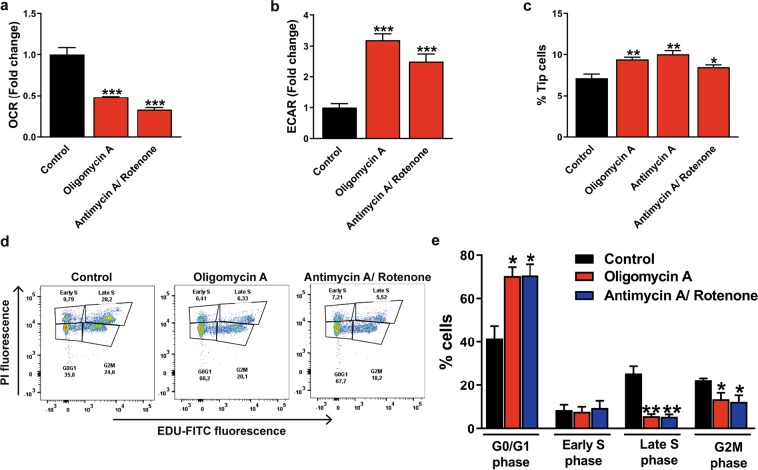
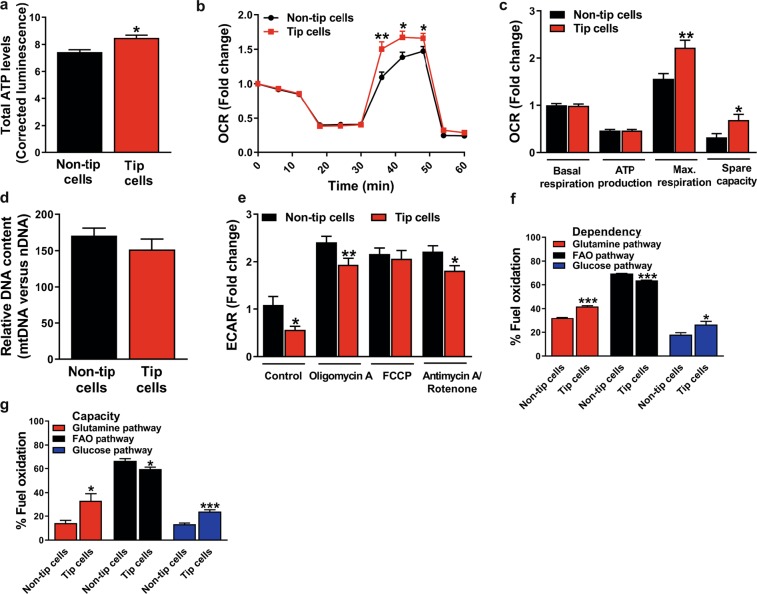
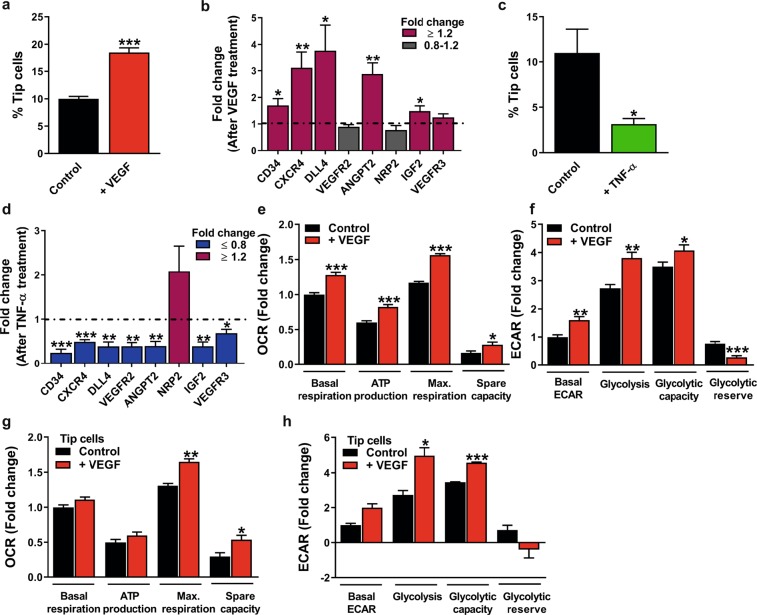
Formation of new blood vessels by differentiated endothelial tip cells, stalk cells, and phalanx cells during angiogenesis is an energy-demanding process. How these specialized endothelial cell phenotypes generate their energy, and whether there are differences between these phenotypes, is unknown. This may be key to understand their functions, as (1) metabolic pathways are essentially involved in the regulation of angiogenesis, and (2) a metabolic switch has been associated with angiogenic endothelial cell differentiation. With the use of Seahorse flux analyses, we studied metabolic pathways in tip cell and non-tip cell human umbilical vein endothelial cell populations. Our study shows that both tip cells and non-tip cells use glycolysis as well as mitochondrial respiration for energy production. However, glycolysis is significantly lower in tip cells than in non-tip cells. Additionally, tip cells have a higher capacity to respond to metabolic stress. Finally, in non-tip cells, blocking of mitochondrial respiration inhibits endothelial cell proliferation. In conclusion, our data demonstrate that tip cells are less glycolytic than non-tip cells and that both endothelial cell phenotypes can adapt their metabolism depending on microenvironmental circumstances. Our results suggest that a balanced involvement of metabolic pathways is necessary for both endothelial cell phenotypes for proper functioning during angiogenesis.
在血管生成过程中,分化的内皮尖端细胞、柄细胞和指状细胞形成新的血管,这是一个耗能的过程。这些特化的内皮细胞表型如何产生能量,以及这些表型之间是否存在差异,目前尚不清楚。这可能是理解它们功能的关键,因为 (1) 代谢途径本质上参与了血管生成的调节,以及 (2) 代谢转换与血管生成内皮细胞分化有关。我们使用 Seahorse 通量分析研究了尖端细胞和非尖端细胞人脐静脉内皮细胞群体中的代谢途径。我们的研究表明,尖端细胞和非尖端细胞都使用糖酵解和线粒体呼吸来产生能量。然而,尖端细胞中的糖酵解明显低于非尖端细胞。此外,尖端细胞对代谢应激有更高的响应能力。最后,在非尖端细胞中,阻断线粒体呼吸会抑制内皮细胞增殖。总之,我们的数据表明,尖端细胞的糖酵解活性低于非尖端细胞,并且这两种内皮细胞表型都可以根据微环境条件来调节其代谢。我们的结果表明,在血管生成过程中,两种内皮细胞表型都需要平衡参与代谢途径,以确保其正常功能。