Sun Yi, Feng Yun, Zhang Guiqian, Xu Ya
Department of Clinical Laboratory Medicine, the First People's Hospital of Yunnan Province, No. 157, Jinbi Road, Kunming, Yunnan Province, China.
Department of Reproductive Gynecology, The First People's Hospital of Yunnan Province, Kunming, Yunnan Province, China.
Ther Adv Med Oncol. 2019 Jul 10;11:1758835919855859. doi: 10.1177/1758835919855859. eCollection 2019.
The molecular mechanisms underlying cervical cancer require elucidation to identify novel therapeutic targets. Apurinic/apyrimidinic endodeoxyribonuclease 1 (APE1) is a multifunctional apurinic/apyrimidinic (AP) endonuclease that influences the transcription of many cancer-related genes microRNome regulation. Herein, we examine the role of miR-92b-3p (hereinafter miR-92b), whose processing may be regulated by APE1, in cervical cancer progression.
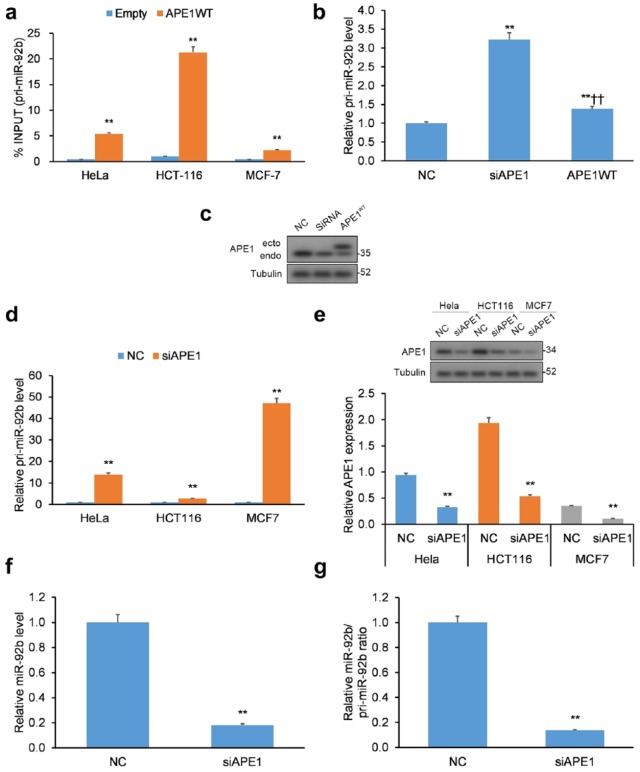
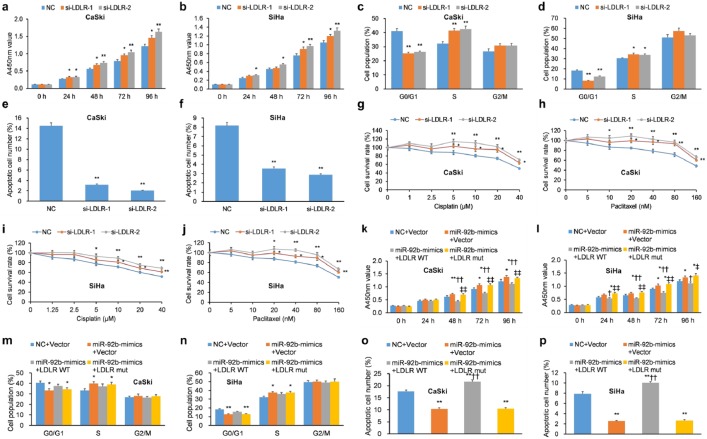
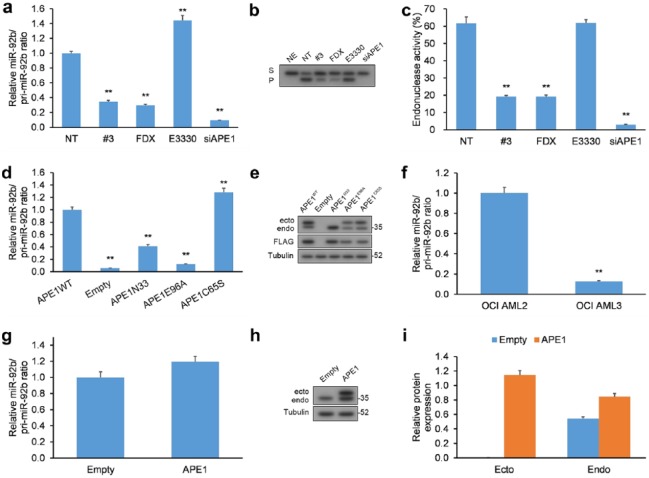
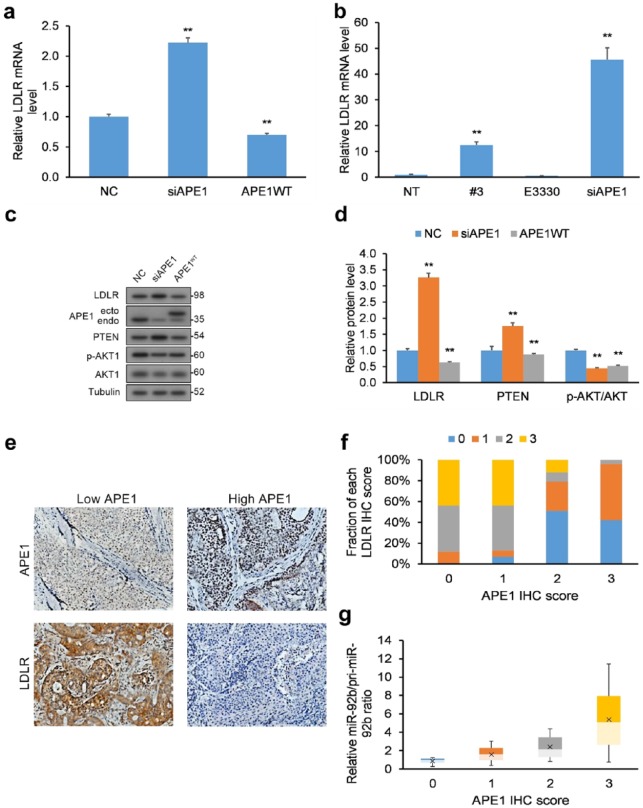
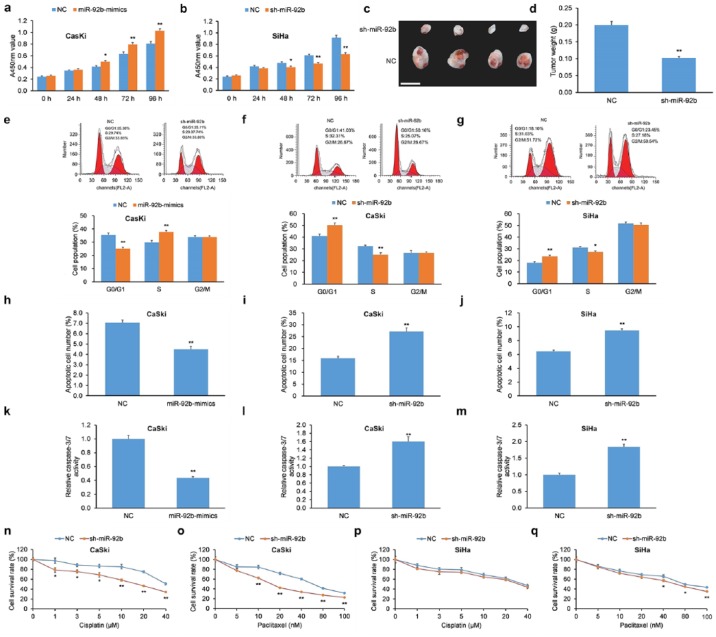
APE1's processing of miR-92b from its pri-miR form was measured by a quantitative reverse transcription polymerase chain reaction (qRT-PCR)-based ratio. APE1's endonuclease activity was measured with AP-site incision assays. APE1-DROSHA interaction was studied with immunofluorescence, confocal and proximity ligation analyses. The miR-92b's targeting of low-density lipoprotein receptor (LDLR) was investigated with luciferase reporter assays. The miR-92b mimics and shRNA-based miR-92b silencing, as well as LDLR overexpression and short interfering RNA (siRNA)-based LDLR silencing, were employed in CaSki and SiHa cervical cancer cells. Cell proliferation and chemosensitivity to paclitaxel and cisplatin were assayed. Cell-cycle progression and apoptosis were assessed by flow cytometry. Tumor growth was studied in a murine xenograft model.
APE1's endonuclease activity, association with the DROSHA-processing complex, is necessary for processing mature miR-92b, thereby regulating expression of miR-92b's direct target LDLR. The miR-92b promotes cell proliferation and , promotes cell-cycle progression, and reduces apoptosis and chemosensitivity. LDLR silencing recapitulated miR-92b's transformative effects, while LDLR overexpression rescued these effects.
APE1 enhances miR-92b processing, thereby suppressing LDLR expression and enhancing cervical carcinoma progression. Our identification of the novel APE1-miR-92b-LDLR axis improves our understanding of the complex pathogenesis of cervical carcinoma and reveals a novel therapeutic strategy for combating this disease.
宫颈癌潜在的分子机制有待阐明,以确定新的治疗靶点。脱嘌呤/脱嘧啶核酸内切酶1(APE1)是一种多功能脱嘌呤/脱嘧啶(AP)核酸内切酶,可影响许多癌症相关基因的转录及微小RNA组调控。在此,我们研究了可能受APE1调控加工的miR-92b-3p(以下简称miR-92b)在宫颈癌进展中的作用。
通过基于定量逆转录聚合酶链反应(qRT-PCR)的比值测定APE1对miR-92b前体miR的加工情况。用AP位点切割试验测定APE1的核酸内切酶活性。通过免疫荧光、共聚焦和邻近连接分析研究APE1与 Drosha的相互作用。用荧光素酶报告试验研究miR-92b对低密度脂蛋白受体(LDLR)的靶向作用。在CaSki和SiHa宫颈癌细胞中使用miR-92b模拟物和基于短发夹RNA(shRNA)的miR-92b沉默,以及LDLR过表达和基于小干扰RNA(siRNA)的LDLR沉默。检测细胞增殖以及对紫杉醇和顺铂的化学敏感性。通过流式细胞术评估细胞周期进程和细胞凋亡。在小鼠异种移植模型中研究肿瘤生长。
APE1的核酸内切酶活性及其与Drosha加工复合体的结合,对于加工成熟的miR-92b是必需的,从而调节miR-92b直接靶点LDLR的表达。miR-92b促进细胞增殖,促进细胞周期进程,并减少细胞凋亡和化学敏感性。LDLR沉默重现了miR-92b的转化作用,而LDLR过表达则挽救了这些作用。
APE1增强miR-92b加工,从而抑制LDLR表达并促进宫颈癌进展。我们对新的APE1-miR-92b-LDLR轴的鉴定,增进了我们对宫颈癌复杂发病机制的理解,并揭示了一种对抗该疾病的新治疗策略。