Department of Molecular Pathogenesis, Graduate School of Medicine, Juntendo University, Tokyo, Japan.
Department of Obstetrics and Gynecology, Graduate School of Medicine, Juntendo University, Tokyo, Japan.
Life Sci Alliance. 2019 Jul 22;2(4). doi: 10.26508/lsa.201900425. Print 2019 Aug.
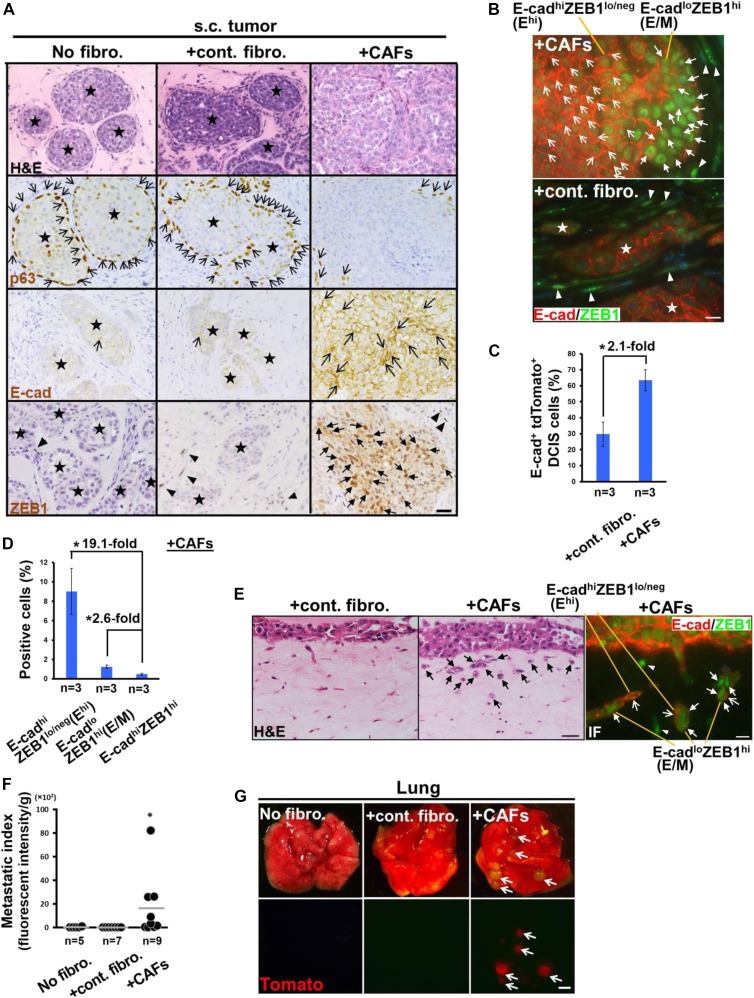
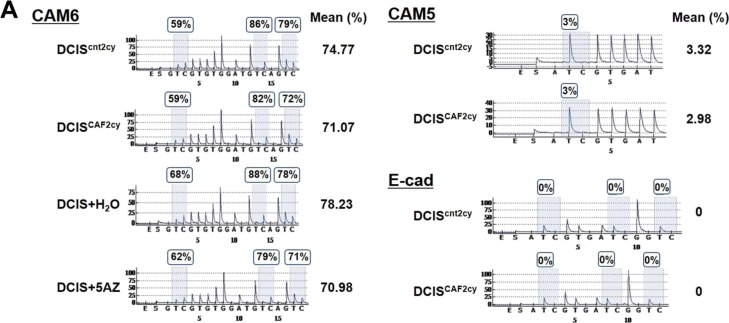
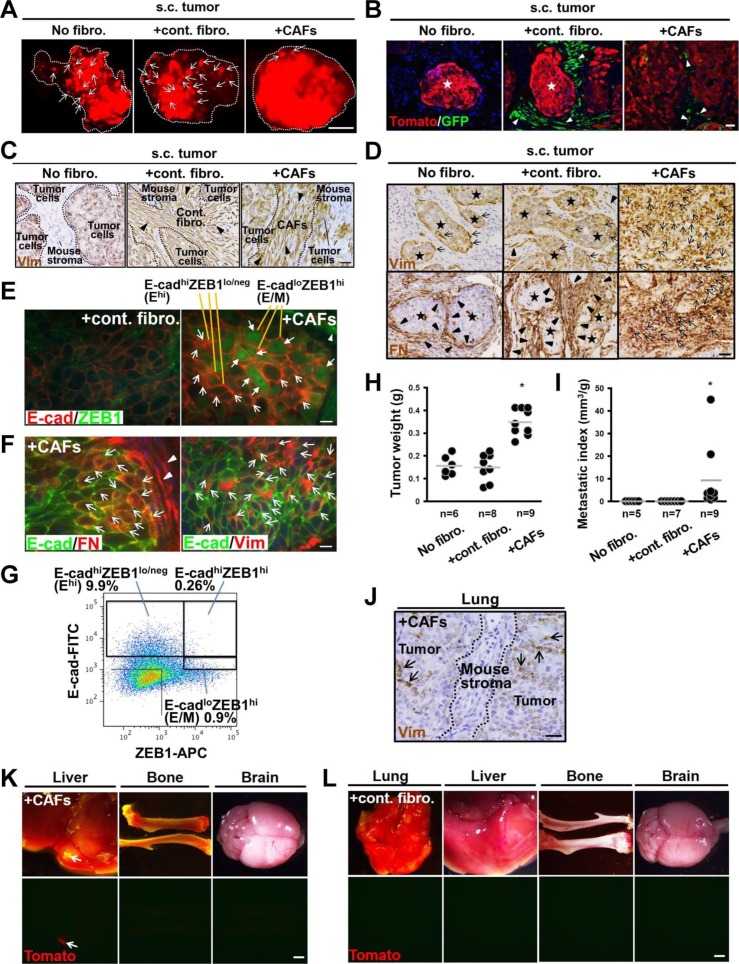
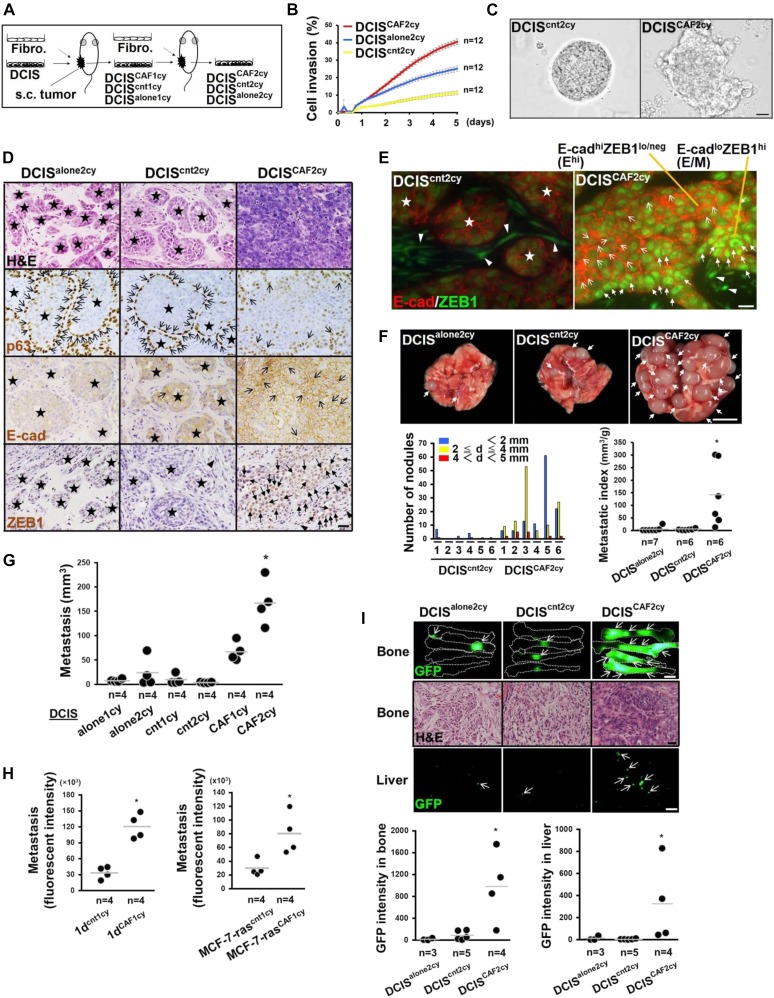
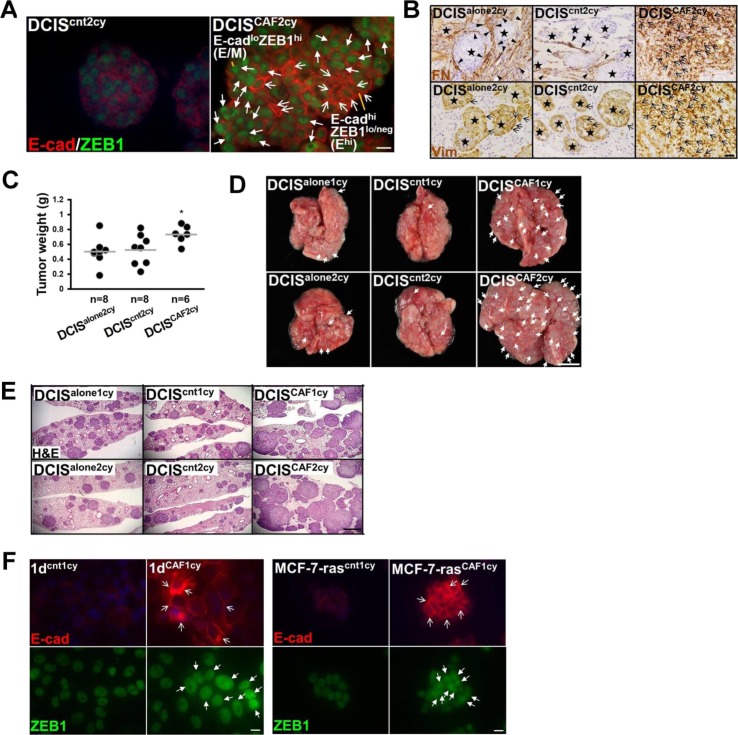
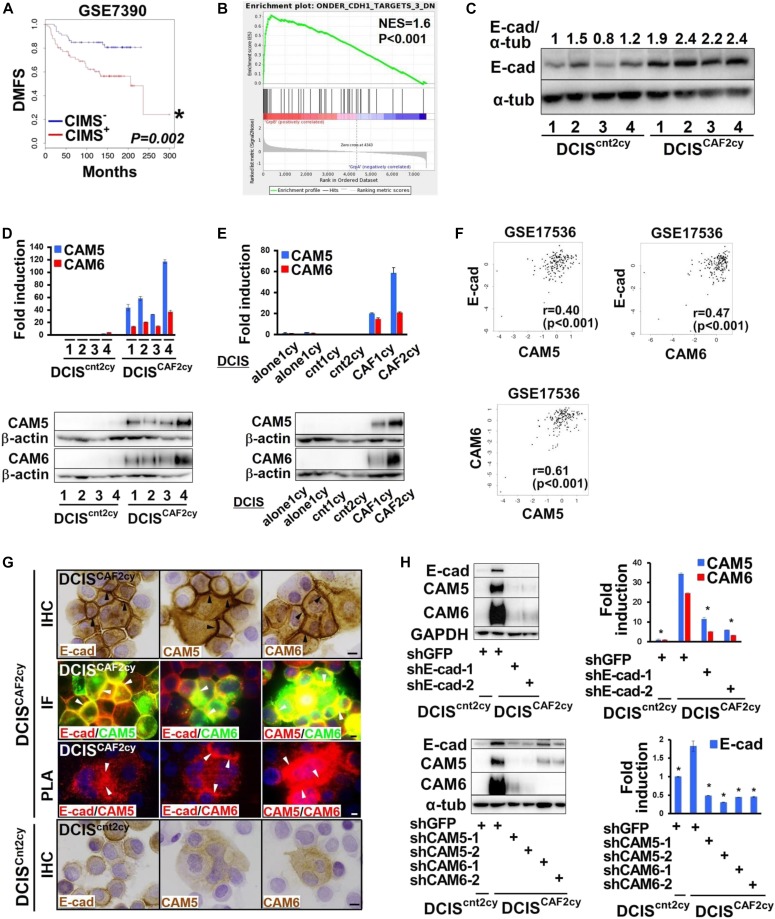
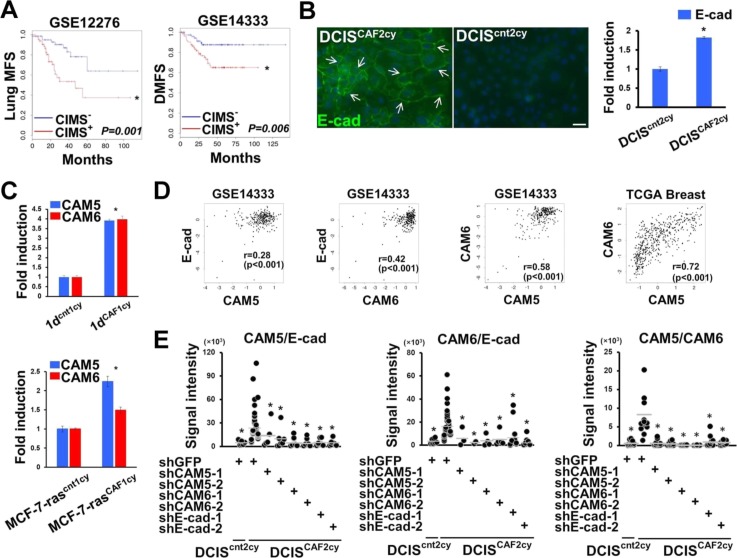
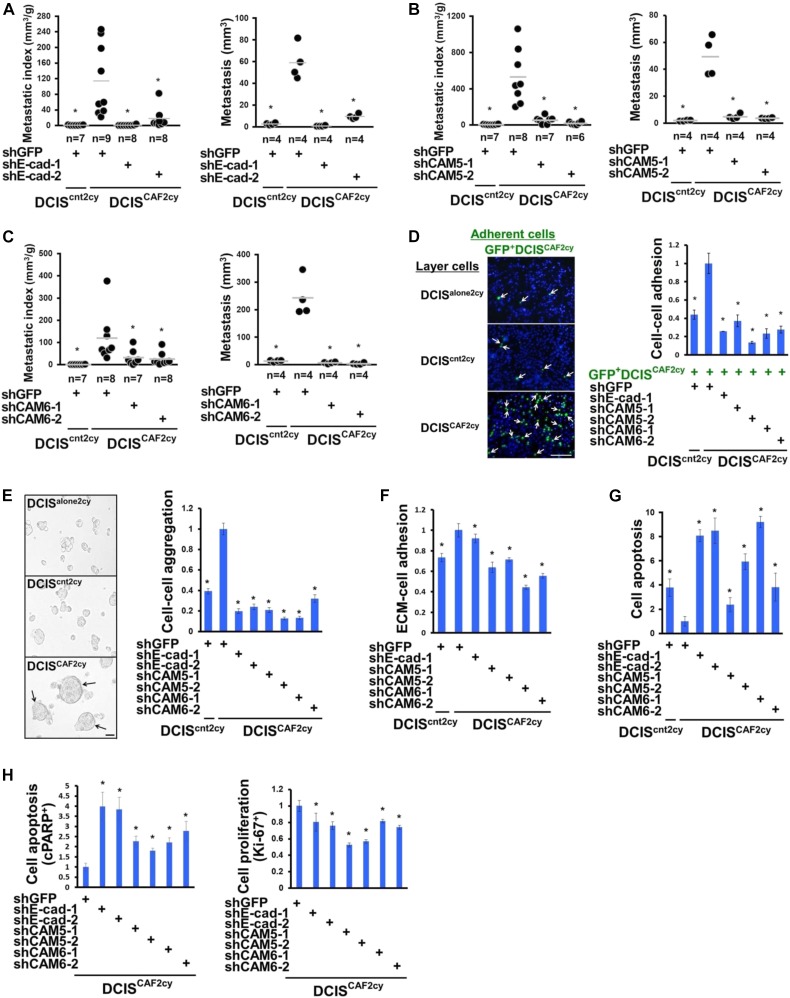
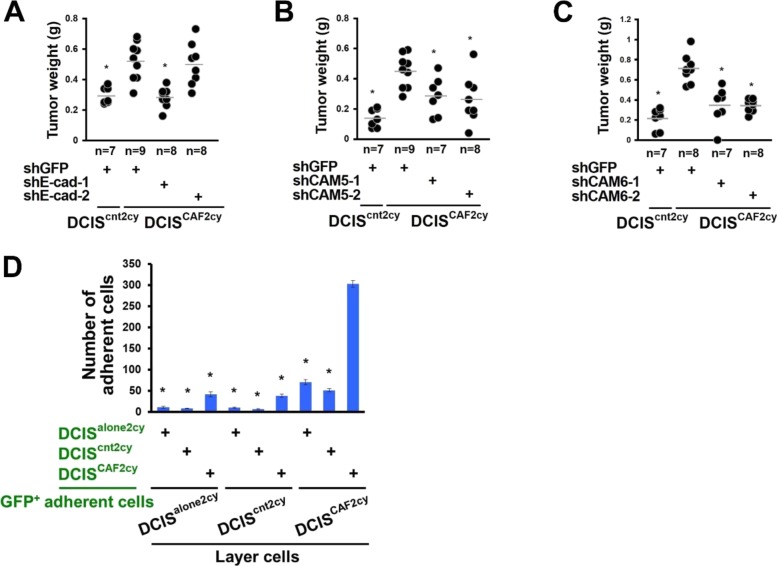
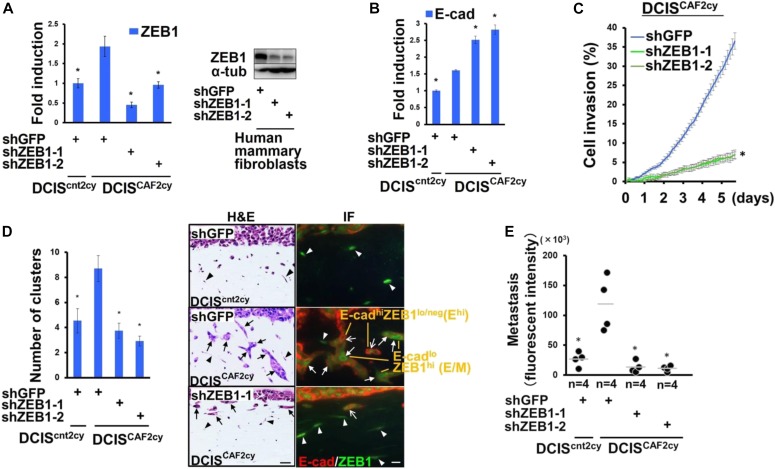
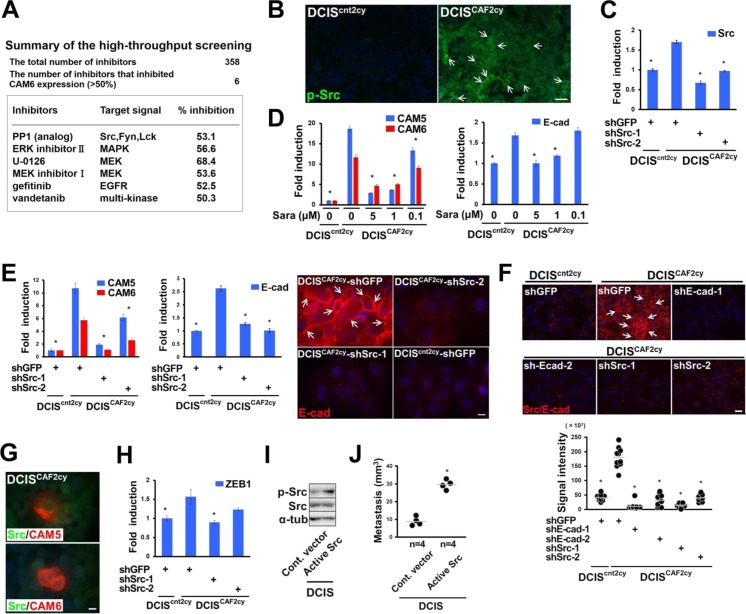
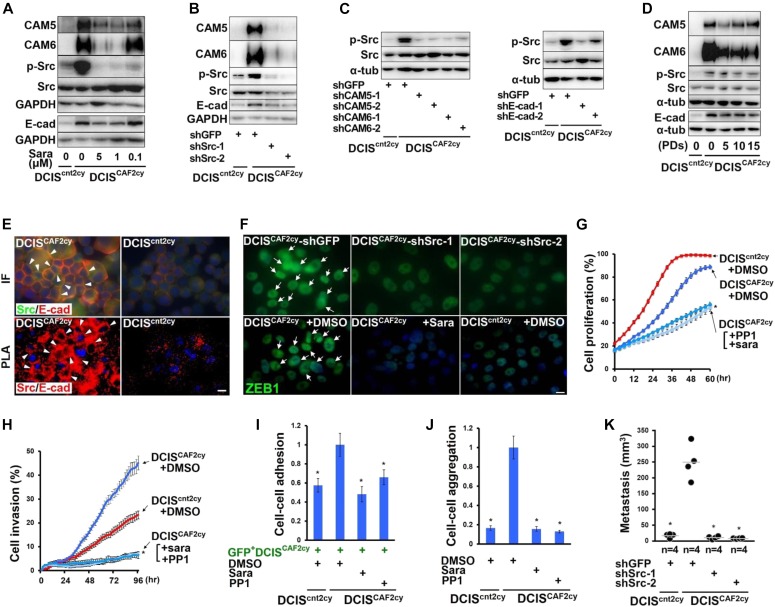
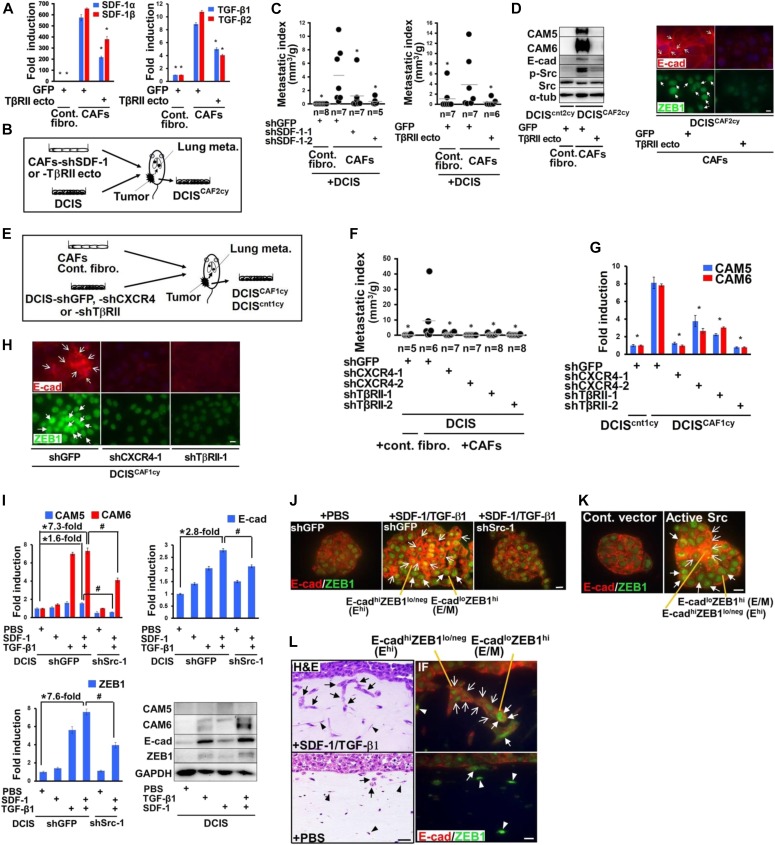
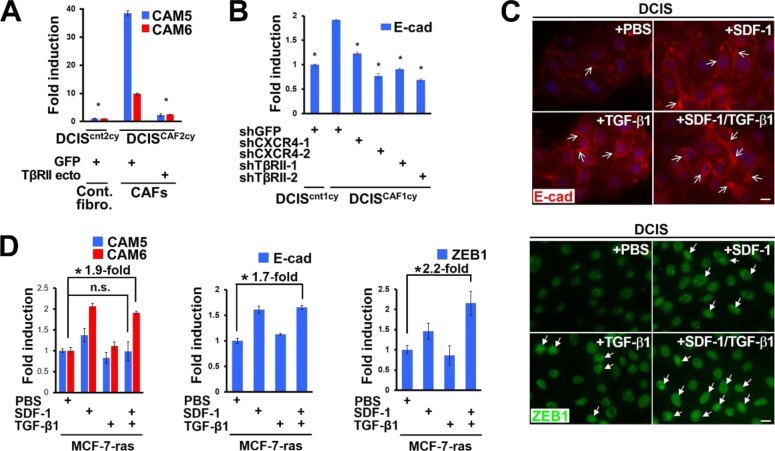
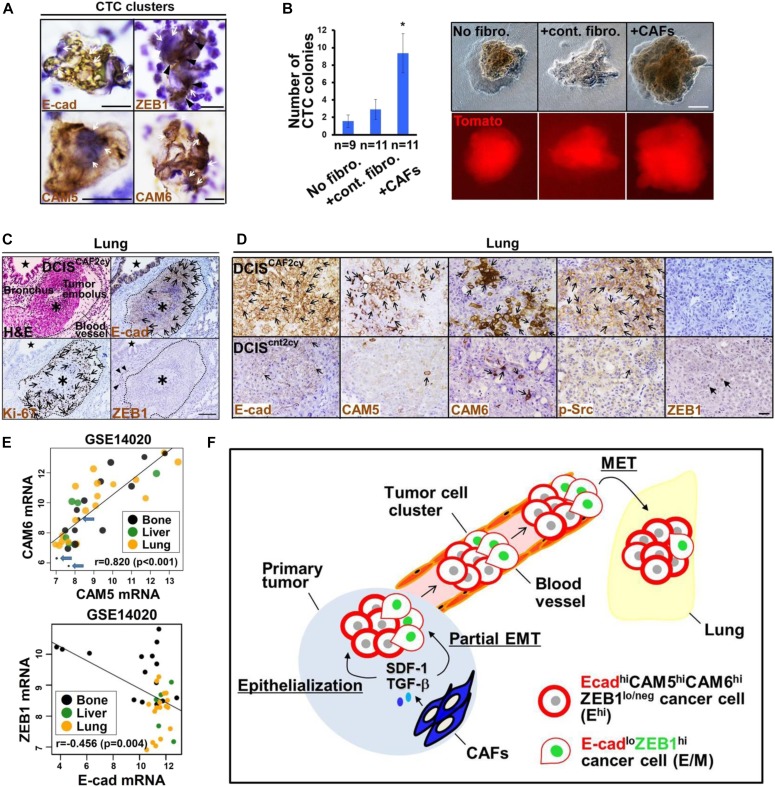
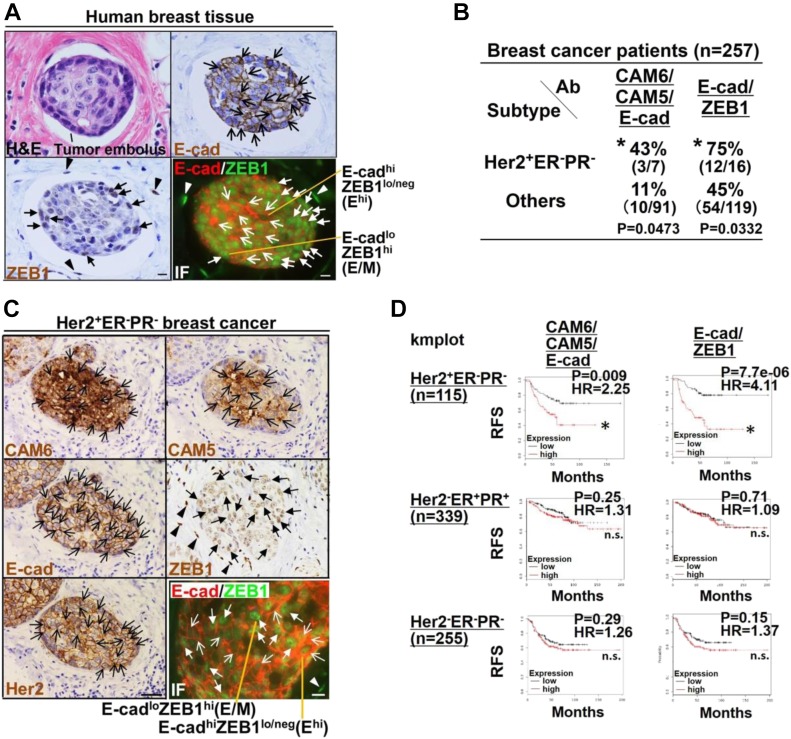
Emerging evidence supports the hypothesis that multicellular tumor clusters invade and seed metastasis. However, whether tumor-associated stroma induces epithelial-mesenchymal plasticity in tumor cell clusters, to promote invasion and metastasis, remains unknown. We demonstrate herein that carcinoma-associated fibroblasts (CAFs) frequently present in tumor stroma drive the formation of tumor cell clusters composed of two distinct cancer cell populations, one in a highly epithelial (E-cadherinZEB1: E) state and another in a hybrid epithelial/mesenchymal (E-cadherinZEB1: E/M) state. The E cells highly express oncogenic cell-cell adhesion molecules, such as carcinoembryonic antigen-related cell adhesion molecule 5 (CEACAM5) and CEACAM6 that associate with E-cadherin, resulting in increased tumor cell cluster formation and metastatic seeding. The E/M cells also retain associations with E cells, which follow the E/M cells leading to collective invasion. CAF-produced stromal cell-derived factor 1 and transforming growth factor-β confer the E and E/M states as well as invasive and metastatic traits via Src activation in apposed human breast tumor cells. Taken together, these findings indicate that invasive and metastatic tumor cell clusters are induced by CAFs via epithelial-mesenchymal plasticity.
新出现的证据支持这样一种假说,即多细胞肿瘤簇侵袭并播种转移。然而,肿瘤相关基质是否诱导肿瘤细胞簇中的上皮-间充质可塑性,从而促进侵袭和转移,目前尚不清楚。本文中,我们证明了癌相关成纤维细胞(CAFs)经常存在于肿瘤基质中,促使由两种不同癌细胞群组成的肿瘤细胞簇形成,一种处于高度上皮(E-钙黏蛋白 ZEB1:E)状态,另一种处于混合上皮/间充质(E-钙黏蛋白 ZEB1:E/M)状态。E 细胞高表达致癌细胞-细胞黏附分子,如癌胚抗原相关细胞黏附分子 5(CEACAM5)和 CEACAM6,它们与 E-钙黏蛋白结合,导致肿瘤细胞簇形成和转移性播种增加。E/M 细胞也与 E 细胞保持联系,这些细胞跟随 E/M 细胞导致集体侵袭。CAF 产生的基质细胞衍生因子 1 和转化生长因子-β通过 Src 在相邻的人乳腺癌细胞中的激活赋予 E 和 E/M 状态以及侵袭和转移特性。综上所述,这些发现表明,侵袭性和转移性肿瘤细胞簇是由 CAFs 通过上皮-间充质可塑性诱导的。