Department of Endocrinology, Drum Tower Hospital Affiliated to Nanjing University Medical School, Nanjing, 210008, China.
Shanghai Institute of Immunology, Shanghai Jiao Tong University School of Medicine, Shanghai, 200025, China.
Nat Commun. 2019 Jul 22;10(1):3254. doi: 10.1038/s41467-019-11270-1.
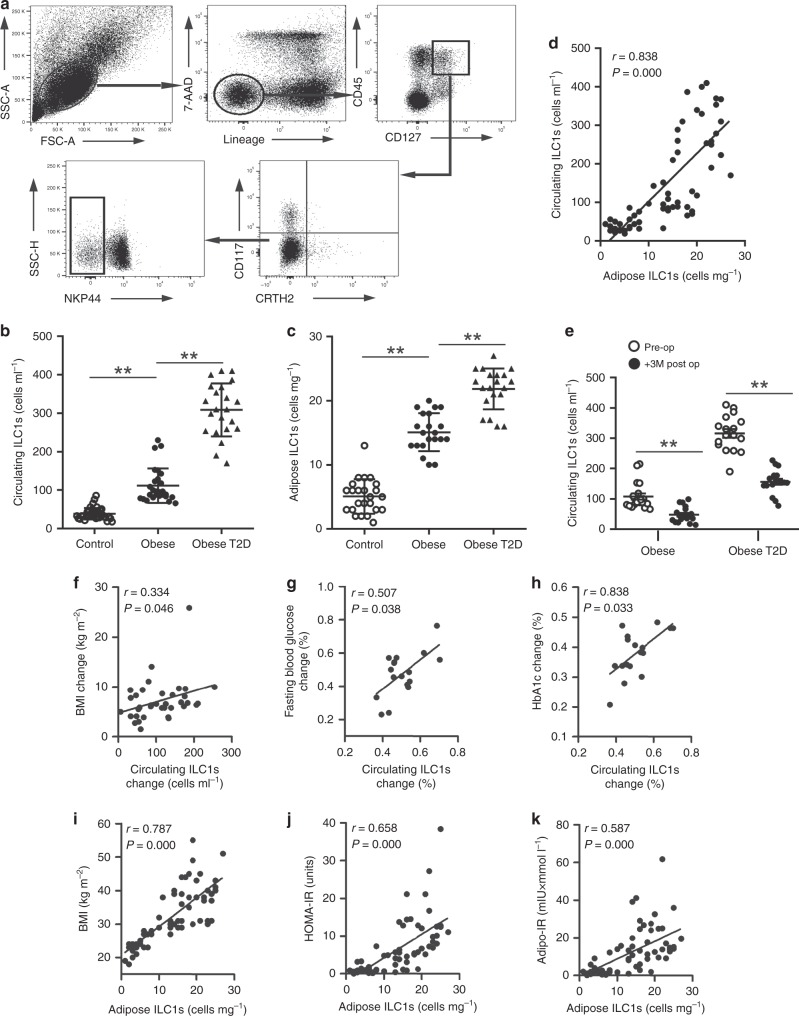
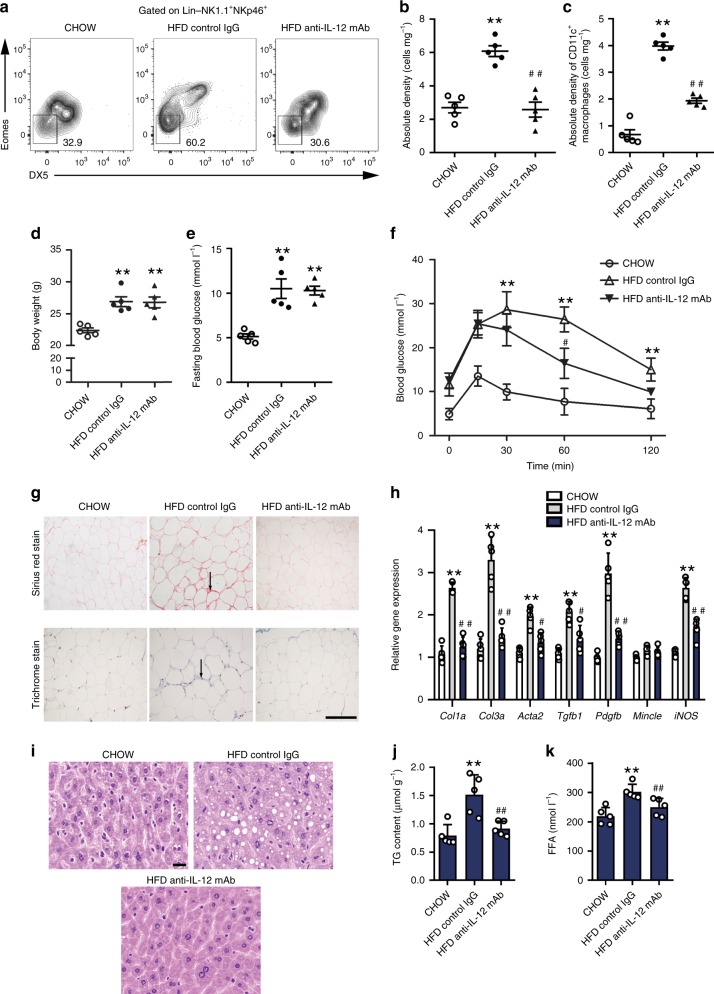
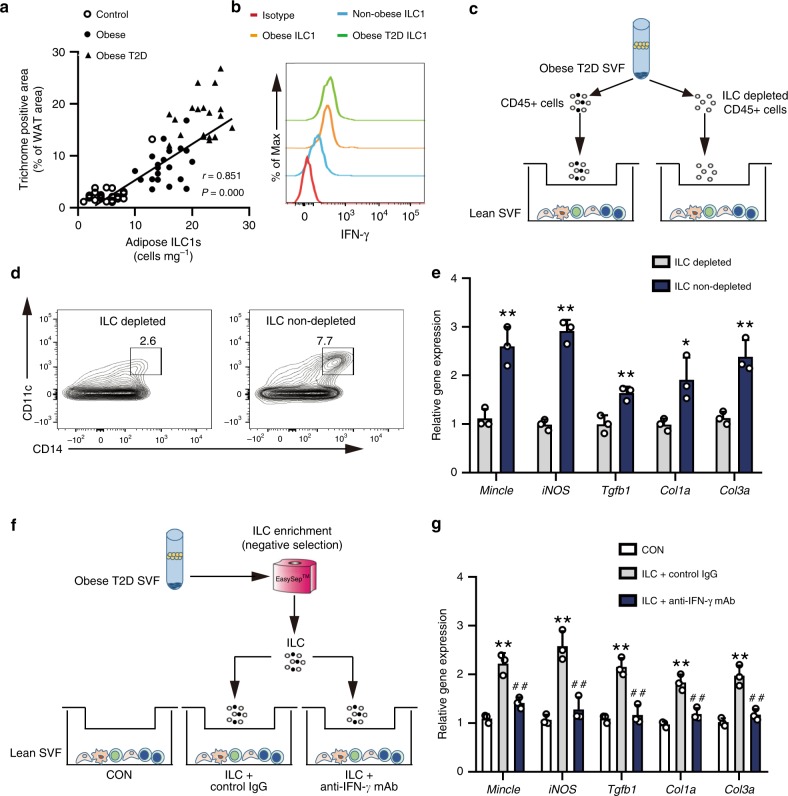
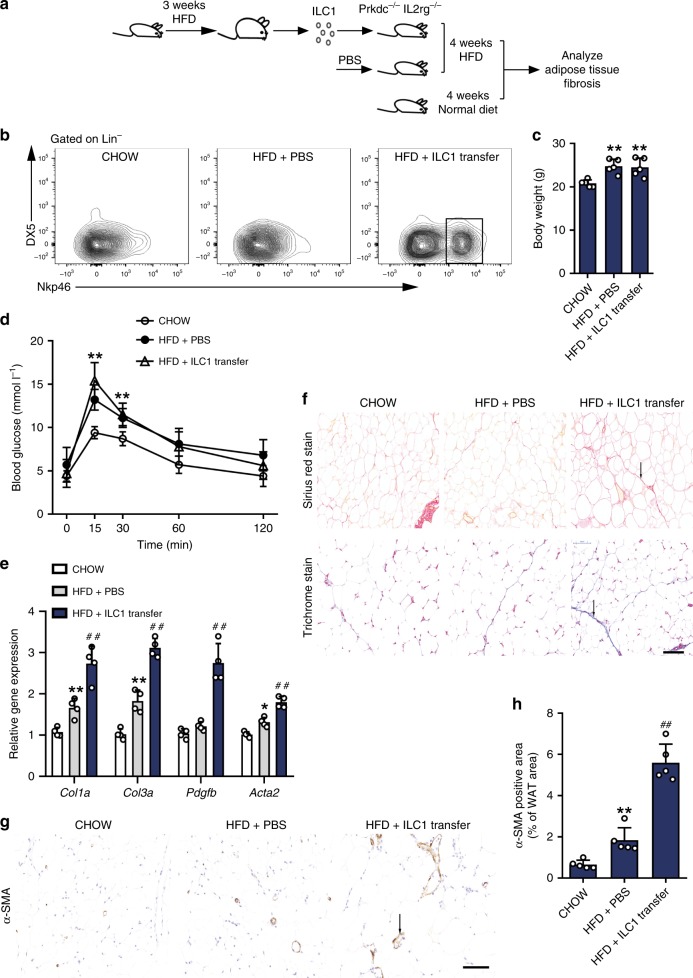
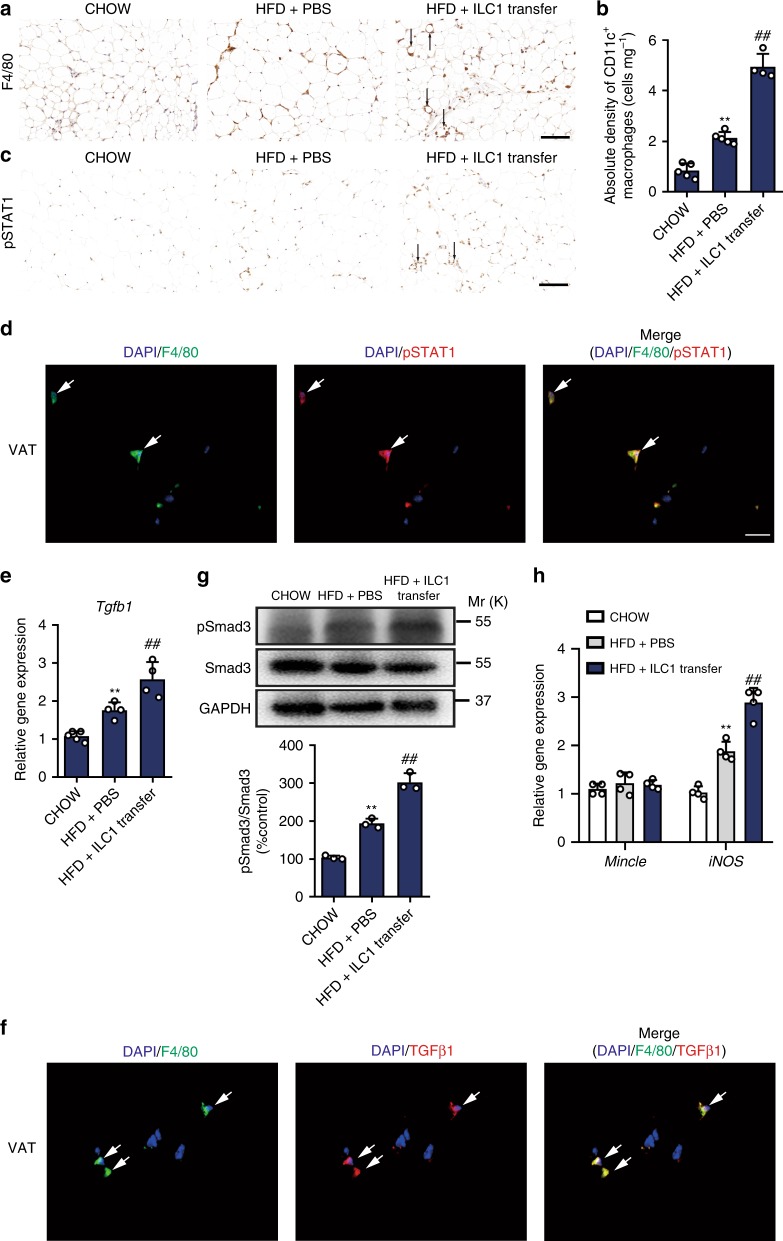
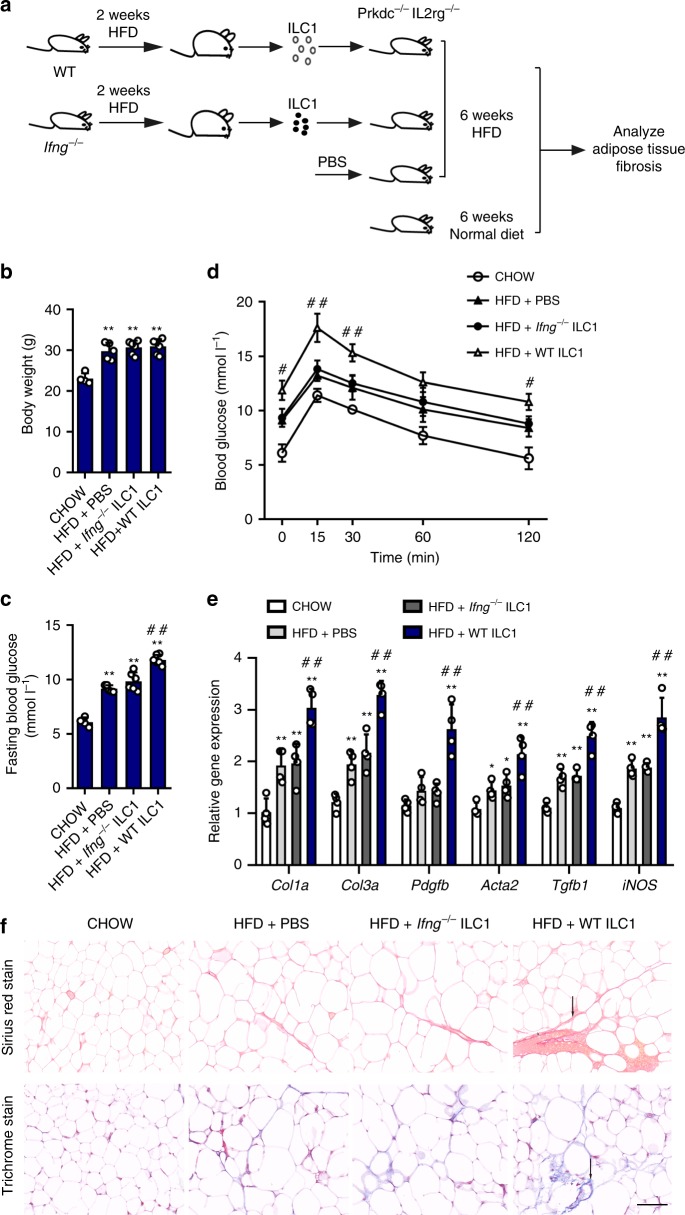
Pathogenic factors driving obesity to type 2 diabetes (T2D) are not fully understood. Group 1 innate lymphoid cells (ILC1s) are effectors of innate immunity and enriched in inflamed tissues. Here we show that the number of adipose ILC1s increases in obese T2D patients and correlates with glycemic parameters and with the number of ILC1s in the blood; circulating ILC1 numbers decrease as a result of metabolic improvements after bariatric surgery. In vitro co-culture experiments show that human adipose ILC1s promote adipose fibrogenesis and CD11c macrophage activation. Reconstruction of the adipose ILC1 population in PrkdcIL2rg mice by adoptive transfer drives adipose fibrogenesis through activation of TGFβ1 signaling; however, transfer of Ifng ILC1s has no effect on adipose fibrogenesis. Furthermore, inhibiting adipose accumulation of ILC1s using IL-12 neutralizing antibodies attenuates adipose tissue fibrosis and improves glycemic tolerance. Our data present insights into the mechanisms of local immune disturbances in obesity-related T2D.
导致肥胖症发展为 2 型糖尿病(T2D)的致病因素尚未完全阐明。1 型固有淋巴细胞(ILC1)是固有免疫的效应细胞,在炎症组织中丰富。在这里,我们发现肥胖 T2D 患者的脂肪组织 ILC1 数量增加,与血糖参数以及血液中 ILC1 的数量相关;减肥手术后代谢改善导致循环 ILC1 数量减少。体外共培养实验表明,人脂肪组织 ILC1 可促进脂肪纤维化和 CD11c 巨噬细胞活化。通过过继转移重建 PrkdcIL2rg 小鼠的脂肪 ILC1 群体会通过激活 TGFβ1 信号通路导致脂肪纤维化;然而,转移 Ifng ILC1 对脂肪纤维化没有影响。此外,使用 IL-12 中和抗体抑制 ILC1 在脂肪中的积累可减轻脂肪组织纤维化并改善血糖耐量。我们的数据提供了肥胖相关 T2D 中局部免疫紊乱机制的见解。