Leja Katarzyna, Szudera-Kończal Kamila, Świtała Ewa, Juzwa Wojciech, Kowalczewski Przemysław Łukasz, Czaczyk Katarzyna
Department of Biotechnology and Food Microbiology, Poznań University of Life Sciences, 48 Wojska Polskiego St, 60-627 Poznań, Poland.
Institute of Food Technology of Plant Origin, Poznań University of Life Sciences, 31 Wojska Polskiego St, 60-624 Poznań, Poland.
Foods. 2019 Jul 23;8(7):277. doi: 10.3390/foods8070277.
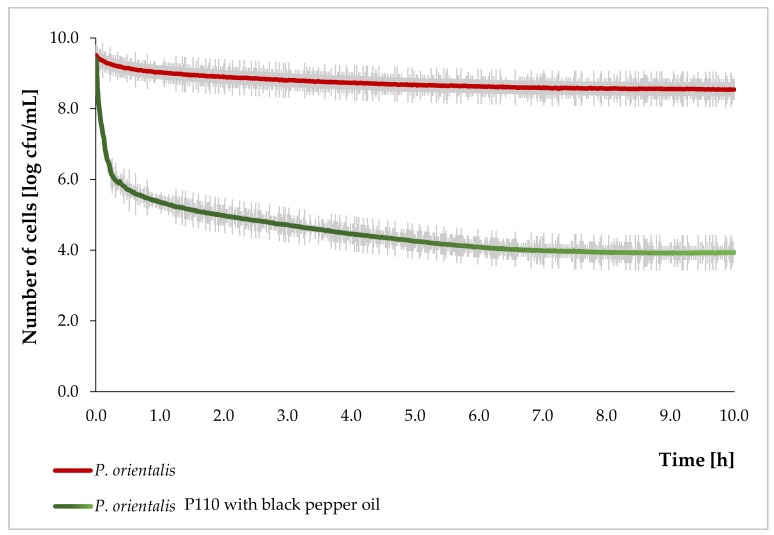
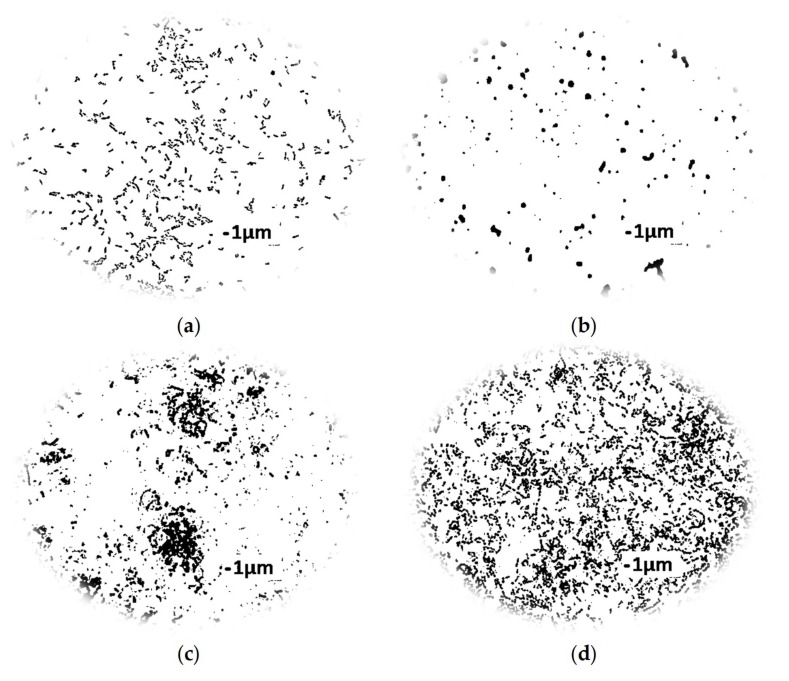
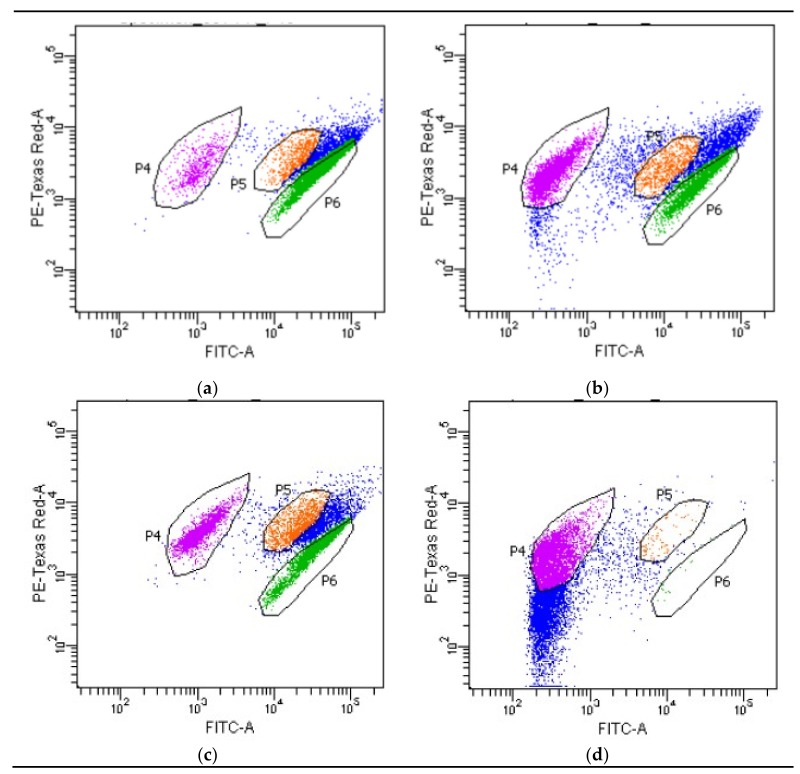
The aim of this work was to estimate the antibacterial activity of selected essential oils on strains isolated from foods. An attempt was also made to identify the mechanisms of the action of the plant oils. Classical methods of assessment of the effectiveness of antimicrobial activity of oils were linked with flow cytometry. It was observed that bergamot, lemongrass, bitter orange, juniper, and black pepper oils have bacteriostatic effect against P49. P110 is sensitive to lime, lemongrass, juniper, rosemary, and black pepper oils. Additionally, plant oils with biostatic effect on limited the intracellular metabolic activity of cells; this was closely linked with the ability of plant oils' bioactive components to interact with bacteria cell membrane, causing the release of membrane proteins. As a result, the selective permeability of the cell membranes were damaged and the bacterial shape was transformed to coccoid in form.
这项工作的目的是评估所选精油对从食品中分离出的菌株的抗菌活性。同时还尝试确定植物油的作用机制。评估油类抗菌活性有效性的经典方法与流式细胞术相关联。据观察,佛手柑、柠檬草、苦橙、杜松和黑胡椒油对P49具有抑菌作用。P110对酸橙、柠檬草、杜松、迷迭香和黑胡椒油敏感。此外,对[具体菌株]具有抑菌作用的植物油限制了细胞的细胞内代谢活性;这与植物油生物活性成分与细菌细胞膜相互作用的能力密切相关,导致膜蛋白释放。结果,细胞膜的选择性通透性受损,细菌形态转变为球菌状。