Akter Saleha, Netzel Michael E, Tinggi Ujang, Osborne Simone A, Fletcher Mary T, Sultanbawa Yasmina
Queensland Alliance for Agriculture and Food Innovation (QAAFI), The University of Queensland, Health and Food Sciences Precinct, 39 Kessels Rd, Coopers Plains, QLD 4108, Australia.
Queensland Health Forensic and Scientific Services, 39 Kessels Rd, Coopers Plains, QLD 4108, Australia.
Foods. 2019 Jul 24;8(8):281. doi: 10.3390/foods8080281.
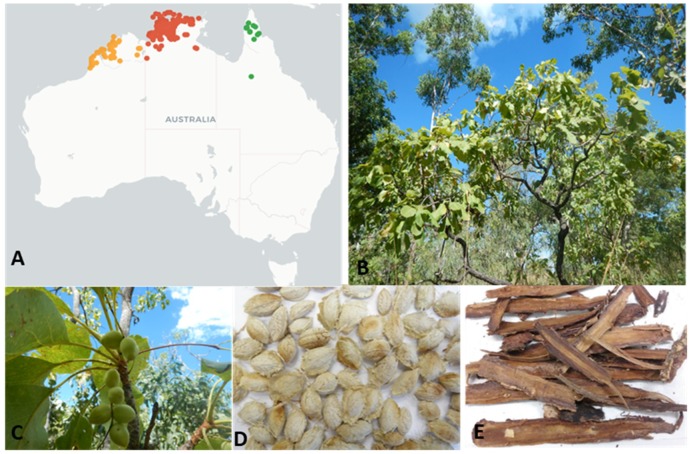
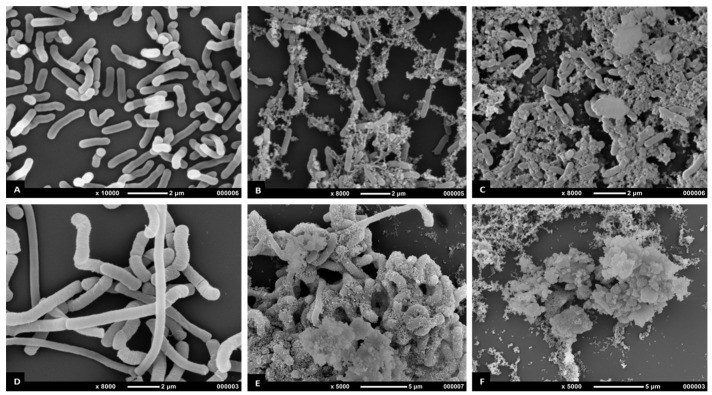
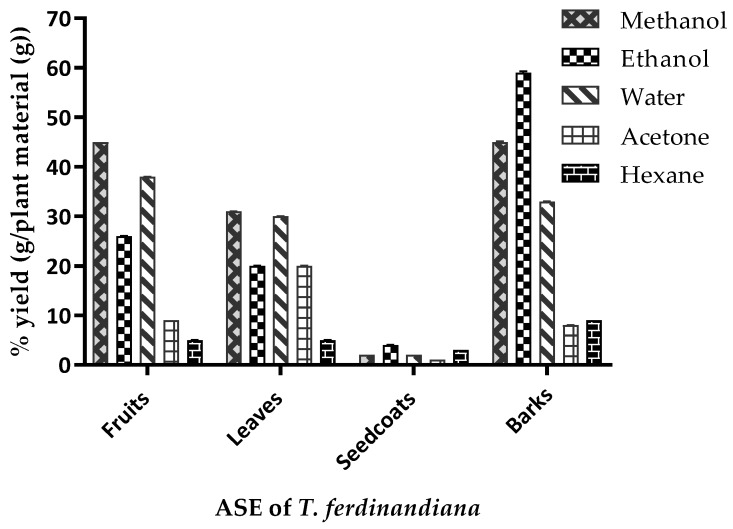
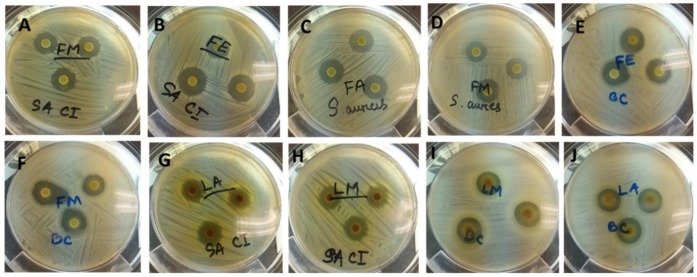
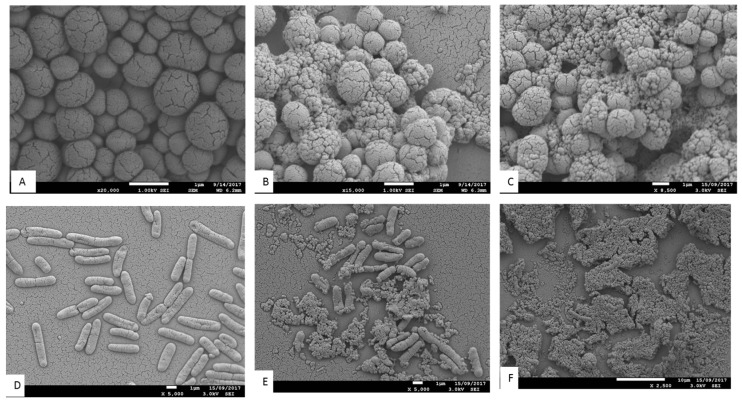
(Kakadu plum) is a native Australian plant containing phytochemicals with antioxidant capacity. In the search for alternatives to synthetic preservatives, antioxidants from plants and herbs are increasingly being investigated for the preservation of food. In this study, extracts were prepared from fruit, leaves, seedcoats, and bark using different solvents. Hydrolysable and condensed tannin contents in the extracts were determined, as well as antioxidant capacity, by measuring the total phenolic content (TPC) and free radical scavenging activity using the 2, 2-diphenyl-1-picrylhydrazyl (DPPH) assay. Total phenolic content was higher in the fruits and barks with methanol extracts, containing the highest TPC, hydrolysable tannins, and DPPH-free radical scavenging capacity (12.2 ± 2.8 g/100 g dry weight (DW), 55 ± 2 mg/100 g DW, and 93% respectively). Saponins and condensed tannins were highest in bark extracts (7.0 ± 0.2 and 6.5 ± 0.7 g/100 g DW). The antimicrobial activity of extracts from fruit and leaves showed larger zones of inhibition, compared to seedcoats and barks, against the foodborne bacteria , Methicillin resistant , and clinical isolates of . The minimum inhibitory concentration and minimum bactericidal concentration in response to the different extracts ranged from 1.0 to 3.0 mg/mL. Scanning electron microscopy images of the treated bacteria showed morphological changes, leading to cell death. These results suggest that antioxidant rich extracts of fruits and leaves have potential applications as natural antimicrobials in food preservation.
卡卡杜李是一种澳大利亚本土植物,含有具有抗氧化能力的植物化学物质。在寻找合成防腐剂替代品的过程中,人们越来越多地研究从植物和草药中提取的抗氧化剂用于食品保鲜。在本研究中,使用不同溶剂从果实、叶子、种皮和树皮中制备提取物。通过测量总酚含量(TPC)和使用2,2-二苯基-1-苦基肼(DPPH)法的自由基清除活性,测定提取物中的可水解单宁和缩合单宁含量以及抗氧化能力。果实和树皮中的甲醇提取物总酚含量较高,其TPC、可水解单宁和DPPH自由基清除能力最高(分别为12.2±2.8 g/100 g干重(DW)、55±2 mg/100 g DW和93%)。树皮提取物中的皂苷和缩合单宁含量最高(分别为7.0±0.2和6.5±0.7 g/100 g DW)。与种皮和树皮相比,果实和叶子提取物对食源性病原体、耐甲氧西林金黄色葡萄球菌和临床分离株的抗菌活性表现出更大的抑菌圈。不同提取物的最低抑菌浓度和最低杀菌浓度范围为1.0至3.0 mg/mL。处理后细菌的扫描电子显微镜图像显示出形态变化,导致细胞死亡。这些结果表明,富含抗氧化剂的卡卡杜李果实和叶子提取物在食品保鲜中作为天然抗菌剂具有潜在应用价值。