Department of Anatomy and Structural Biology and Gruss Lipper Biophotonics Center, Albert Einstein College of Medicine, Bronx, NY, 10461, USA.
Laboratory of Sensory Neuroscience, Rockefeller University, New York, NY, 10065, USA.
Nat Commun. 2019 Jul 26;10(1):3332. doi: 10.1038/s41467-019-11231-8.
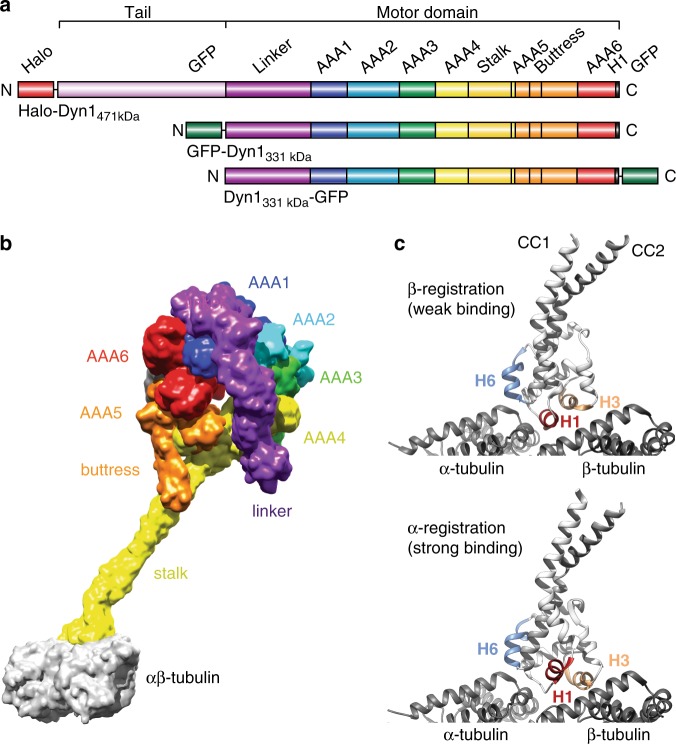
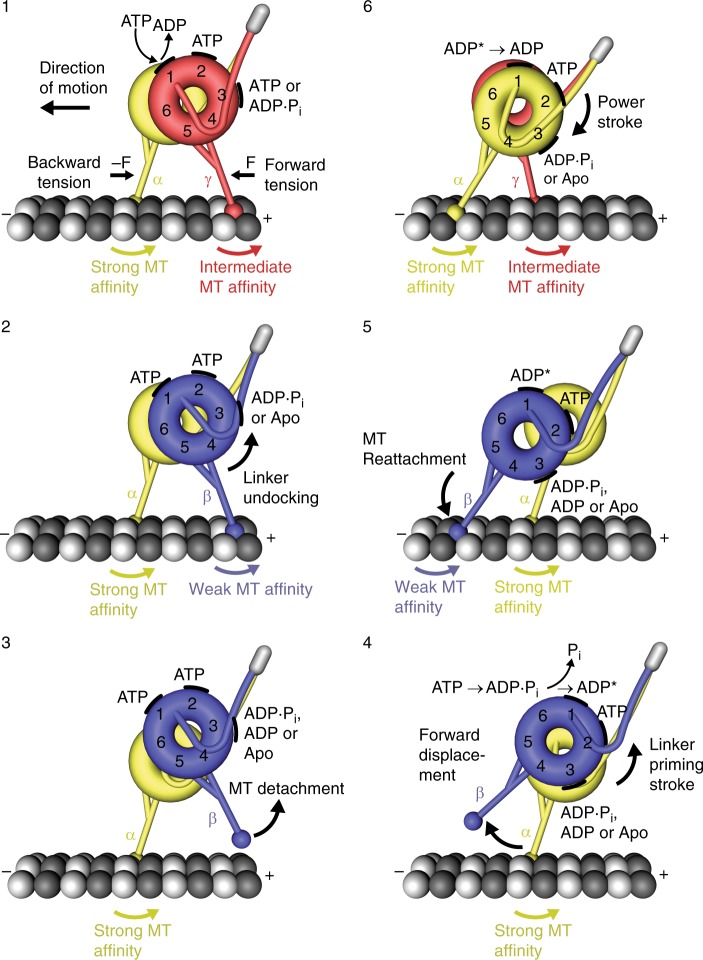
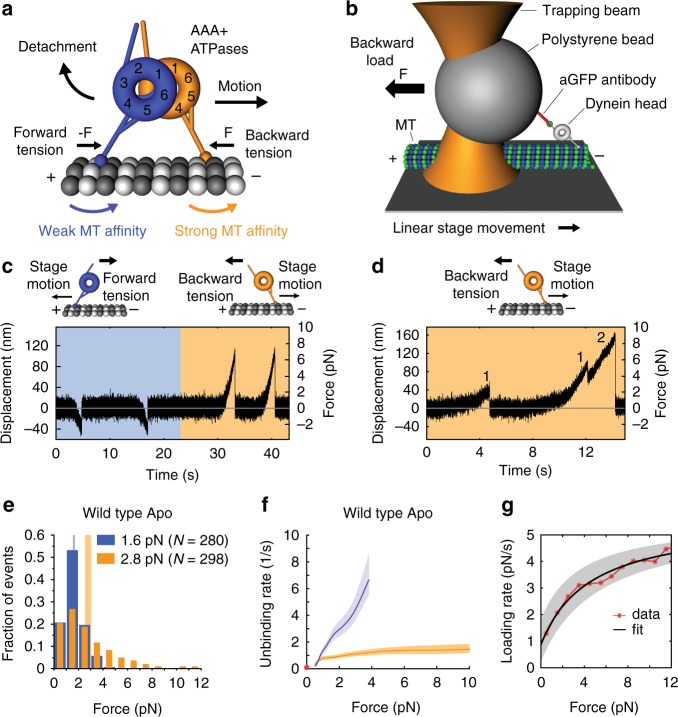
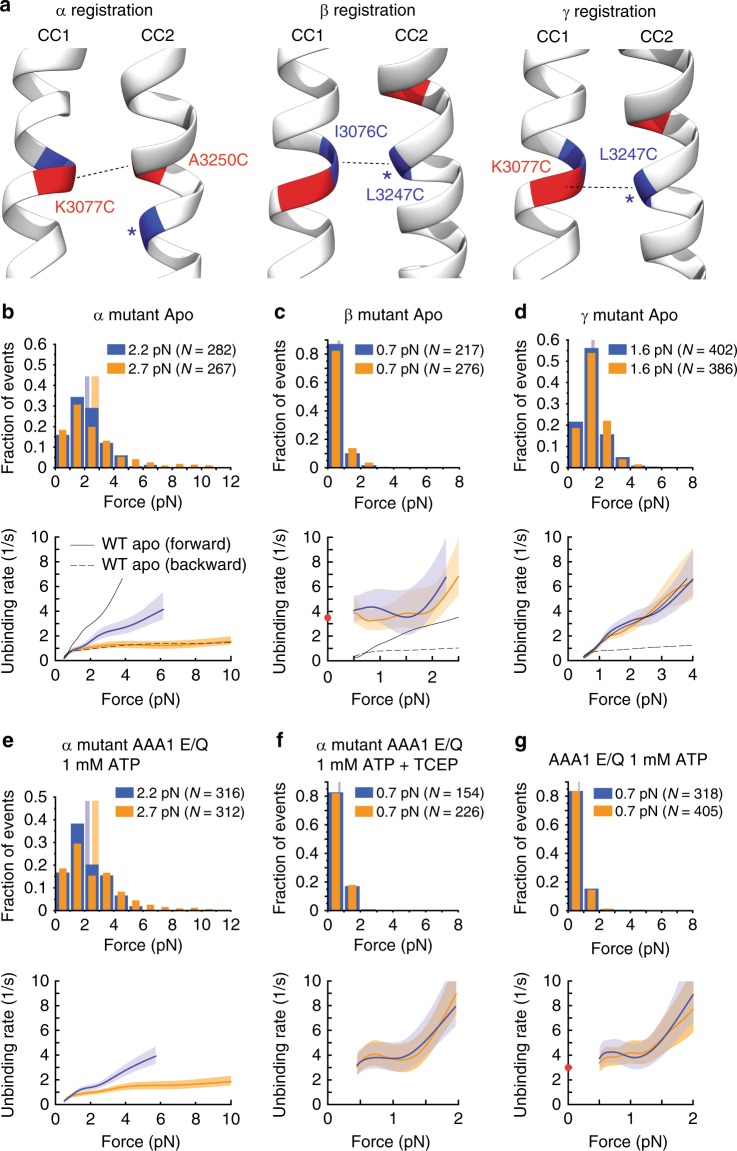
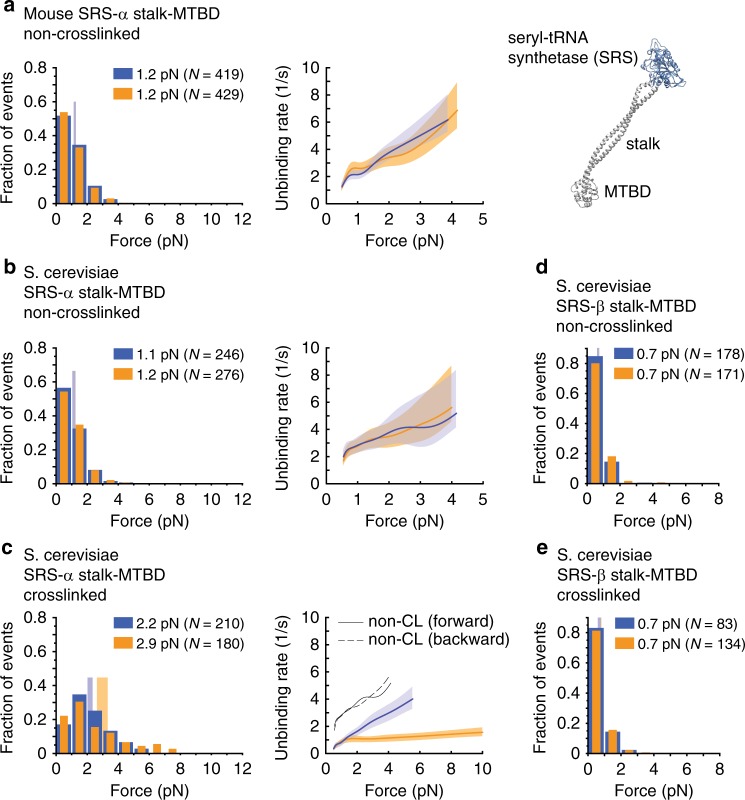
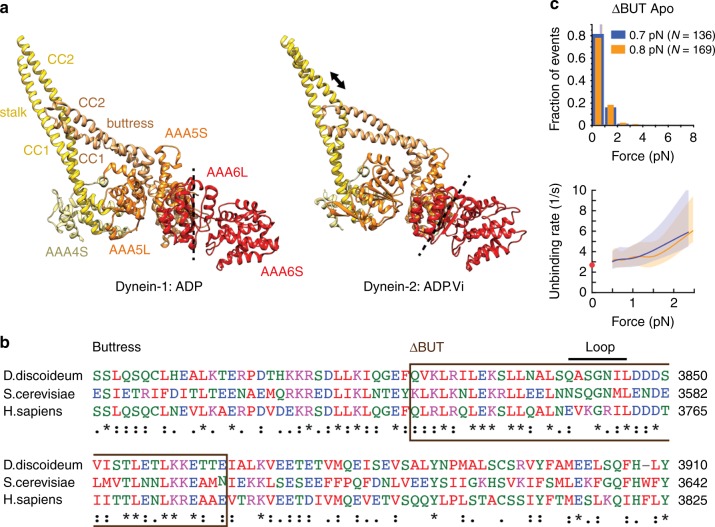
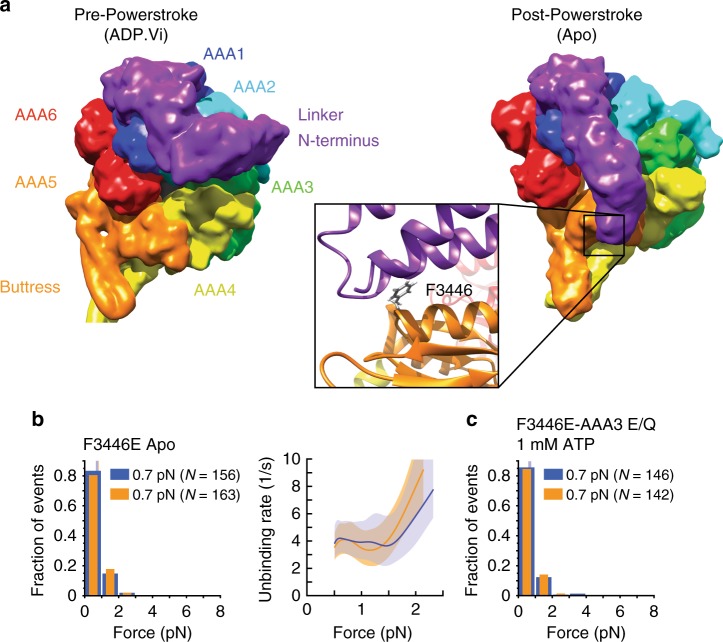
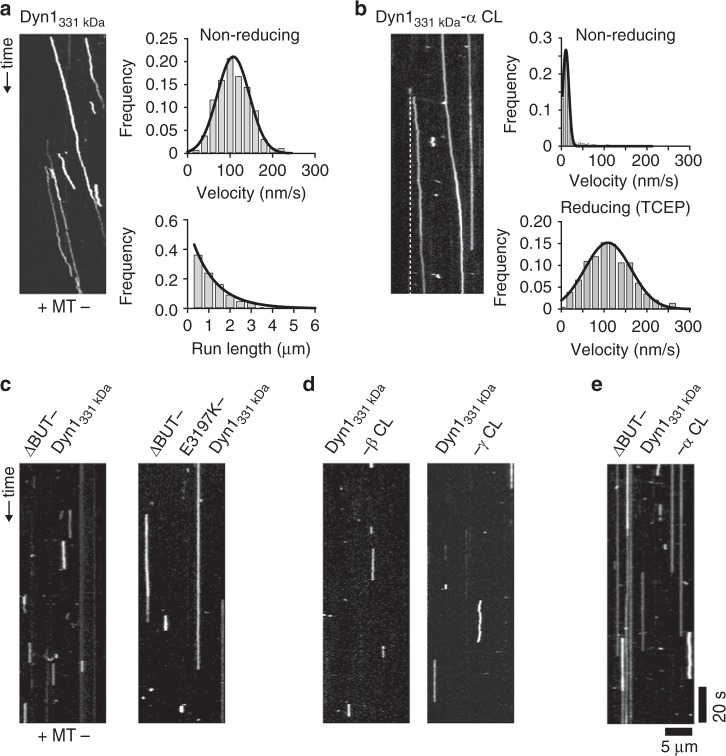
Cytoplasmic dynein is the most complex cytoskeletal motor protein and is responsible for numerous biological functions. Essential to dynein's function is its capacity to respond anisotropically to tension, so that its microtubule-binding domains bind microtubules more strongly when under backward load than forward load. The structural mechanisms by which dynein senses directional tension, however, are unknown. Using a combination of optical tweezers, mutagenesis, and chemical cross-linking, we show that three structural elements protruding from the motor domain-the linker, buttress, and stalk-together regulate directional tension-sensing. We demonstrate that dynein's anisotropic response to directional tension is mediated by sliding of the coiled-coils of the stalk, and that coordinated conformational changes of dynein's linker and buttress control this process. We also demonstrate that the stalk coiled-coils assume a previously undescribed registry during dynein's stepping cycle. We propose a revised model of dynein's mechanochemical cycle which accounts for our findings.
细胞质动力蛋白是最复杂的细胞骨架马达蛋白,负责众多的生物学功能。动力蛋白的功能的关键是它对张力的各向异性响应能力,因此当受到向后负载时,其微管结合域与微管的结合比受到向前负载时更强。然而,动力蛋白感知定向张力的结构机制尚不清楚。我们使用光学镊子、突变和化学交联的组合,表明从马达结构域突出的三个结构元件 - 连接物、支撑物和柄 - 共同调节定向张力感应。我们证明动力蛋白对定向张力的各向异性响应是由柄的卷曲螺旋的滑动介导的,并且动力蛋白的连接物和支撑物的协调构象变化控制这一过程。我们还证明,在动力蛋白的步进循环期间,柄的卷曲螺旋采用了以前未描述的登记。我们提出了一个修正的动力蛋白机械化学循环模型,该模型解释了我们的发现。