Department of Aerospace Biodynamics, School of Aerospace Medicine, Fourth Military Medical University, 169 Chang Le Xi Road, Xi'an, 710032, China.
Key Lab of Aerospace Medicine, Chinese Ministry of Education, Xi'an, 710032, Shaanxi, China.
Apoptosis. 2019 Oct;24(9-10):812-825. doi: 10.1007/s10495-019-01560-w.
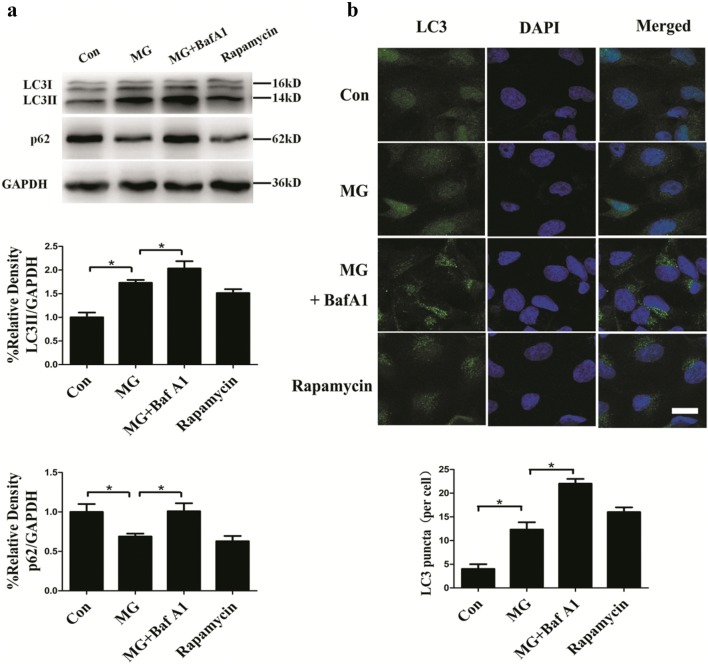
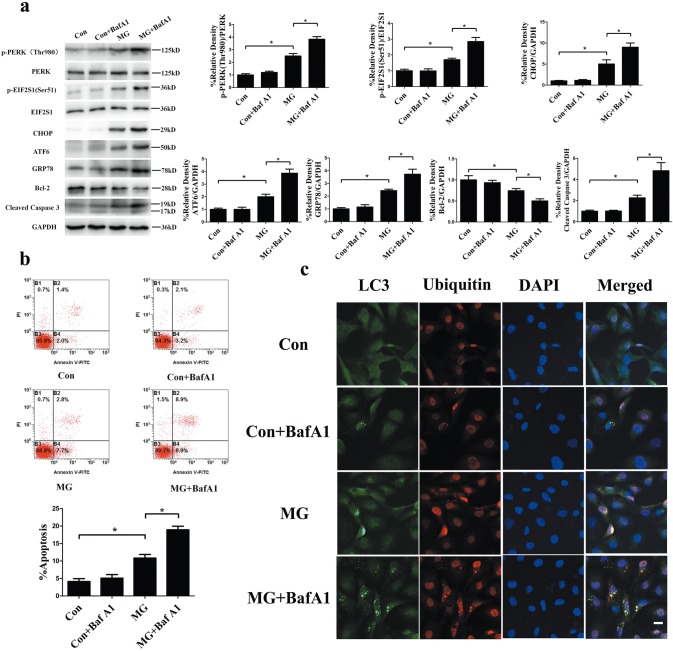
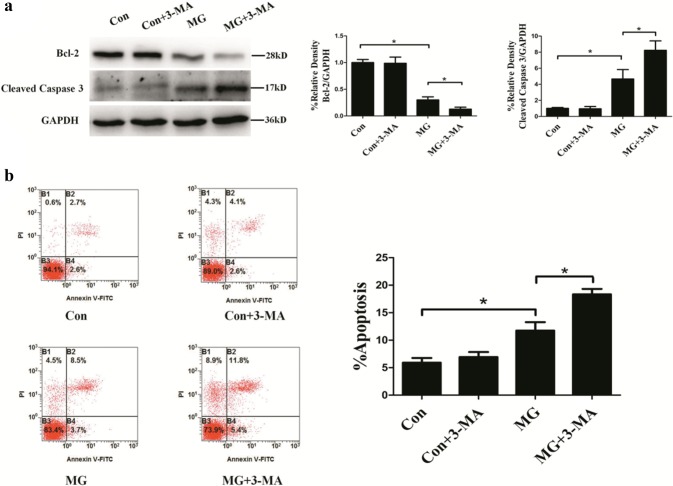
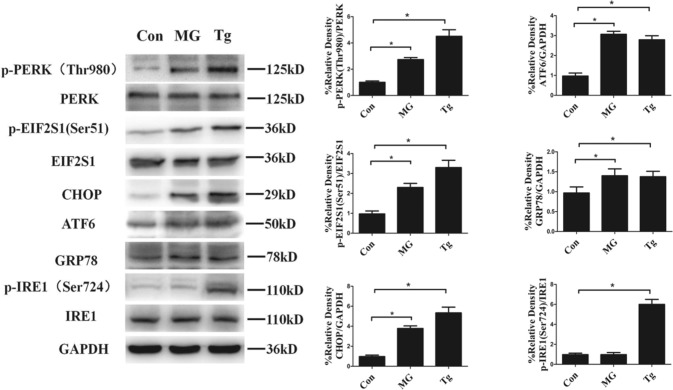
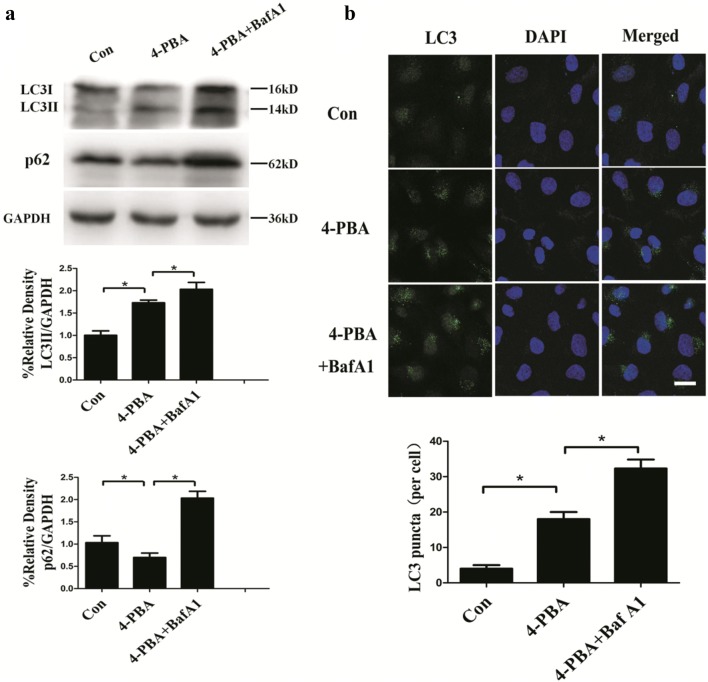
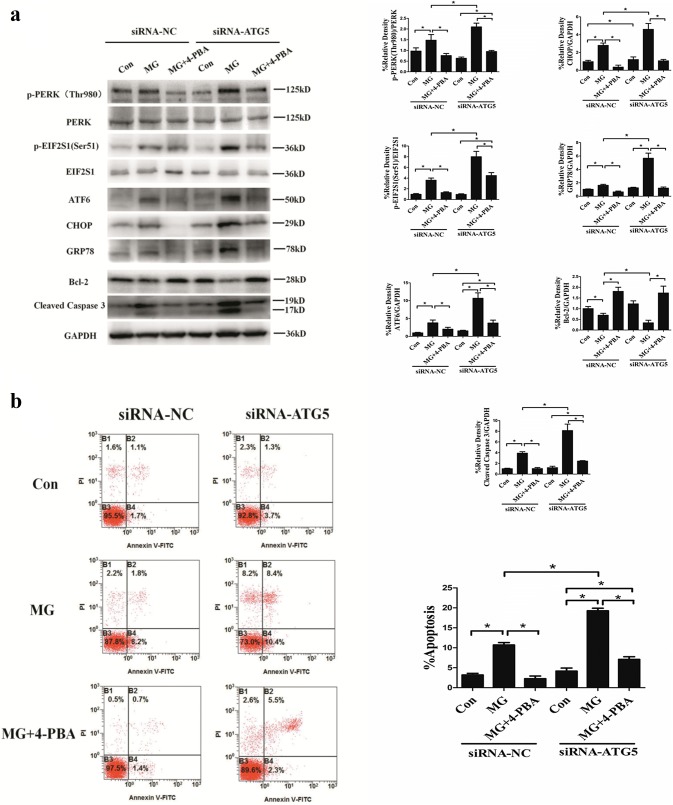
Astronauts exposed to a gravity-free environment experience cardiovascular deconditioning that causes post-spaceflight orthostatic intolerance and other pathological conditions. Endothelial dysfunction is an important factor responsible for this alteration. Our previous study showed enhanced autophagy in endothelial cells under simulated microgravity. The present study explored the cytoprotective role of autophagy under microgravity in human umbilical vein endothelial cells (HUVECs). We found that clinorotation for 48 h induced apoptosis and endoplasmic reticulum (ER) stress in HUVECs. ER stress and the unfolded protein response (UPR) partially contributed to apoptosis under clinorotation. Autophagy partially reduced ER stress and restored UPR signaling by autophagic clearance of ubiquitin-protein aggregates, thereby reducing apoptosis. In addition, the ER stress antagonist 4-phenylbutyric acid upregulated autophagy in HUVECs. Taken together, these findings indicate that autophagy plays a protective role against apoptosis under clinorotation by clearing protein aggregates and partially restoring the UPR.
宇航员在失重环境中会经历心血管功能下降,导致飞行后直立不耐受和其他病理状况。内皮功能障碍是导致这种改变的一个重要因素。我们之前的研究表明,模拟微重力下内皮细胞中的自噬增强。本研究探讨了微重力下自噬在人脐静脉内皮细胞(HUVEC)中的细胞保护作用。我们发现,48 小时的水平旋转导致 HUVEC 凋亡和内质网(ER)应激。ER 应激和未折叠蛋白反应(UPR)部分导致水平旋转下的细胞凋亡。自噬通过自噬清除泛素化蛋白聚集体部分减少 ER 应激,并恢复 UPR 信号,从而减少凋亡。此外,ER 应激拮抗剂 4-苯丁酸上调 HUVEC 中的自噬。总之,这些发现表明,自噬通过清除蛋白聚集体和部分恢复 UPR 对水平旋转下的细胞凋亡发挥保护作用。