Center for Medical Robotics and Minimally Invasive Surgical Devices, Shenzhen Institutes of Advance Technology, Chinese Academy of Sciences, Shenzhen, China.
Graduate University, Chinese Academy of Sciences, Beijing, China.
JMIR Mhealth Uhealth. 2019 Aug 2;7(8):e11966. doi: 10.2196/11966.
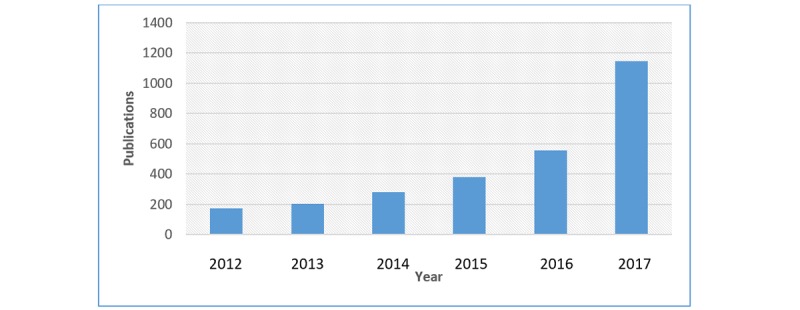
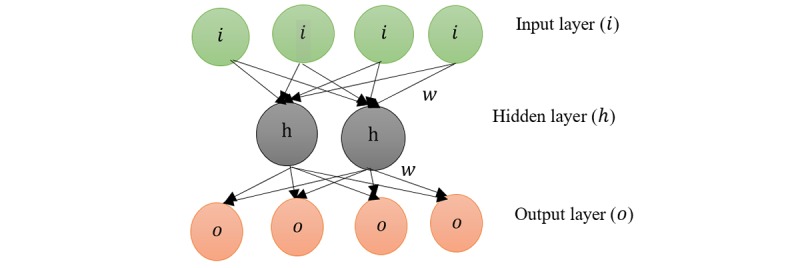
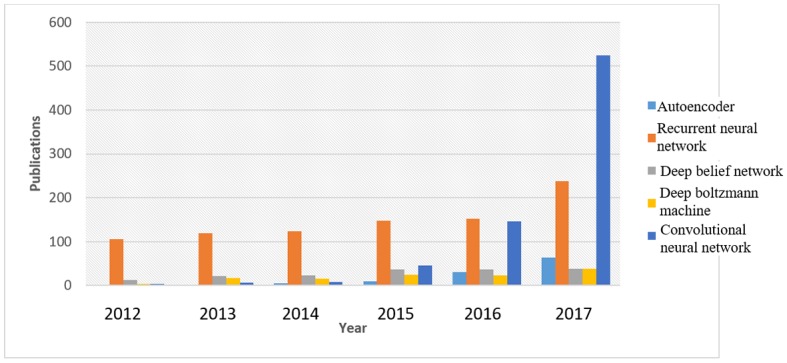
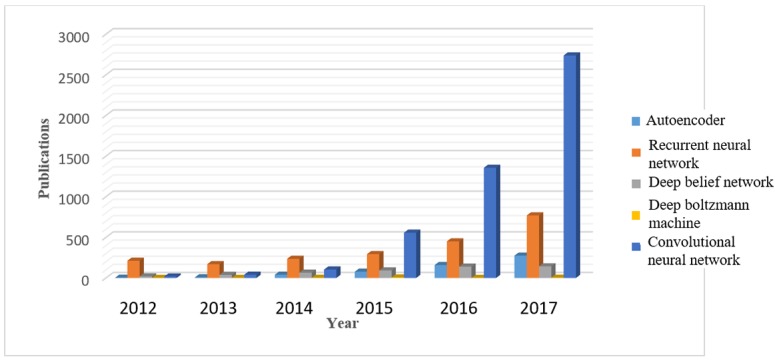
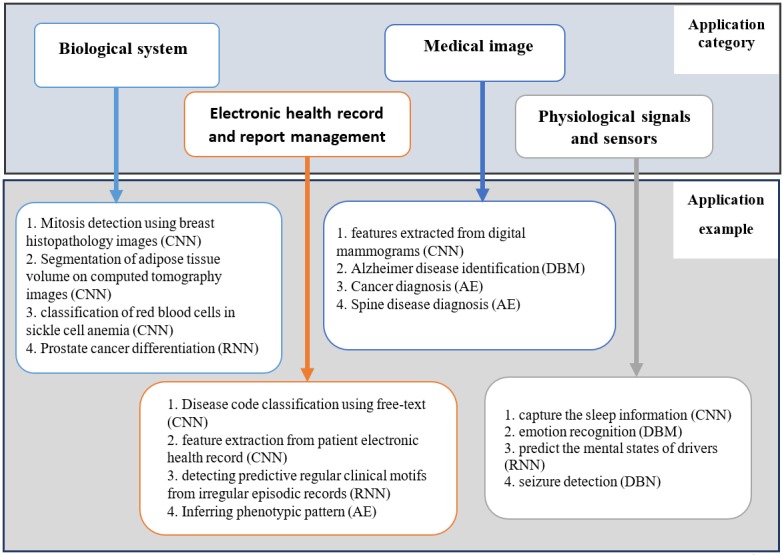
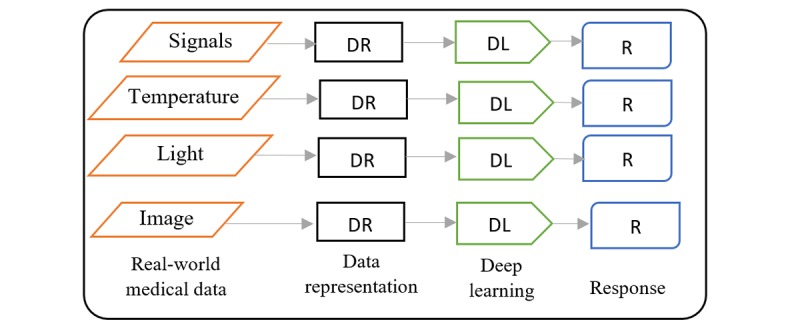
The use of deep learning (DL) for the analysis and diagnosis of biomedical and health care problems has received unprecedented attention in the last decade. The technique has recorded a number of achievements for unearthing meaningful features and accomplishing tasks that were hitherto difficult to solve by other methods and human experts. Currently, biological and medical devices, treatment, and applications are capable of generating large volumes of data in the form of images, sounds, text, graphs, and signals creating the concept of big data. The innovation of DL is a developing trend in the wake of big data for data representation and analysis. DL is a type of machine learning algorithm that has deeper (or more) hidden layers of similar function cascaded into the network and has the capability to make meaning from medical big data. Current transformation drivers to achieve personalized health care delivery will be possible with the use of mobile health (mHealth). DL can provide the analysis for the deluge of data generated from mHealth apps. This paper reviews the fundamentals of DL methods and presents a general view of the trends in DL by capturing literature from PubMed and the Institute of Electrical and Electronics Engineers database publications that implement different variants of DL. We highlight the implementation of DL in health care, which we categorize into biological system, electronic health record, medical image, and physiological signals. In addition, we discuss some inherent challenges of DL affecting biomedical and health domain, as well as prospective research directions that focus on improving health management by promoting the application of physiological signals and modern internet technology.
在过去的十年中,深度学习(DL)在分析和诊断生物医学和医疗保健问题方面受到了前所未有的关注。该技术已经在挖掘有意义的特征和完成以前难以用其他方法和人类专家解决的任务方面取得了许多成就。目前,生物和医疗设备、治疗和应用能够以图像、声音、文本、图形和信号的形式生成大量数据,从而产生了大数据的概念。DL 的创新是大数据时代数据表示和分析的一个发展趋势。DL 是一种机器学习算法,它具有更深(或更多)的类似功能的隐藏层级联到网络中,并具有从医学大数据中获取意义的能力。当前,通过使用移动健康(mHealth)实现个性化医疗服务的转型驱动力将成为可能。DL 可以为 mHealth 应用程序生成的大量数据提供分析。本文回顾了 DL 方法的基础知识,并通过从 PubMed 和电气和电子工程师协会数据库出版物中捕获实施不同变体的 DL 的文献,展示了 DL 的趋势的概述。我们重点介绍了 DL 在医疗保健中的应用,将其分为生物系统、电子健康记录、医学图像和生理信号。此外,我们还讨论了一些影响生物医学和健康领域的 DL 固有的挑战,以及专注于通过促进生理信号和现代互联网技术的应用来改善健康管理的未来研究方向。