Department of Biology and Biochemistry, University of Bath, Bath, United Kingdom.
Department of Medical, Surgical, & Health Sciences, University of Trieste, Piazza Ospitale, Trieste, Italy.
PLoS One. 2019 Aug 5;14(8):e0219566. doi: 10.1371/journal.pone.0219566. eCollection 2019.
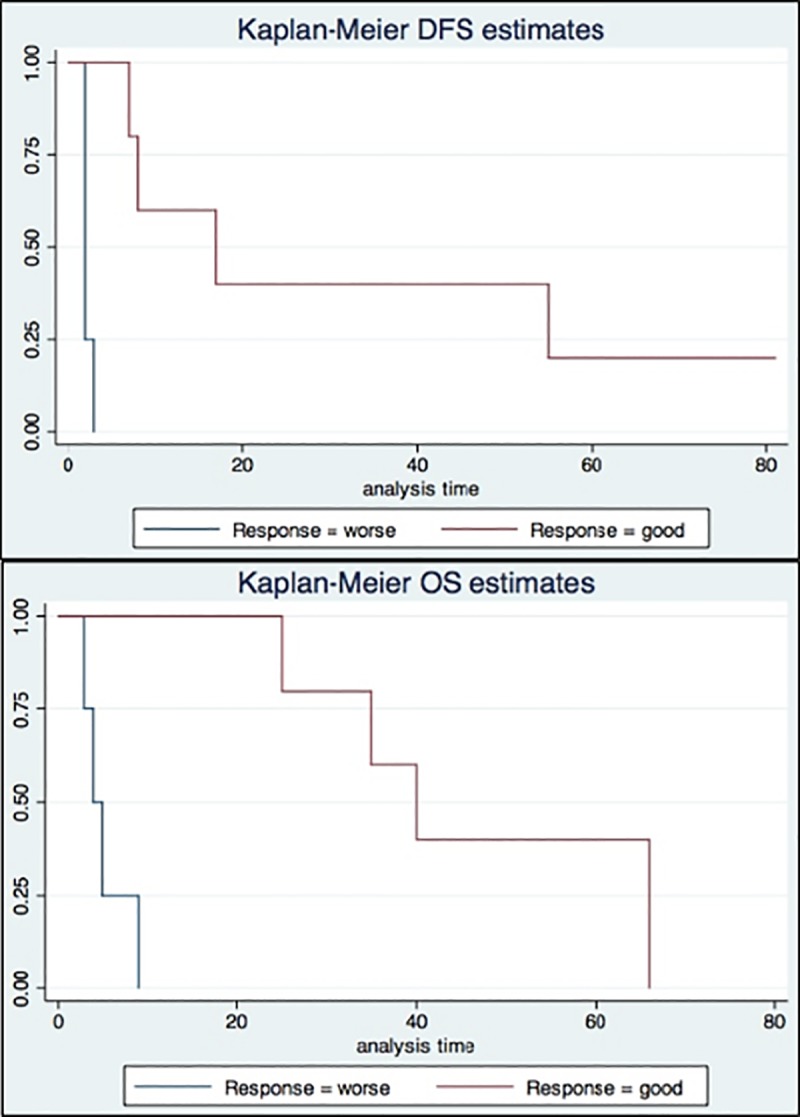
We investigated the correlation between pancreatic ductal adenocarcinoma patient prognosis and the presence of tumour infiltrating lymphocytes and expression of 521 immune system genes.
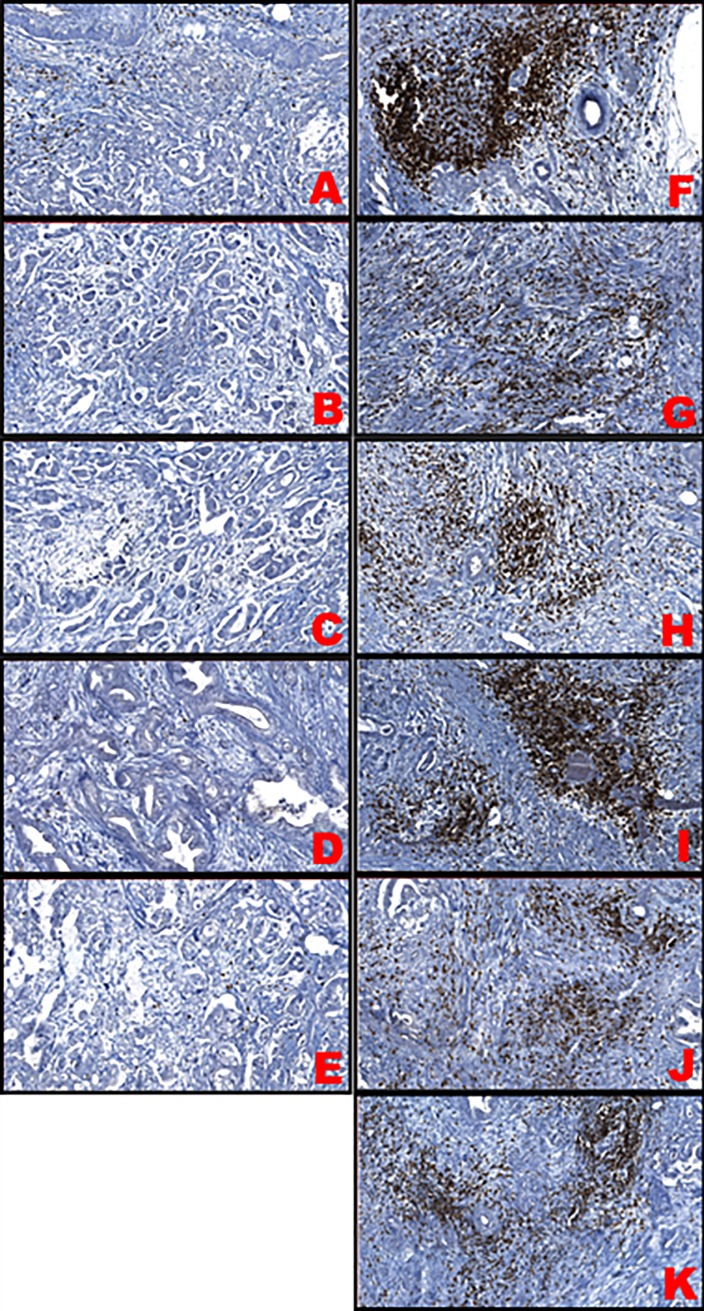
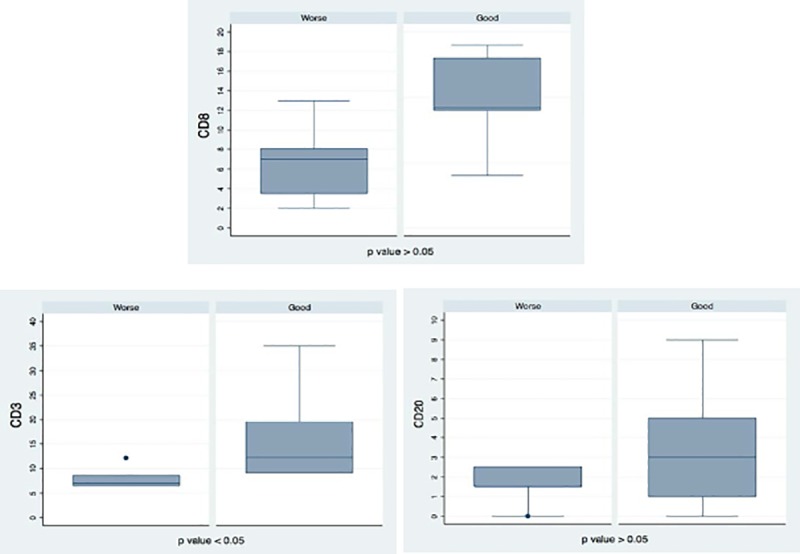
Intratumoural CD3+, CD8+, and CD20+ lymphocytes were examined by immunohistochemistry in 12 PDAC patients with different outcomes who underwent pancreaticoduodenectomy. The results were correlated with gene expression profile using the digital multiplexed NanoString nCounter analysis system (NanoString Technologies, Seattle, WA, USA).
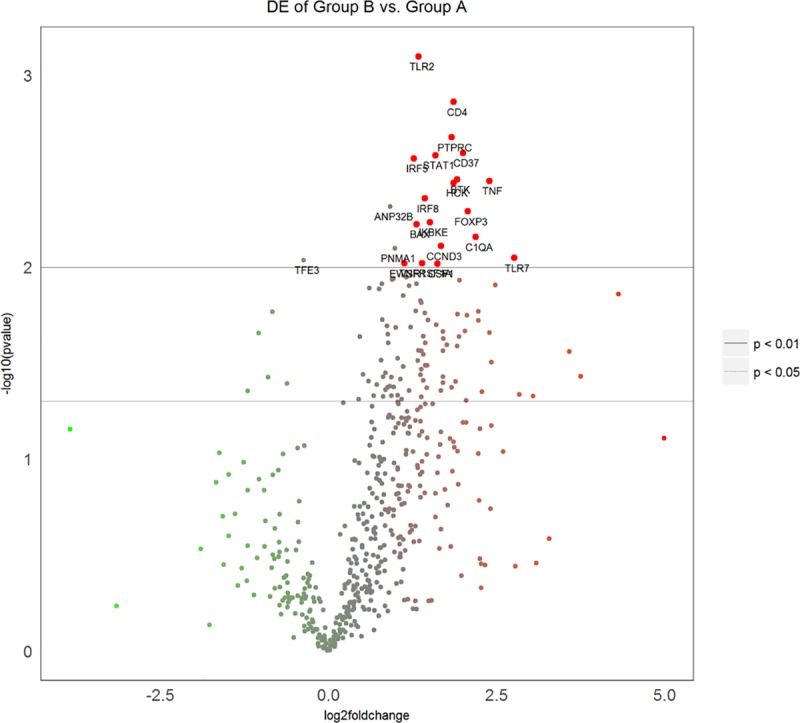
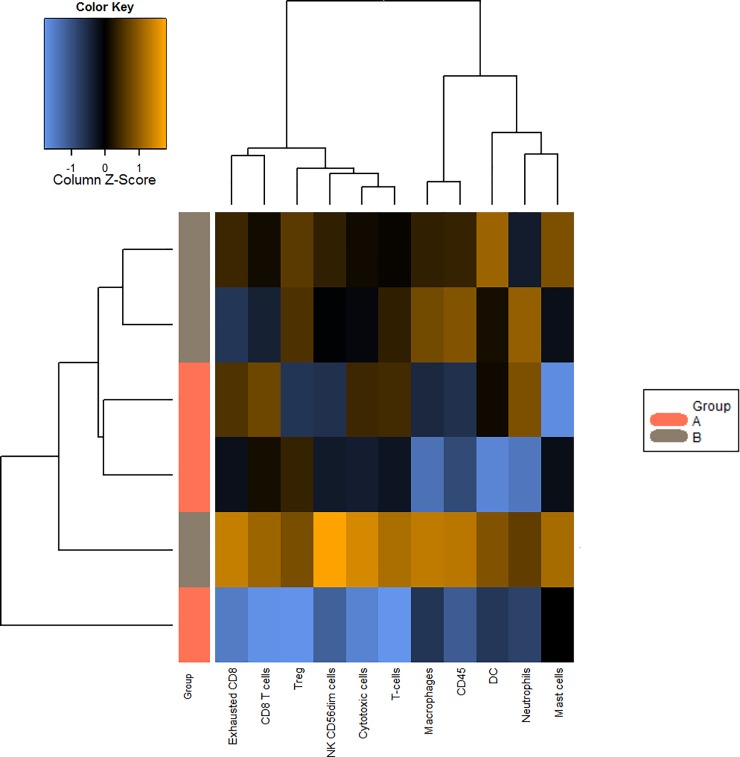
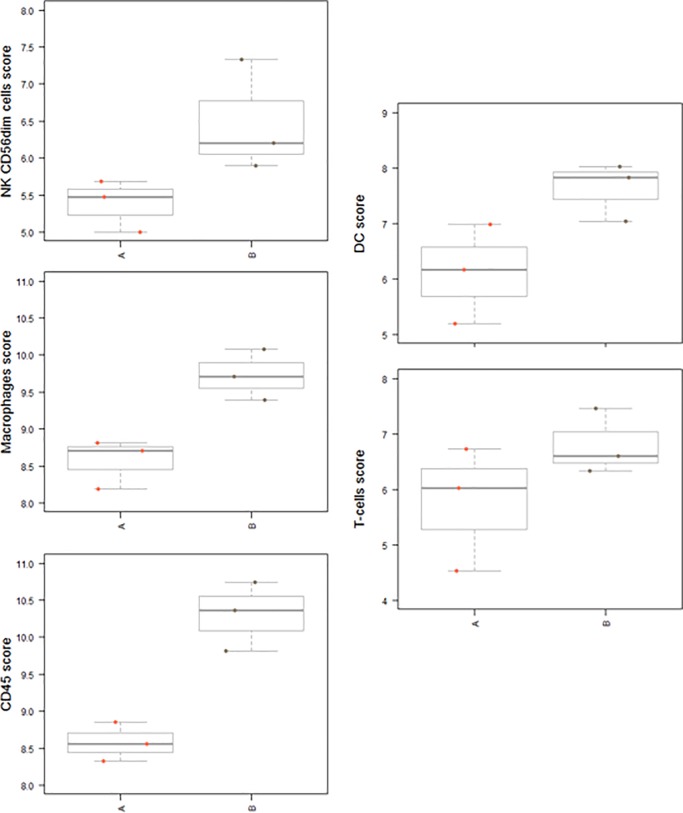
Twenty immune system genes were significantly differentially expressed in patients with a good prognosis relative to patients with a worse prognosis: TLR2 and TLR7 (Toll-like receptor superfamily); CD4, CD37, FOXP3, PTPRC (B cell and T cell signalling); IRF5, IRF8, STAT1, TFE3 (transcription factors); ANP32B, CCND3 (cell cycle); BTK (B cell development); TNF, TNFRF1A (TNF superfamily); HCK (leukocyte function); C1QA (complement system); BAX, PNMA1 (apoptosis); IKBKE (NFκB pathway). Differential expression was more than twice log 2 for TLR7, TNF, C1QA, FOXP3, and CD37.
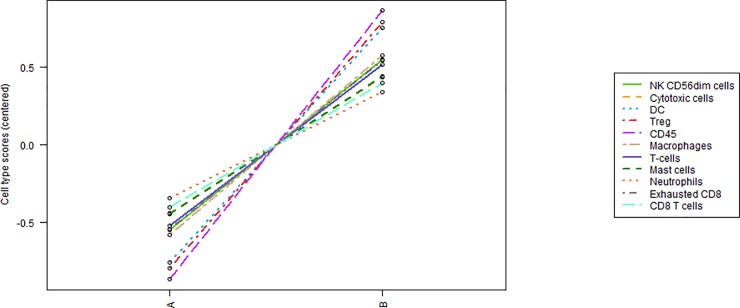
Tumour infiltrating lymphocytes were present at higher levels in samples from patients with better prognosis. Our findings indicate that tumour infiltrating lymphocyte levels and expression level of the immune system genes listed above influence pancreatic ductal adenocarcinoma prognosis. This information could be used to improve selection of best responders to immune inhibitors.
我们研究了胰腺导管腺癌患者的预后与肿瘤浸润淋巴细胞的存在和 521 个免疫系统基因的表达之间的相关性。
对 12 例接受胰十二指肠切除术的胰腺导管腺癌患者的肿瘤内 CD3+、CD8+和 CD20+淋巴细胞进行免疫组织化学检查。使用数字多路 NanoString nCounter 分析系统(NanoString Technologies,西雅图,WA,美国)将结果与基因表达谱相关联。
20 个免疫系统基因在预后较好的患者与预后较差的患者之间存在显著差异表达:TLR2 和 TLR7(Toll 样受体超家族);CD4、CD37、FOXP3、PTPRC(B 细胞和 T 细胞信号转导);IRF5、IRF8、STAT1、TFE3(转录因子);ANP32B、CCND3(细胞周期);BTK(B 细胞发育);TNF、TNFRF1A(TNF 超家族);HCK(白细胞功能);C1QA(补体系统);BAX、PNMA1(细胞凋亡);IKBKE(NFκB 通路)。TLR7、TNF、C1QA、FOXP3 和 CD37 的差异表达超过两倍对数 2。
预后较好的患者样本中肿瘤浸润淋巴细胞水平较高。我们的研究结果表明,肿瘤浸润淋巴细胞水平和上述免疫系统基因的表达水平影响胰腺导管腺癌的预后。这些信息可用于改善对免疫抑制剂最佳反应者的选择。