AbbVie Bioresearch Center, 381 Plantation Street, Worcester, MA, 01605, USA.
AbbVie Bioresearch Center, 100 Research Drive, Worcester, MA, 01605, USA.
BMC Mol Cell Biol. 2019 Aug 5;20(1):29. doi: 10.1186/s12860-019-0213-4.
CD40 is a 48 kDa type I transmembrane protein that is constitutively expressed on hematopoietic cells such as dendritic cells, macrophages, and B cells. Engagement of CD40 by CD40L expressed on T cells results in the production of proinflammatory cytokines, induces T helper cell function, and promotes macrophage activation. The involvement of CD40 in chronic immune activation has resulted in CD40 being proposed as a therapeutic target for a range of chronic inflammatory diseases. CD40 antagonists are currently being explored for the treatment of autoimmune diseases and several anti-CD40 agonist mAbs have entered clinical development for oncological indications.
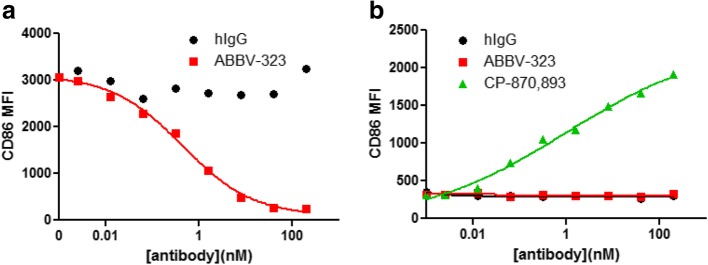
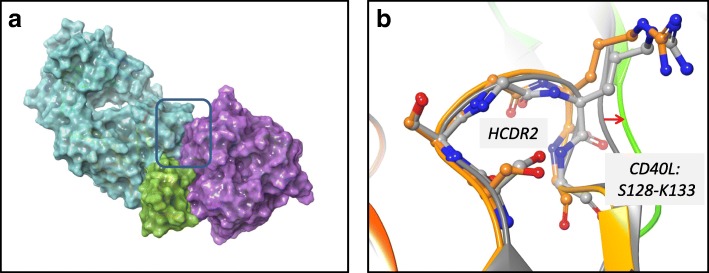
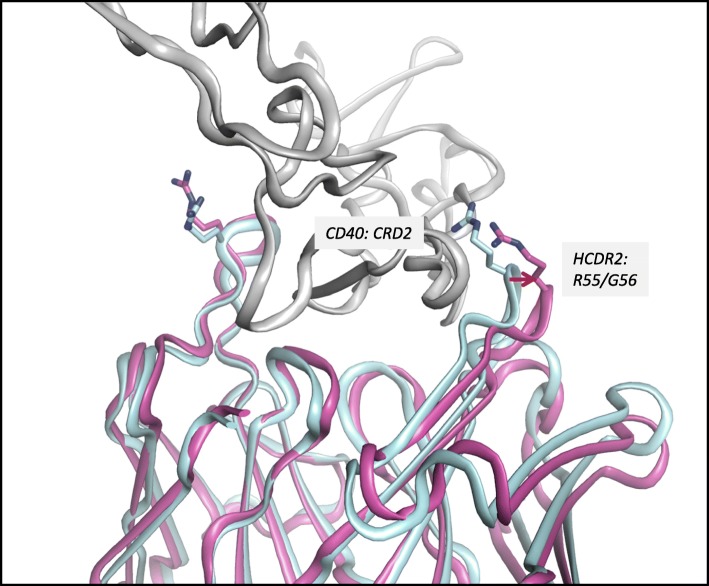
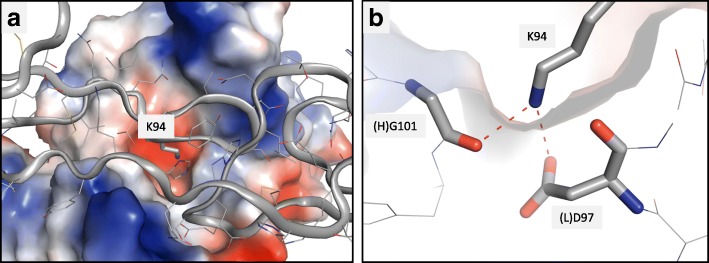
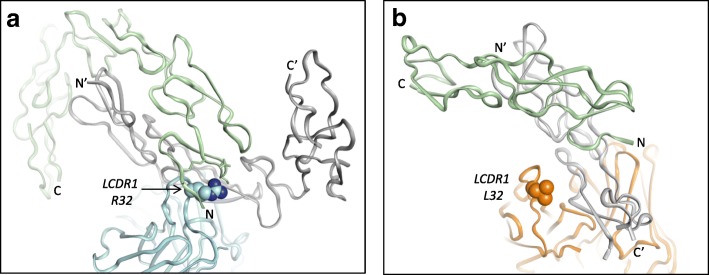
To better understand the mode of action of anti-CD40 mAbs, we have determined the x-ray crystal structures of the ABBV-323 (anti-CD40 antagonist, ravagalimab) Fab alone, ABBV-323 Fab complexed to human CD40 and FAB516 (anti-CD40 agonist) complexed to human CD40. These three crystals structures 1) identify the conformational CD40 epitope for ABBV-323 recognition 2) illustrate conformational changes which occur in the CDRs of ABBV-323 Fab upon CD40 binding and 3) develop a structural hypothesis for an agonist/antagonist switch in the LCDR1 of this proprietary class of CD40 antibodies.
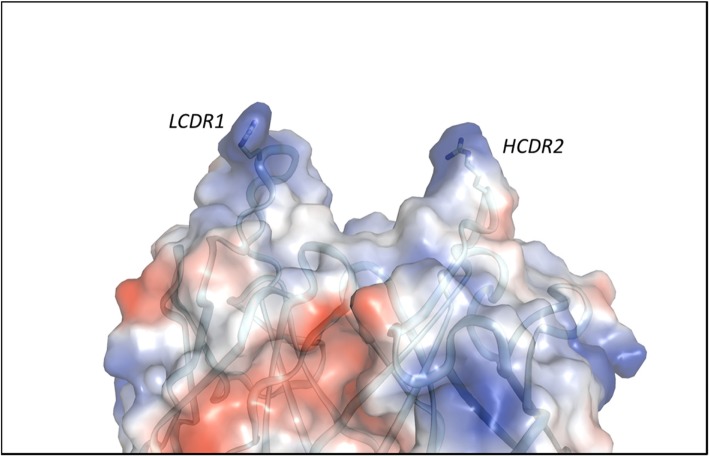
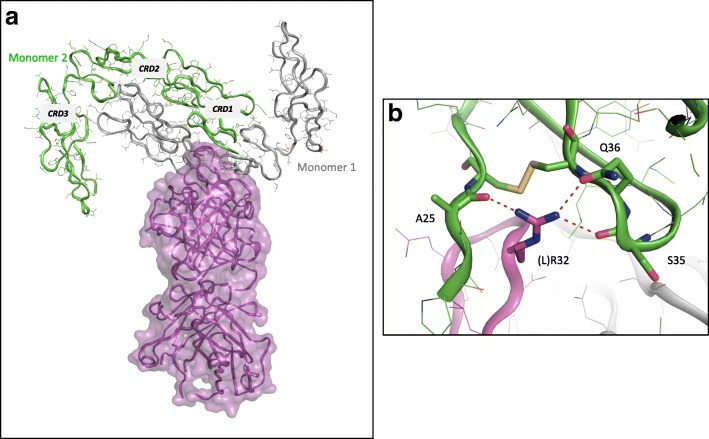
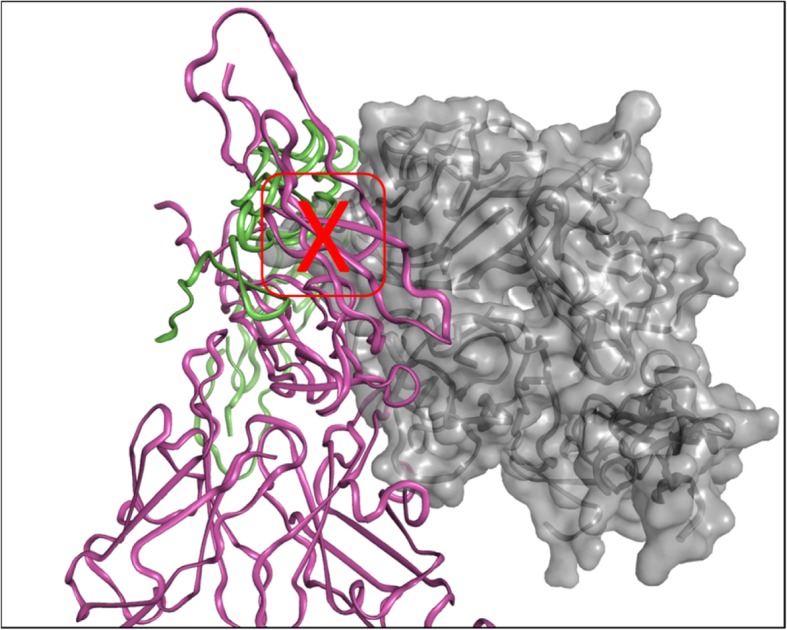
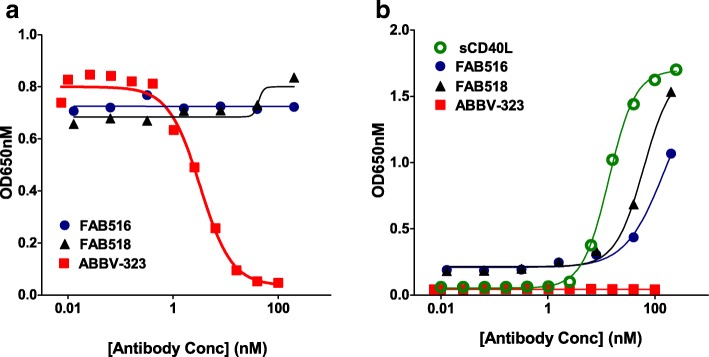
The structure of ABBV-323 Fab demonstrates a unique method for antagonism by stabilizing the proposed functional antiparallel dimer for CD40 receptor via novel contacts to LCDR1, namely residue position R32 which is further supported by a closely related agonist antibody FAB516 which shows only monomeric recognition and no contacts with LCDR1 due to a mutation to L32 on LCDR1. These data provide a structural basis for the full antagonist activity of ABBV-323.
CD40 是一种 48kDa 的 I 型跨膜蛋白,在树突状细胞、巨噬细胞和 B 细胞等造血细胞中持续表达。T 细胞上表达的 CD40L 与 CD40 结合会导致促炎细胞因子的产生,诱导辅助性 T 细胞功能,并促进巨噬细胞的激活。CD40 在慢性免疫激活中的参与导致 CD40 被提议作为一系列慢性炎症性疾病的治疗靶点。目前正在探索 CD40 拮抗剂用于治疗自身免疫性疾病,并且几种抗 CD40 激动型 mAb 已进入肿瘤适应证的临床开发。
为了更好地了解抗 CD40 mAb 的作用机制,我们确定了 ABBV-323(抗 CD40 拮抗剂,ravagalimab)Fab 单体、与人类 CD40 结合的 ABBV-323 Fab 复合物以及与人类 CD40 结合的 FAB516(抗 CD40 激动型 mAb)复合物的 X 射线晶体结构。这三个晶体结构 1)确定了 ABBV-323 识别的 CD40 表位构象,2)说明了 ABBV-323 Fab 中 CDR 发生的构象变化,3)为该类 CD40 抗体中 LCDR1 激动剂/拮抗剂转换提出了结构假设。
ABBV-323 Fab 的结构表明了一种通过稳定 CD40 受体的功能性反平行二聚体来拮抗的独特方法,这种方法通过与 LCDR1 的新接触来实现,特别是残基位置 R32,这一假设得到了具有密切相关的激动型抗体 FAB516 的支持,由于 LCDR1 上的 L32 突变,该抗体仅表现出单体识别,与 LCDR1 没有接触。这些数据为 ABBV-323 的完全拮抗剂活性提供了结构基础。