Maleki Ali, Niksefat Maryam, Rahimi Jamal, Hajizadeh Zoleikha
Catalysts and Organic Synthesis Research Laboratory, Department of Chemistry, Iran University of Science and Technology, Tehran, 16846-13114 Iran.
BMC Chem. 2019 Feb 4;13(1):19. doi: 10.1186/s13065-019-0538-2. eCollection 2019 Dec.
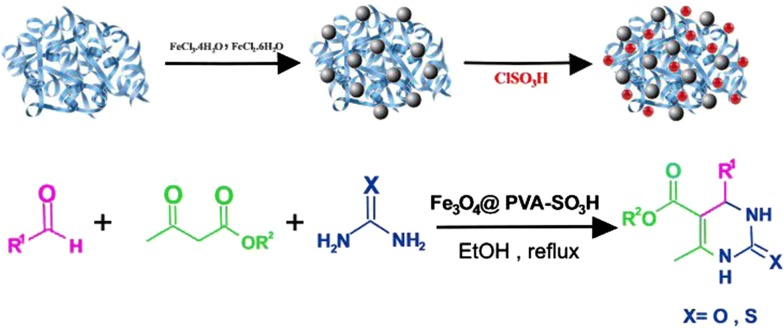
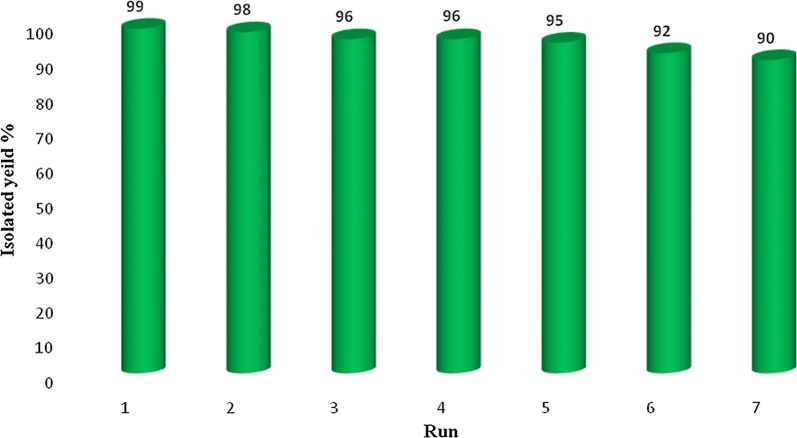
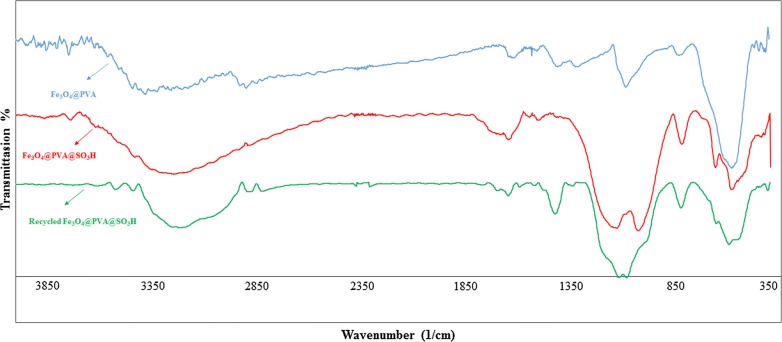
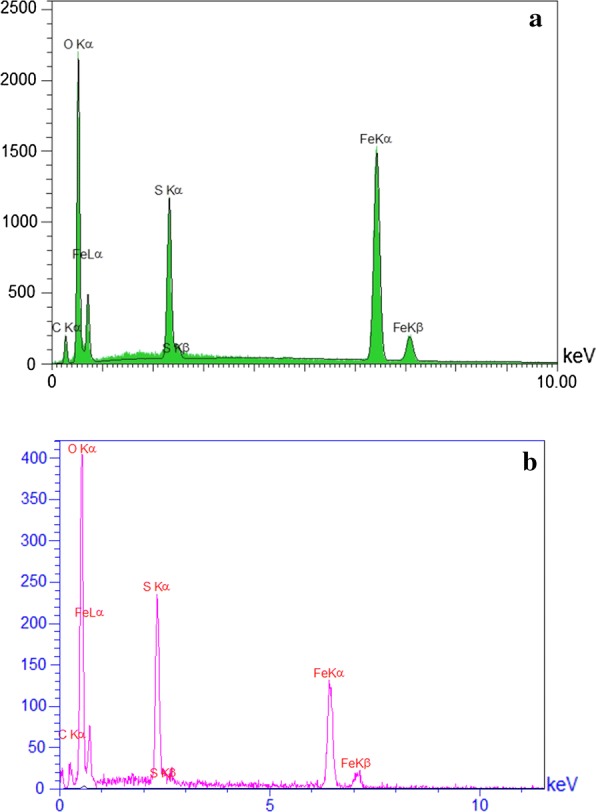
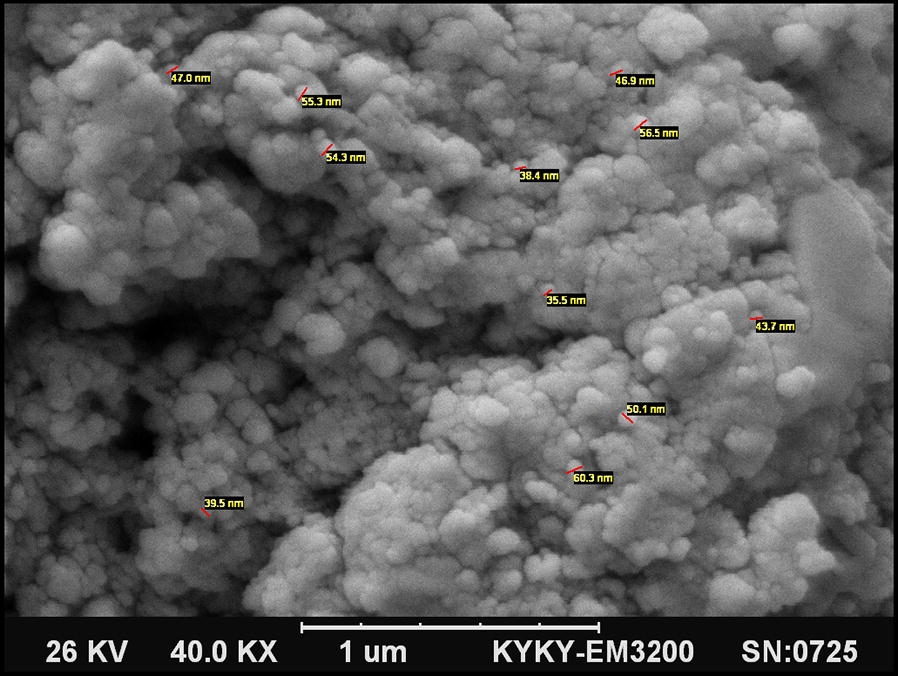
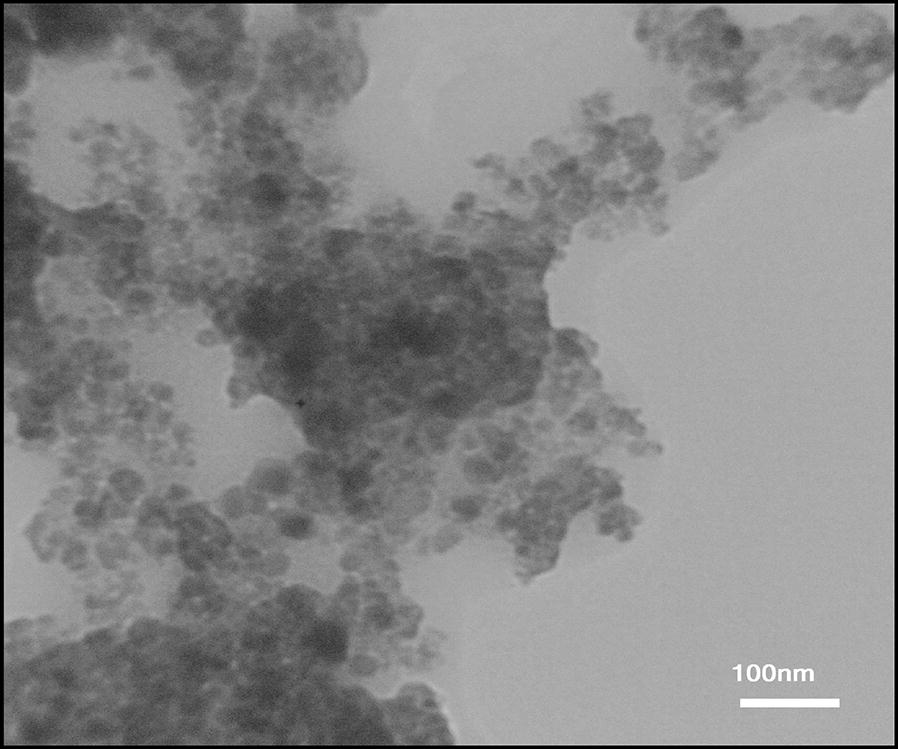
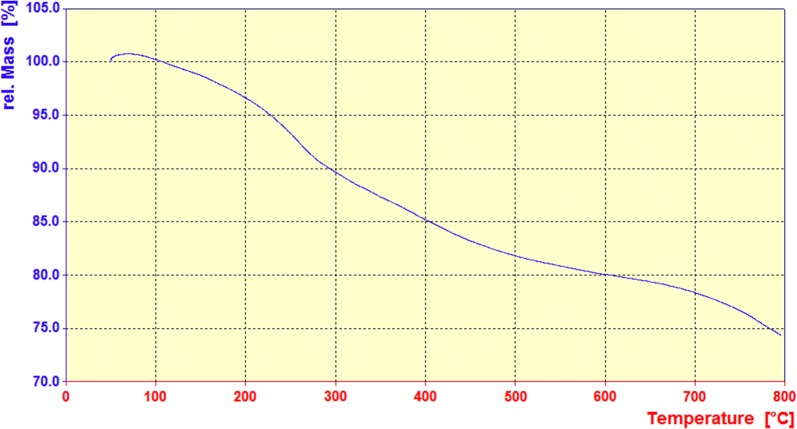
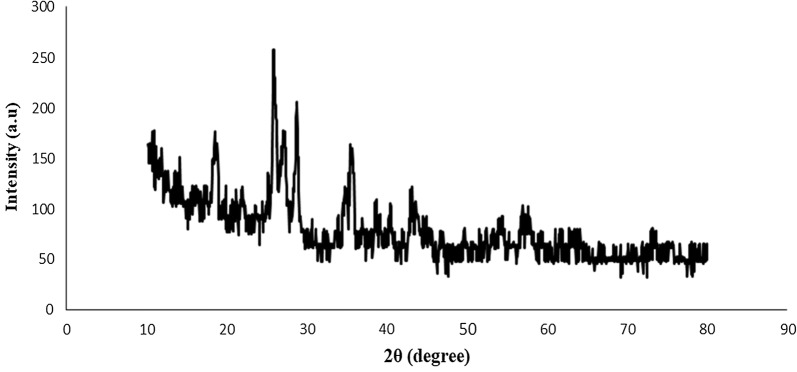
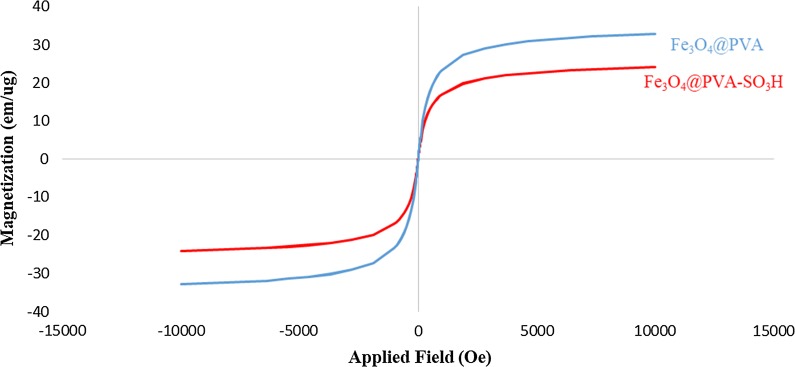
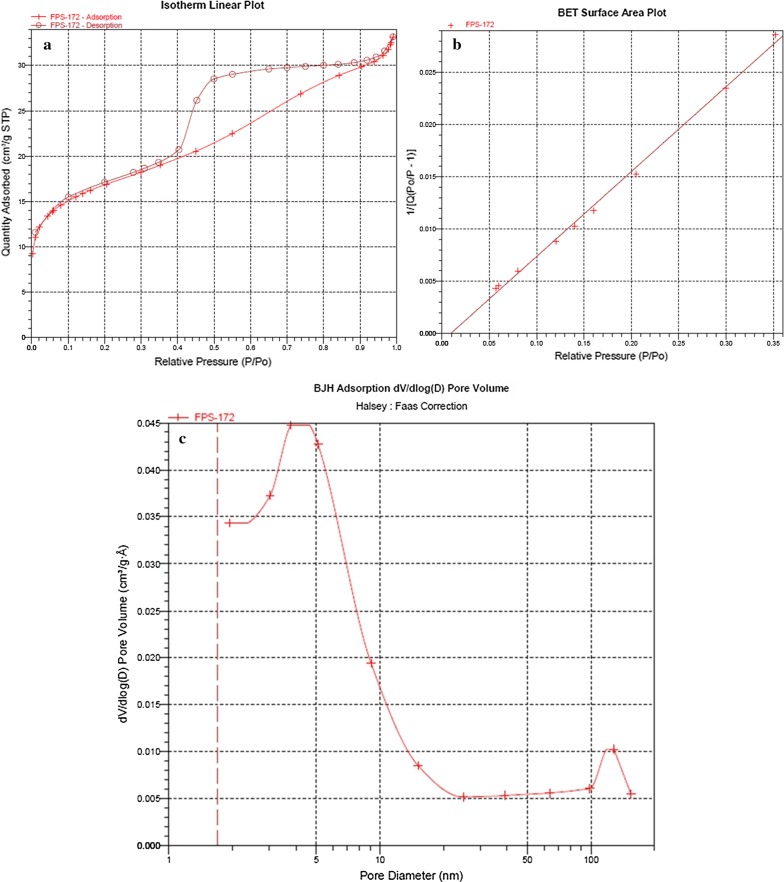
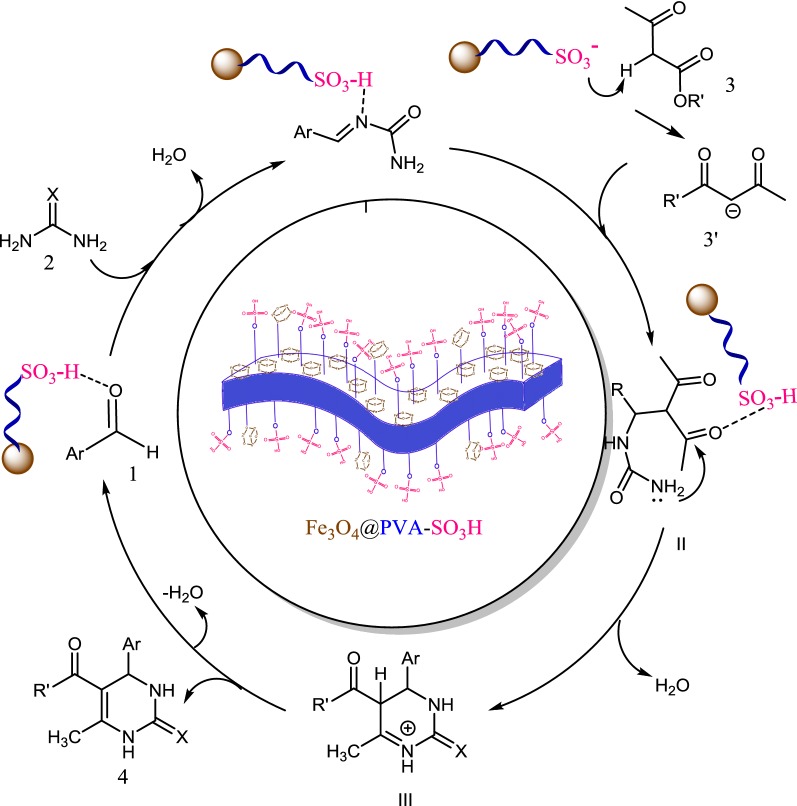
For the first time, the design and preparation of magnetic polyvinyl alcohol (FeO@PVA) nanocomposite film as a novel nanocatalyst was accomplished by in situ precipitation method. To enhance the catalysis activity, the surface modification of this nanocomposite was carried out by sulfonic acid. After the synthesis of this nanocomposite film, Fourier-transform infrared (FT-IR) spectroscopy, energy-dispersive X-ray (EDX) analysis, field-emission scanning electron microscopy (FE-SEM), transmission electron microscopy (TEM) images, X-ray diffraction (XRD) pattern, N adsorption-desorption by Brunauer-Emmett-Teller (BET), thermogravimetric analysis (TGA) and vibrating sample magnetometer (VSM) were utilized to confirm the structure of the nanocomposite. The catalytic activity of FeO@PVA was investigated by the synthesis of dihydropyrimidine derivatives from an aldehyde, ß-ketoester and urea or thiourea. This heterogeneous nanocatalyst can be easily separated by an external magnet and reused for several times without any significant loss of activity. Simple work-up, mild reaction conditions and easily recoverable catalyst are the advantageous of this nanocomposite film.
首次通过原位沉淀法完成了磁性聚乙烯醇(FeO@PVA)纳米复合膜作为新型纳米催化剂的设计与制备。为提高催化活性,采用磺酸对该纳米复合材料进行了表面改性。合成该纳米复合膜后,利用傅里叶变换红外(FT-IR)光谱、能量色散X射线(EDX)分析、场发射扫描电子显微镜(FE-SEM)、透射电子显微镜(TEM)图像、X射线衍射(XRD)图谱、布鲁诺尔-埃米特-特勒(BET)法氮吸附-脱附、热重分析(TGA)和振动样品磁强计(VSM)来确认纳米复合材料的结构。通过由醛、β-酮酯和尿素或硫脲合成二氢嘧啶衍生物来研究FeO@PVA的催化活性。这种多相纳米催化剂可通过外部磁铁轻松分离,并可重复使用多次而活性无任何显著损失。操作简单、反应条件温和且催化剂易于回收是这种纳米复合膜的优点。