Liu Tong, Qiu Chao, Ben Chi, Li Haihang, Zhu Shihui
Department of Burn Surgery, Institute of Burns, The First Affiliated Hospital, Naval Medical University, Shanghai, 200433 China.
Emergency Department, The First Affiliated Hospital, Naval Medical University, Shanghai, 200433 China.
Burns Trauma. 2019 Aug 13;7:19. doi: 10.1186/s41038-019-0157-0. eCollection 2019.
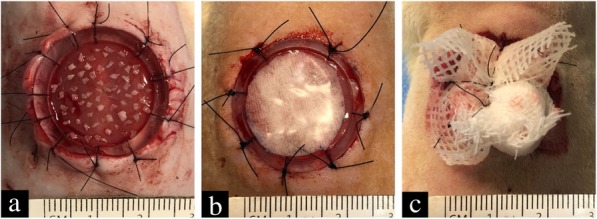
Split-thickness skin grafting is the current gold standard for the treatment of traumatic skin loss. However, for patients with extensive burns, split-thickness skin grafting is limited by donor skin availability. Grafting split-thickness skin minced into micrografts increases the expansion ratio but may reduce wound repair quality. Dermal substitutes such as Pelnac can enhance the healing of full-thickness skin wounds, but their application currently requires two surgeries. The present study investigated whether it is possible to repair full-thickness skin defects and improve wound healing quality in a single surgery using Pelnac as an overlay of minced split-thickness skin grafts in a rat model.
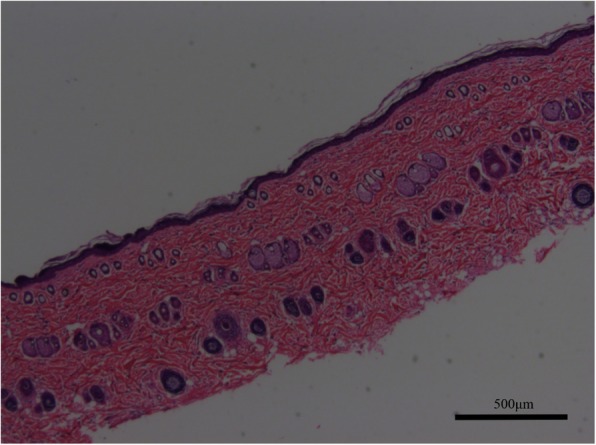
A full-thickness skin defect model was established using male Sprague-Dawley rats of 10 weeks old. The animals were randomly divided into control and experimental groups in which Vaseline gauze and Pelnac, respectively, were overlaid on minced split-thickness skin grafts to repair the defects. Wound healing rate and quality were compared between the two groups. For better illustration of the quality of wound healing, some results were compared with those obtained for normal skin of rats.
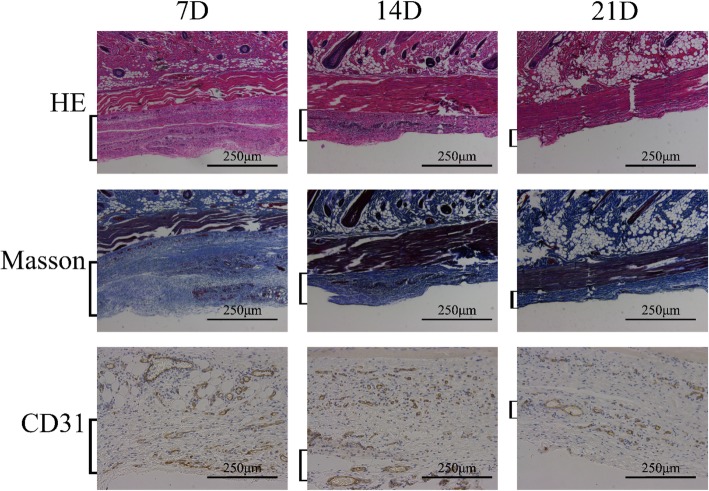
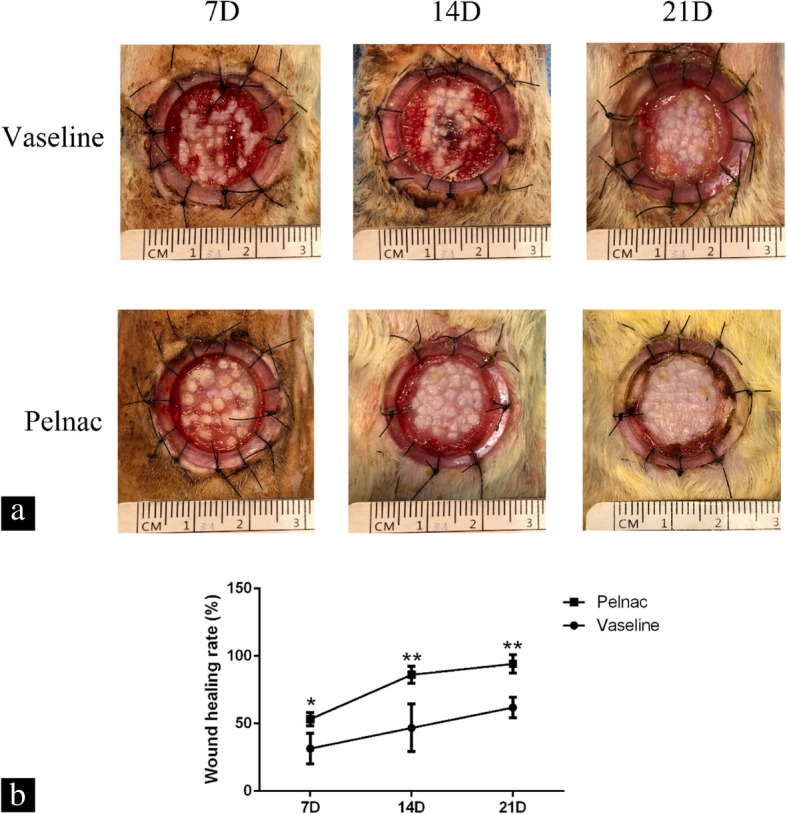
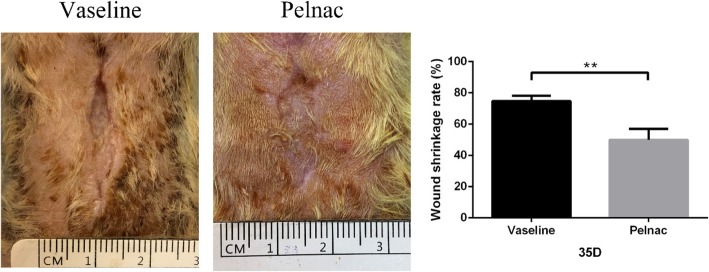
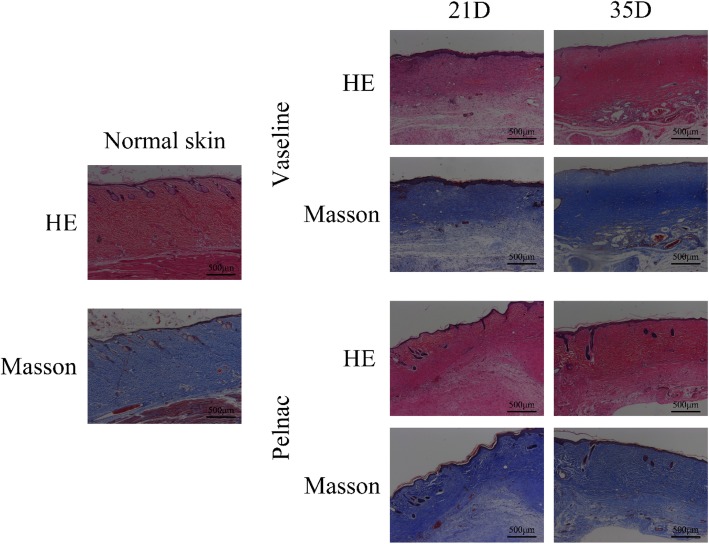
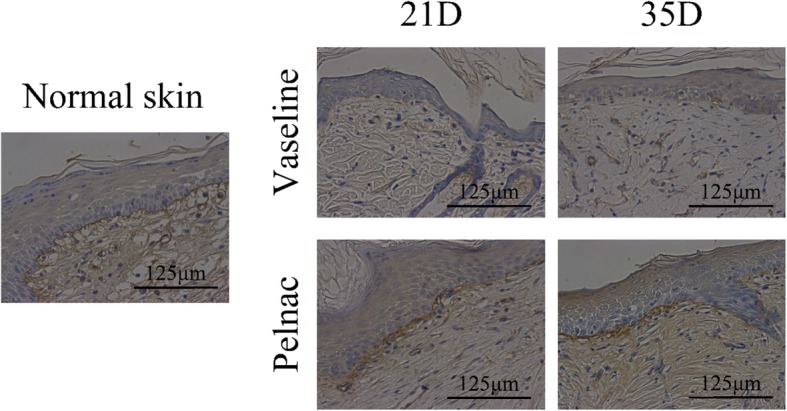
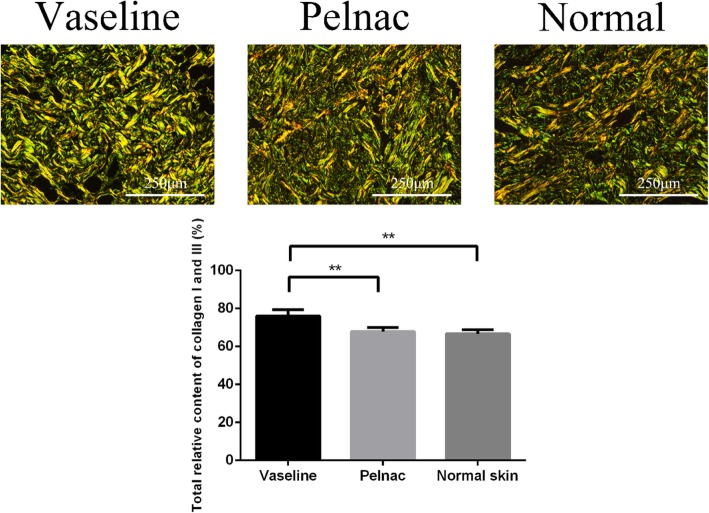
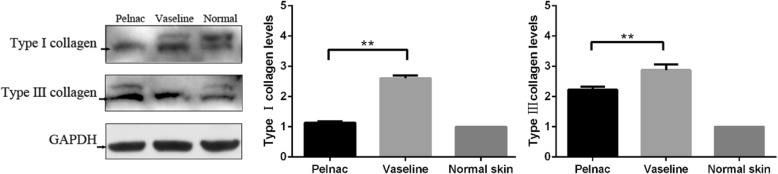
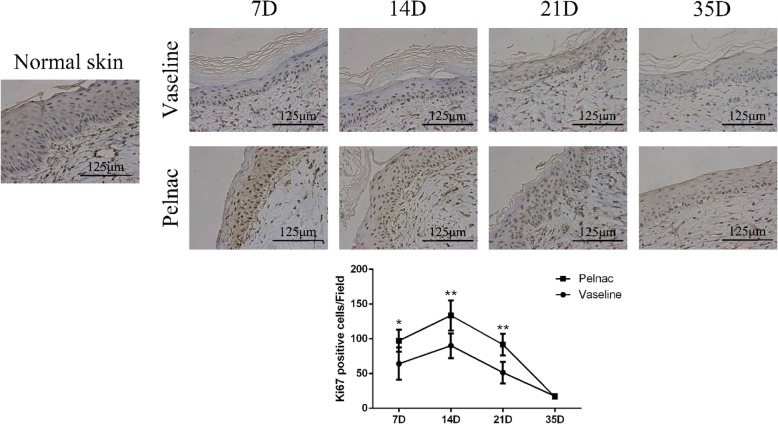
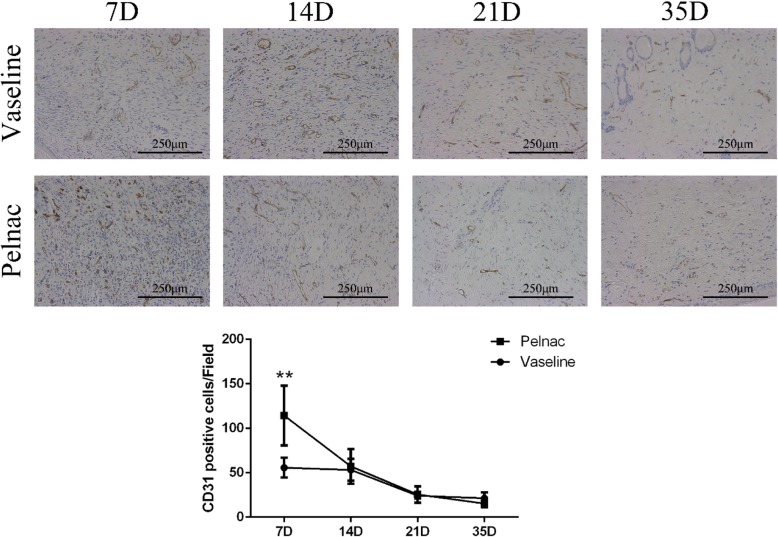
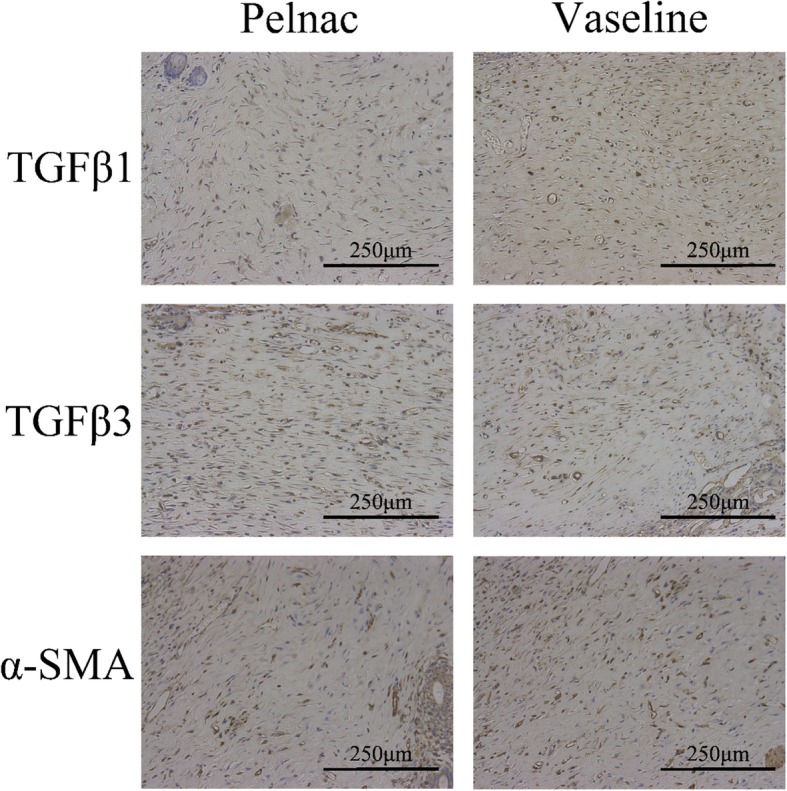
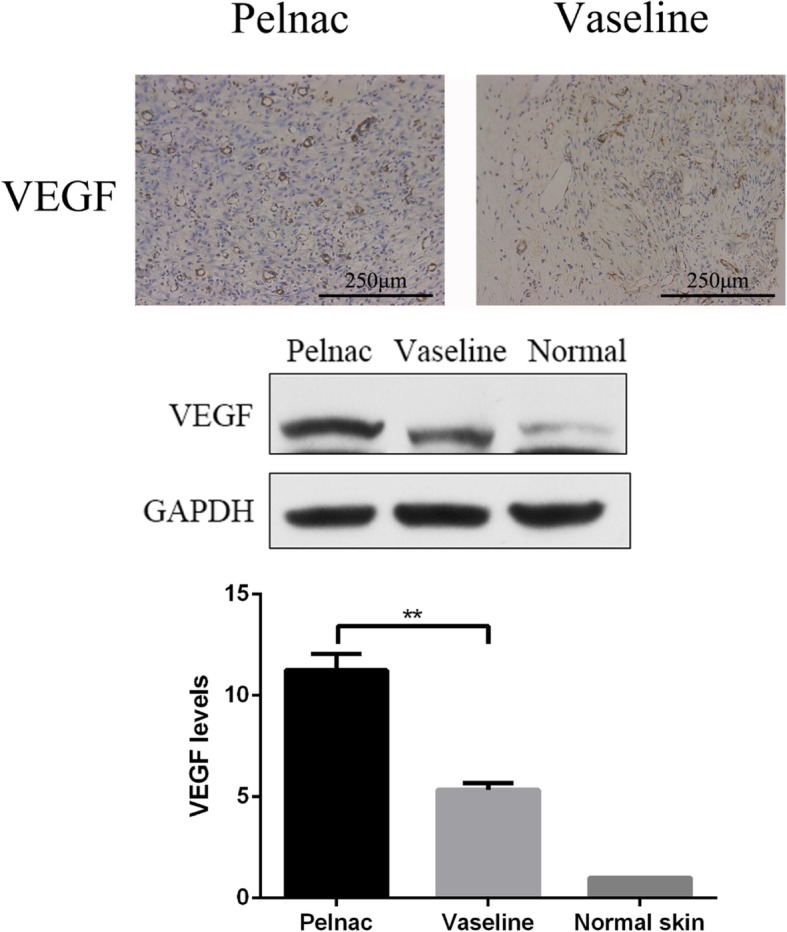
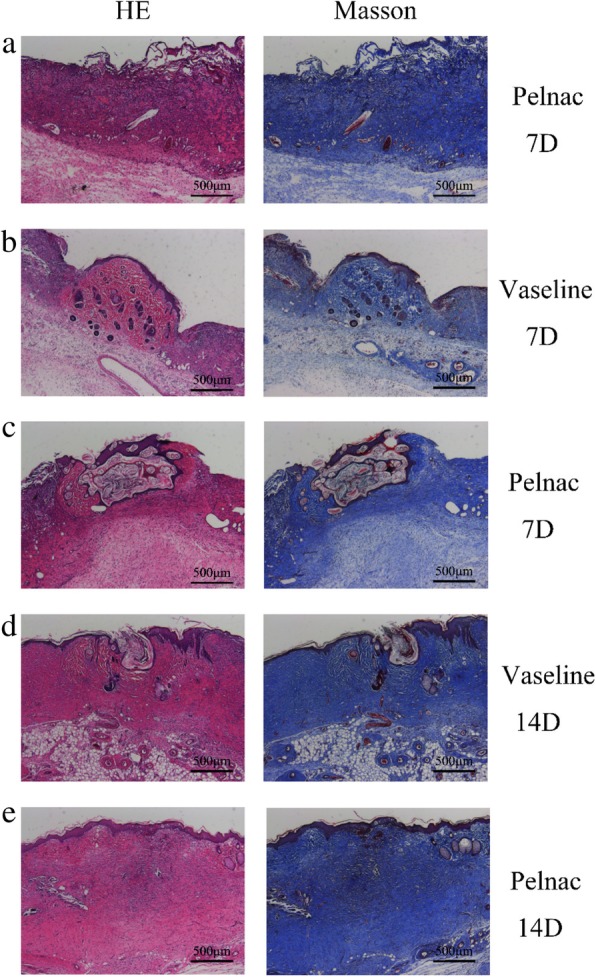
We found that using Pelnac as an overlay for minced split-thickness skin grafts accelerated wound closure and stimulated cell proliferation and tissue angiogenesis. In addition, this approach enhanced collagen synthesis and increased the formation of basement membrane and dermis as well as the expression of growth factors related to wound healing while reducing scar formation.
Using minced split-thickness skin grafts overlaid with Pelnac enables the reconstruction of full-thickness skin defects in a single step and can increase the healing rate while improving the quality of wound healing.
断层皮片移植是目前治疗创伤性皮肤缺损的金标准。然而,对于大面积烧伤患者,断层皮片移植受供皮可用性的限制。将断层皮片切碎成微小皮片进行移植可提高扩张率,但可能会降低伤口修复质量。诸如Pelnac等真皮替代物可促进全层皮肤伤口的愈合,但目前其应用需要进行两次手术。本研究在大鼠模型中探究了使用Pelnac作为切碎的断层皮片移植的覆盖物,是否有可能在一次手术中修复全层皮肤缺损并提高伤口愈合质量。
使用10周龄的雄性Sprague-Dawley大鼠建立全层皮肤缺损模型。将动物随机分为对照组和实验组,分别用凡士林纱布和Pelnac覆盖切碎的断层皮片以修复缺损。比较两组的伤口愈合率和质量。为了更好地说明伤口愈合质量,将一些结果与大鼠正常皮肤的结果进行了比较。
我们发现,使用Pelnac作为切碎的断层皮片移植的覆盖物可加速伤口闭合,刺激细胞增殖和组织血管生成。此外,这种方法可增强胶原蛋白合成,增加基底膜和真皮的形成以及与伤口愈合相关的生长因子的表达,同时减少瘢痕形成。
使用覆盖有Pelnac的切碎的断层皮片移植能够一步重建全层皮肤缺损,可提高愈合率并改善伤口愈合质量。