• 文献检索
  • 文档翻译
  • 深度研究
  • 学术资讯
  • Suppr Zotero 插件Zotero 插件
  • 邀请有礼
  • 套餐&价格
  • 历史记录
应用&插件
Suppr Zotero 插件Zotero 插件浏览器插件Mac 客户端Windows 客户端微信小程序
定价
高级版会员购买积分包购买API积分包
服务
文献检索文档翻译深度研究API 文档MCP 服务
关于我们
关于 Suppr公司介绍联系我们用户协议隐私条款
关注我们

Suppr 超能文献

核心技术专利:CN118964589B侵权必究
粤ICP备2023148730 号-1Suppr @ 2026

文献检索

告别复杂PubMed语法,用中文像聊天一样搜索,搜遍4000万医学文献。AI智能推荐,让科研检索更轻松。

立即免费搜索

文件翻译

保留排版,准确专业,支持PDF/Word/PPT等文件格式,支持 12+语言互译。

免费翻译文档

深度研究

AI帮你快速写综述,25分钟生成高质量综述,智能提取关键信息,辅助科研写作。

立即免费体验

使用环氧乙烷气体灭菌来终止与十二指肠镜相关的多重耐药细菌暴发。

Use of ethylene-oxide gas sterilisation to terminate multidrug-resistant bacterial outbreaks linked to duodenoscopes.

作者信息

Muscarella Lawrence F

机构信息

LFM Healthcare Solutions, LLC, Montgomeryville, Pennsylvania, USA.

出版信息

BMJ Open Gastroenterol. 2019 Aug 5;6(1):e000282. doi: 10.1136/bmjgast-2019-000282. eCollection 2019.

DOI:10.1136/bmjgast-2019-000282
PMID:31423318
原文链接:https://pmc.ncbi.nlm.nih.gov/articles/PMC6688681/
Abstract

BACKGROUND

Cleaning and high-level disinfection have been the standard in the USA and other countries for reprocessing flexible endoscopes, including duodenoscopes and other types of gastrointestinal endoscopes. For decades, this practice has been a cornerstone for infection prevention in the endoscopic setting. However, amid recent reports associating the use of duodenoscopes with infections and outbreaks of carbapenem-resistant (CRE) and related multidrug-resistant organisms (MDROs), reasonable questions about the adequacy of current practices for reprocessing duodenoscopes have emerged.

OBJECTIVES

To review and evaluate the adequacy of current reprocessing practices for preventing duodenoscopes from transmitting CRE and related MDROs.

METHODS

The MEDLINE/PubMed database was searched to identify published cases associating confirmed (or suspected) infections of CRE or a related MDRO with exposure to a duodenoscope since 2012, when duodenoscopes became a recognised risk factor for the transmission of CRE. The Internet was also searched to identify news articles and other reports documenting eligible cases occurring during this same timeframe but not identified during the MEDLINE database's search. The Food and Drug Administration's (FDA) medical device database was queried to identify regulatory reports describing these same types of cases, also recorded since 2012. The clinical and reprocessing details of each eligible case were reviewed to identify (when possible): (a) the reprocessing method (e.g., high-level disinfection) performed at the time of the infections, (b) whether the facility's compliance with the manufacturer's reprocessing instructions was confirmed, and (c) the measure(s) or corrective action(s) the facility implemented to prevent additional multidrug-resistant infections.

RESULTS

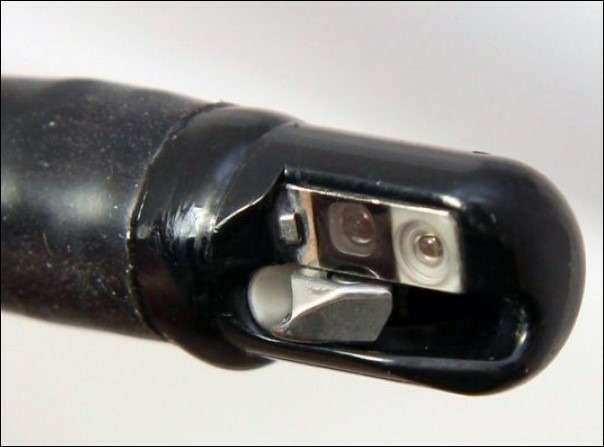
Seventeen cases in the USA and six in other countries (primarily Europe) associating infections (and colonizations) of CRE or a related MDRO with exposure to a duodenoscope were reviewed. Fourteen of these 23 outbreaks were caused by CRE, and six by a related MDRO. Two of these six latter cases identified carrying the gene as the pathogen. For 12 of these 23 cases, it was reported or implied that the duodenoscope was being high-level disinfected at the time of the infections, consistent with published guidelines. For the remaining 11 cases, the associated report(s) did not clearly identify how the duodenoscope was being reprocessed at the time of the infections (although it may be reasonably concluded that at least some, if not all, of these 11 cases involved high-level disinfection).Further, eight of the 23 cases reported the duodenoscope was being reprocessed in accordance with the manufacturer's instructions for use (and professional guidelines) at the time of the infections. Seven of the cases discussed the design of the duodenoscope (eg, the forceps elevator mechanism) in the context of reprocessing and the infections. Three of the cases identified one or more reprocessing lapses, including inadequate cleaning, delayed reprocessing and improper drying and/or storage of the duodenoscope. Most of these 23 cases were associated with exposure to a duodenoscope model featuring a sealed elevator-wire channel. Six of the cases reported adopting (or in one case supplementing high-level disinfection with) ethylene oxide (EO) gas sterilisation of the duodenoscope, with at least three reporting this measure terminated the outbreak. Other measures adopted to prevent additional infections included removing the implicated duodenoscope from use, re-training staff about proper cleaning, microbiological culturing of the duodenoscope and returning the duodenoscope to the manufacturer for evaluation, maintenance and/or repair.

CONCLUSIONS

This study's findings suggest current reprocessing practices may not always be sufficiently effective to prevent a duodenoscope from transmitting CRE and related MDROs, at least in some circumstances including an outbreak setting. Factors this review identifed that may contribute to the device remaining contaminated after reprocessing include the device's design; breaches of recommended reprocessing guidelines (eg, inadequate manual cleaning, delayed reprocessing or improper device storage); damage to the device; lacking servicing, maintenance or repair; and/or the presence of biofilms. Measures that can mitigate the impact of these and other reprocessing challenges and reduce, if not eliminate, the risk of transmission of CRE or a related MDRO by a duodenoscope include the use of EO gas sterilization (or another comparably effective process or method). In 2015, the FDA suggested healthcare facilities consider performing at least one of four supplemental measures, which include EO gas sterilisation, to improve the effectiveness of duodenoscope reprocessing. Whether the FDA and Centers for Disease Control and Prevention might reclassify duodenoscopes as devices requiring sterilisation is currently unresolved.
https://cdn.ncbi.nlm.nih.gov/pmc/blobs/4ff6/6688681/9c342e6cdad6/bmjgast-2019-000282f01.jpg
摘要

背景

在美国和其他国家,清洗和高水平消毒一直是软性内镜(包括十二指肠镜和其他类型的胃肠道内镜)再处理的标准方法。几十年来,这种做法一直是内镜诊疗环境中预防感染的基石。然而,最近有报道将十二指肠镜的使用与碳青霉烯类耐药肠杆菌科细菌(CRE)及相关多重耐药菌(MDROs)的感染和暴发联系起来,由此引发了对当前十二指肠镜再处理方法是否充分的合理质疑。

目的

回顾和评估当前十二指肠镜再处理方法在预防CRE及相关MDROs传播方面的充分性。

方法

检索MEDLINE/PubMed数据库,以识别自2012年以来已发表的将确诊(或疑似)的CRE或相关MDRO感染与十二指肠镜暴露相关联的病例,自2012年起,十二指肠镜成为CRE传播的一个公认风险因素。同时检索互联网,以识别在此期间发生的符合条件但未在MEDLINE数据库检索中发现的新闻文章和其他报告。查询美国食品药品监督管理局(FDA)的医疗器械数据库,以识别自2012年以来记录的描述这些相同类型病例的监管报告。对每个符合条件的病例的临床和再处理细节进行审查,以(尽可能)确定:(a)感染发生时所采用的再处理方法(如高水平消毒);(b)该机构是否遵守制造商的再处理说明;(c)该机构为防止更多多重耐药感染而采取的措施或纠正行动。

结果

对美国的17例以及其他国家(主要是欧洲)的6例将CRE或相关MDRO感染(和定植)与十二指肠镜暴露相关联的病例进行了审查。这23起暴发中有14起由CRE引起,6起由相关MDRO引起。后6例中有2例确定携带该基因作为病原体。在这23例病例中的其中12例中,报告或暗示在感染发生时十二指肠镜正在进行高水平消毒,这与已发表的指南一致。对于其余11例病例,相关报告未明确说明在感染发生时十二指肠镜是如何进行再处理的(尽管可以合理推断这11例病例中至少有一些(如果不是全部)涉及高水平消毒)。此外,23例病例中有8例报告在感染发生时十二指肠镜是按照制造商的使用说明(和专业指南)进行再处理的。7例病例在再处理和感染的背景下讨论了十二指肠镜的设计(如钳道提升机构)。3例病例发现了一个或多个再处理失误,包括清洁不充分、再处理延迟以及十二指肠镜干燥和/或储存不当。这23例病例中的大多数与接触具有密封升降线通道的十二指肠镜型号有关。6例病例报告采用了环氧乙烷(EO)气体灭菌(或在1例中用其补充高水平消毒)对十二指肠镜进行处理,其中至少3例报告该措施终止了暴发。为防止更多感染而采取的其他措施包括停用有问题的十二指肠镜、对工作人员进行正确清洁的再培训、对十二指肠镜进行微生物培养以及将十二指肠镜返回给制造商进行评估、维护和/或维修。

结论

本研究结果表明,至少在某些情况下(包括暴发情况),当前的再处理方法可能并不总是足以有效防止十二指肠镜传播CRE和相关MDROs。本综述确定的可能导致设备在再处理后仍被污染的因素包括设备设计;违反推荐的再处理指南(如人工清洁不充分、再处理延迟或设备储存不当);设备损坏;缺乏维护、保养或修理;和/或生物膜的存在。可以减轻这些及其他再处理挑战的影响并降低(如果不能消除)十二指肠镜传播CRE或相关MDRO风险的措施包括使用EO气体灭菌(或另一种同等有效的工艺或方法)。2015年,FDA建议医疗机构考虑采取四项补充措施中的至少一项,其中包括EO气体灭菌,以提高十二指肠镜再处理的有效性。FDA和疾病控制与预防中心是否会将十二指肠镜重新分类为需要灭菌的设备目前尚无定论。

相似文献

1
Use of ethylene-oxide gas sterilisation to terminate multidrug-resistant bacterial outbreaks linked to duodenoscopes.使用环氧乙烷气体灭菌来终止与十二指肠镜相关的多重耐药细菌暴发。
BMJ Open Gastroenterol. 2019 Aug 5;6(1):e000282. doi: 10.1136/bmjgast-2019-000282. eCollection 2019.
2
Bronchoscope-Related "Superbug" Infections.支气管镜相关“超级细菌”感染。
Chest. 2020 Feb;157(2):454-469. doi: 10.1016/j.chest.2019.08.003. Epub 2019 Aug 14.
3
Risk of transmission of carbapenem-resistant Enterobacteriaceae and related "superbugs" during gastrointestinal endoscopy.碳青霉烯类耐药肠杆菌科细菌及相关“超级细菌”在胃肠内镜检查期间的传播风险。
World J Gastrointest Endosc. 2014 Oct 16;6(10):457-74. doi: 10.4253/wjge.v6.i10.457.
4
Impact of ethylene oxide gas sterilization of duodenoscopes after a carbapenem-resistant Enterobacteriaceae outbreak.耐碳青霉烯类肠杆菌科细菌暴发后十二指肠镜环氧乙烷气体灭菌的影响
Gastrointest Endosc. 2016 Aug;84(2):259-62. doi: 10.1016/j.gie.2016.01.055. Epub 2016 Feb 5.
5
Duodenoscope reprocessing practice patterns in U.S. endoscopy centers: a survey study.美国内镜中心十二指肠镜再处理实践模式:一项调查研究。
Gastrointest Endosc. 2018 Aug;88(2):316-322.e2. doi: 10.1016/j.gie.2018.04.2340. Epub 2018 Apr 21.
6
New Delhi metallo-β-lactamase-producing carbapenem-resistant Escherichia coli associated with exposure to duodenoscopes.新德里金属β-内酰胺酶产生的碳青霉烯类耐药大肠埃希菌与十二指肠镜暴露有关。
JAMA. 2014 Oct 8;312(14):1447-55. doi: 10.1001/jama.2014.12720.
7
Independent root-cause analysis of contributing factors, including dismantling of 2 duodenoscopes, to investigate an outbreak of multidrug-resistant Klebsiella pneumoniae.独立根因分析致病因素,包括 2 台十二指肠镜的拆卸,以调查一起多重耐药肺炎克雷伯菌暴发事件。
Gastrointest Endosc. 2019 Nov;90(5):793-804. doi: 10.1016/j.gie.2019.05.016. Epub 2019 May 15.
8
Current Issues in Duodenoscope-Associated Infections: Now Is the Time to Take Action.十二指肠镜相关感染的当前问题:现在是采取行动的时候了。
Clin Endosc. 2015 Sep;48(5):361-3. doi: 10.5946/ce.2015.48.5.361. Epub 2015 Sep 30.
9
Rate and impact of duodenoscope contamination: A systematic review and meta-analysis.十二指肠镜污染的发生率及影响:一项系统评价与荟萃分析。
EClinicalMedicine. 2020 Jul 15;25:100451. doi: 10.1016/j.eclinm.2020.100451. eCollection 2020 Aug.
10
Current Practice of Duodenoscope Reprocessing.十二指肠镜再处理的当前实践。
Curr Gastroenterol Rep. 2016 Oct;18(10):54. doi: 10.1007/s11894-016-0528-7.

引用本文的文献

1
Current management status of cleaning and disinfection for gastrointestinal endoscopy: a meta-analysis.当前胃肠内镜清洗消毒管理现状的荟萃分析。
Sci Rep. 2024 Nov 8;14(1):27238. doi: 10.1038/s41598-024-79143-2.
2
Cold Atmospheric Pressure Plasma Solutions for Sustainable Food Packaging.冷等离体氛围解决方案于可持续食物包装。
Int J Mol Sci. 2024 Jun 17;25(12):6638. doi: 10.3390/ijms25126638.
3
Performance of a single-use gastroscope for esophagogastroduodenoscopy: Prospective evaluation.一次性胃镜用于食管胃十二指肠镜检查的性能:前瞻性评估。

本文引用的文献

1
Transmission of Mobile Colistin Resistance (mcr-1) by Duodenoscope.经十二指肠镜传播的移动多粘菌素耐药性(mcr-1)
Clin Infect Dis. 2019 Apr 8;68(8):1327-1334. doi: 10.1093/cid/ciy683.
2
Safely reprocessing duodenoscopes: current evidence and future directions.安全再处理十二指肠镜:当前证据和未来方向。
Lancet Gastroenterol Hepatol. 2018 Jul;3(7):499-508. doi: 10.1016/S2468-1253(18)30122-5.
3
Rates of infection after colonoscopy and osophagogastroduodenoscopy in ambulatory surgery centres in the USA.美国日间手术中心结肠镜检查和上消化道内镜检查后的感染率。
Endosc Int Open. 2024 Mar 18;12(3):E428-E434. doi: 10.1055/a-2271-2303. eCollection 2024 Mar.
4
Efficient deactivation of aerosolized pathogens using a dielectric barrier discharge based cold-plasma detergent in environment device for good indoor air quality.利用基于介电阻挡放电的冷等离子体清洁剂在环境设备中高效灭活雾化病原体,以实现良好的室内空气质量。
Sci Rep. 2023 Jun 25;13(1):10295. doi: 10.1038/s41598-023-37014-2.
5
Cleaning of in-hospital flexible endoscopes: Limitations and challenges.医院内使用的软性内镜的清洗:局限性与挑战。
Rev Lat Am Enfermagem. 2022 Oct 17;30:e3684. doi: 10.1590/1518-8345.5969.3684. eCollection 2022.
6
Gastrointestinal Endoscopy-Associated Infections: Update on an Emerging Issue.胃肠内镜相关感染:新兴问题的最新进展。
Dig Dis Sci. 2022 May;67(5):1718-1732. doi: 10.1007/s10620-022-07441-8. Epub 2022 Mar 9.
7
Economic burden of enhanced practices of duodenoscopes reprocessing and surveillance: balancing risk and cost containment.十二指肠镜再处理与监测强化措施的经济负担:平衡风险与成本控制
Endosc Int Open. 2021 Aug 23;9(9):E1404-E1412. doi: 10.1055/a-1515-2591. eCollection 2021 Sep.
8
Duodenoscope-associated infection prevention: A call for evidence-based decision making.十二指肠镜相关感染的预防:呼吁基于证据的决策。
Endosc Int Open. 2020 Dec;8(12):E1769-E1781. doi: 10.1055/a-1264-7173. Epub 2020 Nov 17.
9
Recent Advances in Endoscope Disinfection: Where Do We Stand in the COVID era?内镜消毒的最新进展:在新冠疫情时代我们处于什么位置?
Tech Innov Gastrointest Endosc. 2021;23(2):190-198. doi: 10.1016/j.tige.2020.10.001. Epub 2020 Oct 19.
Gut. 2018 Sep;67(9):1626-1636. doi: 10.1136/gutjnl-2017-315308. Epub 2018 May 18.
4
High prevalence rate of digestive tract bacteria in duodenoscopes: a nationwide study.十二指肠镜中消化道细菌的高流行率:一项全国性研究。
Gut. 2018 Sep;67(9):1637-1645. doi: 10.1136/gutjnl-2017-315082. Epub 2018 Apr 10.
5
Duodenoscope-Related Outbreak of a Carbapenem-Resistant Klebsiella pneumoniae Identified Using Advanced Molecular Diagnostics.采用先进分子诊断技术鉴定的与十二指肠镜相关的耐碳青霉烯类肺炎克雷伯菌暴发
Clin Infect Dis. 2017 Oct 1;65(7):1159-1166. doi: 10.1093/cid/cix527.
6
ASGE guideline for infection control during GI endoscopy.美国胃肠内镜学会(ASGE)关于胃肠内镜检查期间感染控制的指南。
Gastrointest Endosc. 2018 May;87(5):1167-1179. doi: 10.1016/j.gie.2017.12.009. Epub 2018 Mar 21.
7
Outbreak of Hospital Infection from Biofilm-embedded Pan Drug-resistant , Due to a Contaminated Bronchoscope.因支气管镜污染导致生物膜包裹的泛耐药菌引起的医院感染暴发
J Prev Med (Wilmington). 2017;2(2). doi: 10.21767/2572-5483.100014. Epub 2017 Oct 27.
8
A Novel Protocol Obviates Endoscope Sampling for Carbapenem-Resistant Enterobacteriaceae: Experience of a Center with a Prior Outbreak.一种新型方案避免了对耐碳青霉烯类肠杆菌科细菌进行内镜采样:一个曾有过暴发的中心的经验
Dig Dis Sci. 2017 Nov;62(11):3100-3109. doi: 10.1007/s10620-017-4669-9. Epub 2017 Jul 5.
9
Multisociety guideline on reprocessing flexible GI endoscopes: 2016 update.多学会关于软性消化内镜再处理的指南:2016年更新版
Gastrointest Endosc. 2017 Feb;85(2):282-294.e1. doi: 10.1016/j.gie.2016.10.002. Epub 2017 Jan 6.
10
Impact of ethylene oxide gas sterilization of duodenoscopes after a carbapenem-resistant Enterobacteriaceae outbreak.耐碳青霉烯类肠杆菌科细菌暴发后十二指肠镜环氧乙烷气体灭菌的影响
Gastrointest Endosc. 2016 Aug;84(2):259-62. doi: 10.1016/j.gie.2016.01.055. Epub 2016 Feb 5.