Department of Chemistry, Oakland University, Rochester, MI 48309, USA.
Int J Mol Sci. 2019 Aug 16;20(16):3998. doi: 10.3390/ijms20163998.
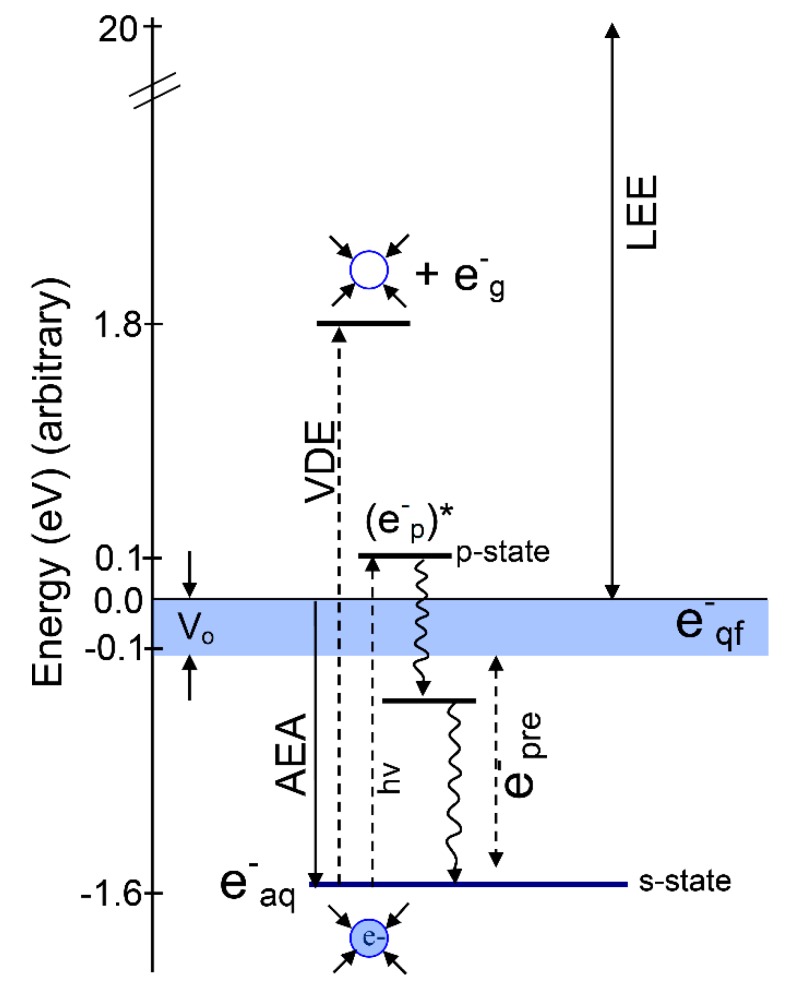
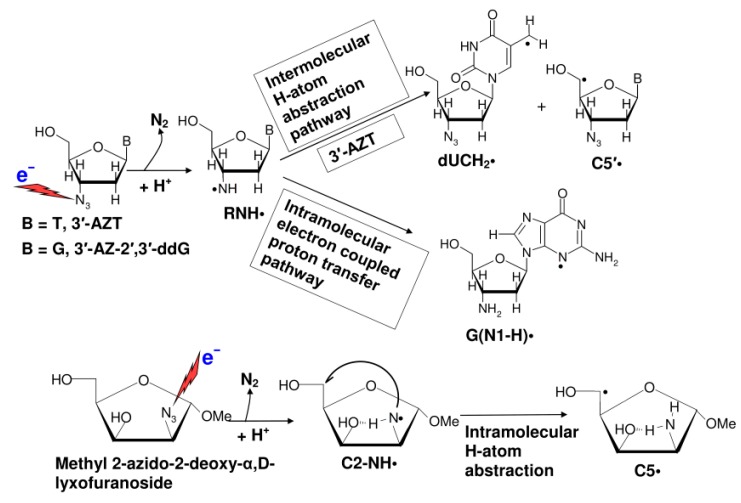
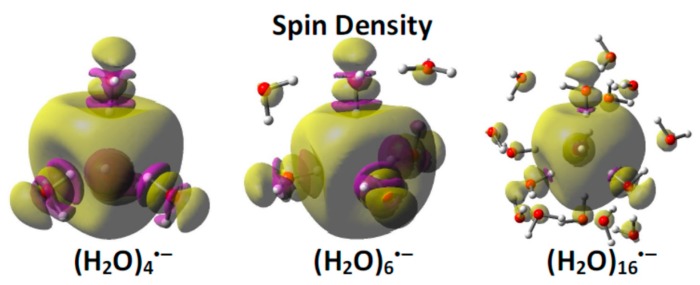
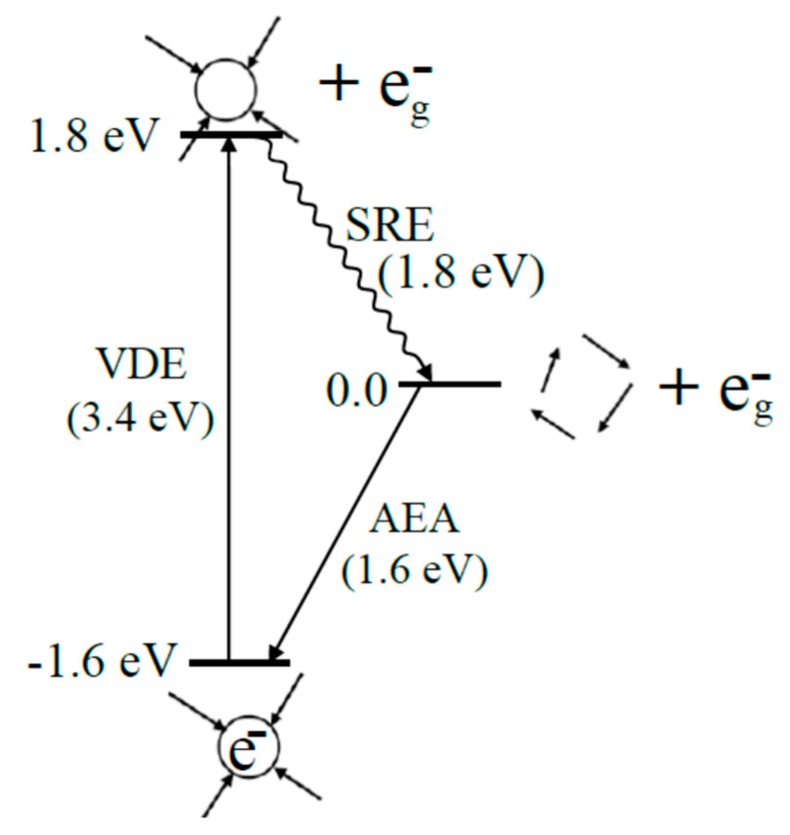
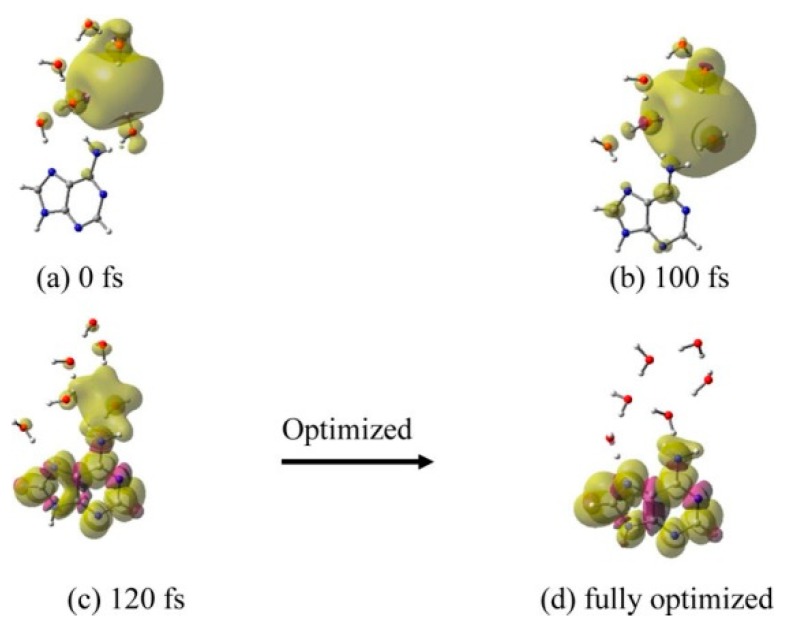
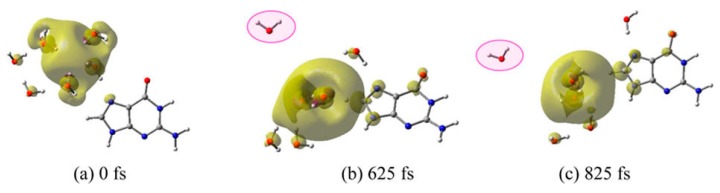
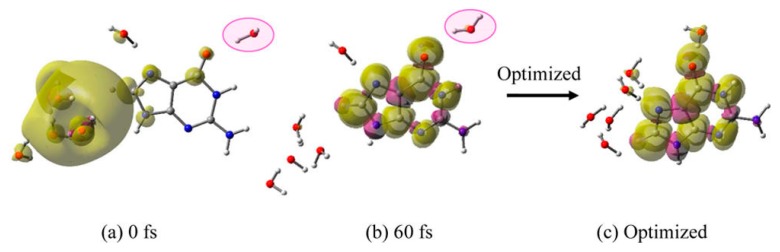
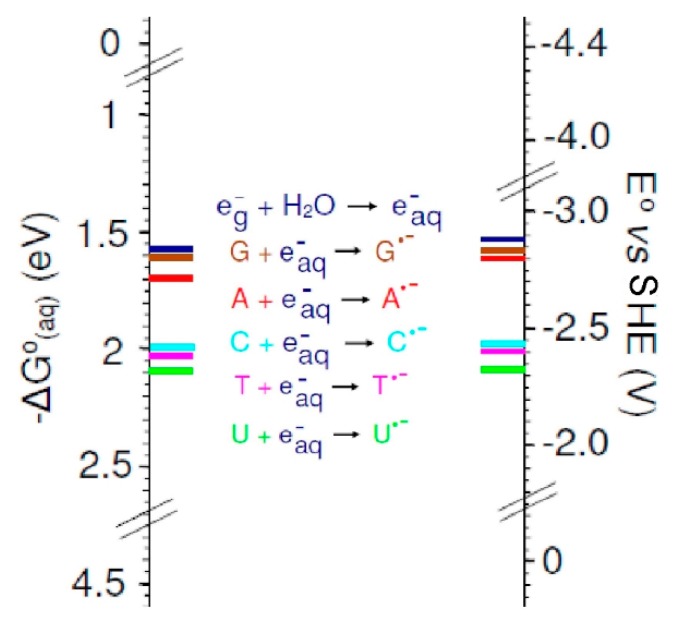
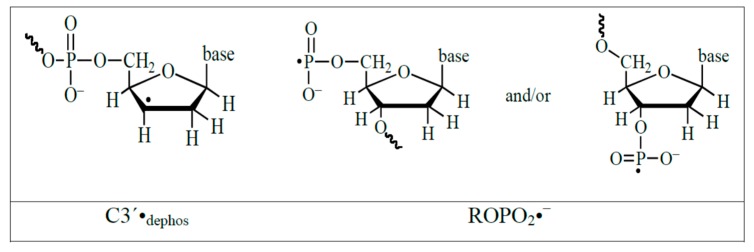
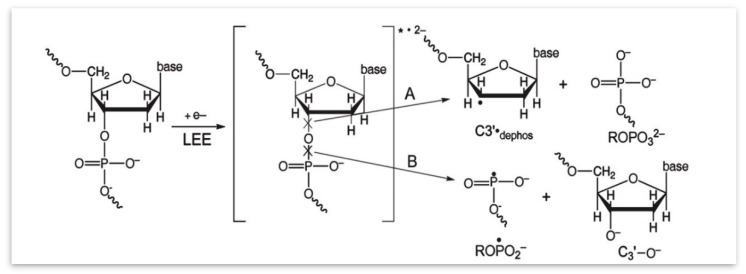
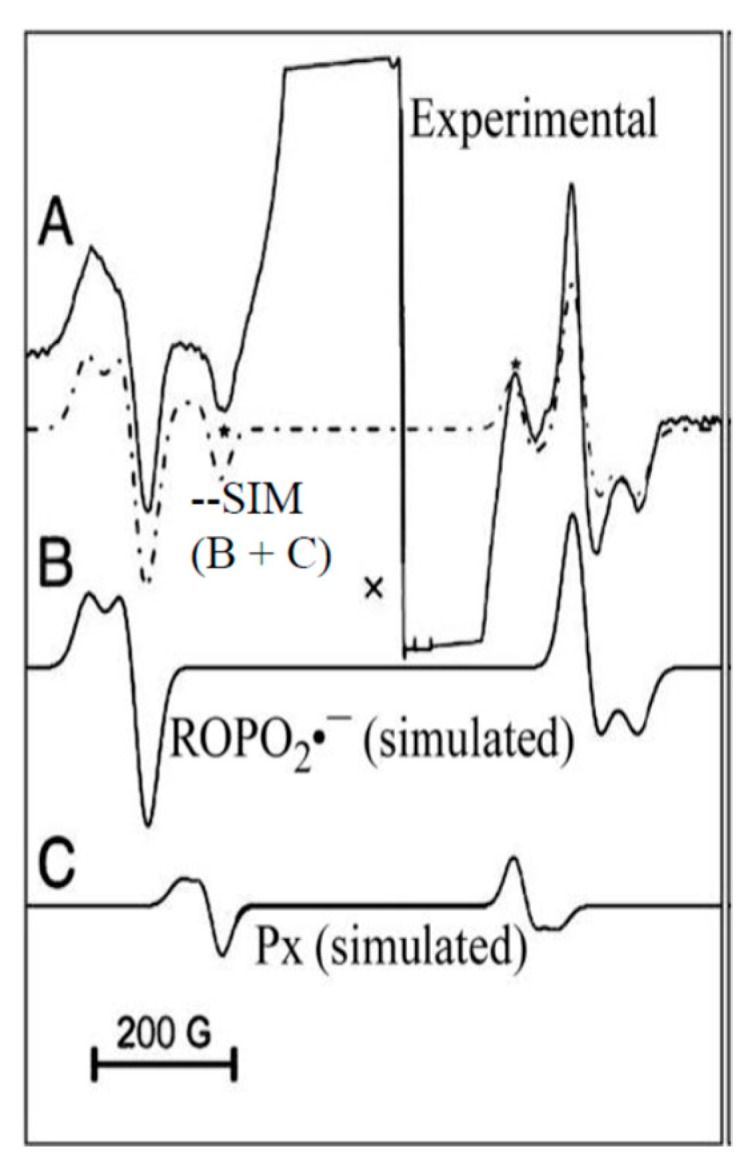
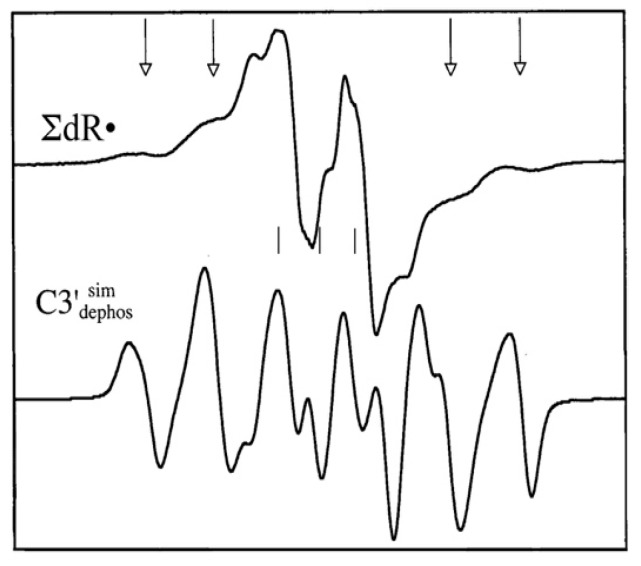
This review article provides a concise overview of electron involvement in DNA radiation damage. The review begins with the various states of radiation-produced electrons: Secondary electrons (SE), low energy electrons (LEE), electrons at near zero kinetic energy in water (quasi-free electrons, (e)) electrons in the process of solvation in water (presolvated electrons, e), and fully solvated electrons (e). A current summary of the structure of e, and its reactions with DNA-model systems is presented. Theoretical works on reduction potentials of DNA-bases were found to be in agreement with experiments. This review points out the proposed role of LEE-induced frank DNA-strand breaks in ion-beam irradiated DNA. The final section presents radiation-produced electron-mediated site-specific formation of oxidative neutral aminyl radicals from azidonucleosides and the evidence of radiosensitization provided by these aminyl radicals in azidonucleoside-incorporated breast cancer cells.
这篇综述文章简要概述了电子在 DNA 辐射损伤中的作用。综述首先介绍了辐射产生的电子的各种状态:次级电子(SE)、低能电子(LEE)、水中近零动能的电子(准自由电子,(e))、在水中溶剂化过程中的电子(预溶剂化电子,e)和完全溶剂化的电子(e)。本文介绍了 e 的结构以及其与 DNA 模型系统反应的最新研究进展。关于 DNA 碱基还原电势的理论研究结果与实验结果相符。本文还指出了 LEE 诱导的弗兰克 DNA 链断裂在离子束辐照 DNA 中的作用。最后一部分介绍了辐射产生的电子介导的从叠氮核苷形成氧化中性氨基自由基的位点特异性形成,以及这些氨基自由基在叠氮核苷掺入的乳腺癌细胞中提供的放射增敏作用的证据。