Steinle Heidrun, Weber Marbod, Behring Andreas, Mau-Holzmann Ulrike, von Ohle Christiane, Popov Aron-Frederik, Schlensak Christian, Wendel Hans Peter, Avci-Adali Meltem
Department of Thoracic and Cardiovascular Surgery, University Hospital Tübingen, Calwerstraße 7/1, 72076 Tübingen, Germany.
Institute of Medical Genetics and Applied Genomics, University Hospital Tübingen, Calwerstraße 7, 72076 Tübingen, Germany.
Mol Ther Nucleic Acids. 2019 Sep 6;17:907-921. doi: 10.1016/j.omtn.2019.07.016. Epub 2019 Jul 31.
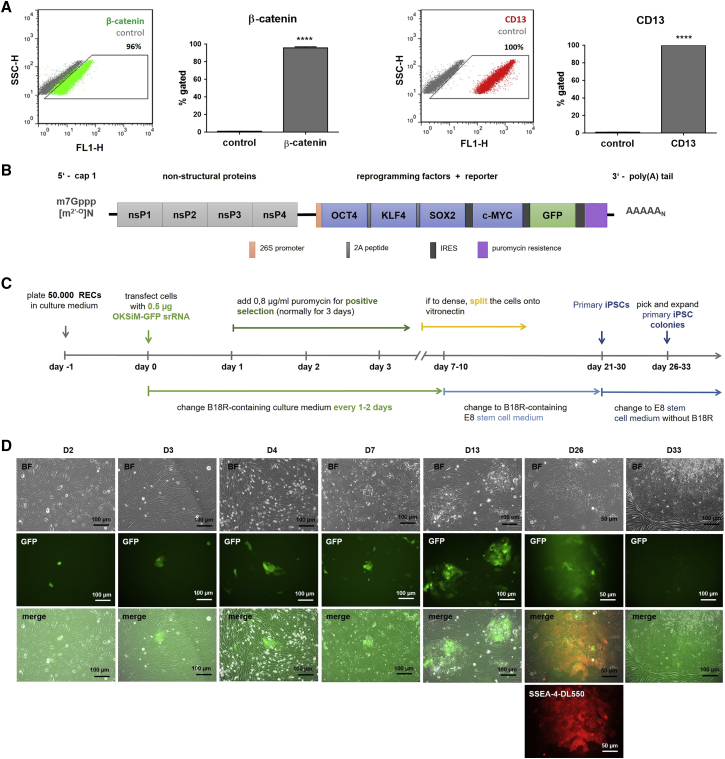
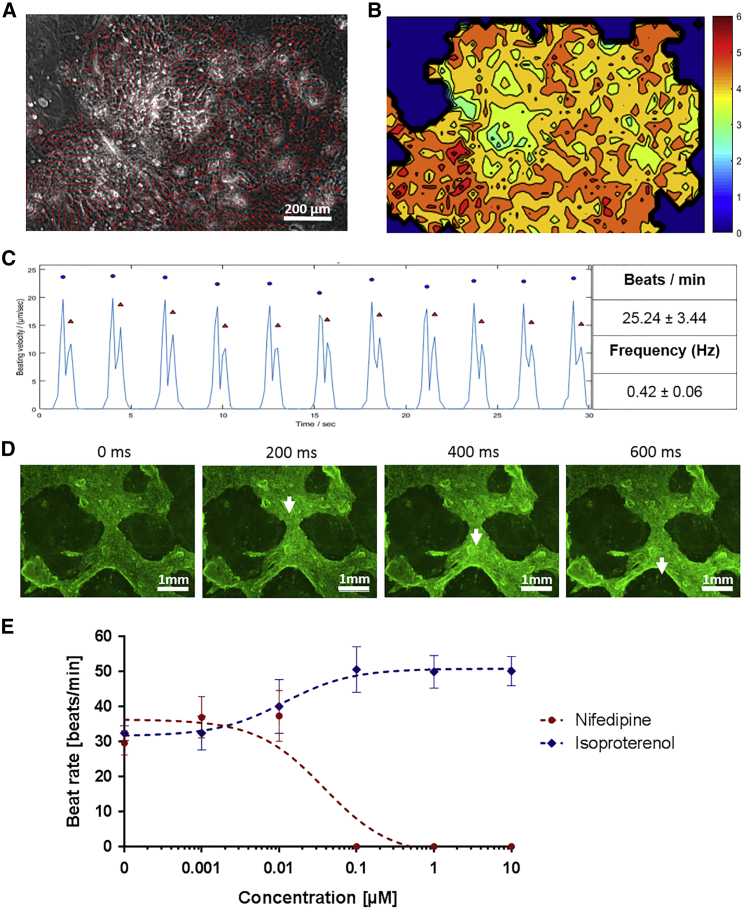
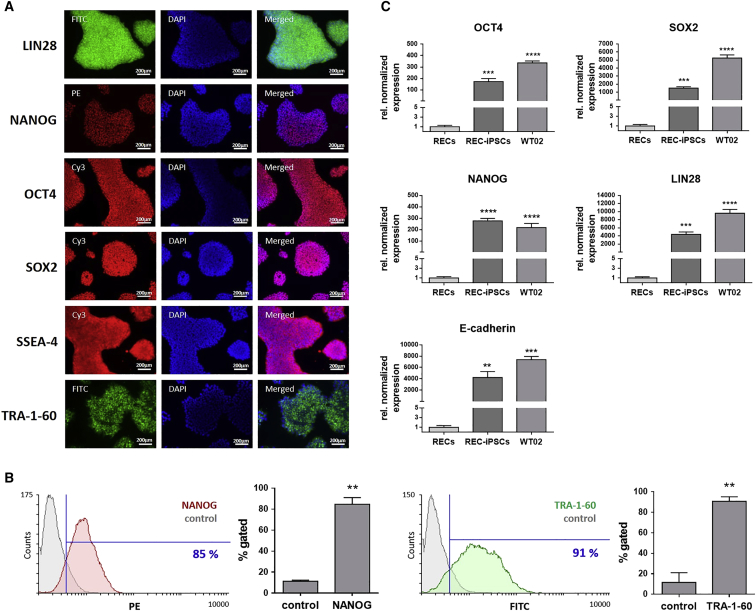
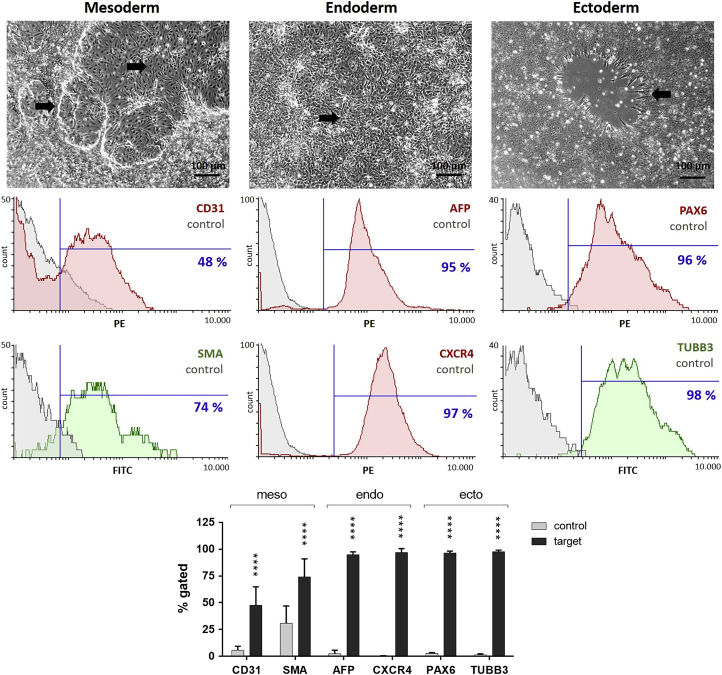
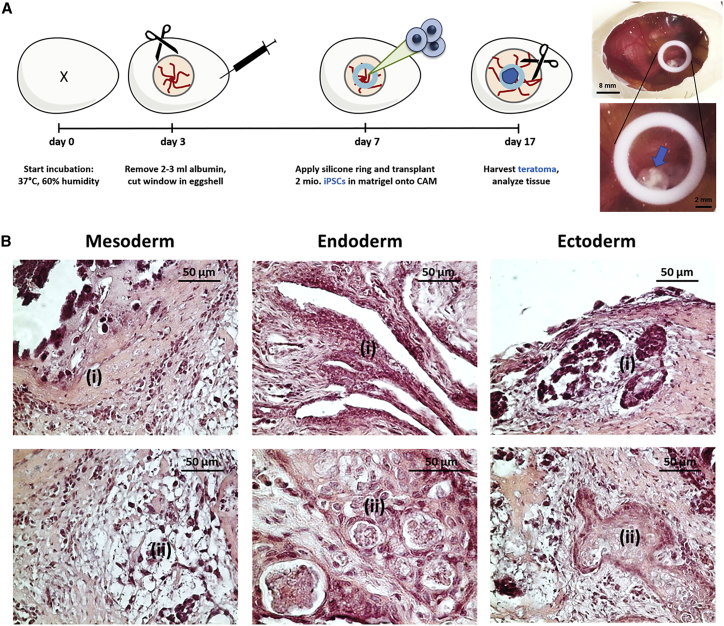
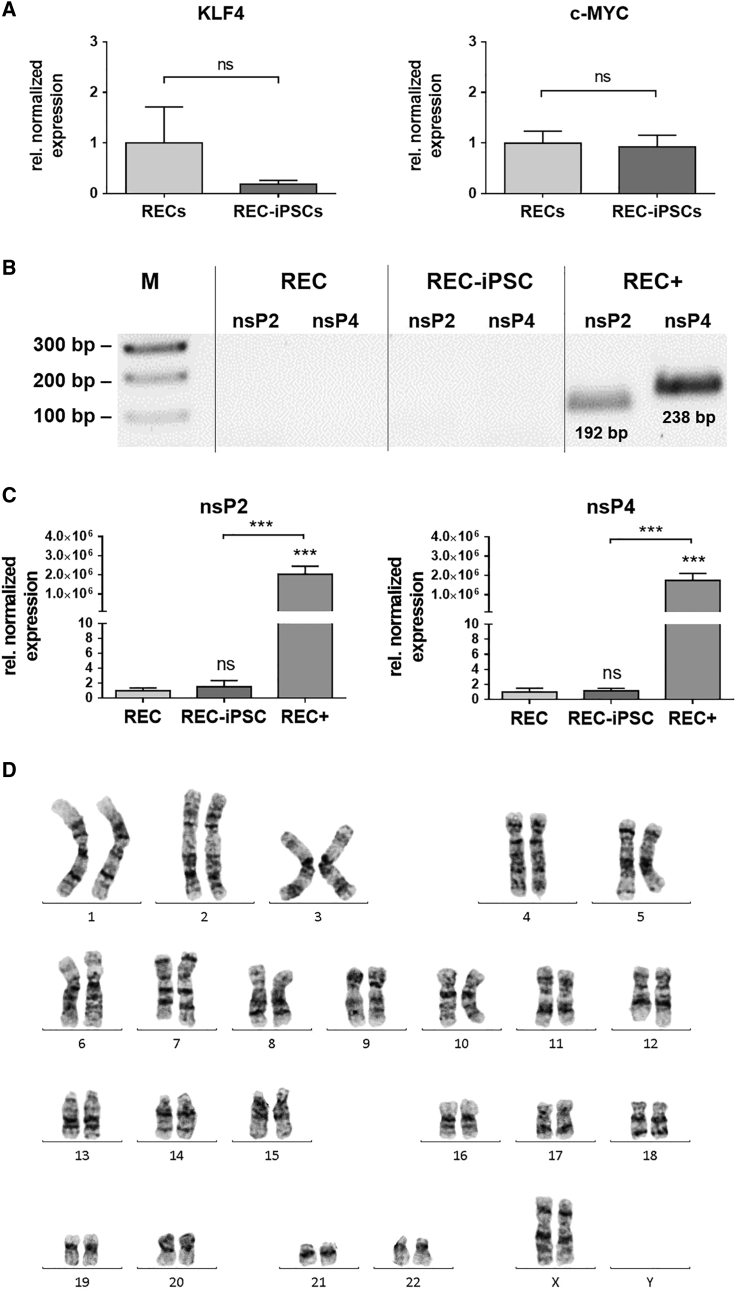
The generation of induced pluripotent stem cells (iPSCs) from patient's somatic cells and the subsequent differentiation into desired cell types opens up numerous possibilities in regenerative medicine and tissue engineering. Adult cardiomyocytes have limited self-renewal capacity; thus, the efficient, safe, and clinically applicable generation of autologous cardiomyocytes is of great interest for the treatment of damaged myocardium. In this study, footprint-free iPSCs were successfully generated from urine-derived renal epithelial cells through a single application of self-replicating RNA (srRNA). The expression of pluripotency markers and the in vitro as well as in vivo trilineage differentiation were demonstrated. Furthermore, the resulting iPSCs contained no residual srRNA, and the karyotyping analysis demonstrated no detectable anomalies. The cardiac differentiation of these iPSCs resulted in autologous contracting cardiomyocytes after 10 days. We anticipate that the use of urine as a non-invasive cell source to obtain patient cells and the use of srRNA for reprogramming into iPSCs will greatly improve the future production of clinically applicable cardiomyocytes and other cell types. This could allow the regeneration of tissues by generating sufficient quantities of autologous cells without the risk of immune rejection.
从患者体细胞生成诱导多能干细胞(iPSC),并随后将其分化为所需的细胞类型,为再生医学和组织工程开辟了众多可能性。成体心肌细胞的自我更新能力有限;因此,高效、安全且临床适用的自体心肌细胞生成对于受损心肌的治疗具有重大意义。在本研究中,通过单次应用自我复制RNA(srRNA),成功从尿液来源的肾上皮细胞生成了无足迹iPSC。证明了多能性标志物的表达以及体外和体内三系分化。此外,所得的iPSC不含残留的srRNA,核型分析显示无可检测到的异常。这些iPSC在10天后的心脏分化产生了自体收缩心肌细胞。我们预计,将尿液用作获取患者细胞的非侵入性细胞来源,以及使用srRNA重编程为iPSC,将极大地改善未来临床适用心肌细胞和其他细胞类型的生产。这可以通过生成足够数量的自体细胞来实现组织再生,而无免疫排斥风险。