College of Life and Environmental Science, Wenzhou University, Wenzhou 325035, China.
Department of Natural Resources and Environmental Studies, University of Northern British Columbia, Prince George, BC, Canada.
Oxid Med Cell Longev. 2019 Aug 14;2019:8918914. doi: 10.1155/2019/8918914. eCollection 2019.
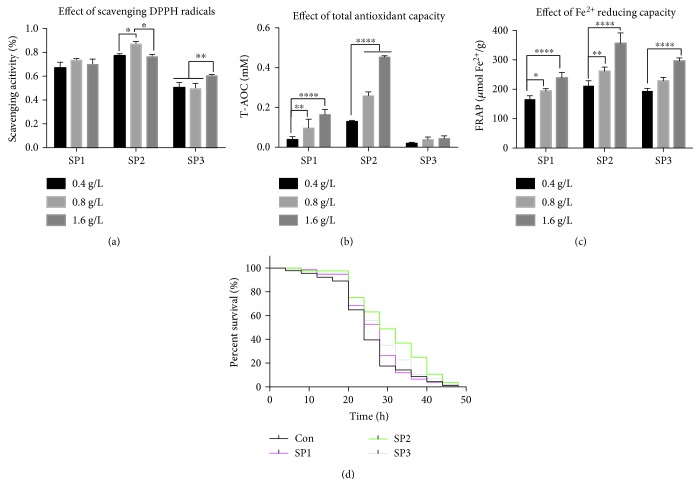
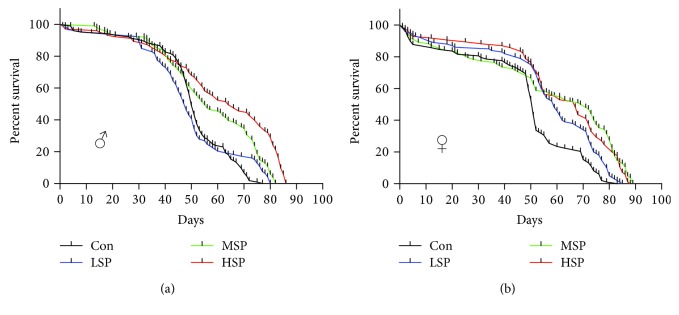
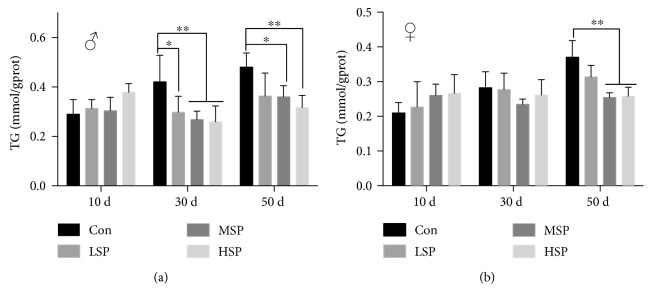
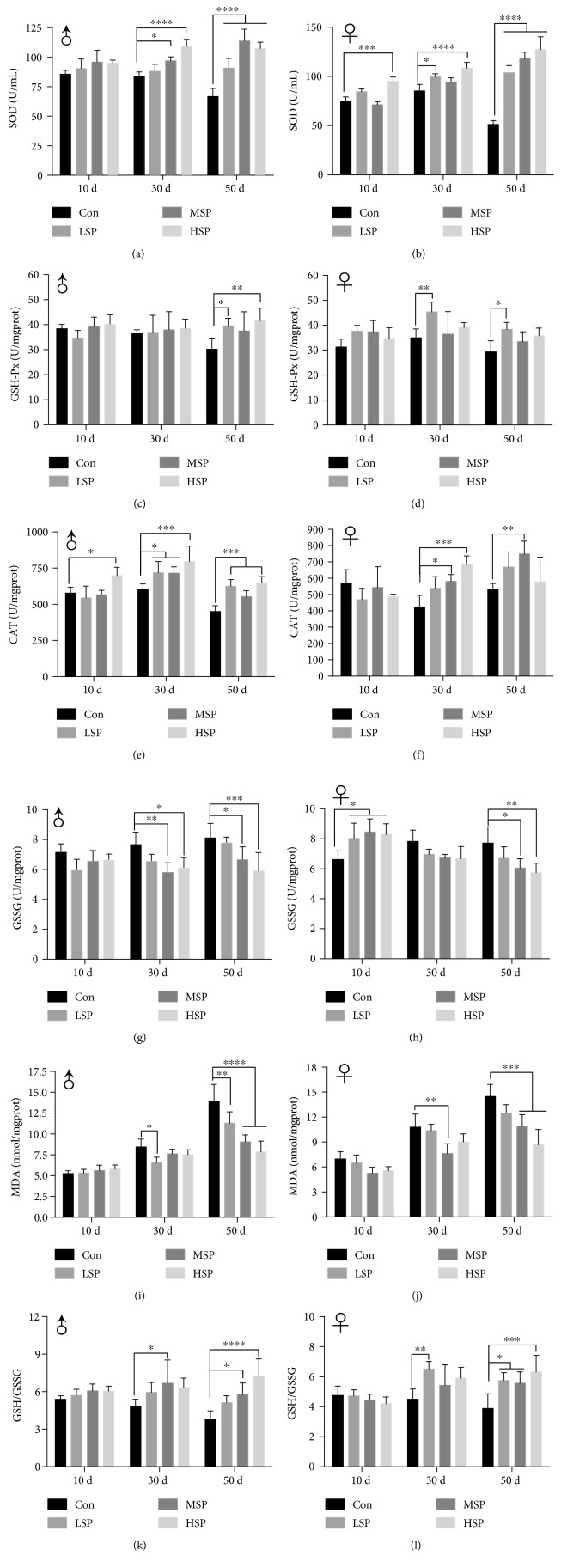
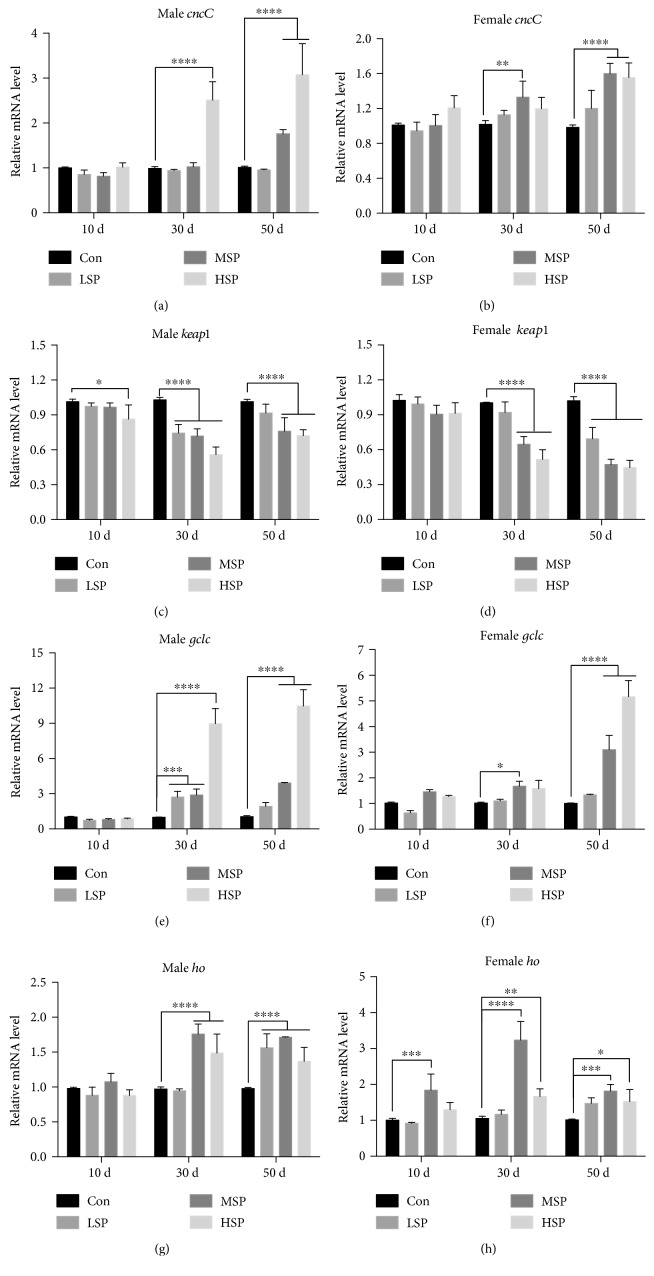
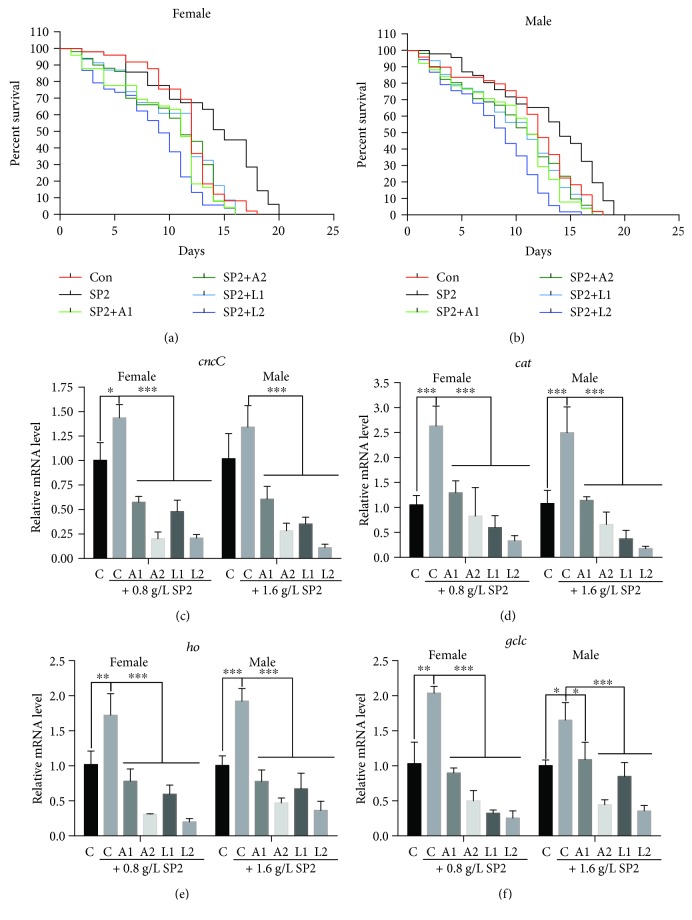
Damage accumulated in the genome and macromolecules is largely attributed to increased oxidative damage and a lack of damage repair in a cell, and this can eventually trigger the process of aging. Alleviating the extent of oxidative damage is therefore considered as a potential way to promote longevity. SFPS, a heteropolysaccharide extracted from the brown alga , has previously been shown to alleviate oxidative damage during the aging process in mice, but whether SFPS could extend the lifespan of an organism was not demonstrated. Furthermore, the precise component within SFPS that is responsible for the antioxidant activity and the underlying mechanism of such activity was also not resolved. In this study, SP2, a fucoidan derived from SFPS, was shown to exhibit strong antioxidant activity as measured by radical-scavenging assays. SP2 also improved the survival rate of subjected to oxidative stress. The flies that were fed with a diet containing SP2 from the time of eclosion displayed significant enhancement in lifespan and reduced accumulation of triglyceride at the old-age stage. In addition, SP2 markedly improved the activities of the antioxidant enzymes, superoxide dismutase (SOD), catalase (CAT), and glutathione peroxidase (GSH-Px) and reduced the contents of the malondialdehyde (MDA) and oxidized glutathione (GSSG) in old flies. Furthermore, SP2 also upregulated the expression levels of the () and its downstream target genes, accompanied by a dramatic reduction in the expression of (, a canonical inhibitor of the Nrf2) in old flies. Additional support linking the crucial role of the Nrf2/ARE pathway to the antioxidant effect of SP2 was the relatively high survival rate under heat stress for individuals receiving SP2 supplement, an effect that was abolished by the inclusion of inhibitors specific for the Nrf2/ARE pathway. Collectively, the results indicated that SP2, a fucoidan, could promote longevity in by enhancing the Nrf2-mediated antioxidant signaling pathway during the aging process.
基因组和生物大分子的损伤在很大程度上归因于细胞内氧化损伤的增加和损伤修复的缺乏,这最终可能引发衰老过程。因此,减轻氧化损伤的程度被认为是促进长寿的一种潜在方法。SFPS 是从褐藻中提取的一种杂多糖,先前的研究表明,它可以减轻小鼠衰老过程中的氧化损伤,但 SFPS 是否可以延长生物体的寿命尚未得到证明。此外,SFPS 中负责抗氧化活性的精确成分以及这种活性的潜在机制也没有得到解决。在这项研究中,SFPS 衍生的褐藻糖胶 SP2 被证明具有很强的抗氧化活性,自由基清除测定法证实了这一点。SP2 还提高了氧化应激下的存活率。从孵化开始就用含有 SP2 的饮食喂养的果蝇显示出寿命显著延长,老年期甘油三酯积累减少。此外,SP2 显著提高了抗氧化酶超氧化物歧化酶 (SOD)、过氧化氢酶 (CAT) 和谷胱甘肽过氧化物酶 (GSH-Px) 的活性,降低了老年果蝇丙二醛 (MDA) 和氧化型谷胱甘肽 (GSSG) 的含量。此外,SP2 还上调了 () 的表达水平及其下游靶基因的表达,同时老年果蝇中 () 的表达显著降低,(一种 Nrf2 的典型抑制剂)。SP2 通过增强 Nrf2/ARE 通路的抗氧化信号通路来发挥其抗氧化作用,这一作用得到了 Nrf2/ARE 通路特异性抑制剂的加入而被消除,这为其关键作用提供了额外的支持。总的来说,这些结果表明,SP2 作为一种褐藻糖胶,可以通过在衰老过程中增强 Nrf2 介导的抗氧化信号通路来促进寿命的延长。