Institute of Animal Molecular Biotechnology, College of Life Sciences and Biotechnology, Korea University, Seoul 02841, Korea.
Laboratory of Cell Function Regulation, Department of Biotechnology, College of Life Sciences and Biotechnology, Korea University, Seoul 02841, Korea.
Cells. 2019 Sep 6;8(9):1043. doi: 10.3390/cells8091043.
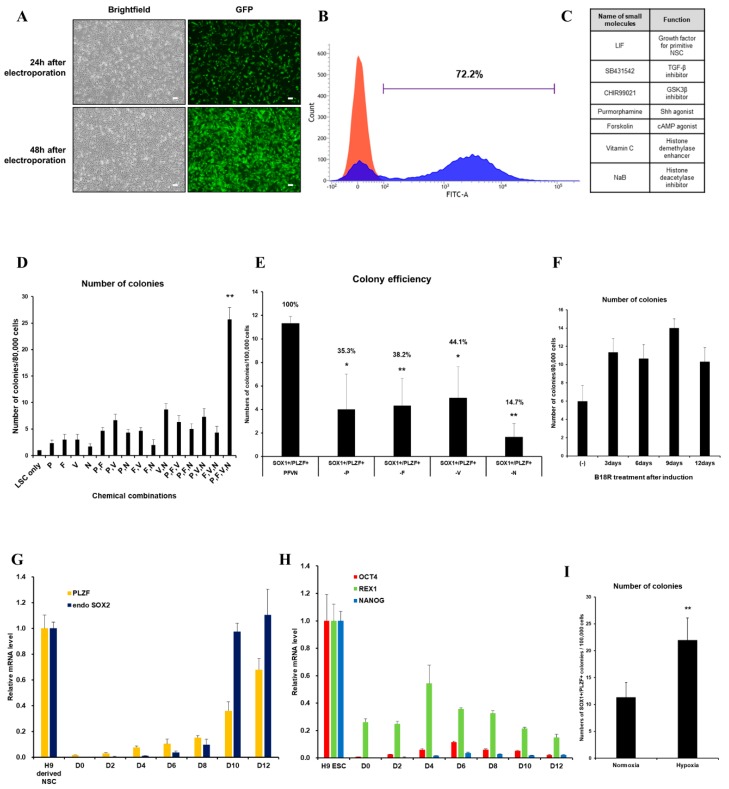
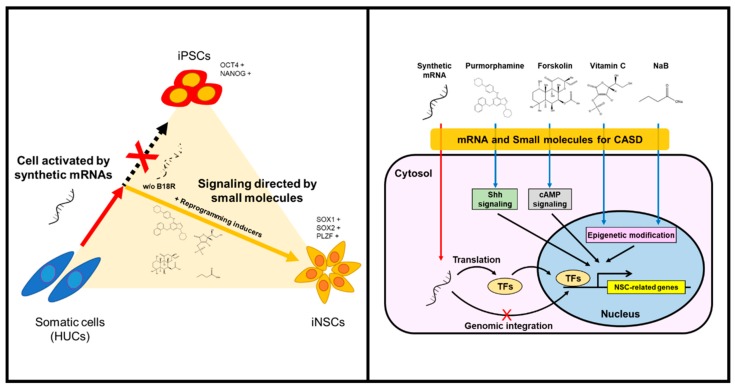
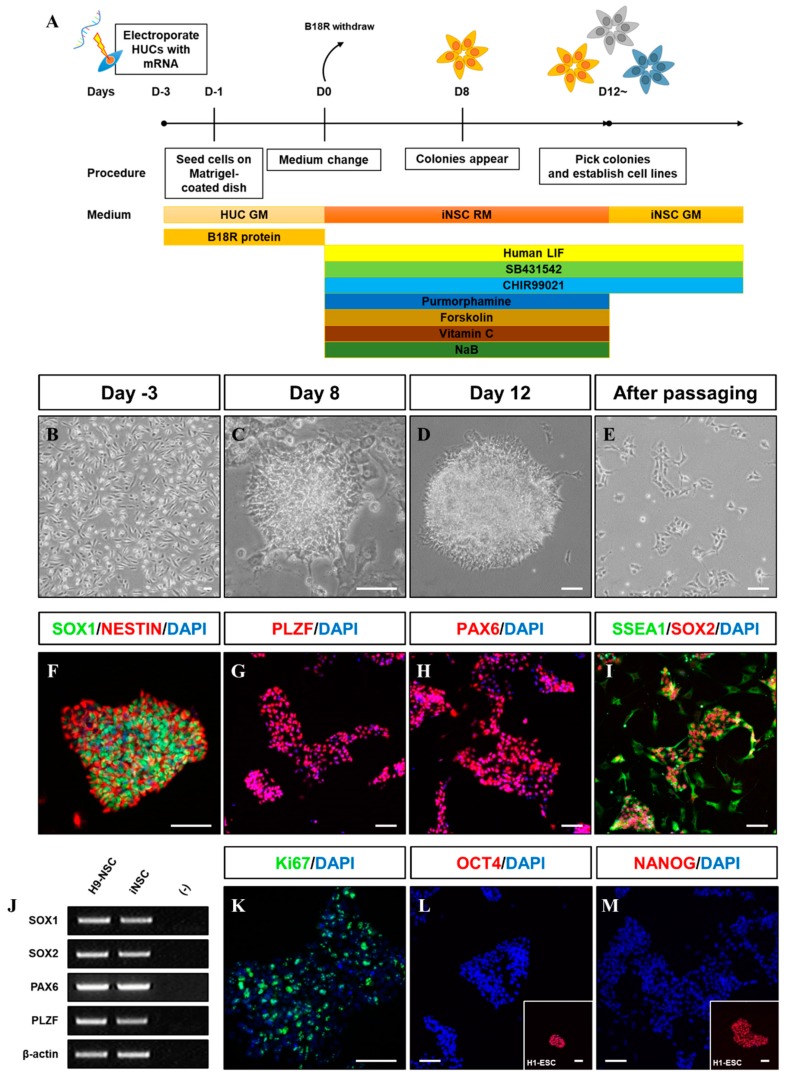
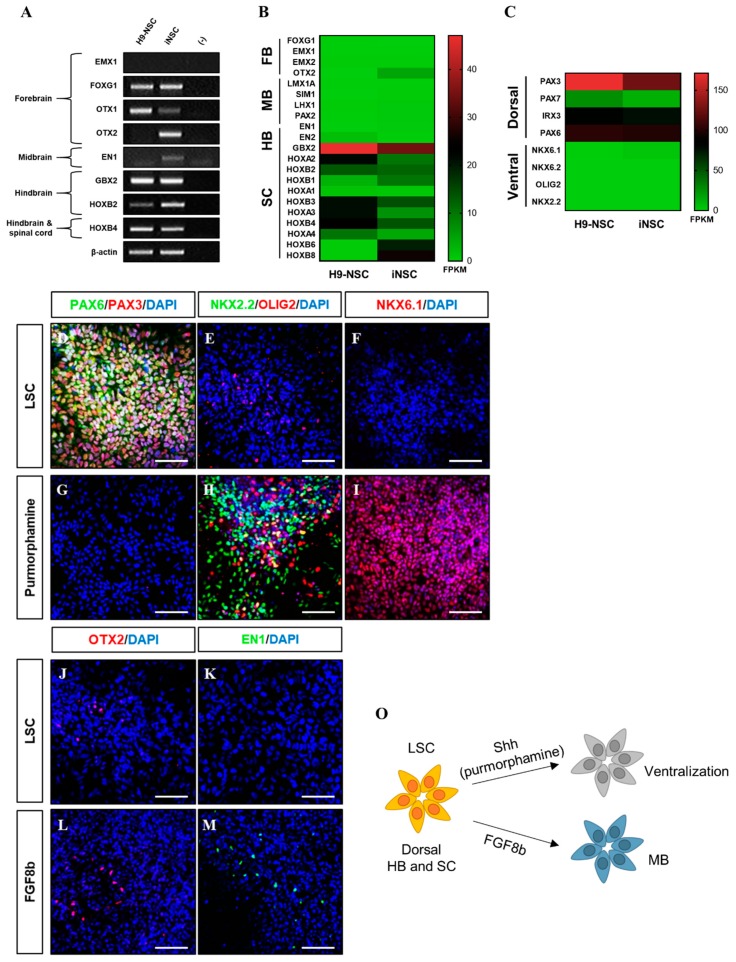
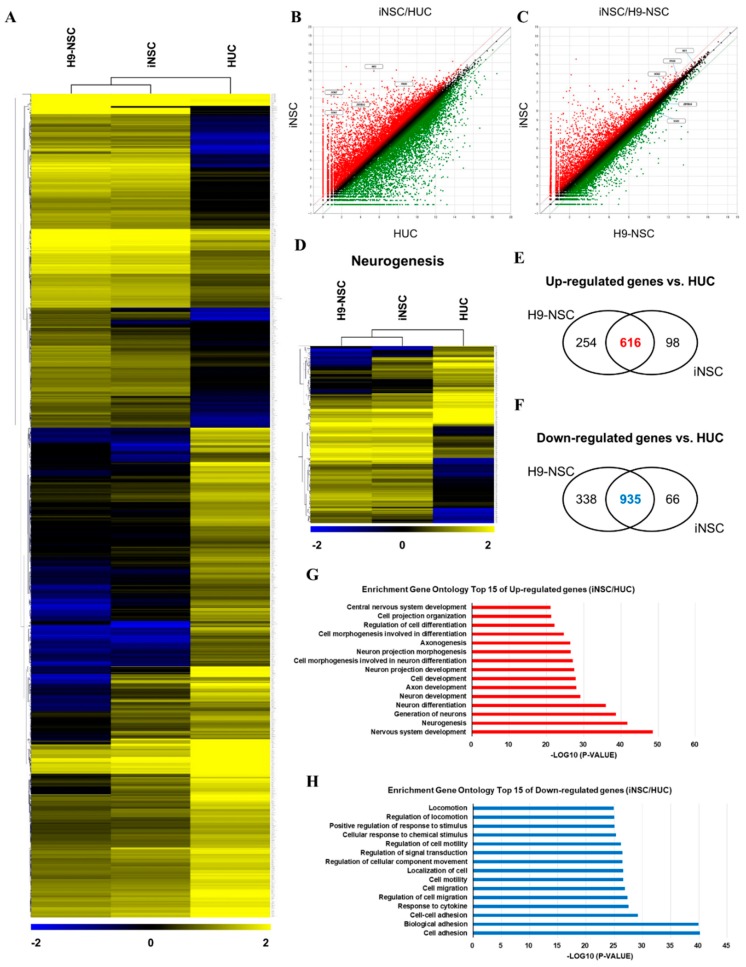
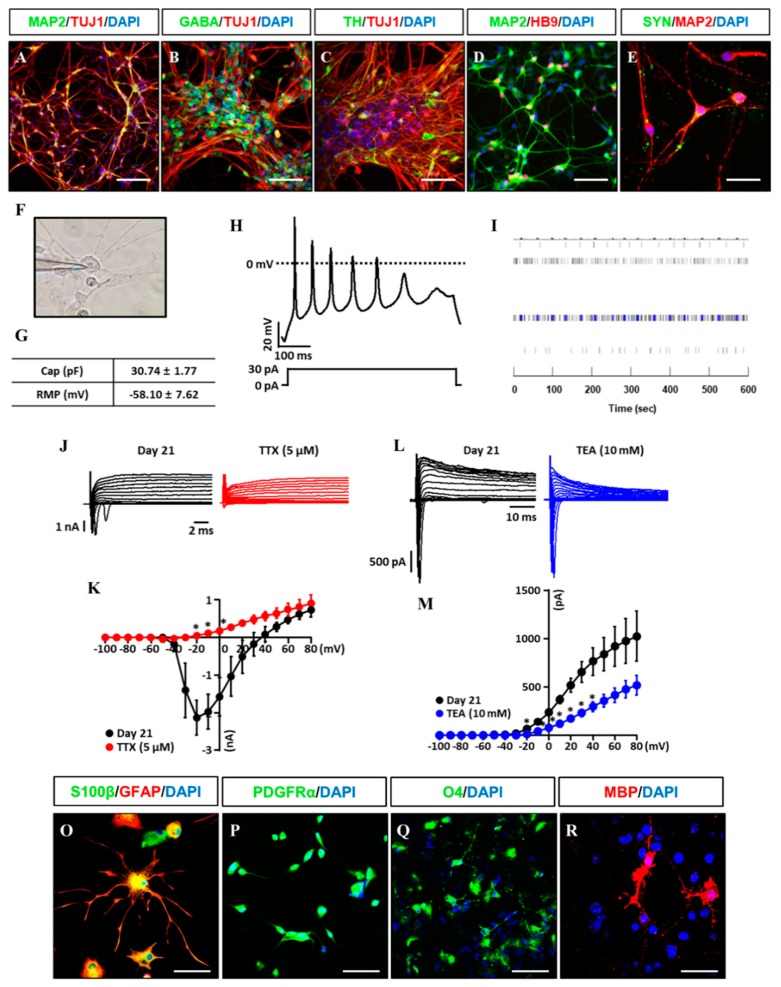
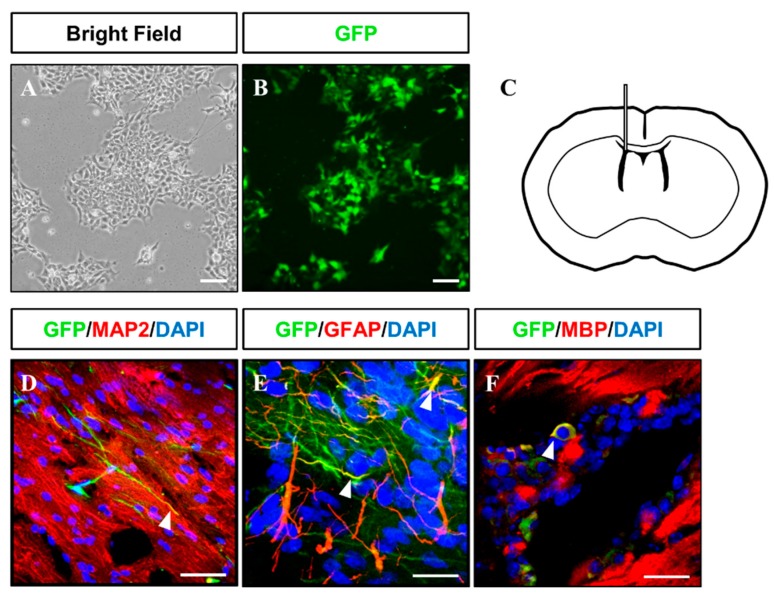
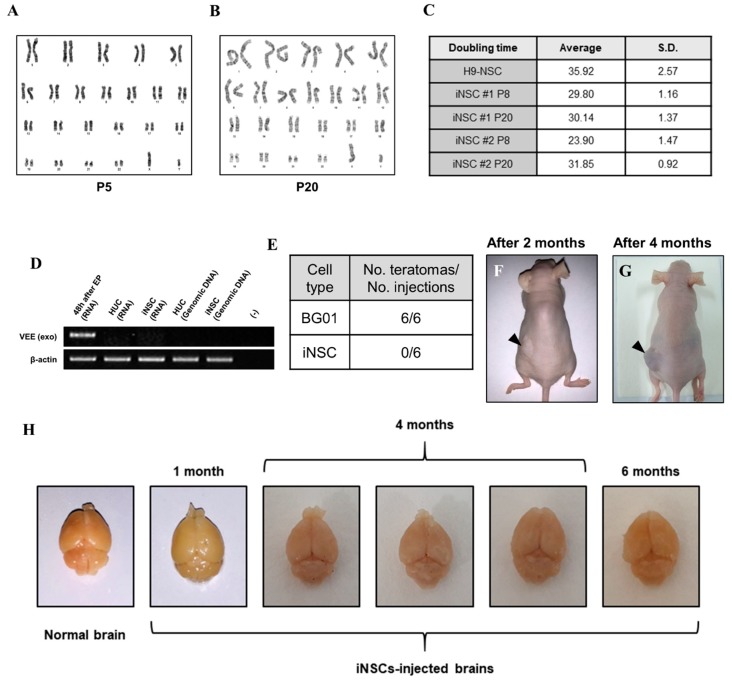
Human neural stem cells (NSCs) hold enormous promise for neurological disorders, typically requiring their expandable and differentiable properties for regeneration of damaged neural tissues. Despite the therapeutic potential of induced NSCs (iNSCs), a major challenge for clinical feasibility is the presence of integrated transgenes in the host genome, contributing to the risk for undesired genotoxicity and tumorigenesis. Here, we describe the advanced transgene-free generation of iNSCs from human urine-derived cells (HUCs) by combining a cocktail of defined small molecules with self-replicable mRNA delivery. The established iNSCs were completely transgene-free in their cytosol and genome and further resembled human embryonic stem cell-derived NSCs in the morphology, biological characteristics, global gene expression, and potential to differentiate into functional neurons, astrocytes, and oligodendrocytes. Moreover, iNSC colonies were observed within eight days under optimized conditions, and no teratomas formed in vivo, implying the absence of pluripotent cells. This study proposes an approach to generate transplantable iNSCs that can be broadly applied for neurological disorders in a safe, efficient, and patient-specific manner.
人神经干细胞(NSCs)在神经疾病方面具有巨大的应用前景,通常需要其具有可扩增和可分化的特性,以再生受损的神经组织。尽管诱导性 NSCs(iNSCs)具有治疗潜力,但临床可行性的一个主要挑战是宿主基因组中整合的转基因,这增加了非期望的遗传毒性和致瘤性的风险。在这里,我们描述了通过将一组定义明确的小分子与自我复制的 mRNA 传递相结合,从人尿液来源的细胞(HUCs)中无转基因地生成 iNSCs 的方法。所建立的 iNSCs 在细胞质和基因组中完全无转基因,并且在形态、生物学特性、全局基因表达和分化为功能性神经元、星形胶质细胞和少突胶质细胞的潜力方面进一步类似于人胚胎干细胞衍生的 NSCs。此外,在优化条件下,可在八天内观察到 iNSC 集落,并且体内未形成畸胎瘤,这意味着不存在多能细胞。这项研究提出了一种生成可移植的 iNSCs 的方法,可安全、高效且针对患者特异性地广泛应用于神经疾病。