Blanco María, G Sotelo Carmen, I Pérez-Martín Ricardo
Department of Food Biochemistry, Instituto de Investigaciones Marinas (CSIC), Eduardo Cabello 6, Vigo 36208, Spain.
Polymers (Basel). 2019 Sep 11;11(9):1485. doi: 10.3390/polym11091485.
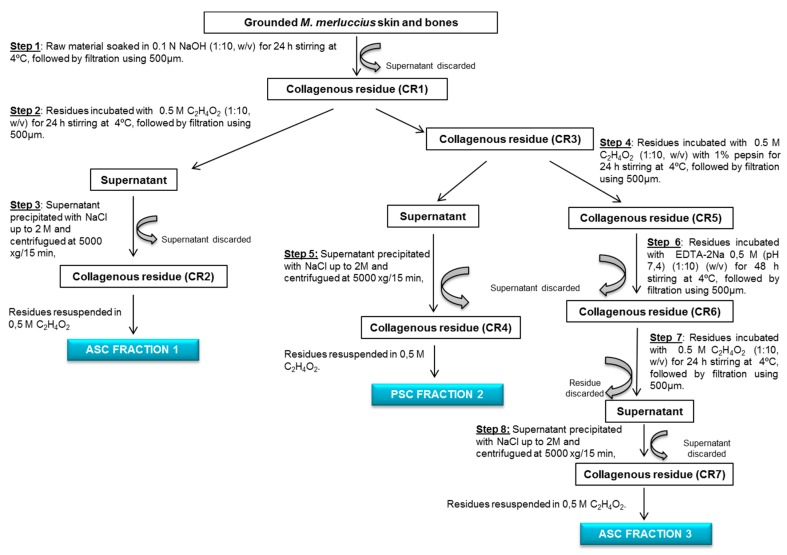
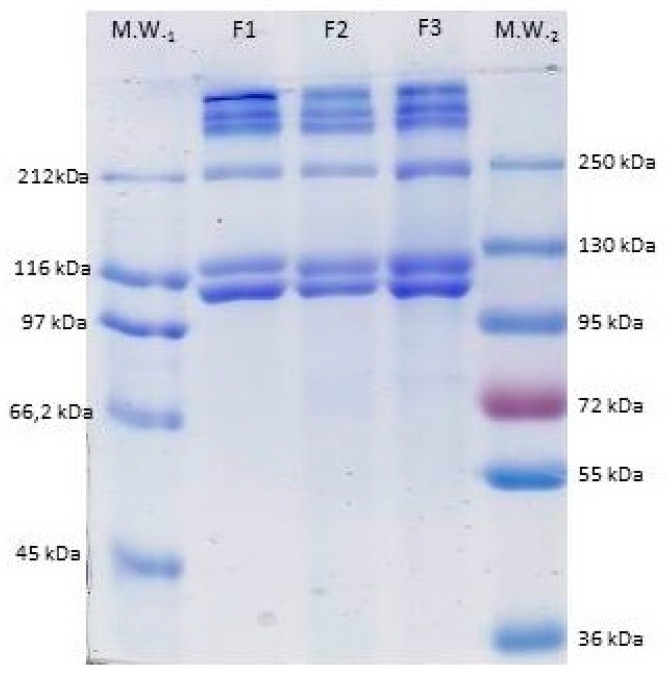
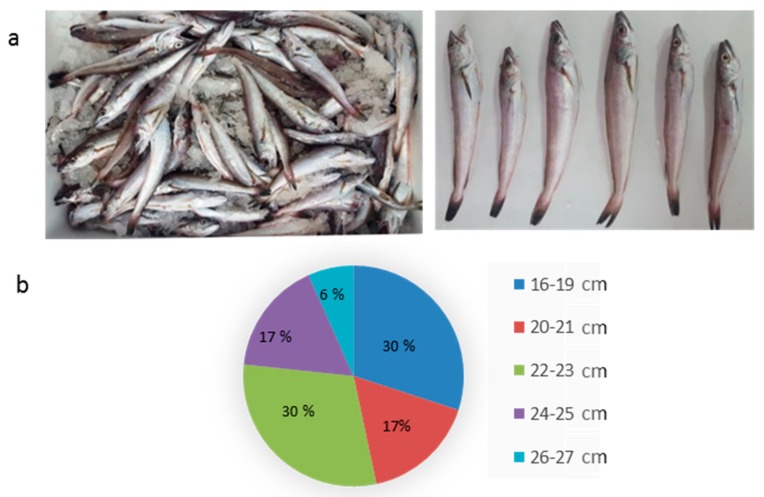
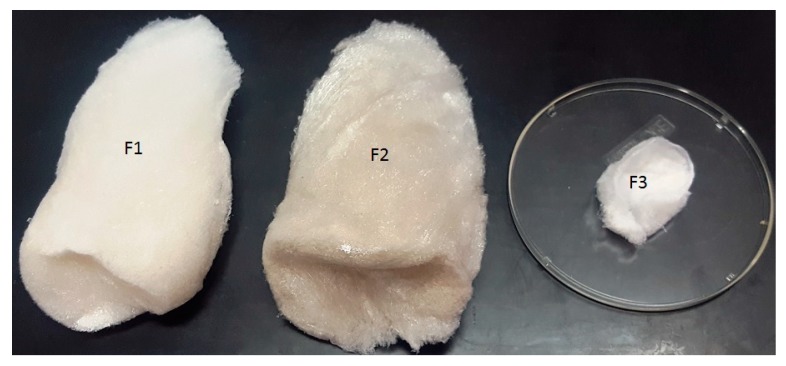
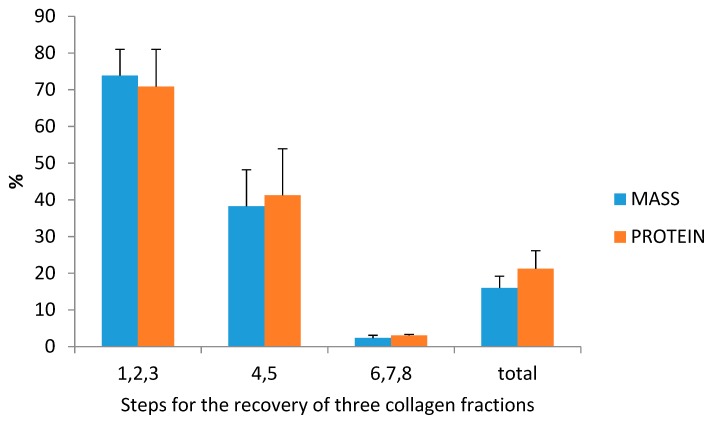
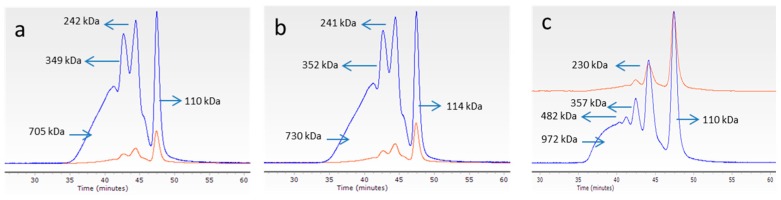
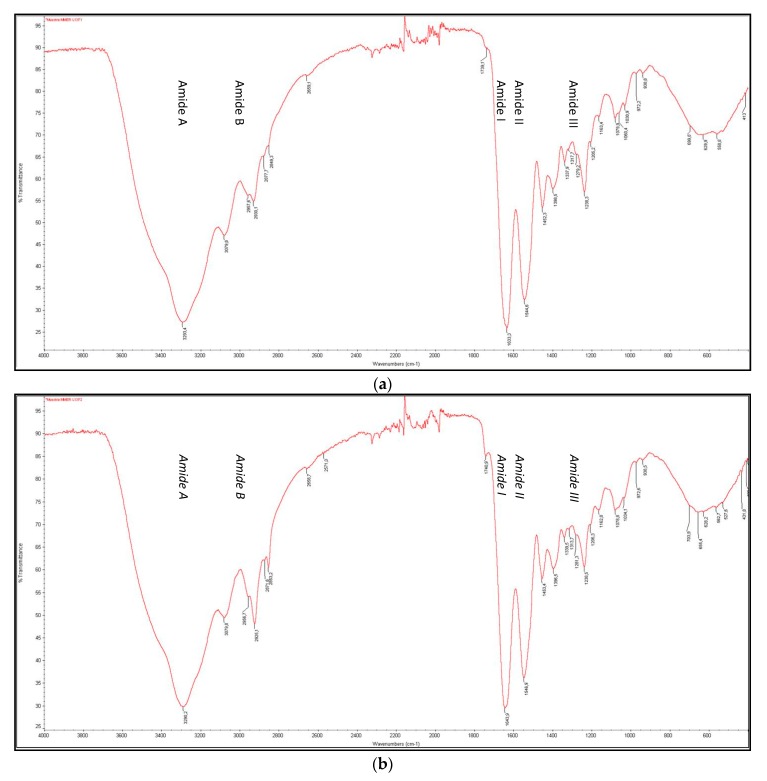
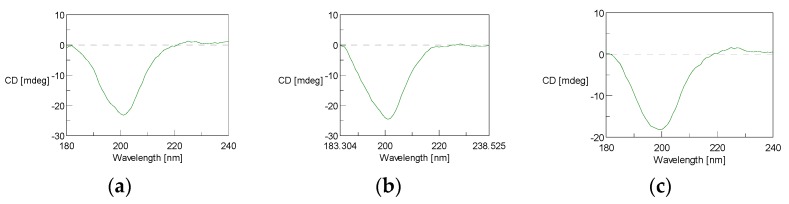
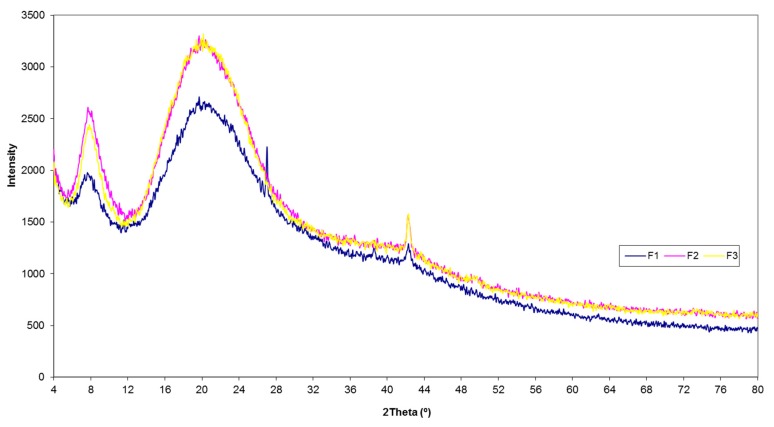
In order to promote sustainable fishing practices within European fishing fleets and to avoid the large waste of valuable fish biomass through the practice of fish discarding, the new reform of the common fisheries policy includes the obligation of landing all species under total allowable catch (TAC) regulations. The new policy also prohibits the use of specimens under minimum conservation reference size for direct human cons38umption. In this context, it is necessary to find new uses for undersized fish, which might help to alleviate the costs associated with the landing obligation but without prompting the creation of a market. European hake (EH) (), which is one of the most important commercial fish species for the Spanish fishing industry, with a total TAC for 2018 of 3,7423 t, is used for this study. Consistent with the current policy framework and taking into account the commercial importance of this species, the aim of this work is to study a new strategy for the extraction of collagen from the skin and bone fraction of undersized discards. Three collagen fractions are successfully isolated for the first time from the skin of skin and bone discarded raw material: acid-soluble collagen (ASC) fraction 1 and pepsin-soluble collagen (PSC) fraction 2 from the skin and ASC fraction 3 from bones. The total collagen yield of the process is 13.55 ± 3.18% in a dry basis (g collagen/100 g of skin and bone fraction (SBF)) and 47.80 ± 9.83% (g collagen/100 g of collagen determined by the hydroxyproline content in SBF). The three fractions are further characterized by using different physical and chemical analysis techniques, with the conclusion drawn that the triple helix structure is preserved in the three fractions, although ASC fractions (F1 and F3) present more or stronger hydrogen bonds than the PSC fraction (F2). With the process herein presented, deboned and skinned hake specimens could represent an interesting source of high quality type I collagen, which could be useful as a raw material for the biomedical, cosmetic, and nutraceutical industries.
为了促进欧洲捕鱼船队的可持续捕捞做法,并避免因丢弃鱼类的做法而造成宝贵鱼类生物量的大量浪费,共同渔业政策的新改革规定了在总可捕量(TAC)规定下上岸所有物种的义务。新政策还禁止将低于最低养护参考尺寸的标本用于直接人类消费。在这种背景下,有必要为未达尺寸的鱼类找到新用途,这可能有助于减轻与上岸义务相关的成本,但又不会催生市场。欧洲无须鳕(EH)()是西班牙渔业最重要的商业鱼类之一,2018年的总可捕量为37423吨,本研究以此为对象。与当前政策框架一致,并考虑到该物种的商业重要性,本研究的目的是研究一种从未达尺寸的废弃鱼的皮和骨部分提取胶原蛋白的新策略。首次从废弃的带皮鱼骨原料的皮中成功分离出三种胶原蛋白组分:来自皮的酸溶性胶原蛋白(ASC)组分1和胃蛋白酶溶性胶原蛋白(PSC)组分2,以及来自骨的ASC组分3。该过程的总胶原蛋白产量以干基计为13.55±3.18%(克胶原蛋白/100克皮骨组分(SBF)),以SBF中羟脯氨酸含量测定的胶原蛋白计为47.80±9.83%(克胶原蛋白/100克胶原蛋白)。通过使用不同的物理和化学分析技术对这三种组分进行进一步表征,得出的结论是,尽管ASC组分(F1和F3)比PSC组分(F2)具有更多或更强的氢键,但这三种组分均保留了三螺旋结构。采用本文介绍的工艺,去骨去皮的无须鳕标本可能是优质I型胶原蛋白的一个有趣来源,可作为生物医学、化妆品和营养保健品行业的原料。