Tjong Elysia, Peng Yen-Yi
A.T. Still University School of Osteopathic Medicine in Arizona, Mesa, Arizona, USA.
Renown Institute for Neuroscience, Renown Health, Reno, Nevada, USA.
Case Rep Neurol. 2019 Apr 18;11(1):124-131. doi: 10.1159/000499601. eCollection 2019 Jan-Apr.
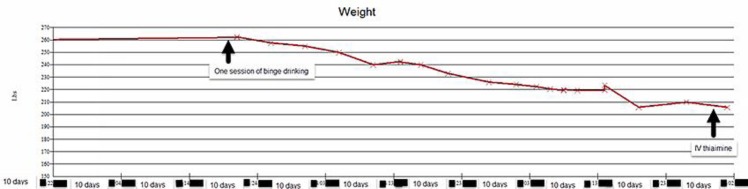
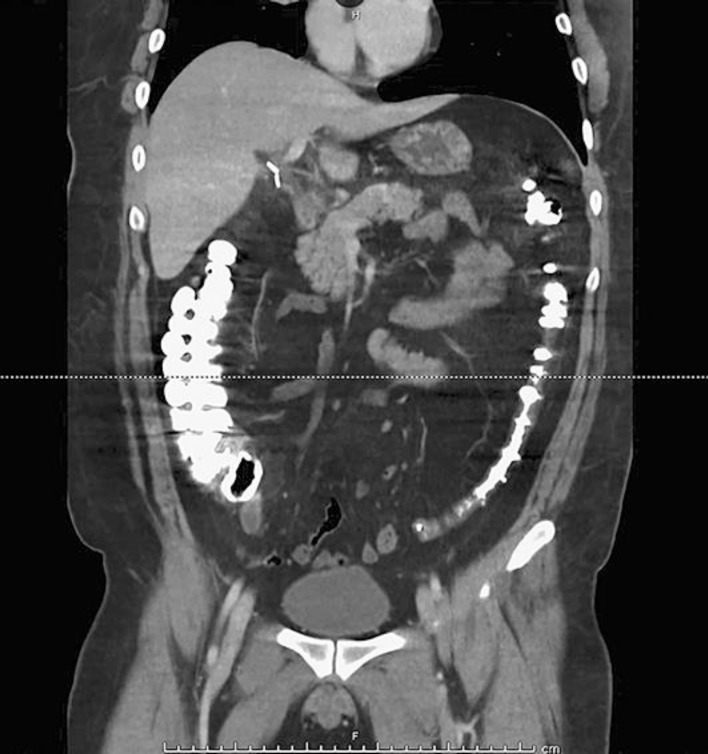
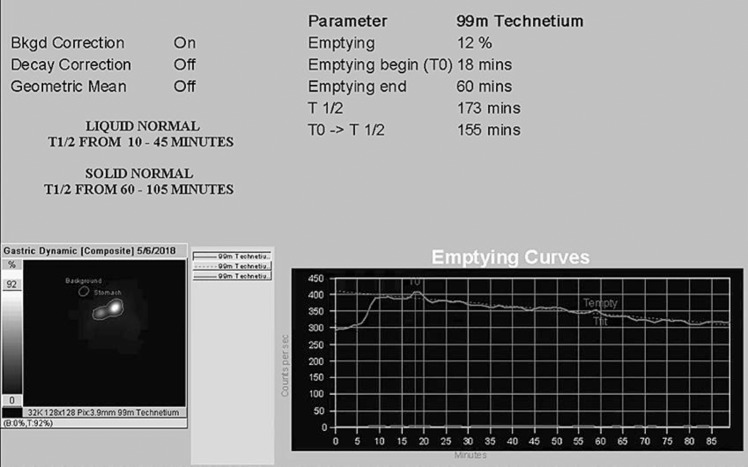
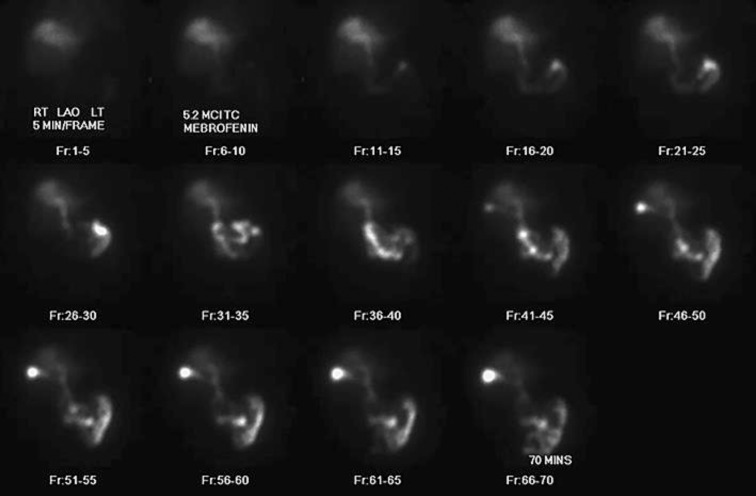
An otherwise healthy 30-year-old male acquired gastrointestinal beriberi and subsequent Wernicke's encephalopathy after 1 session of heavy drinking. Nausea, vomiting, and anorexia relentlessly progressed. The patient developed external ophthalmoplegia after 2 months. Intravenous 1,000 mg thiamine reversed both neurologic and gastrointestinal symptoms within hours. It is hard to diagnose gastrointestinal beriberi since the symptoms are nonspecific. The patient underwent 11 emergency room visits, 3 hospital admissions, and laparoscopic cystectomy within 2 months, but the gastrointestinal symptoms continued to progress. Two months after the onset of gastrointestinal symptoms, external ophthalmoplegia appeared, and, therefore, intravenous thiamine was given. The simultaneous resolution of the debilitating gastrointestinal symptoms and external ophthalmoplegia was unique. Thiamine deficiency remains underdiagnosed and should be considered in patients who develop unexplained gastroparesis or autonomic nervous failure of the digestive system, even in the nonalcoholic population.
一名原本健康的30岁男性在一次大量饮酒后患上了胃肠道脚气病及随后的韦尼克脑病。恶心、呕吐和厌食症状持续加重。2个月后患者出现了眼外肌麻痹。静脉注射1000毫克硫胺素在数小时内逆转了神经和胃肠道症状。由于症状不具特异性,胃肠道脚气病很难诊断。该患者在2个月内11次前往急诊室、3次住院,并接受了腹腔镜胆囊切除术,但胃肠道症状仍持续加重。胃肠道症状出现2个月后,眼外肌麻痹出现,因此给予了静脉注射硫胺素。令人衰弱的胃肠道症状和眼外肌麻痹同时得到缓解,这很独特。硫胺素缺乏症仍未得到充分诊断,即使在非酒精人群中,对于出现不明原因胃轻瘫或消化系统自主神经功能衰竭的患者也应考虑该病。