Stan Miruna Silvia, Voicu Sorina Nicoleta, Caruntu Sonia, Nica Ionela Cristina, Olah Neli-Kinga, Burtescu Ramona, Balta Cornel, Rosu Marcel, Herman Hildegard, Hermenean Anca, Dinischiotu Anca
Department of Biochemistry and Molecular Biology, University of Bucharest, 91-95 Spl. Independentei, 050095 Bucharest, Romania.
Institute of Life Sciences, Vasile Goldis Western University of Arad, 86 Rebreanu, 310414 Arad, Romania.
Antioxidants (Basel). 2019 Sep 19;8(9):416. doi: 10.3390/antiox8090416.
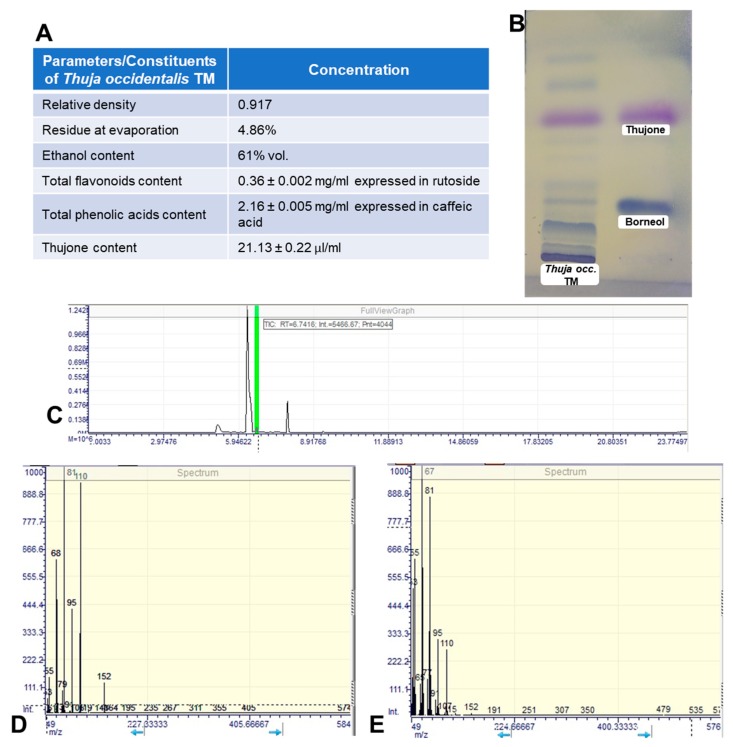
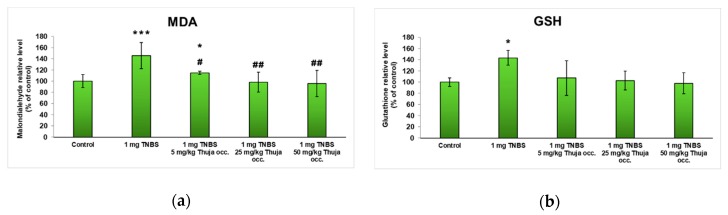
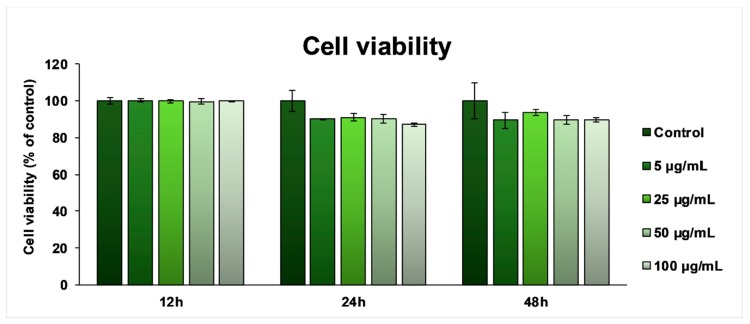
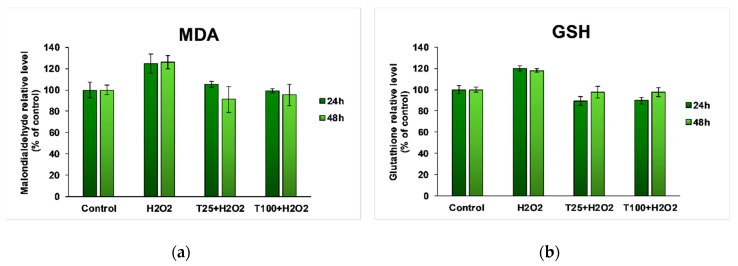
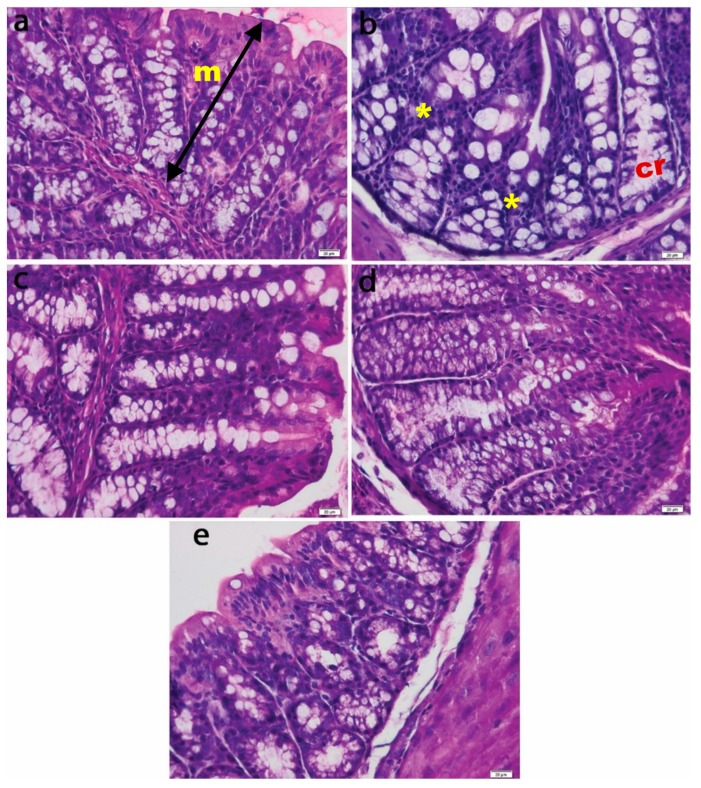
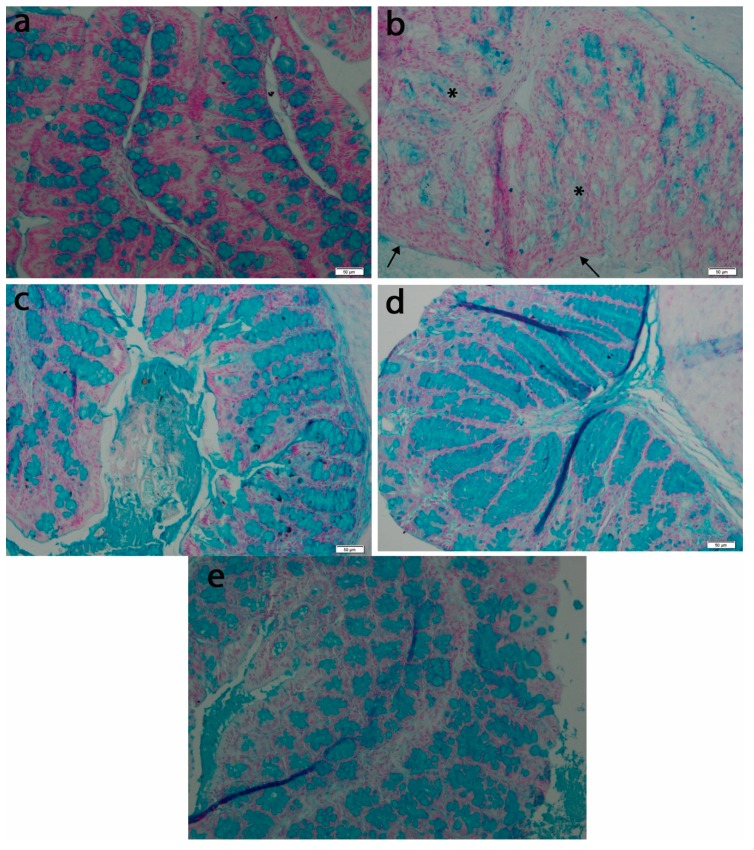
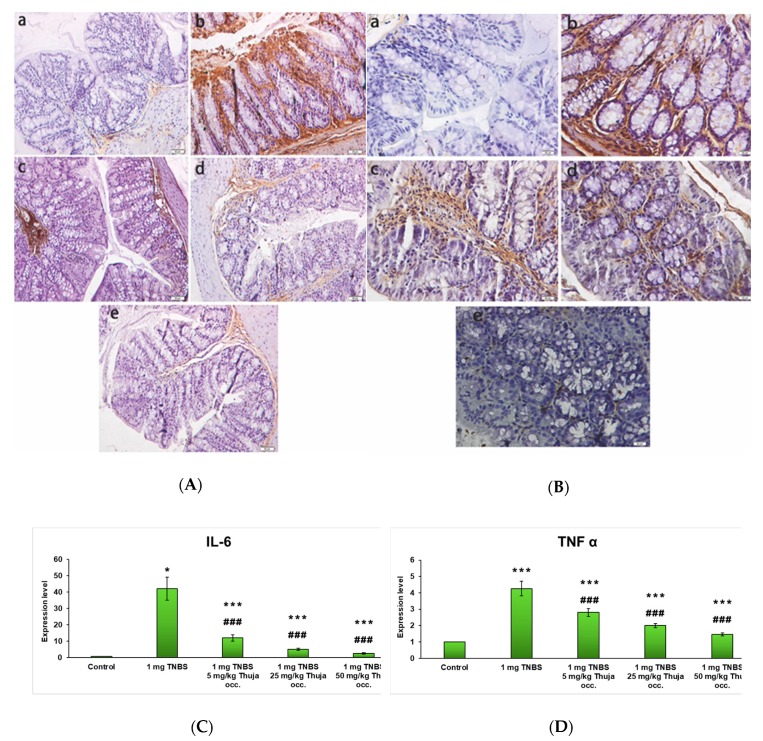
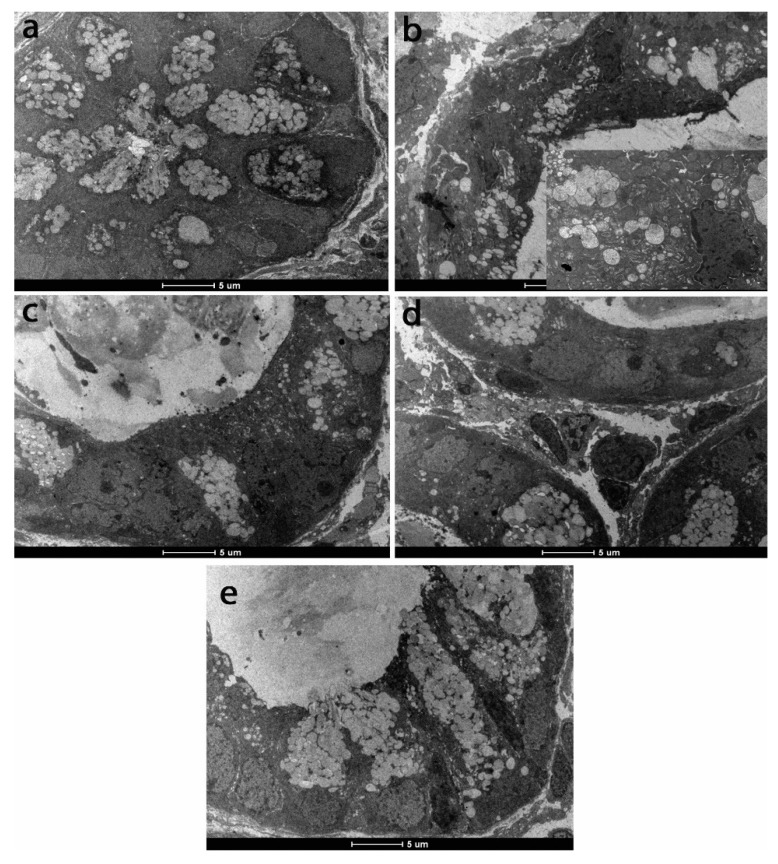
Inflammatory bowel disease (IBD) represents a group of chronic autoimmune and idiopathic disorders that are characteristic of industrialized countries. In contrast to drug therapies, which exert several side effects, herbal remedies have constantly attracted the attention of researchers. Therefore, in the present study, a mother tincture (MT) from fresh, young, non-woody L. branches with leaves was obtained using distillation-based techniques. Further, this was used to assess its in vitro and in vivo antioxidant activities and anti-inflammatory properties, and to validate it as a potential phytotherapeutic treatment for IBD. The characterization of the tincture included common phytochemical screening assays for antioxidant capacity measurement, cell viability assays on Caco-2 colon cells, and in vivo assessment of antioxidant and anti-inflammatory effects by histopathological and ultrastructural analysis of the intestinal mucosa, measurement of reduced glutathione, lipid peroxidation, and gene expression of the inflammation markers (interleukin-6 and tumor necrosis factor-α) in intestine after oral administration to an experimental mouse model of colon inflammation (colitis) developed by intrarectal administration of 2,4,6-trinitrobenzenesulfonic acid (TNBS). Our study proved that administration of 25 or 50 mg MT/kg of body weight/day by gavage for 7 days succeeded in inhibiting the inflammatory process induced by TNBS in the intestine, most probably because of its rich contents of flavonoids and phenolic compounds. These data could contribute to the formulation of therapeutic products based on that could come to the aid of IBD patients.
炎症性肠病(IBD)是一组在工业化国家较为常见的慢性自身免疫性和特发性疾病。与具有多种副作用的药物疗法不同,草药疗法一直吸引着研究人员的关注。因此,在本研究中,采用蒸馏技术从新鲜、幼嫩、非木质的L.枝叶中获得了母酊剂(MT)。此外,还对其体外和体内抗氧化活性及抗炎特性进行了评估,并验证其作为IBD潜在植物治疗方法的有效性。该酊剂的特性包括用于测量抗氧化能力的常见植物化学筛选分析、对Caco-2结肠细胞的细胞活力分析,以及通过对肠道黏膜进行组织病理学和超微结构分析、测量还原型谷胱甘肽、脂质过氧化以及口服给予由直肠内注射2,4,6-三硝基苯磺酸(TNBS)诱导的结肠炎症(结肠炎)实验小鼠模型后肠道中炎症标志物(白细胞介素-6和肿瘤坏死因子-α)的基因表达,来进行体内抗氧化和抗炎作用评估。我们的研究证明,通过灌胃给予25或50毫克MT/千克体重/天,持续7天,成功抑制了TNBS在肠道中诱导的炎症过程,这很可能是因为其富含黄酮类化合物和酚类化合物。这些数据有助于基于此开发治疗产品,从而帮助IBD患者。