Córcoles-Parada Marta, Giménez-Mateo Rocio, Serrano-Del-Pueblo Victor, López Leidy, Pérez-Hernández Elena, Mansilla Francisco, Martínez Andres, Onsurbe Ignacio, San Roman Paloma, Ubero-Martinez Mar, Clayden Jonathan D, Clark Chris A, Muñoz-López Mónica
Human Neuroanatomy Laboratory, School of Medicine and Regional Centre for Biomedical Research, University of Castilla-La Mancha, Albacete, Spain.
Department of Psychology, University of Area Andina, Bogotá, Colombia.
Front Psychol. 2019 Sep 6;10:1942. doi: 10.3389/fpsyg.2019.01942. eCollection 2019.
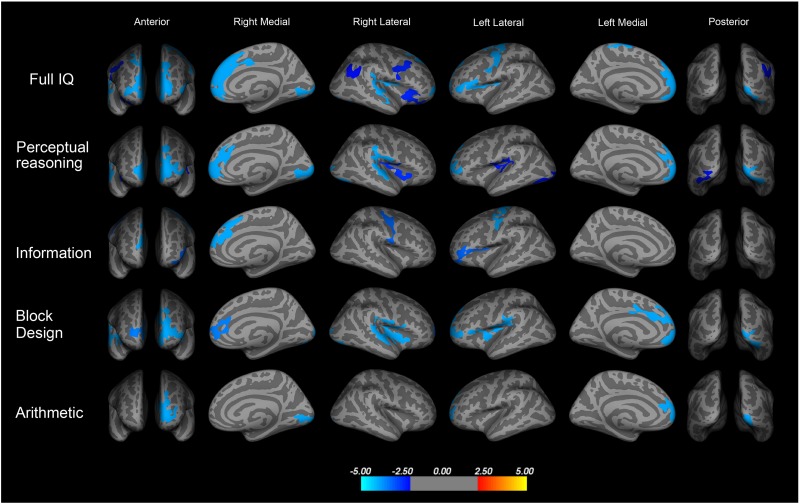
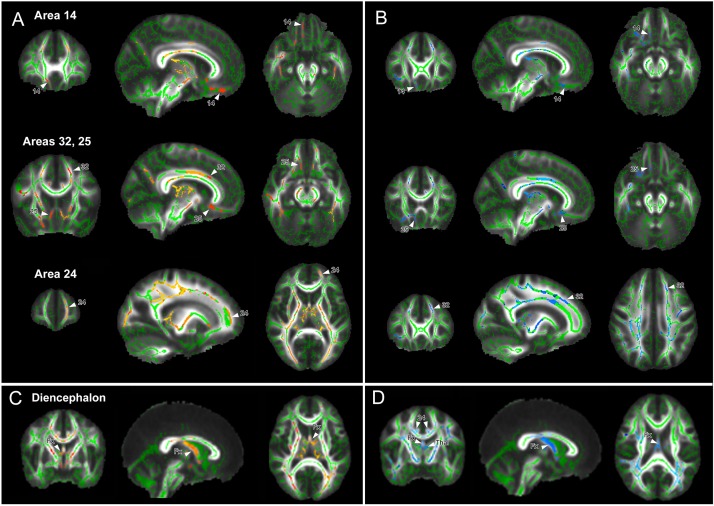
Prematurity presents a risk for higher order cognitive functions. Some of these deficits manifest later in development, when these functions are expected to mature. However, the causes and consequences of prematurity are still unclear. We conducted a longitudinal study to first identify clinical predictors of ultrasound brain abnormalities in 196 children born very preterm (VP; gestational age ≤32 weeks) and with very low birth weight (VLBW; birth weight ≤1500 g). At ages 8-16, the subset of VP-VLBW children without neurological findings (124) were invited for a neuropsychological assessment and an MRI scan (41 accepted). Of these, 29 met a rigorous criterion for MRI quality and an age, and gender-matched control group ( = 14) was included in this study. The key findings in the VP-VLBW neonates were: (a) 37% of the VP-VLBW neonates had ultrasound brain abnormalities; (b) gestational age and birth weight collectively with hospital course (i.e., days in hospital, neonatal intensive care, mechanical ventilation and with oxygen therapy, surgeries, and retinopathy of prematurity) predicted ultrasound brain abnormalities. At ages 8-16, VP-VLBW children showed: a) lower intelligent quotient (IQ) and executive function; b) decreased gray and white matter (WM) integrity; (c) IQ correlated negatively with cortical thickness in higher order processing cortical areas. In conclusion, our data indicate that facets of executive function and IQ are the most affected in VP-VLBW children likely due to altered higher order cortical areas and underlying WM.
早产会对高阶认知功能构成风险。其中一些缺陷在发育后期才会显现,而此时这些功能本应成熟。然而,早产的原因和后果仍不明确。我们进行了一项纵向研究,首先确定196名极早产儿(VP;胎龄≤32周)和极低出生体重儿(VLBW;出生体重≤1500克)超声脑异常的临床预测因素。在8至16岁时,邀请无神经学检查结果的VP-VLBW儿童亚组(124名)进行神经心理学评估和MRI扫描(41名接受)。其中,29名符合MRI质量以及年龄和性别匹配的严格标准,本研究纳入了对照组(n = 14)。VP-VLBW新生儿的主要发现为:(a)37%的VP-VLBW新生儿存在超声脑异常;(b)胎龄、出生体重以及住院病程(即住院天数、新生儿重症监护、机械通气和氧疗、手术以及早产儿视网膜病变)共同预测超声脑异常。在8至16岁时,VP-VLBW儿童表现出:a)智商(IQ)和执行功能较低;b)灰质和白质(WM)完整性降低;(c)IQ与高阶处理皮质区域的皮质厚度呈负相关。总之,我们的数据表明,执行功能和IQ方面在VP-VLBW儿童中受影响最大,这可能是由于高阶皮质区域和潜在WM发生了改变。