Wang Yiwei, Shi Liujun, Wu Haoping, Li Qingyang, Hu Wei, Zhang Zhenbao, Huang Langhuan, Zhang Jingxian, Chen Dengjie, Deng Suiping, Tan Shaozao, Jiang Zhenyou
Department of Microbiology and Immunology, School of Medicine, Jinan University, Guangzhou 510632, China.
Guangdong Engineering & Technology Research Centre of Graphene-Like Materials and Products, Department of Chemistry, College of Chemistry and Materials Science, Jinan University, Guangzhou 510632, China.
ACS Omega. 2019 Sep 11;4(13):15373-15381. doi: 10.1021/acsomega.9b01291. eCollection 2019 Sep 24.
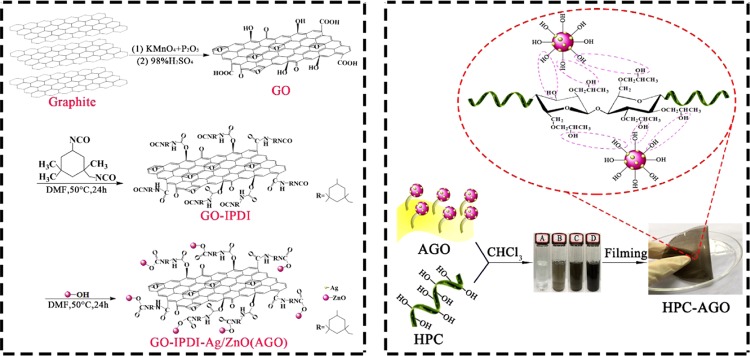
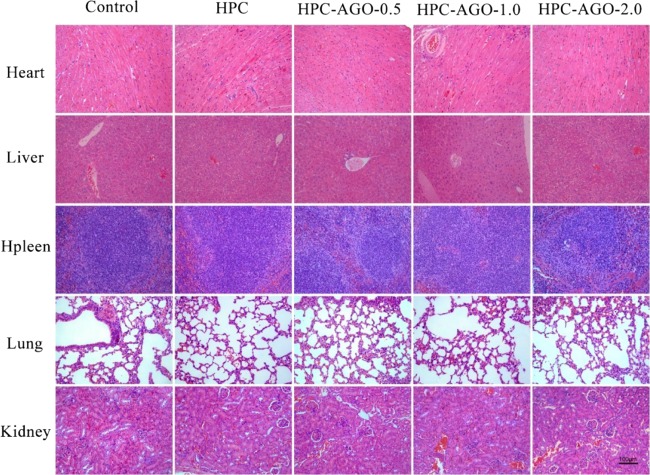
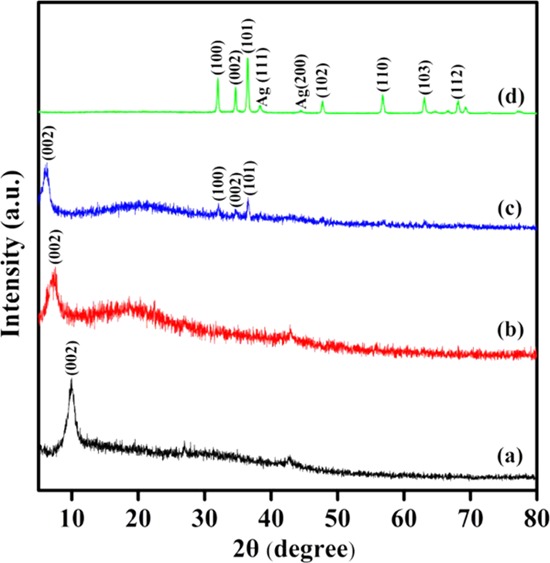
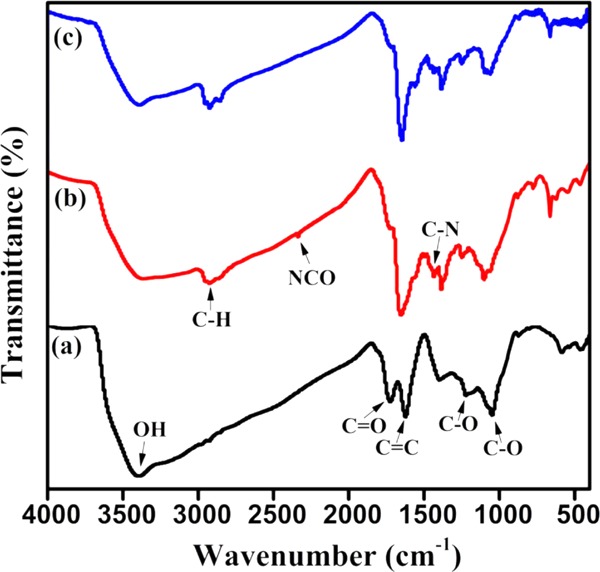
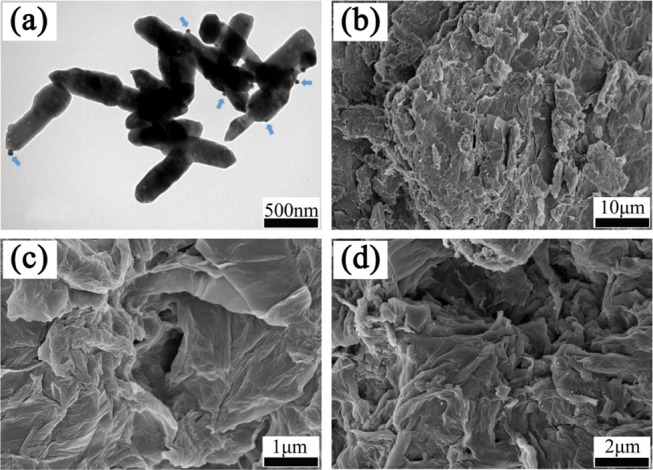
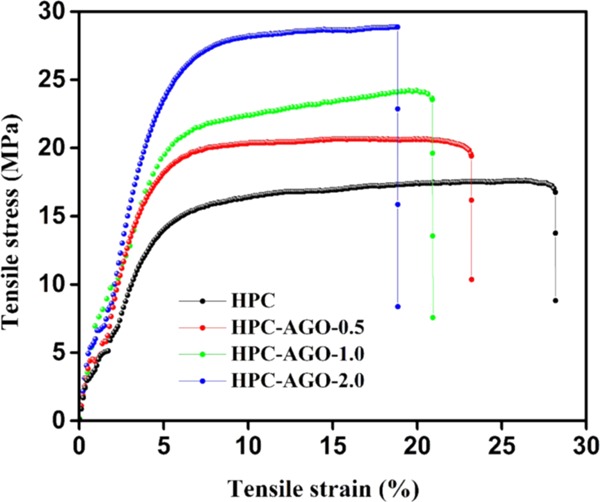
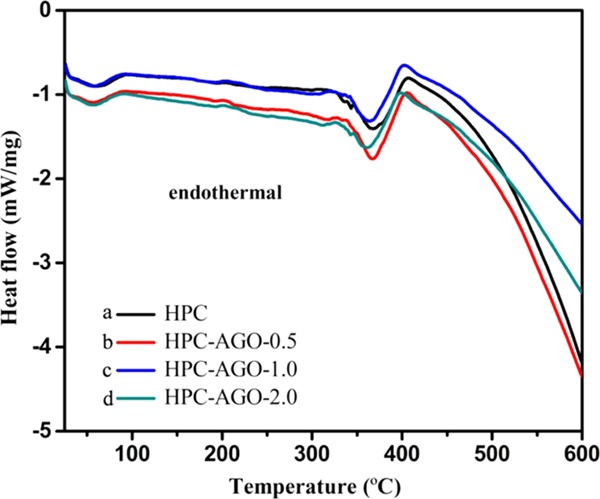
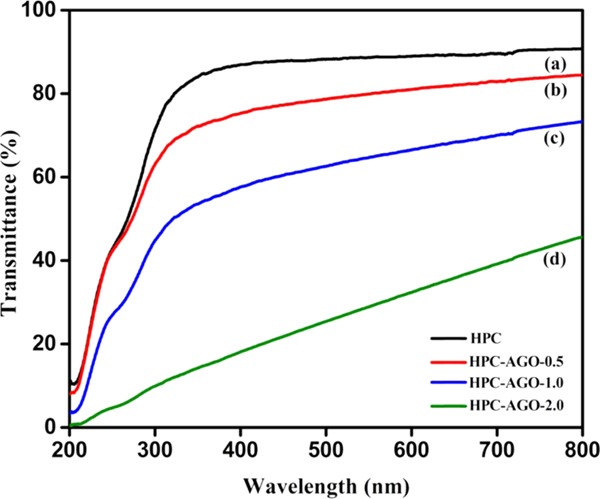
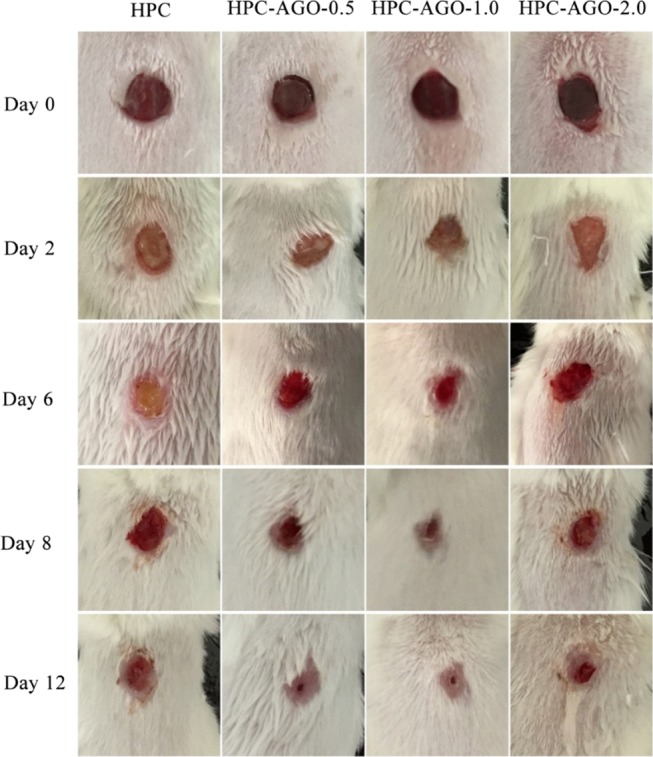
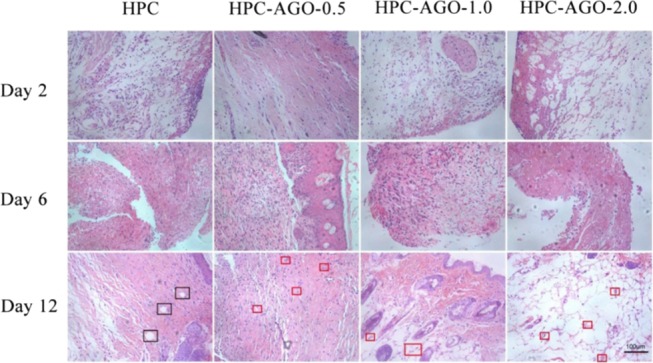
In this work, we proposed a feasible approach to prepare multifunctional composite films by introducing a nanoscaled filler into a polymer matrix. Specifically, thanks to isophorone diisocyanate (IPDI) acting as a coupling agent, the hydroxyl groups and carboxyl groups on the surface of graphene oxide (GO) and the hydroxyl groups on the surface of silver-coated zinc oxide nanoparticles (Ag/ZnO) are covalently grafted, forming GO-IPDI-Ag/ZnO (AGO). The prepared AGO was then introduced into the hydroxypropyl cellulose (HPC) matrix to form AGO@HPC nanocomposite films by solution blending. AGO@HPC nanocomposite films exhibited improved mechanical, anti-ultraviolet, and antibacterial properties. Specifically, a tensile test showed that the tensile strength of the prepared AGO@HPC nanocomposite film with the addition of as low as 0.5 wt % AGO was increased by about 16.2% compared with that of the pure HPC film. In addition, AGO@HPC nanocomposite films showed a strong ultraviolet resistance and could effectively inactivate both Gram-negative () and Gram-positive () bacteria at a low loading of AGO, and rapid sterilization plays a crucial role in wound-healing. In vivo results show that the AGO@HPC release of Ag and Zn stimulates the immune function to produce a large number of white blood cells and neutrophils, thereby producing the synergistic antibacterial effects and accelerated wound-healing. Therefore, our results suggest that these novel AGO@HPC nanocomposite films with improved mechanical, anti-ultraviolet, and antibacterial properties could be promising candidates for antibacterial packaging, biological wound-dressing, etc. The abuse of antibiotics has brought about serious drug-resistant bacteria, and our nanofilm antibacterial does not entail such problems. In addition, local administration reduces the possibility of changing the body's immune system and organ toxicity, which greatly increases the safety.
在本工作中,我们提出了一种可行的方法,通过将纳米级填料引入聚合物基体中来制备多功能复合薄膜。具体而言,由于异佛尔酮二异氰酸酯(IPDI)作为偶联剂,氧化石墨烯(GO)表面的羟基和羧基与银包覆氧化锌纳米颗粒(Ag/ZnO)表面的羟基发生共价接枝,形成GO-IPDI-Ag/ZnO(AGO)。然后将制备好的AGO引入羟丙基纤维素(HPC)基体中,通过溶液共混形成AGO@HPC纳米复合薄膜。AGO@HPC纳米复合薄膜表现出改善的机械性能、抗紫外线性能和抗菌性能。具体来说,拉伸试验表明,添加低至0.5 wt% AGO的制备的AGO@HPC纳米复合薄膜的拉伸强度与纯HPC薄膜相比提高了约16.2%。此外,AGO@HPC纳米复合薄膜表现出很强的抗紫外线能力,并且在AGO负载量较低时就能有效灭活革兰氏阴性菌和革兰氏阳性菌,快速杀菌在伤口愈合中起着关键作用。体内结果表明,AGO@HPC释放的Ag和Zn刺激免疫功能,产生大量白细胞和中性粒细胞,从而产生协同抗菌作用并加速伤口愈合。因此,我们的结果表明,这些具有改善的机械性能、抗紫外线性能和抗菌性能的新型AGO@HPC纳米复合薄膜有望用于抗菌包装、生物伤口敷料等。抗生素的滥用带来了严重的耐药菌问题,而我们的纳米薄膜抗菌不存在此类问题。此外,局部给药降低了改变人体免疫系统和器官毒性的可能性,大大提高了安全性。