Center for Neural Informatics, Structure, & Plasticity, Krasnow Institute for Advanced Study, George Mason University, Fairfax, Virginia.
Hippocampus. 2020 May;30(5):472-487. doi: 10.1002/hipo.23165. Epub 2019 Oct 9.
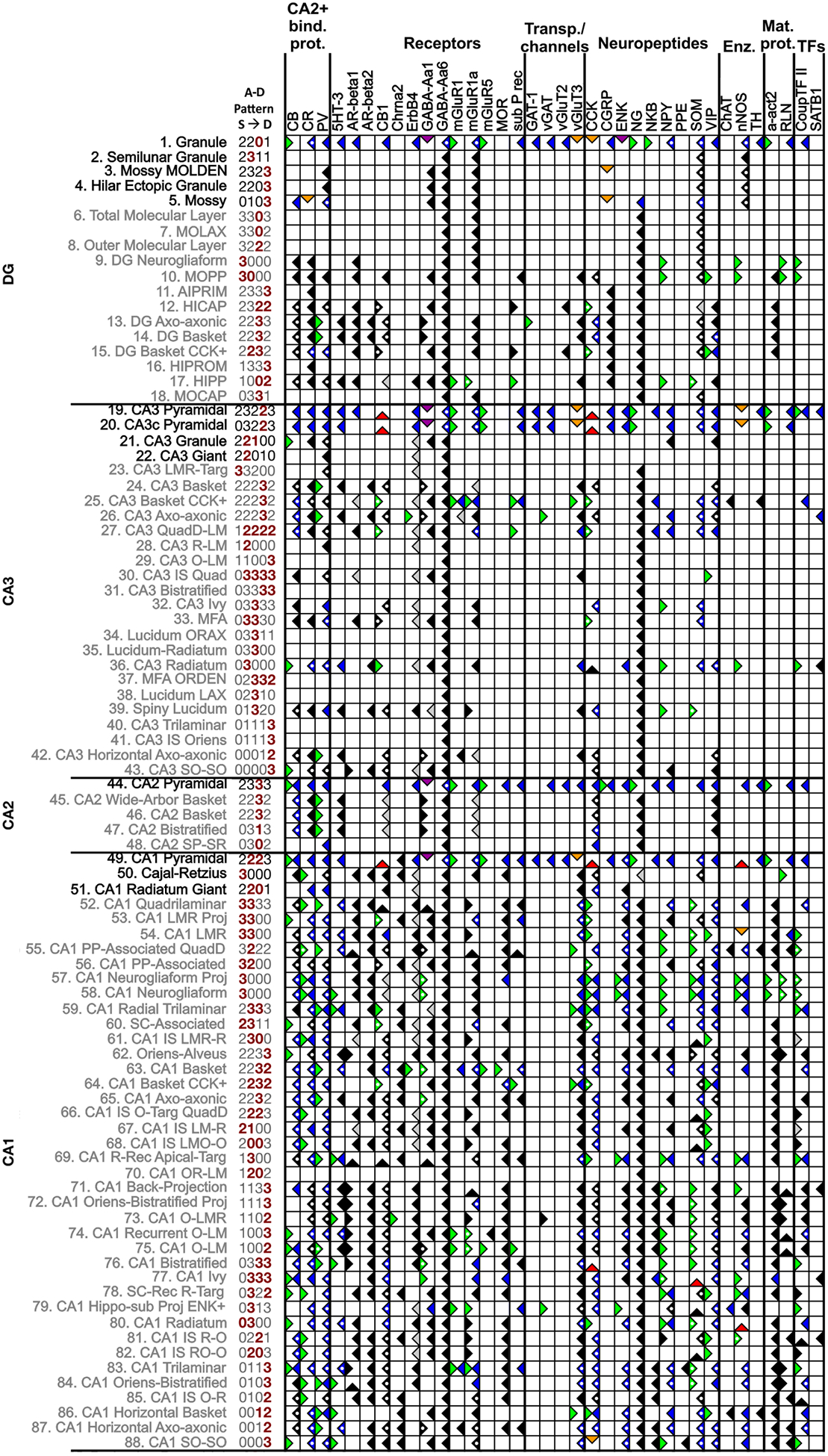
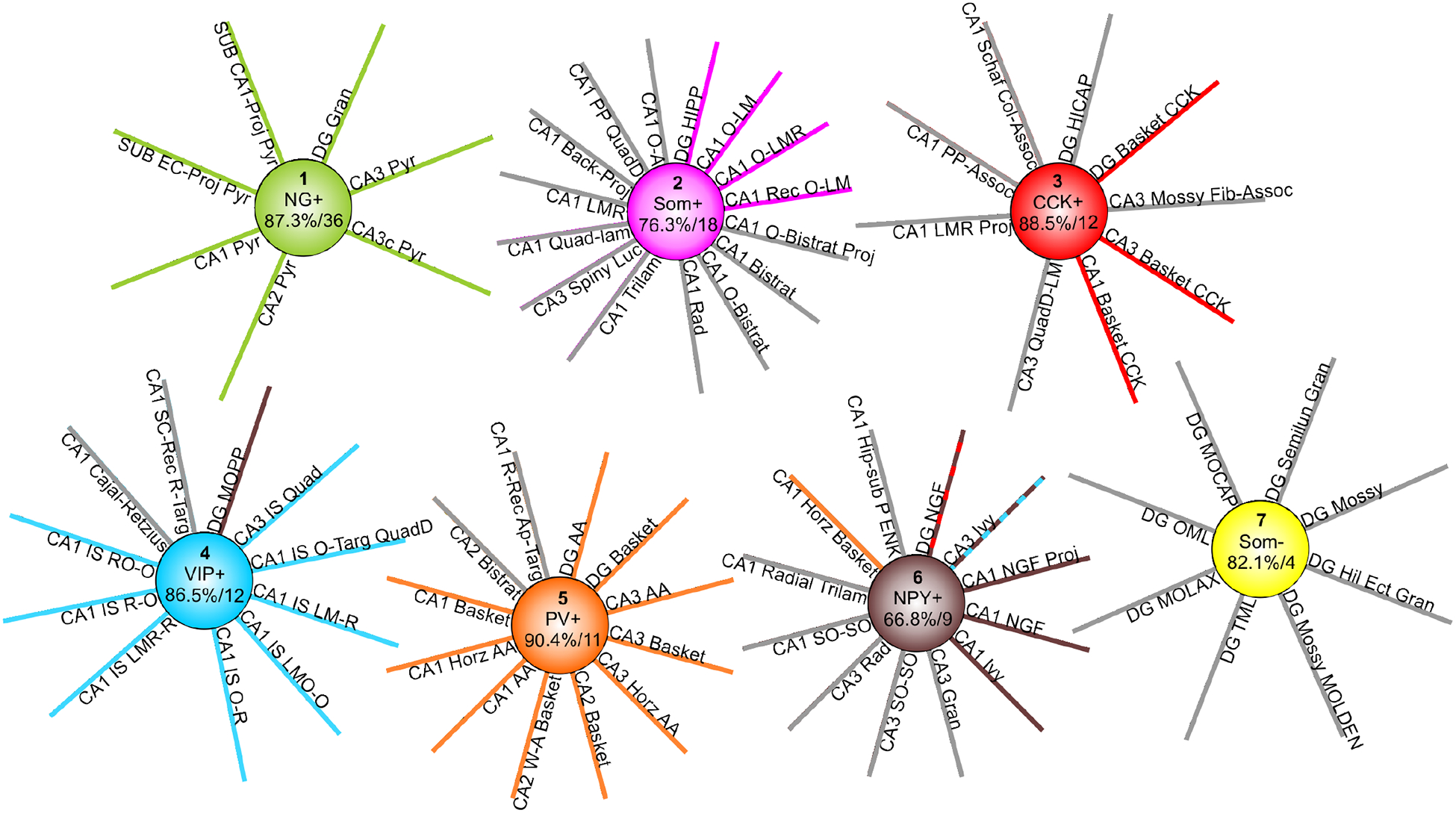
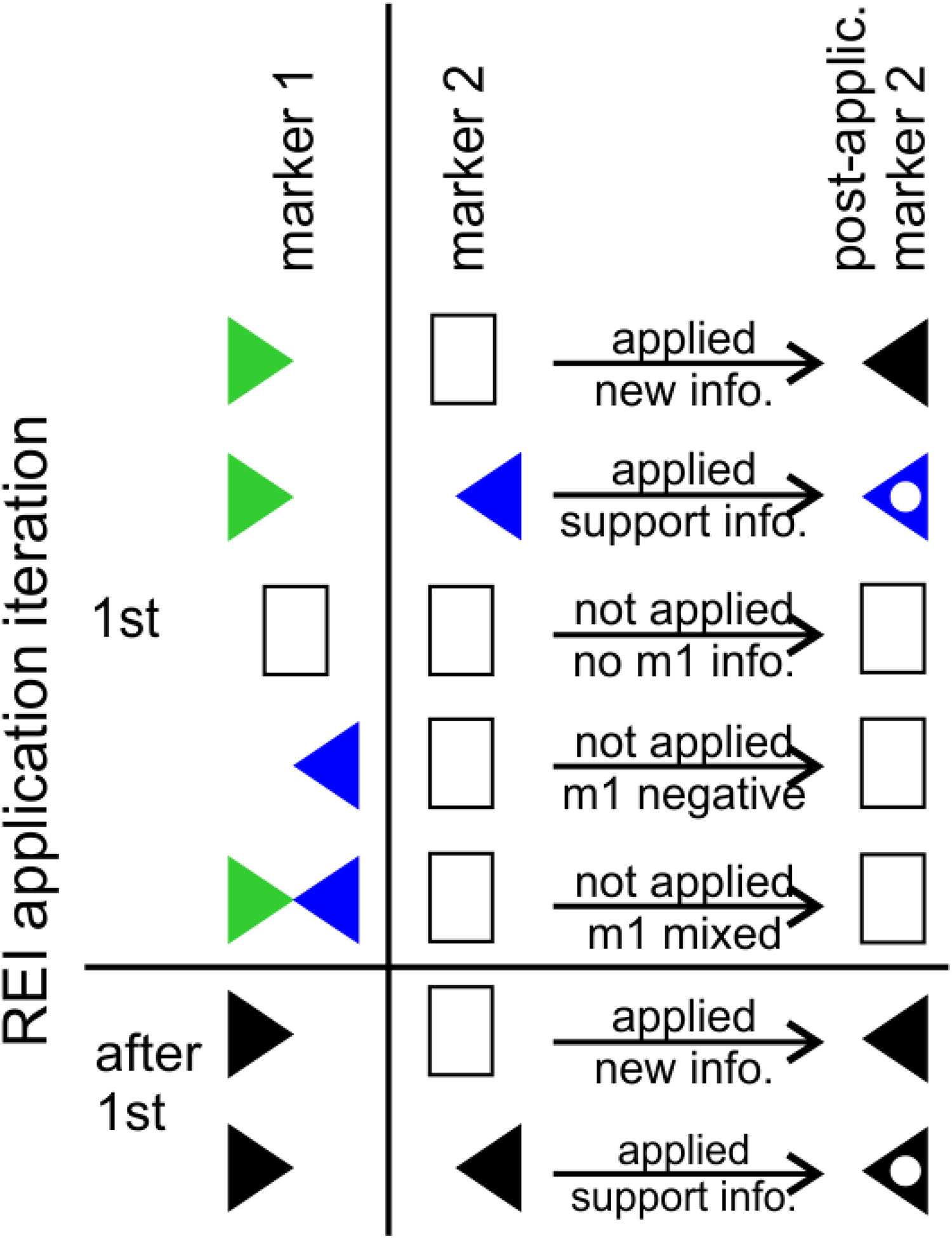
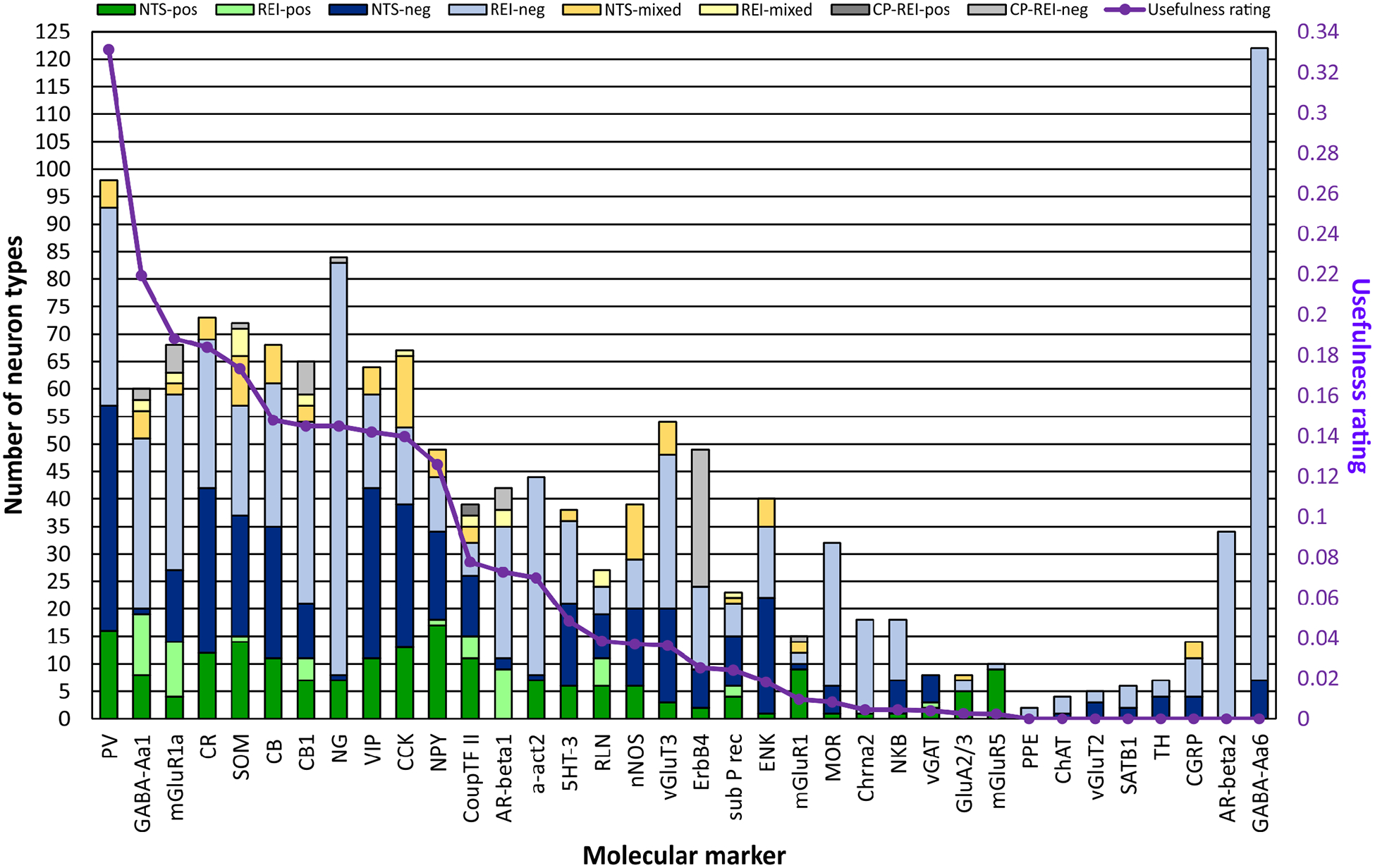
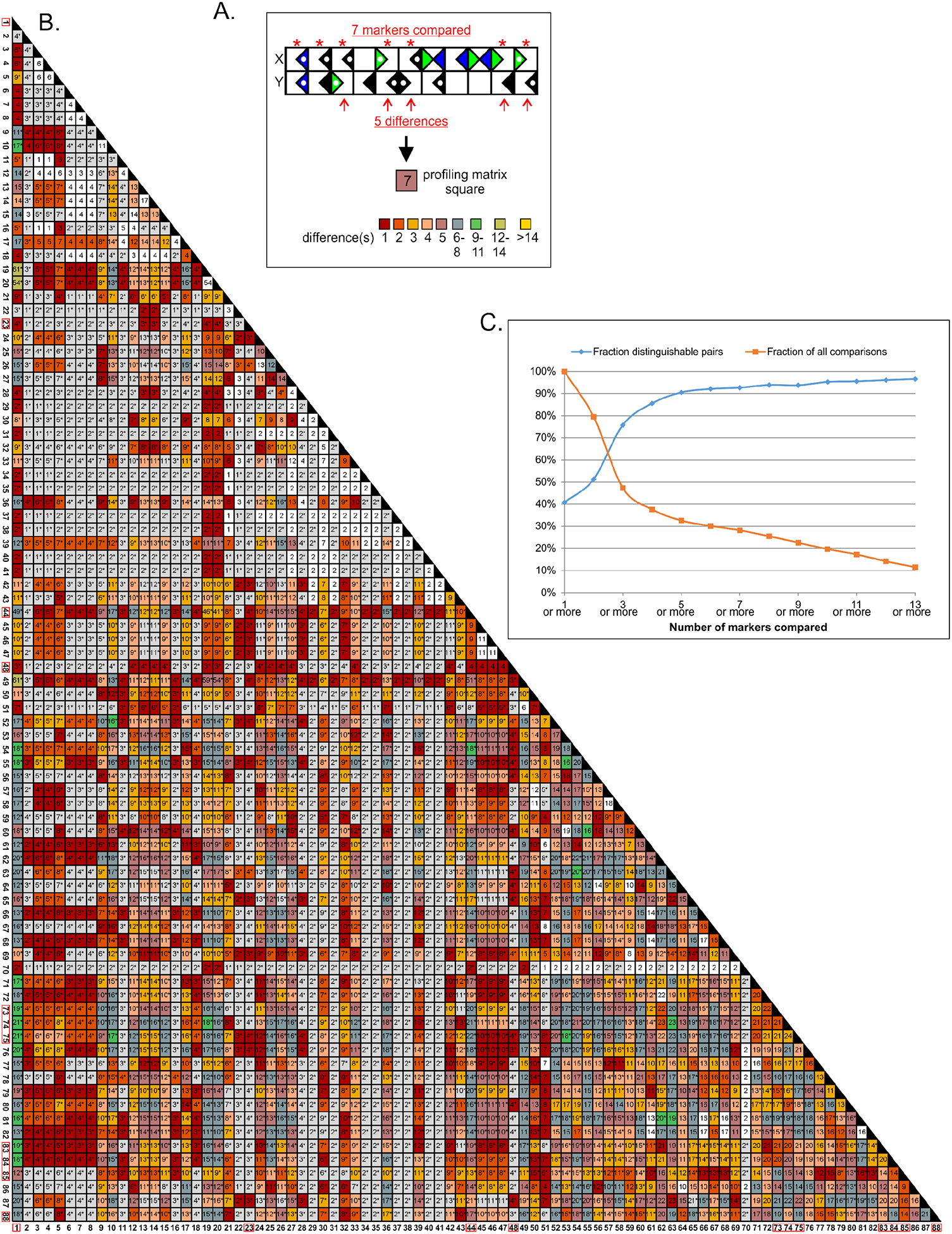
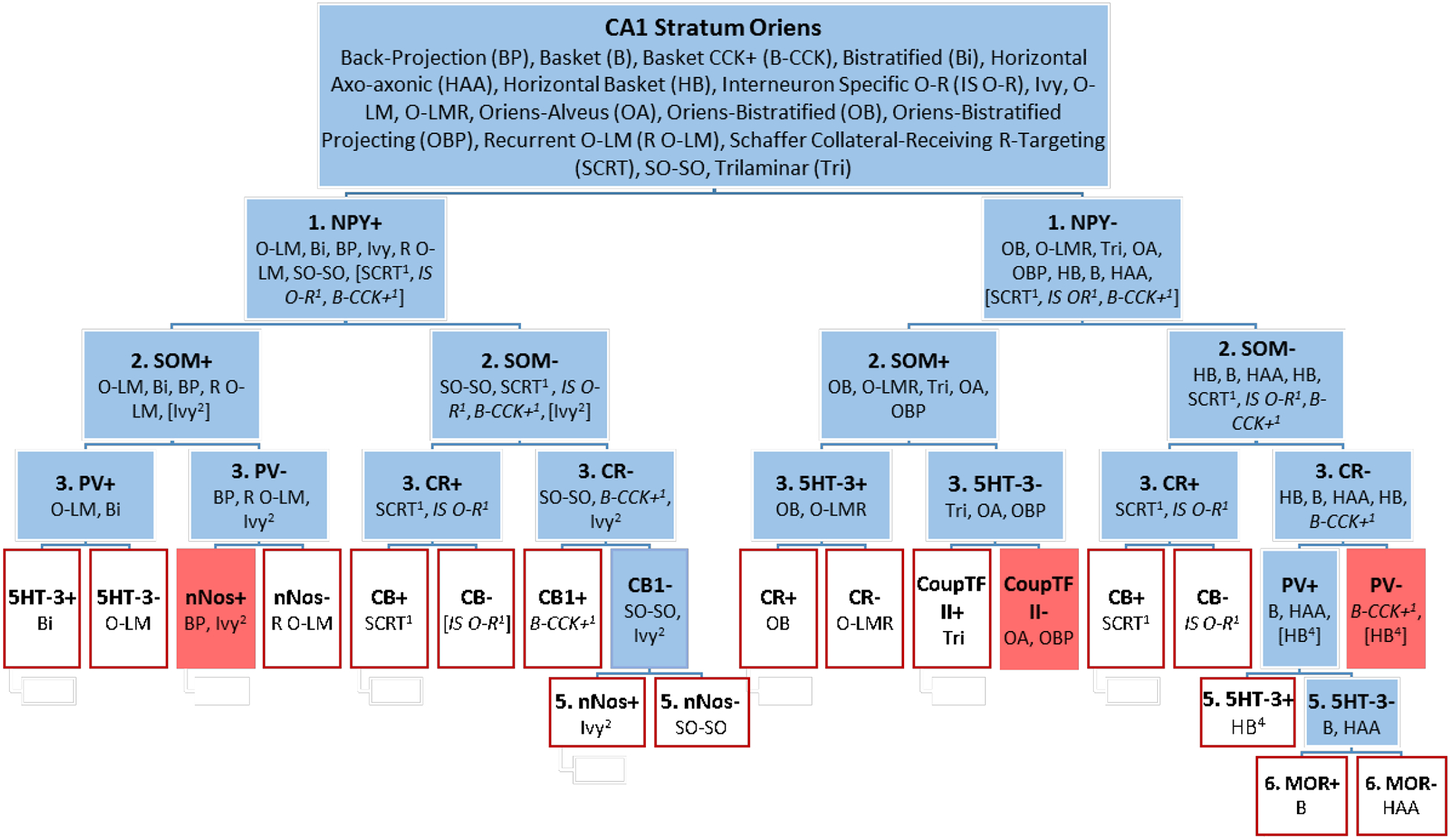
Gene and protein expressions are key determinants of cellular function. Neurons are the building blocks of brain circuits, yet the relationship between their molecular identity and the spatial distribution of their dendritic inputs and axonal outputs remains incompletely understood. The open-source knowledge base Hippocampome.org amasses such transcriptomic data from the scientific literature for morphologically defined neuron types in the rodent hippocampal formation: dentate gyrus, CA3, CA2, CA1, subiculum, and entorhinal cortex. Positive, negative, or mixed expression reports were initially obtained from published articles directly connecting molecular evidence to neurons with known axonal and dendritic patterns across hippocampal layers. Here, we supplement this information by collating, formalizing, and leveraging relational expression inferences that link a gene or protein expression or lack thereof to that of another molecule or to an anatomical location. With these additional interpretations, we freely release online a comprehensive human- and machine-readable molecular profile for more than 100 neuron types in Hippocampome.org. Analysis of these data ascertains the ability to distinguish unequivocally most neuron types in each of the major subdivisions of the hippocampus based on currently known biochemical markers. Moreover, grouping neuron types by expression similarity reveals eight superfamilies characterized by a few defining molecules.
基因和蛋白质表达是细胞功能的关键决定因素。神经元是大脑回路的构建块,但它们的分子特征与其树突输入和轴突输出的空间分布之间的关系仍不完全清楚。开源知识库 Hippocampome.org 从科学文献中积累了来自啮齿动物海马结构中形态定义的神经元类型的转录组数据:齿状回、CA3、CA2、CA1、下托和内嗅皮层。阳性、阴性或混合表达报告最初是从直接将分子证据与具有已知轴突和树突模式的神经元联系起来的已发表文章中获得的,这些神经元跨越海马层。在这里,我们通过整理、形式化和利用将基因或蛋白质表达或缺乏与另一种分子或解剖位置联系起来的关系表达推断来补充这些信息。有了这些额外的解释,我们在 Hippocampome.org 上免费发布了一个超过 100 种神经元类型的全面、人工和机器可读的分子图谱。对这些数据的分析证实了根据目前已知的生化标志物,能够明确区分海马体主要细分区域中的大多数神经元类型的能力。此外,根据表达相似性对神经元类型进行分组,揭示了由少数定义分子特征的八个超家族。