Department of Biochemistry & Molecular Biology, The Pennsylvania State University, University Park, PA, 16802 and.
Faculty of Pharmaceutical Sciences, Ritsumeikan University, 1-1-1 Nojihigashi, Kusatsu, Shiga, 525-8577, JAPAN.
G3 (Bethesda). 2020 Jan 7;10(1):129-141. doi: 10.1534/g3.119.400730.
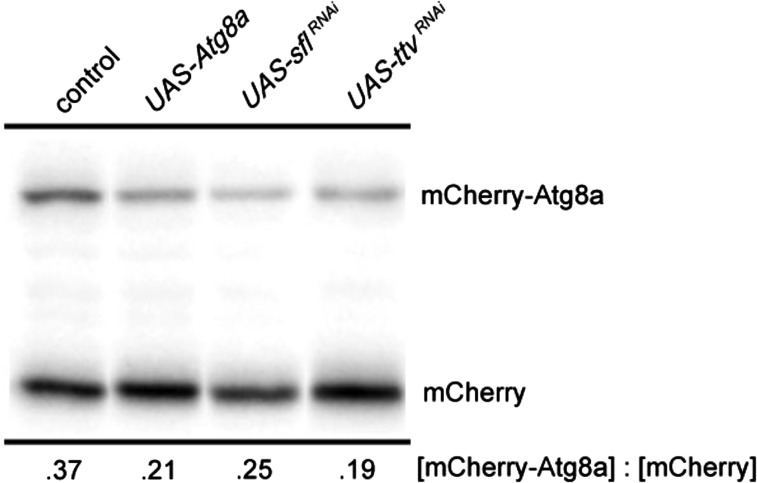
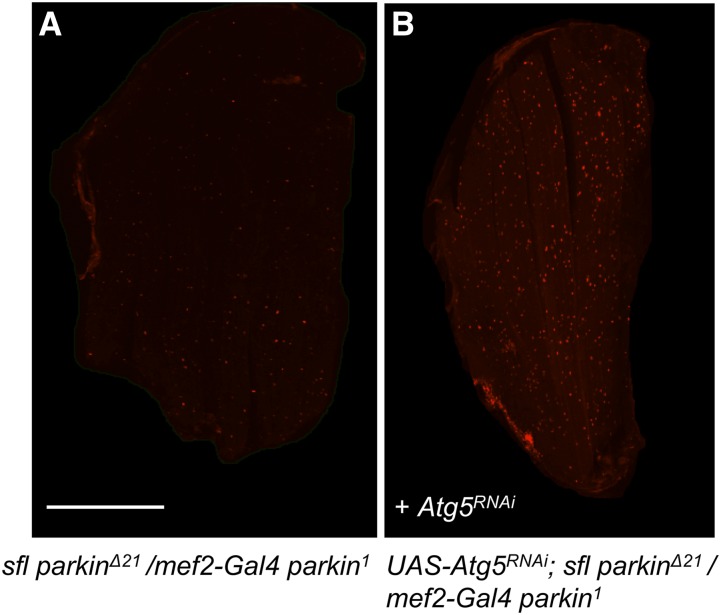
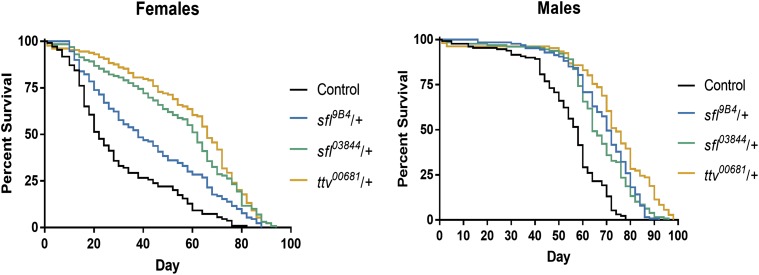
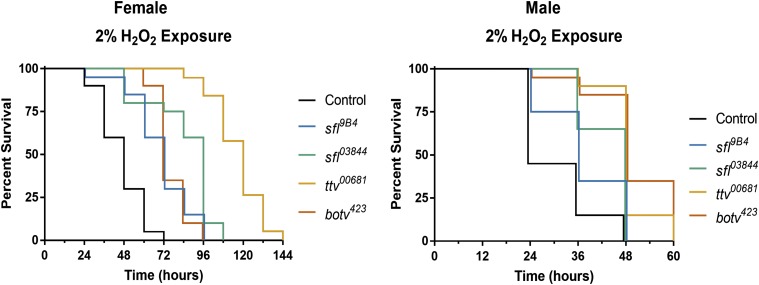
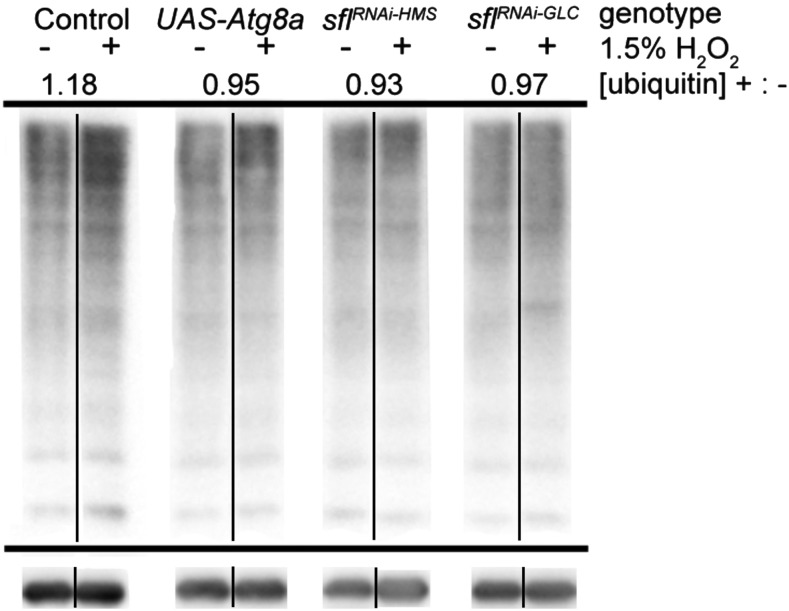
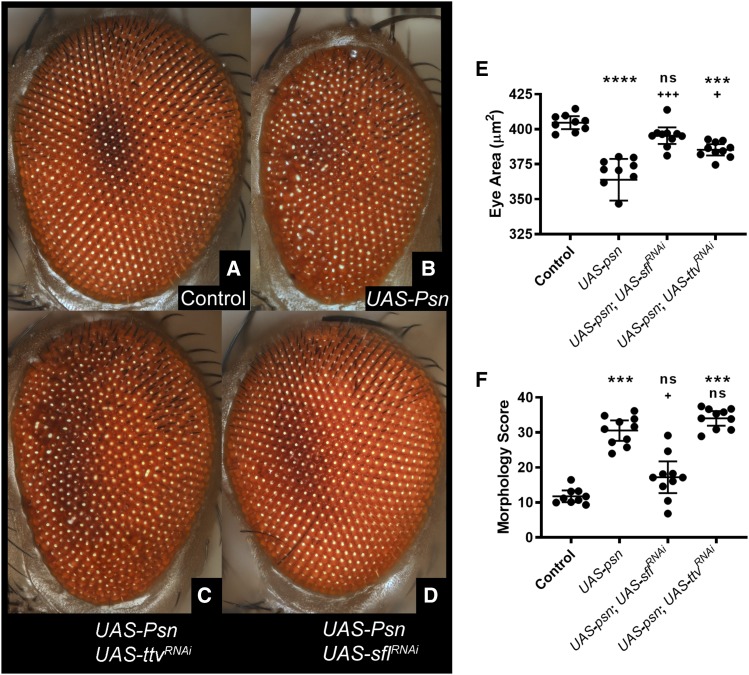
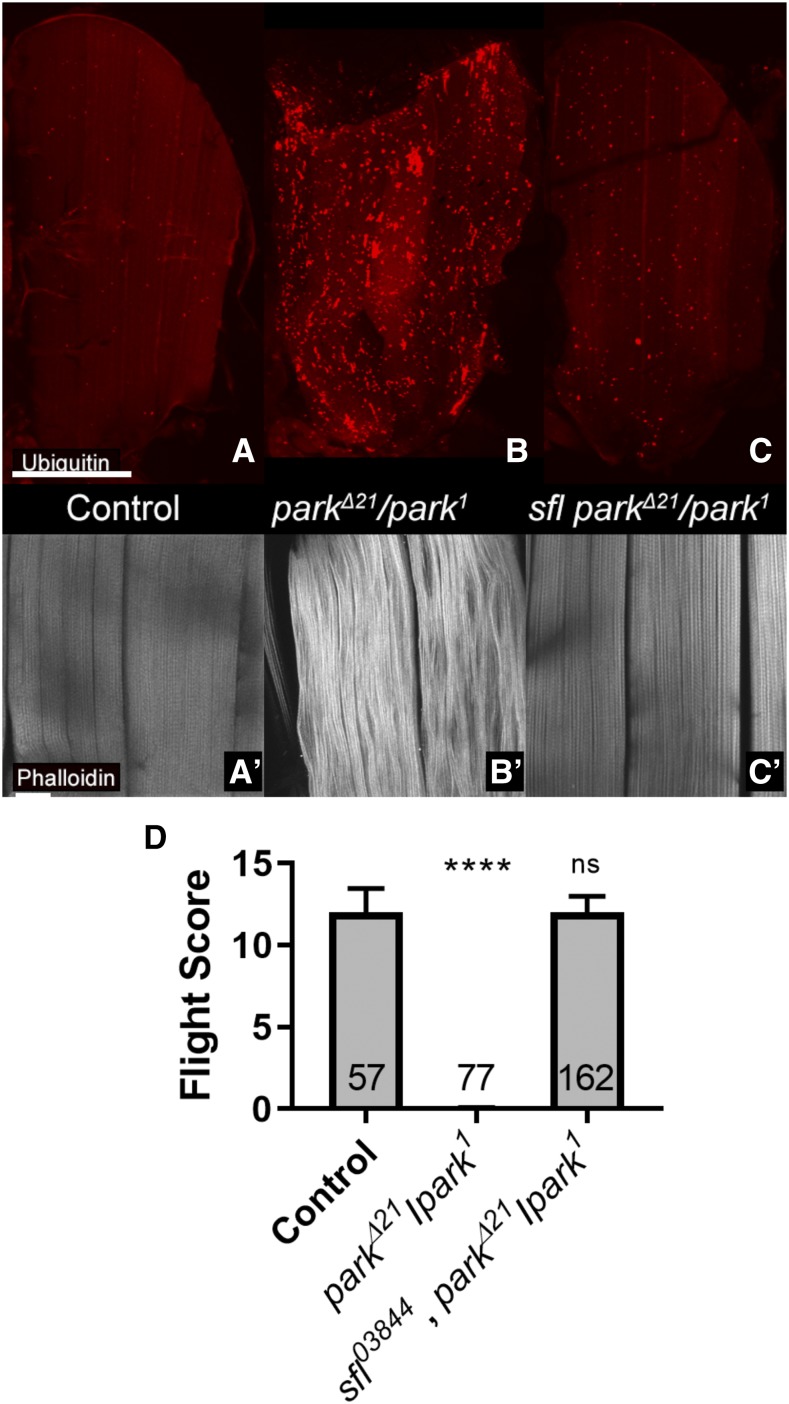
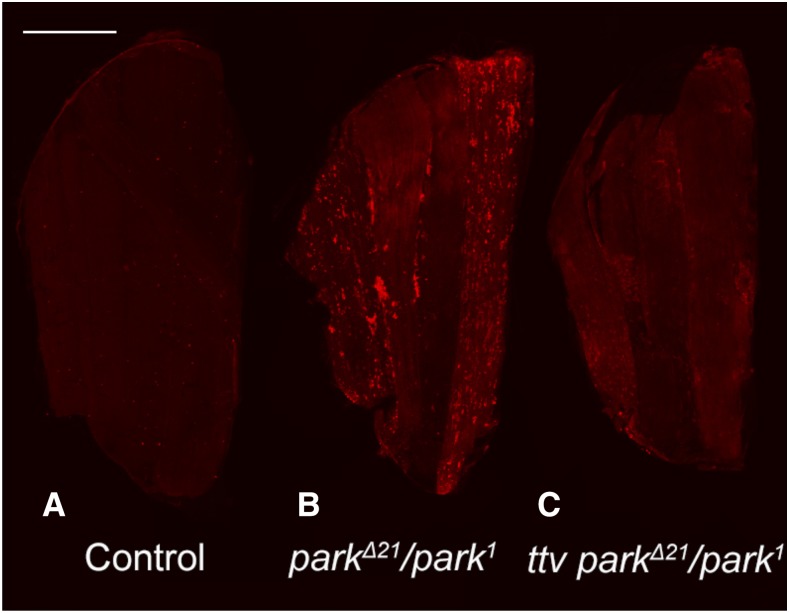
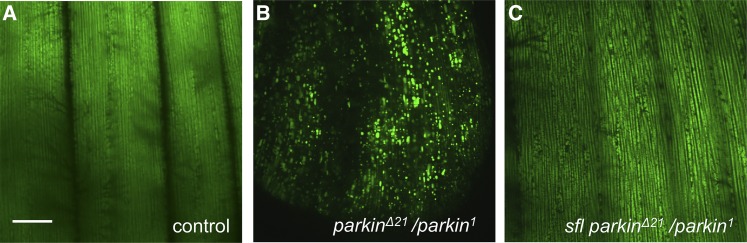
Autophagy is a catabolic process that provides cells with energy and molecular building blocks during nutritional stress. Autophagy also removes misfolded proteins and damaged organelles, a critical mechanism for cellular repair. Earlier work demonstrated that heparan sulfate proteoglycans, an abundant class of carbohydrate-modified proteins found on cell surfaces and in the extracellular matrix, suppress basal levels of autophagy in several cell types during development in In studies reported here, we examined the capacity of heparan sulfate synthesis to influence events affected by autophagy, including lifespan, resistance to reactive oxygen species (ROS) stress, and accumulation of ubiquitin-modified proteins in the brain. Compromising heparan sulfate synthesis increased autophagy-dependent processes, evident by extended lifespan, increased resistance to ROS, and reduced accumulation of ubiquitin-modified proteins in the brains of ROS exposed adults. The capacity of altering heparan sulfate biosynthesis to protect cells from injury was also evaluated in two different models of neurodegeneration, overexpression of Presenilin and mutants. Presenilin overexpression in the retina produces cell loss, and compromising heparan sulfate biosynthesis rescued retinal patterning and size abnormalities in these animals. is the fly homolog of human , one of the genes responsible for juvenile onset Parkinson's Disease. Parkin is involved in mitochondrial surveillance and compromising function results in degeneration of both flight muscle and dopaminergic neurons in Altering heparan sulfate biosynthesis suppressed flight muscle degeneration and mitochondrial dysmorphology, indicating that activation of autophagy-mediated removal of mitochondria (mitophagy) is potentiated in these animals. These findings provide evidence that altering the levels of heparan sulfate synthesis activates autophagy and can provide protection from a variety of cellular stressors.
自噬是一种分解代谢过程,可在营养压力下为细胞提供能量和分子构建块。自噬还可以清除错误折叠的蛋白质和受损的细胞器,这是细胞修复的关键机制。早期的工作表明,位于细胞表面和细胞外基质中的丰富的碳水化合物修饰蛋白——硫酸乙酰肝素蛋白聚糖,在几种细胞类型的发育过程中,会抑制基础水平的自噬。在本研究中,我们研究了硫酸乙酰肝素合成能力对自噬影响事件的影响,包括寿命、对活性氧(ROS)应激的抗性以及大脑中泛素修饰蛋白的积累。削弱硫酸乙酰肝素的合成会增加依赖自噬的过程,这表现在寿命延长、对 ROS 的抗性增加以及 ROS 暴露的成年动物大脑中泛素修饰蛋白积累减少。我们还在两种不同的神经退行性变模型中评估了改变硫酸乙酰肝素生物合成来保护细胞免受损伤的能力,这两种模型是过表达早老素和突变体。早老素在视网膜中的过表达会导致细胞丢失,而削弱硫酸乙酰肝素的生物合成可以挽救这些动物的视网膜模式和大小异常。是人类的果蝇同源物,是导致青少年发病帕金森病的基因之一。Parkin 参与线粒体监测,削弱 Parkin 功能会导致果蝇的飞行肌肉和多巴胺能神经元退化。改变硫酸乙酰肝素的生物合成抑制了飞行肌肉退化和线粒体形态异常,表明这些动物中线粒体(自噬性溶酶体)的自噬介导清除作用被增强。这些发现为改变硫酸乙酰肝素合成水平可激活自噬并为多种细胞应激提供保护提供了证据。