Faculty of Bioscience and Technology for Food, Agriculture, and Environment, University of Teramo, Via R. Balzarini 1, 64100, Teramo, Italy.
CREA Research Centre for Vegetable and Ornamental Crops, Via Cavalleggeri 25, 84098, Pontecagnano Faiano, Italy.
Sci Rep. 2019 Nov 7;9(1):16192. doi: 10.1038/s41598-019-52712-6.
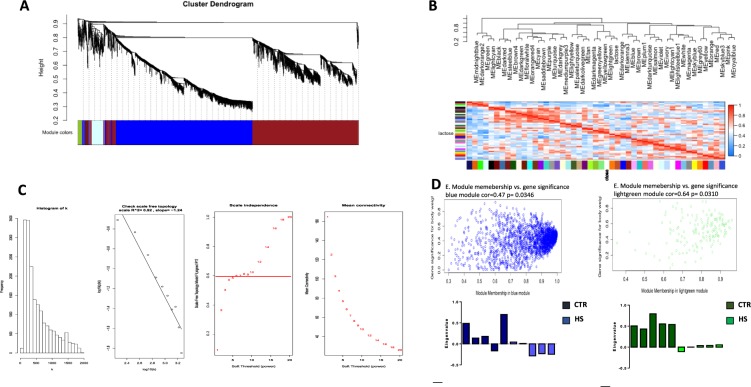
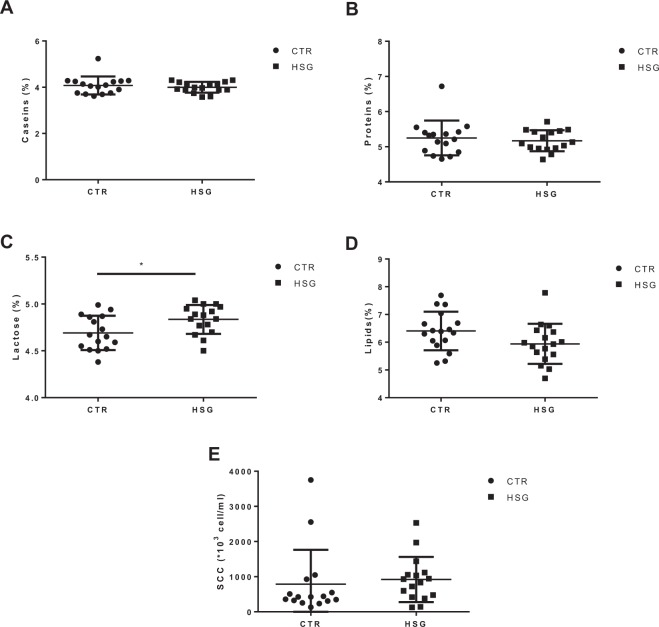
The hemp plant (Cannabis sativa L.) has a long tradition of being used for many different purposes such as industry, medicine and nutrition. In particular, because hemp seed (HS) is rich in oil protein and considerable amounts of dietary fiber, vitamins and minerals that are particularly suitable also for animal nutrition. Different studies have evaluated HS on qualitative and quantitative properties of livestock products but as of today, nobody has investigated the molecular pathway behind HS supplementation in farm animals. Thus, in this study, we will report the first RNA sequencing of the whole-blood transcriptome of ewes fed either with a controlled diet (CTR, n = 5) or with a diet supplemented with 5% of hemp seed (HSG, n = 5). Applying a false discovery rate (FDR) <0.05 and a logFC either higher than 0.5 or lower than -0.5, we identified 314 differentially regulated genes in the HS-supplemented group compared to the CTR group. Several genes encoding for different subunits belonging to the complex I, II, III, IV and ATP-synthase were up-regulated making oxidative phosphorylation (FDR: 3.05e-19) and thermogenesis (FDR: 2.17e-16) the highest up-regulated pathways in our study. Moreover, we found up-regulation in different genes involved in lactose biosyntheses such as GALK1 and PGM1 and, as a result, we observed a statistically higher lactose percentage in the HSG group (p < 0.05). These results indicate that HS supplementation positively affects the energy production pathway in lactating ewes conferring them also more resistance to adverse climatic conditions such as low temperature. Finally, the higher milk lactose content makes the derived dairy products more profitable.
大麻植物(Cannabis sativa L.)有着悠久的历史,被广泛用于工业、医学和营养等多个领域。特别是由于大麻籽(HS)富含油蛋白和大量膳食纤维、维生素和矿物质,因此特别适合用于动物营养。不同的研究已经评估了 HS 对牲畜产品的质量和数量特性,但截至目前,还没有人研究过 HS 对农场动物的补充对其分子途径的影响。因此,在这项研究中,我们将报告首例对食用对照饮食(CTR,n=5)或添加 5%大麻籽饮食(HSG,n=5)的绵羊全血转录组进行的 RNA 测序。应用 FDR<0.05 和 logFC 高于 0.5 或低于-0.5,我们在 HS 补充组中鉴定出与 CTR 组相比差异调节的 314 个基因。编码不同亚基的几个基因属于复合物 I、II、III、IV 和 ATP 合酶,这些基因被上调,使氧化磷酸化(FDR:3.05e-19)和产热(FDR:2.17e-16)成为我们研究中上调最明显的途径。此外,我们发现参与乳糖生物合成的不同基因如 GALK1 和 PGM1 上调,因此,我们观察到 HSG 组的乳糖百分比有统计学意义升高(p<0.05)。这些结果表明,HS 补充剂可积极影响哺乳期绵羊的能量产生途径,使它们对低温等不利的气候条件更具抵抗力。最后,牛奶中乳糖含量的增加使衍生乳制品更具盈利性。