Department of Molecular Genetics and Microbiology, Duke University Medical Center, Durham, NC 27710, USA.
Genes (Basel). 2019 Nov 7;10(11):901. doi: 10.3390/genes10110901.
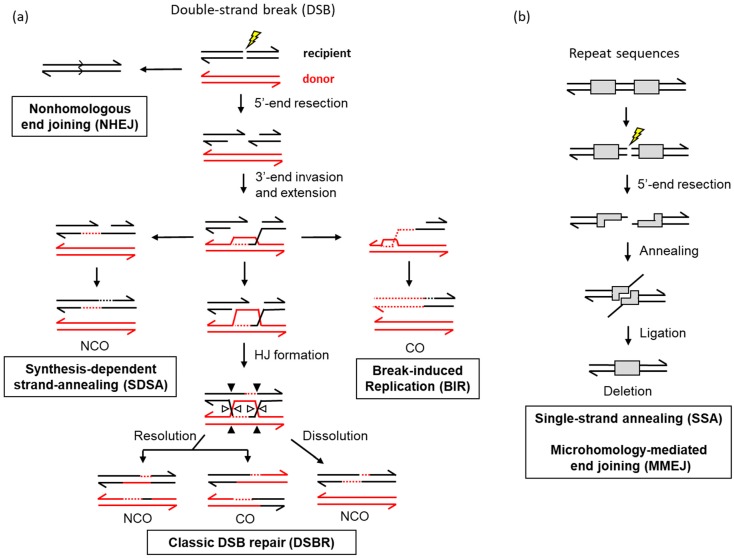
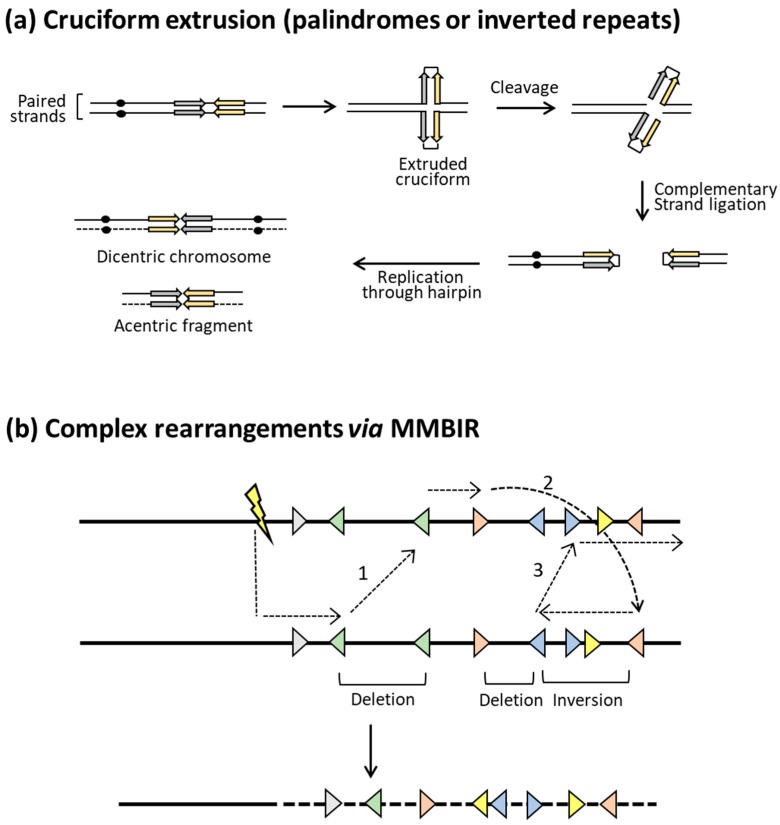
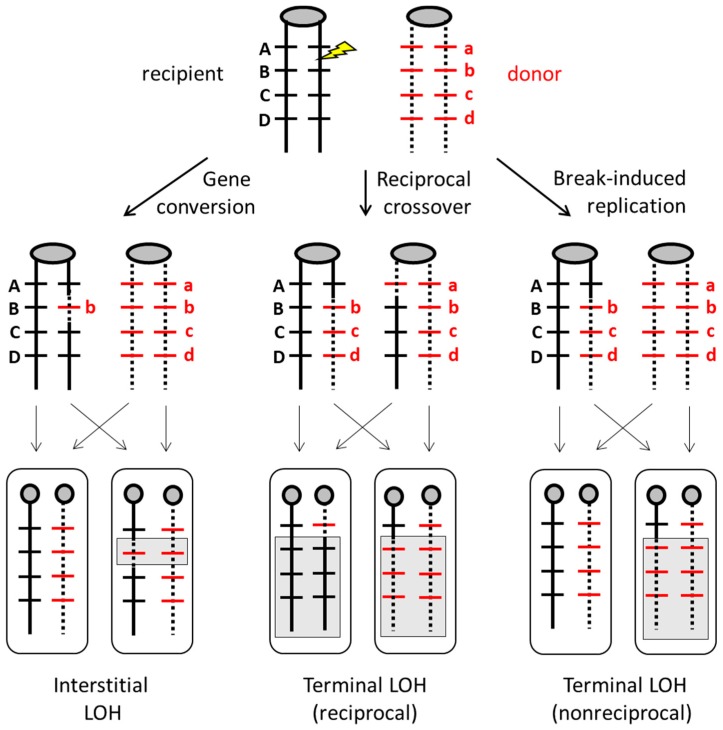
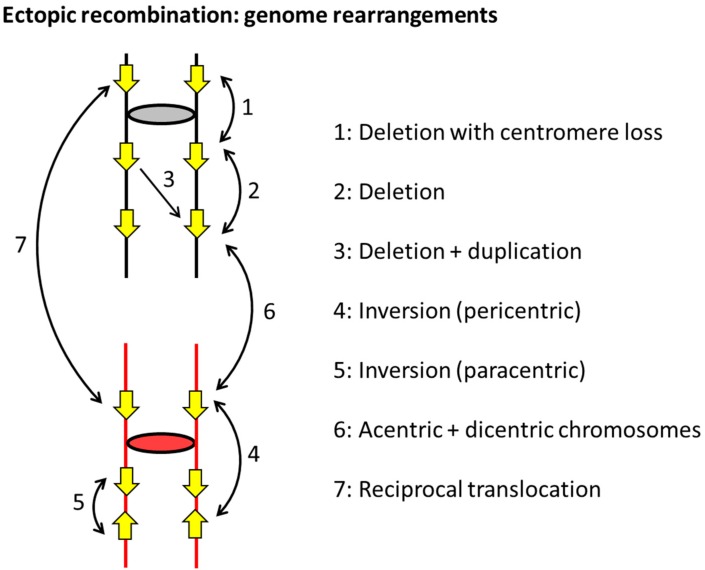
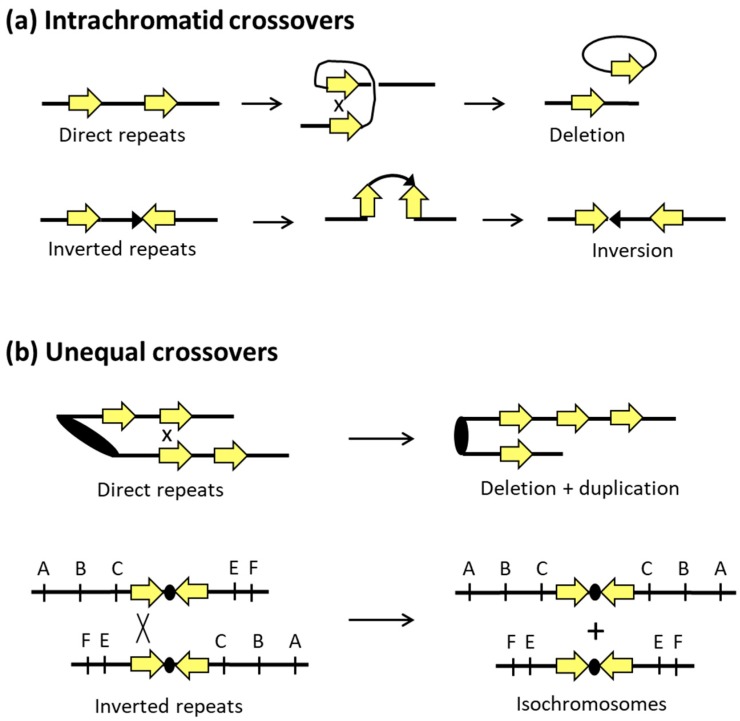
Genome rearrangements and ploidy alterations are important for adaptive change in the pathogenic fungal species and , which propagate primarily through clonal, asexual reproduction. These changes can occur during mitotic growth and lead to enhanced virulence, drug resistance, and persistence in chronic infections. Examples of microevolution during the course of infection were described in both human infections and mouse models. Recent discoveries defining the role of sexual, parasexual, and unisexual cycles in the evolution of these pathogenic fungi further expanded our understanding of the diversity found in and between species. During mitotic growth, damage to DNA in the form of double-strand breaks (DSBs) is repaired, and genome integrity is restored by the homologous recombination and non-homologous end-joining pathways. In addition to faithful repair, these pathways can introduce minor sequence alterations at the break site or lead to more extensive genetic alterations that include loss of heterozygosity, inversions, duplications, deletions, and translocations. In particular, the prevalence of repetitive sequences in fungal genomes provides opportunities for structural rearrangements to be generated by non-allelic (ectopic) recombination. In this review, we describe DSB repair mechanisms and the types of resulting genome alterations that were documented in the model yeast . The relevance of similar recombination events to stress- and drug-related adaptations and in generating species diversity are discussed for the human fungal pathogens and .
基因组重排和倍性改变是病原真菌物种和适应性变化的重要因素,这些真菌主要通过无性、克隆繁殖进行繁殖。这些变化可以在有丝分裂生长过程中发生,并导致毒力增强、抗药性和慢性感染中的持久性。在人类感染和小鼠模型中都描述了感染过程中的微观进化的例子。最近的发现定义了性、准性和单性周期在这些病原真菌进化中的作用,进一步扩展了我们对物种内和物种间多样性的理解。在有丝分裂生长过程中,以双链断裂(DSB)形式出现的 DNA 损伤通过同源重组和非同源末端连接途径得到修复,基因组完整性得以恢复。除了忠实的修复之外,这些途径还可以在断裂部位引入小的序列改变,或者导致更广泛的遗传改变,包括杂合性丢失、倒位、重复、缺失和易位。特别是,真菌基因组中重复序列的普遍性为非等位(异位)重组产生结构重排提供了机会。在这篇综述中,我们描述了模型酵母中记录的 DSB 修复机制和由此产生的基因组改变类型。讨论了类似的重组事件对与应激和药物相关的适应以及产生物种多样性的相关性,分别针对人类病原真菌和。