Shie Ming-You, Shen Yu-Fang, Astuti Suryani Dyah, Lee Alvin Kai-Xing, Lin Shu-Hsien, Dwijaksara Ni Luh Bella, Chen Yi-Wen
School of Dentistry, China Medical University, Taichung City 404, Taiwan.
3D Printing Medical Research Center, China Medical University Hospital, Taichung City 404, Taiwan.
Polymers (Basel). 2019 Nov 12;11(11):1864. doi: 10.3390/polym11111864.
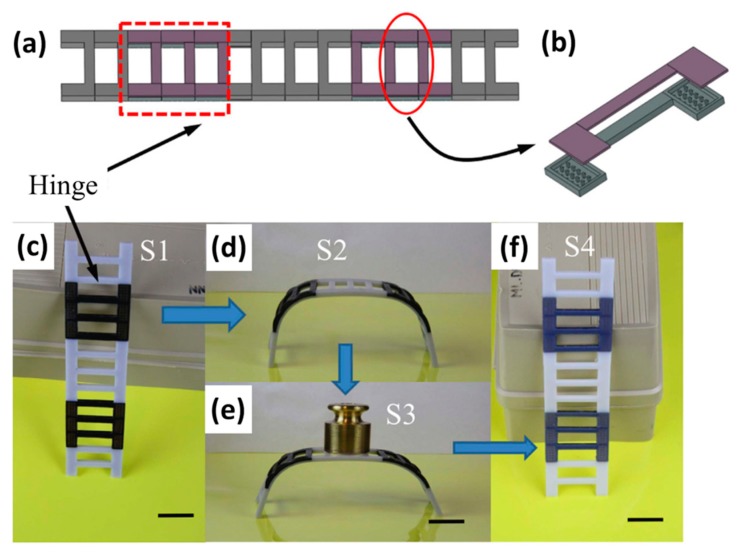
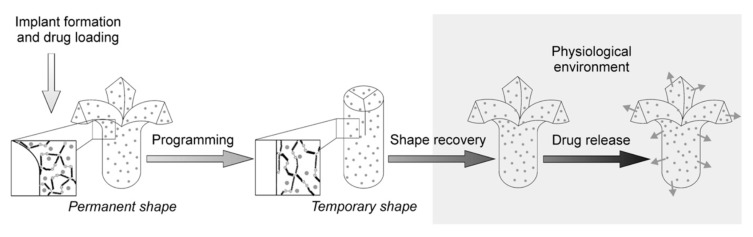
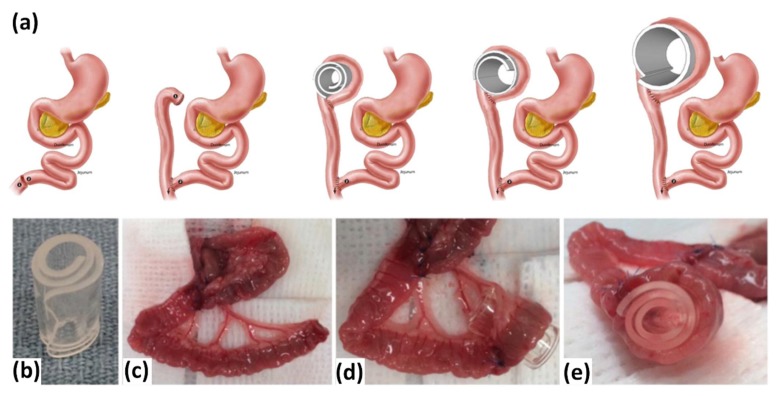
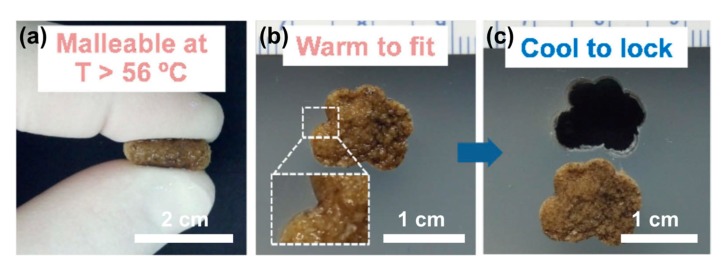
The purpose of 4D printing is to embed a product design into a deformable smart material using a traditional 3D printer. The 3D printed object can be assembled or transformed into intended designs by applying certain conditions or forms of stimulation such as temperature, pressure, humidity, pH, wind, or light. Simply put, 4D printing is a continuum of 3D printing technology that is now able to print objects which change over time. In previous studies, many smart materials were shown to have 4D printing characteristics. In this paper, we specifically review the current application, respective activation methods, characteristics, and future prospects of various polymeric materials in 4D printing, which are expected to contribute to the development of 4D printing polymeric materials and technology.
4D打印的目的是使用传统3D打印机将产品设计嵌入可变形的智能材料中。通过施加某些条件或刺激形式,如温度、压力、湿度、pH值、风或光,3D打印对象可以组装或转变为预期的设计。简而言之,4D打印是3D打印技术的延伸,现在能够打印随时间变化的物体。在先前的研究中,许多智能材料都表现出4D打印特性。在本文中,我们专门综述了各种聚合物材料在4D打印中的当前应用、各自的激活方法、特性和未来前景,预计这将有助于4D打印聚合物材料和技术的发展。