Brainnetome Center and National Laboratory of Pattern Recognition, Institute of Automation, Chinese Academy of Sciences, Beijing, 100190, China; University of Chinese Academy of Sciences, Beijing, 100049, China.
Brainnetome Center and National Laboratory of Pattern Recognition, Institute of Automation, Chinese Academy of Sciences, Beijing, 100190, China.
Neuroimage. 2020 Feb 15;207:116370. doi: 10.1016/j.neuroimage.2019.116370. Epub 2019 Nov 18.
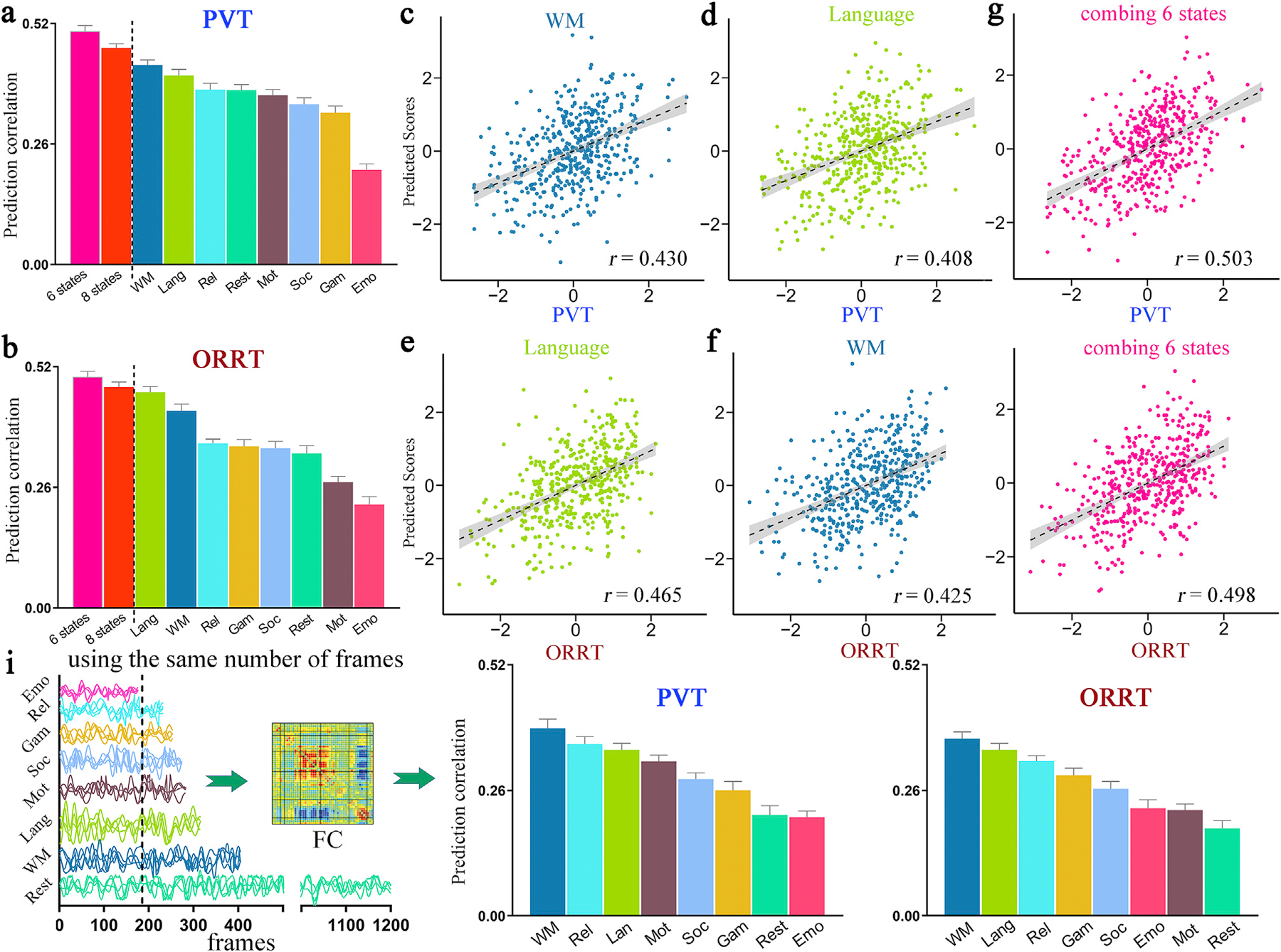
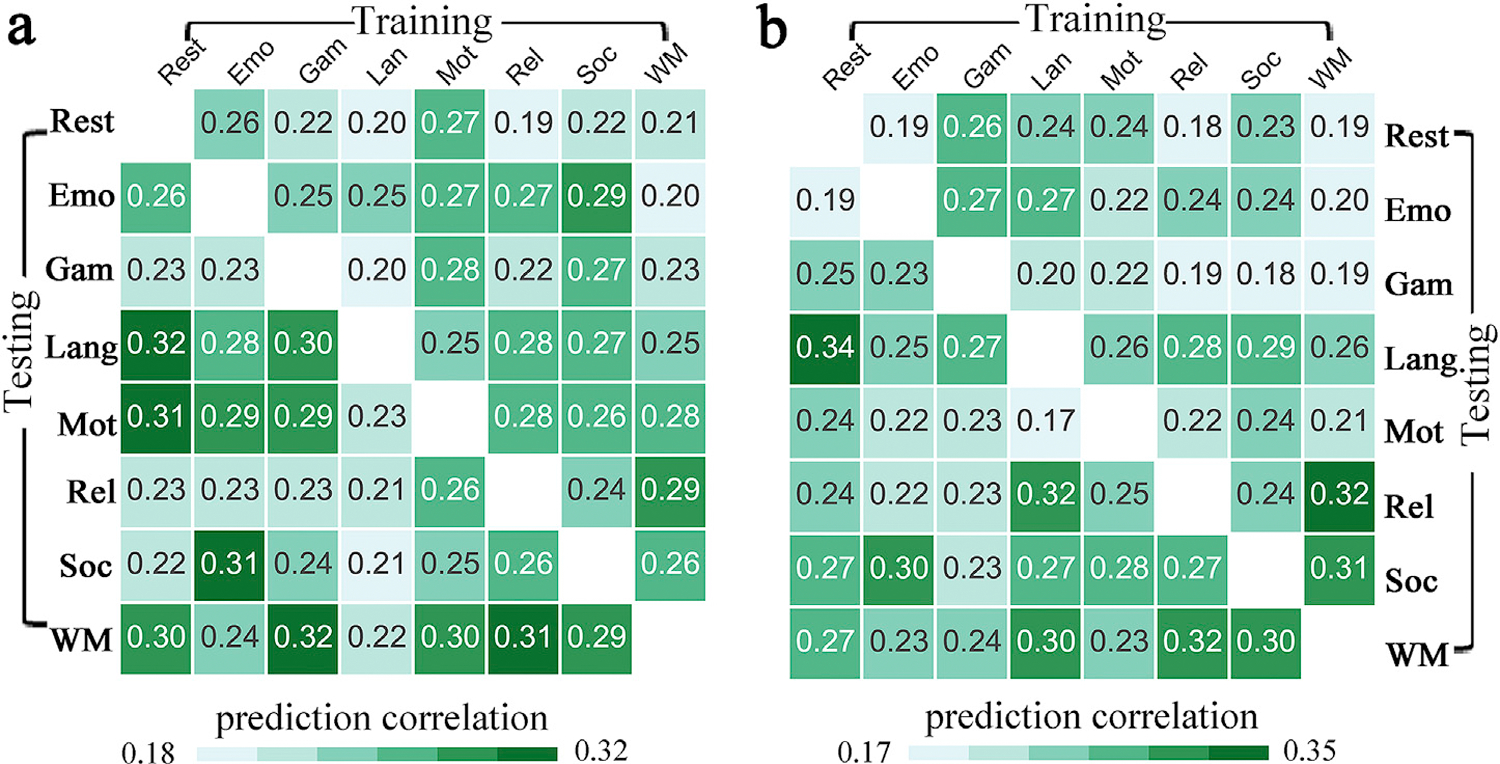
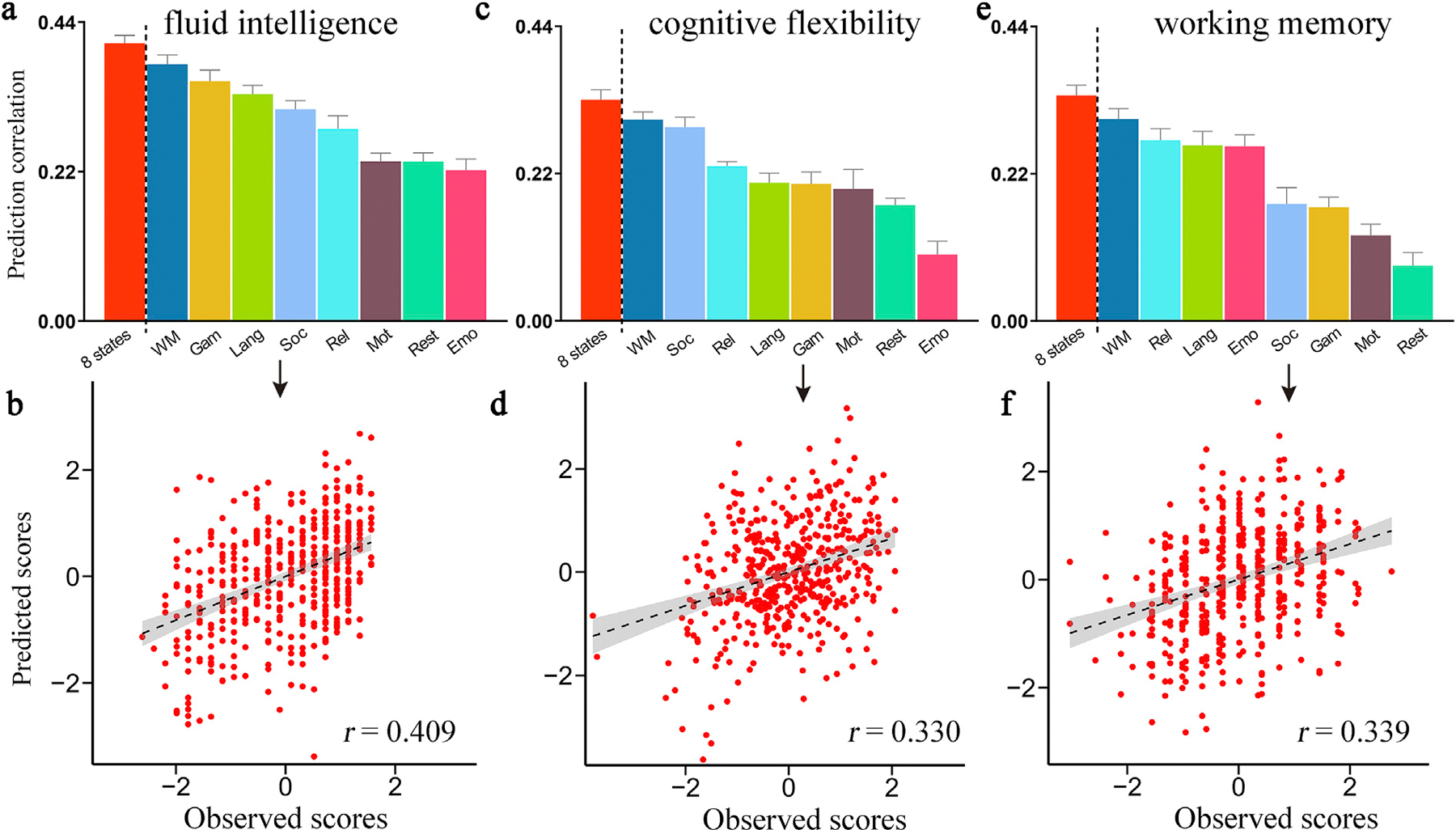
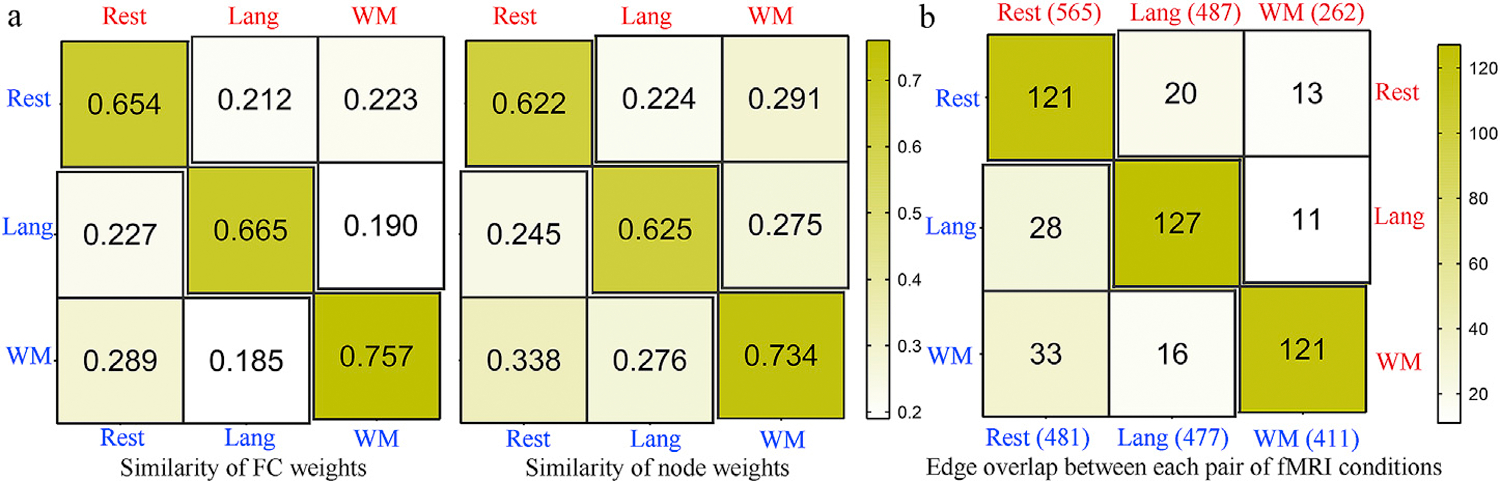
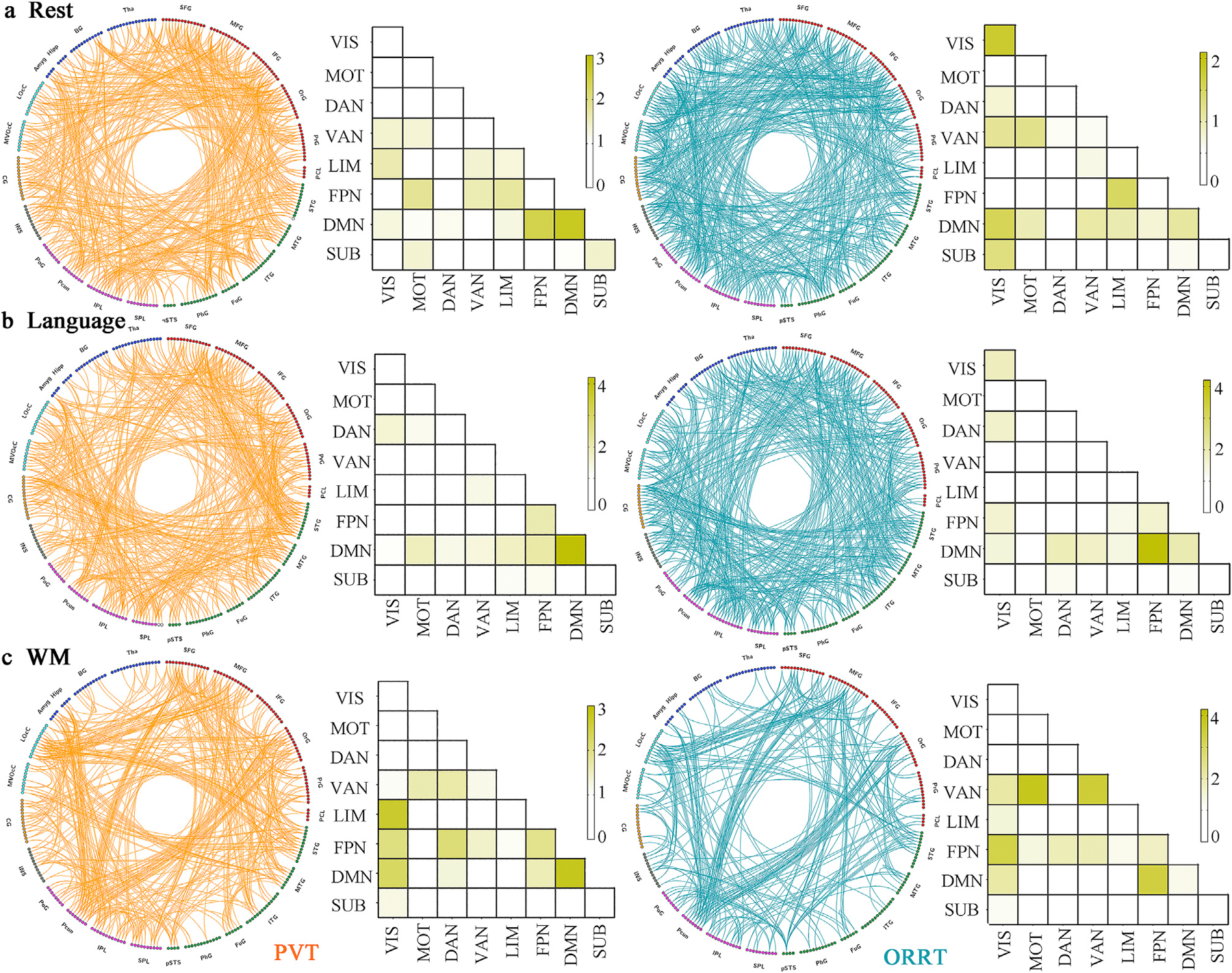
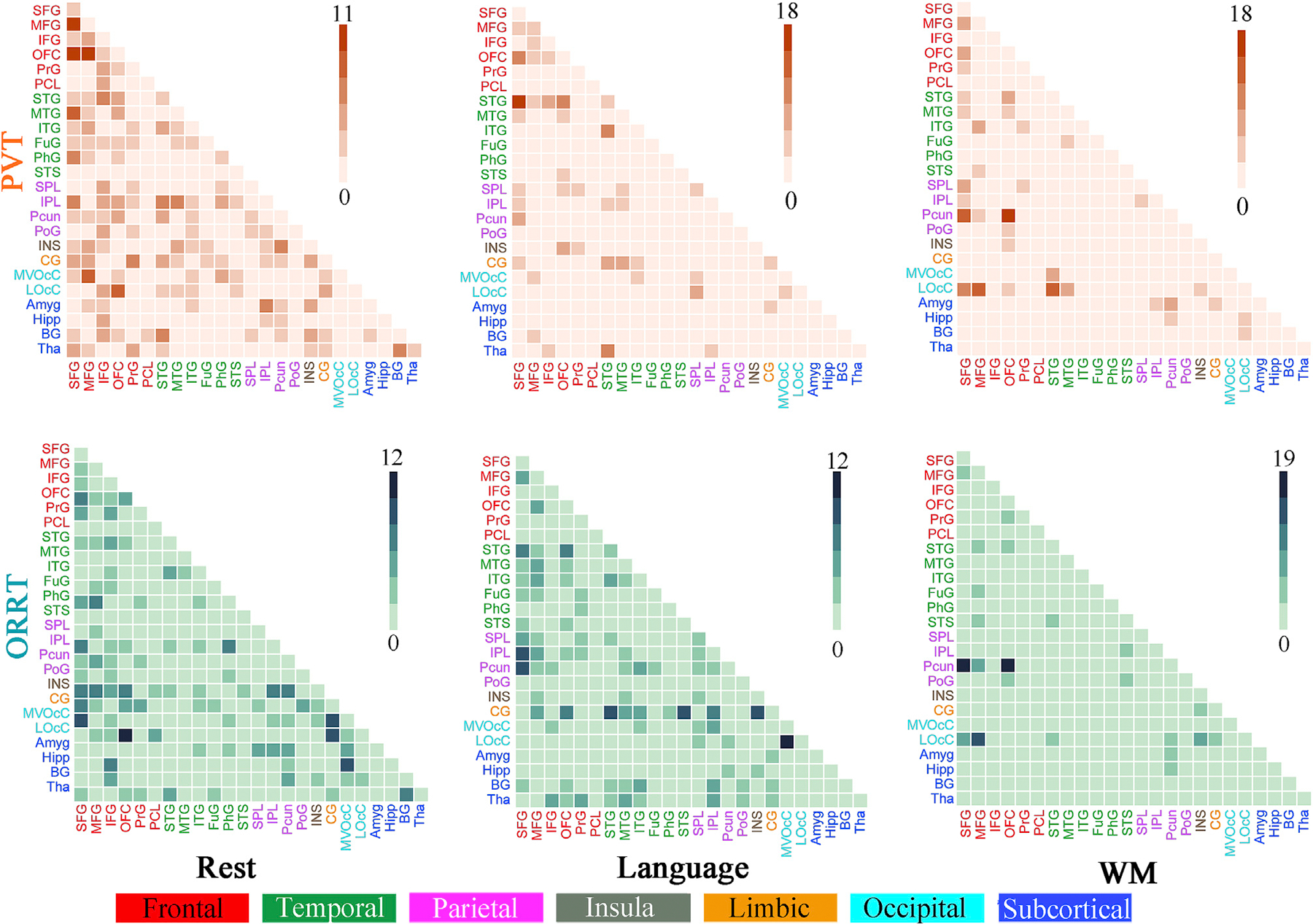
Although both resting and task-induced functional connectivity (FC) have been used to characterize the human brain and cognitive abilities, the potential of task-induced FCs in individualized prediction for out-of-scanner cognitive traits remains largely unexplored. A recent study Greene et al. (2018) predicted the fluid intelligence scores using FCs derived from rest and multiple task conditions, suggesting that task-induced brain state manipulation improved prediction of individual traits. Here, using a large dataset incorporating fMRI data from rest and 7 distinct task conditions, we replicated the original study by employing a different machine learning approach, and applying the method to predict two reading comprehension-related cognitive measures. Consistent with their findings, we found that task-based machine learning models often outperformed rest-based models. We also observed that combining multi-task fMRI improved prediction performance, yet, integrating the more fMRI conditions can not necessarily ensure better predictions. Compared with rest, the predictive FCs derived from language and working memory tasks were highlighted with more predictive power in predominantly default mode and frontoparietal networks. Moreover, prediction models demonstrated high stability to be generalizable across distinct cognitive states. Together, this replication study highlights the benefit of using task-based FCs to reveal brain-behavior relationships, which may confer more predictive power and promote the detection of individual differences of connectivity patterns underlying relevant cognitive traits, providing strong evidence for the validity and robustness of the original findings.
虽然静息态和任务诱发的功能连接(FC)都被用于描述人类大脑和认知能力,但任务诱发 FC 在认知特质的扫描外个体预测中的潜力在很大程度上仍未得到探索。最近,Greene 等人的研究(2018 年)使用源自静息和多种任务条件的 FC 预测流体智力分数,表明任务诱发的大脑状态操纵提高了个体特质的预测能力。在这里,我们使用一个包含静息和 7 种不同任务条件的 fMRI 数据的大型数据集,通过采用不同的机器学习方法复制了原始研究,并应用该方法来预测两个与阅读理解相关的认知测量指标。与他们的发现一致,我们发现基于任务的机器学习模型通常优于基于静息的模型。我们还观察到,多任务 fMRI 的整合提高了预测性能,但整合更多的 fMRI 条件并不一定能确保更好的预测。与静息态相比,源自语言和工作记忆任务的预测性 FC 在默认模式和额顶网络中表现出更高的预测能力。此外,预测模型在不同认知状态下具有高度的稳定性,可推广应用。总之,这项复制研究强调了使用基于任务的 FC 来揭示大脑-行为关系的益处,这可能赋予更高的预测能力,并促进对相关认知特质连接模式个体差异的检测,为原始发现的有效性和稳健性提供了强有力的证据。