Chen Joshua V, Dang Alexis B C, Lee Carlin S, Dang Alan B C
Department of Orthopaedic Surgery, University of California, San Francisco, CA, USA.
Department of Surgery, Orthopaedic Section, San Francisco VA Health Center, San Francisco, CA, USA.
3D Print Med. 2019 Nov 21;5(1):16. doi: 10.1186/s41205-019-0053-z.
Modern low-cost 3D printing technologies offer the promise of access to surgical tools in resource scarce areas, however optimal designs for manufacturing have not yet been established. We explore how the optimization of 3D printing parameters when manufacturing polylactic acid filament based Army-Navy retractors vastly increases the strength of retractors, and investigate sources of variability in retractor strength, material cost, printing time, and parameter limitations.
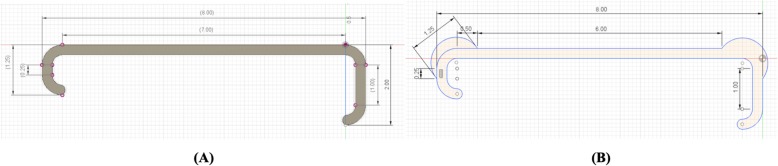
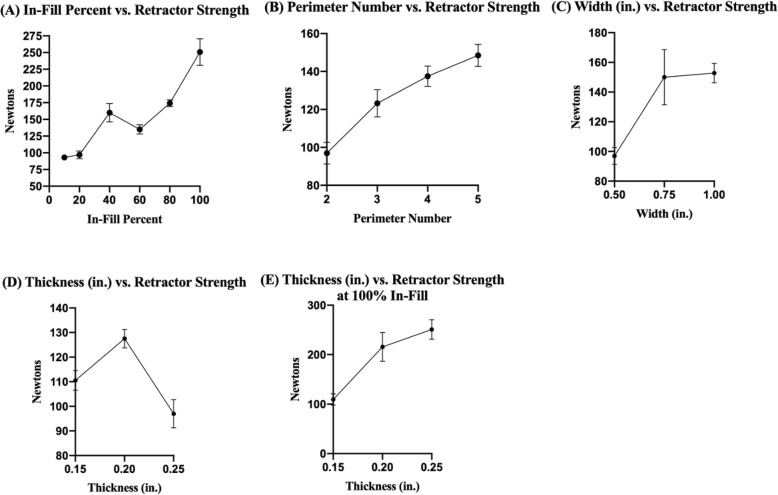
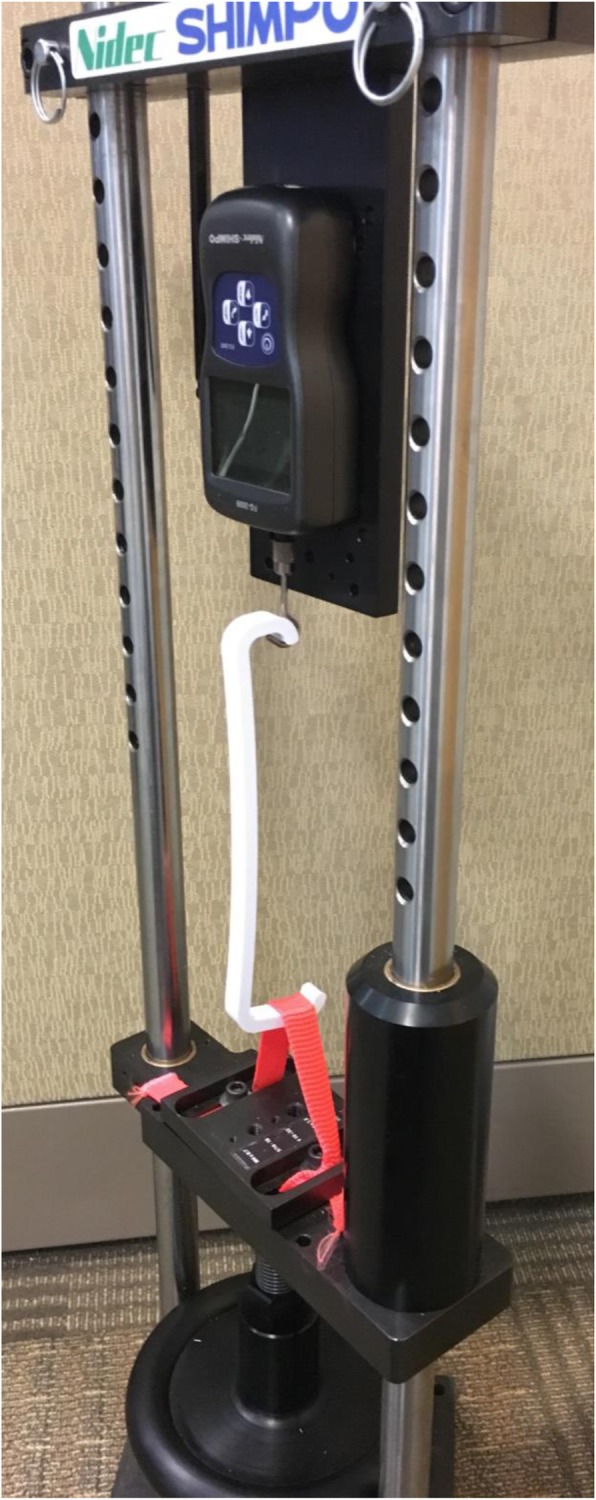
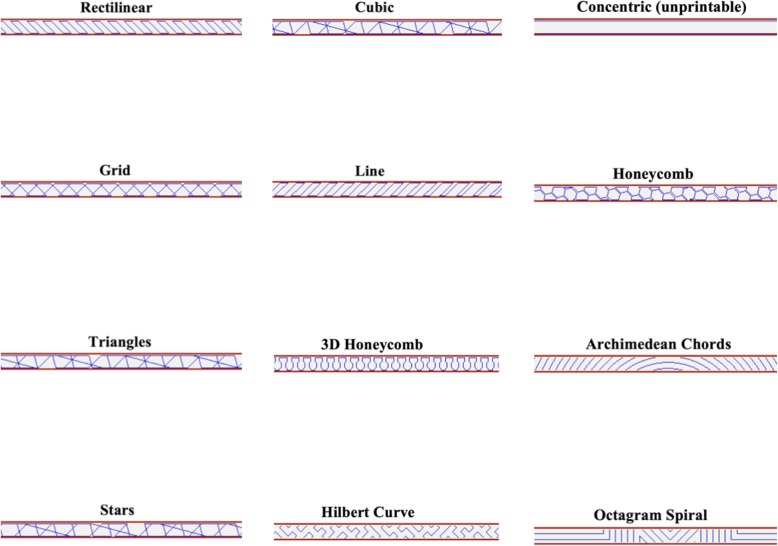
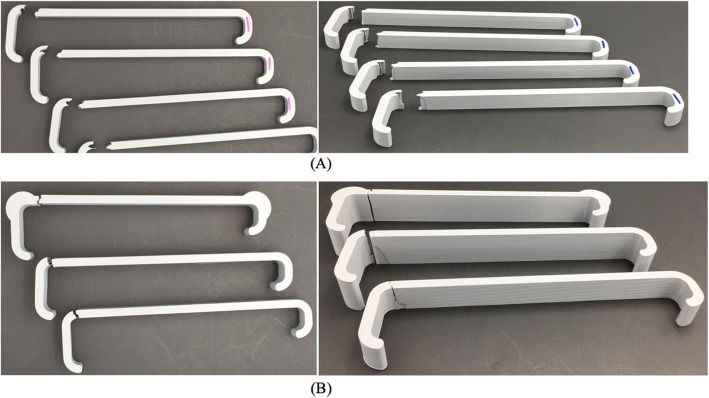
Standard retractors were printed from various polylactic acid filament spools intra-manufacturer and inter-manufacturer to measure variability in retractor strength. Printing parameters were systematically varied to determine optimum printing parameters. These parameters include retractor width, thickness, infill percentage, infill geometry, perimeter number, and a reinforced joint design. Estimated retractor mass from computer models allows us to estimate material cost.
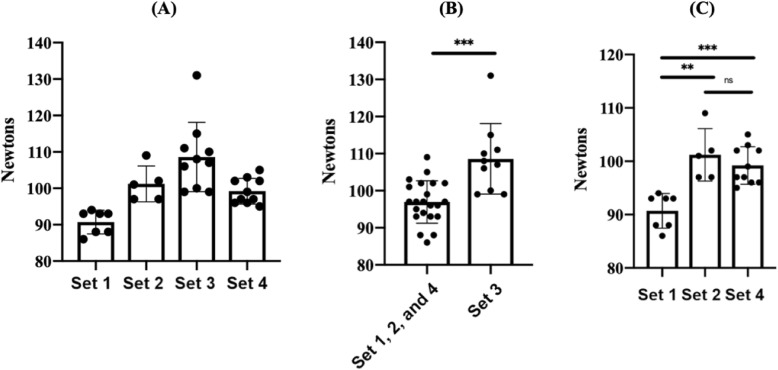
We found statistically significant differences in retractor strength between spools of the same manufacturer and between manufacturers. We determined the true strength optimized retractor to have 30% infill, 3 perimeters, 0.25 in. thickness, 0.75 in. width, and has "Triangle" infill geometry and reinforced joints, failing at more than 15X the threshold for clinically excessive retraction and costs $1.25 USD.
The optimization of 3D printed Army-Navy retractors greatly improve the efficacy of this instrument and expedite the adoption of 3D printing technology in many diverse fields in medicine not necessarily limited to resource poor settings.
现代低成本3D打印技术有望在资源稀缺地区提供手术工具,然而尚未确定制造的最佳设计。我们探讨了制造基于聚乳酸长丝的海军陆战队牵开器时3D打印参数的优化如何极大地提高牵开器的强度,并研究牵开器强度、材料成本、打印时间和参数限制的变异性来源。
从制造商内部和制造商之间的各种聚乳酸长丝卷轴打印标准牵开器,以测量牵开器强度的变异性。系统地改变打印参数以确定最佳打印参数。这些参数包括牵开器宽度、厚度、填充百分比、填充几何形状、周长数量和加强接头设计。计算机模型估计的牵开器质量使我们能够估计材料成本。
我们发现同一制造商的卷轴之间以及不同制造商之间的牵开器强度存在统计学上的显著差异。我们确定真正强度优化的牵开器具有30%的填充率、3个周长、0.25英寸的厚度、0.75英寸的宽度,具有“三角形”填充几何形状和加强接头,在超过临床过度牵开阈值的15倍以上失效,成本为1.25美元。
3D打印的海军陆战队牵开器的优化极大地提高了该器械的功效,并加快了3D打印技术在医学许多不同领域的应用,不一定限于资源匮乏地区。