
类朊病毒蛋白在神经退行性疾病发病机制中的作用
Prionoid Proteins in the Pathogenesis of Neurodegenerative Diseases.
作者信息
Wells Cameron, Brennan Samuel E, Keon Matt, Saksena Nitin K
机构信息
Iggy Get Out, Neurodegenerative Section, Darlinghurst, NSW, Australia.
出版信息
Front Mol Neurosci. 2019 Nov 12;12:271. doi: 10.3389/fnmol.2019.00271. eCollection 2019.
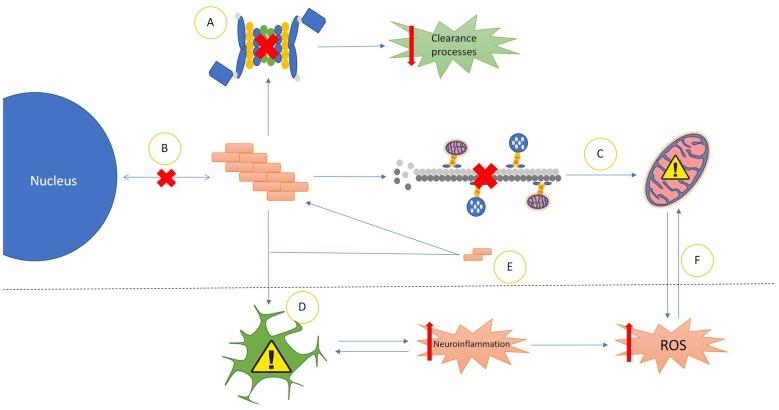
There is a growing body of evidence that prionoid protein behaviors are a core element of neurodegenerative diseases (NDs) that afflict humans. Common elements in pathogenesis, pathological effects and protein-level behaviors exist between Alzheimer's Disease (AD), Parkinson's Disease (PD), Huntington's Disease (HD) and Amyotrophic Lateral Sclerosis (ALS). These extend beyond the affected neurons to glial cells and processes. This results in a complicated system of disease progression, which often takes advantage of protective processes to promote the propagation of pathological protein aggregates. This review article provides a current snapshot of knowledge on these proteins and their intrinsic role in the pathogenesis and disease progression seen across NDs.
越来越多的证据表明,类朊病毒蛋白行为是困扰人类的神经退行性疾病(NDs)的核心要素。阿尔茨海默病(AD)、帕金森病(PD)、亨廷顿病(HD)和肌萎缩侧索硬化症(ALS)在发病机制、病理效应和蛋白质水平行为方面存在共同要素。这些要素不仅涉及受影响的神经元,还包括神经胶质细胞及其活动过程。这导致了一个复杂的疾病进展系统,该系统常常利用保护过程来促进病理性蛋白质聚集体的传播。这篇综述文章提供了关于这些蛋白质及其在NDs发病机制和疾病进展中固有作用的当前知识概况。

 Zotero 插件