Department of Medical Education, Icahn School of Medicine at Mount Sinai, New York, US.
University of Miami Department of Public Health Sciences, US.
Ann Glob Health. 2019 Nov 13;85(1):136. doi: 10.5334/aogh.2640.
The Haitian orphanage sector receives more than 70 million United States Dollars (USD) in foreign aid annually and continues grow; there are over 500 orphanages in Port-Au-Prince alone. An estimated 80% of the 30,000 children living in Haitian orphanages have at least one living parent.
This research seeks to identify factors contributing to maternal-child separation in Port-Au-Prince to understand motivations and attitudes surrounding maternal-child separation. We hypothesized that poverty, health status, and current state of the family unit are influential in the mother's decision to separate from her child.
From June to August 2017, a chain referral sampling study was conducted in Port-Au-Prince and the surrounding metropolitan area. Seventy interviews were conducted with (1) Mothers - separated (n = 8) and non-separated (n = 48) - and (2) Community leaders exposed to maternal-child separation (n = 18). The semi-structured interview consisted of questions about (1) exposure to maternal-child separation, (2) circumstances surrounding maternal-child separation, and (3) factors contributing to maternal-child separation. Additionally, all mothers completed a survey including demographic information and multiple validated surveys: Maternal Postpartum Quality of Life, Patient Health Questionnaire (PHQ-9), and PTSD Checklist (PCL) to address quality of life, depression, and PTSD, respectively.
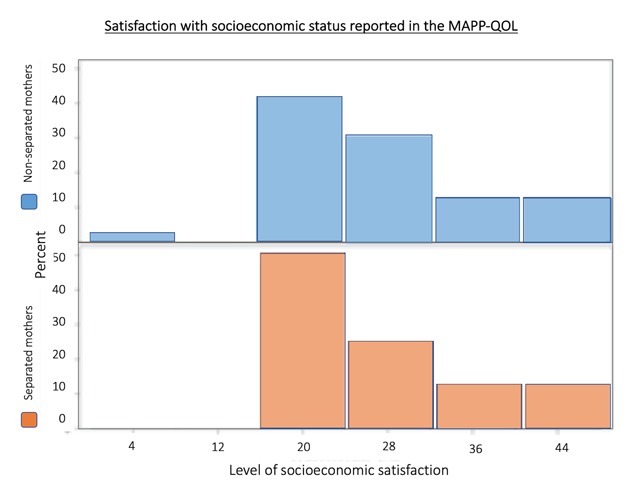
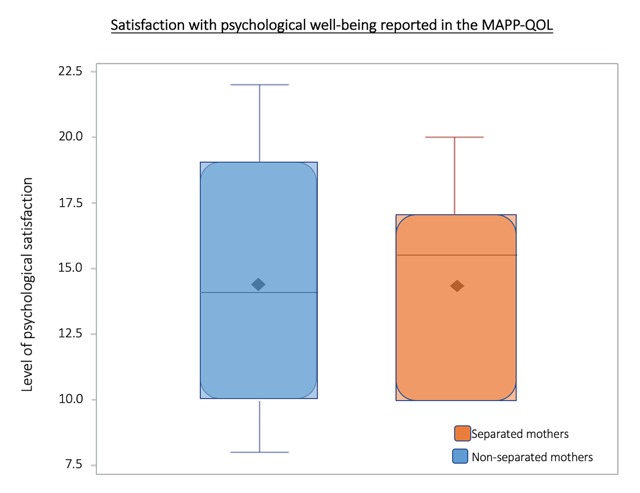
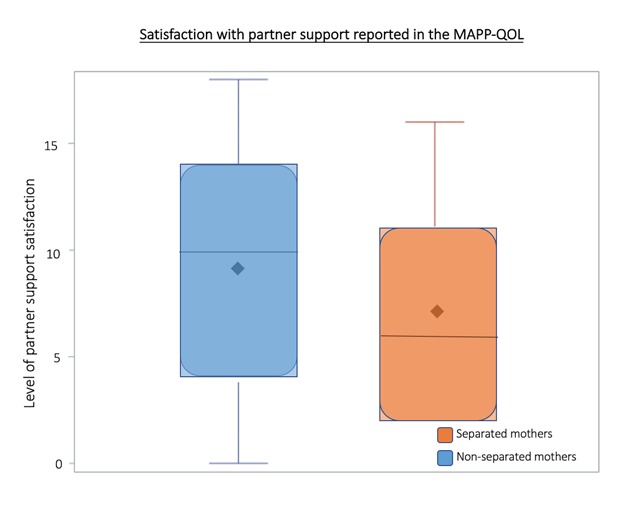
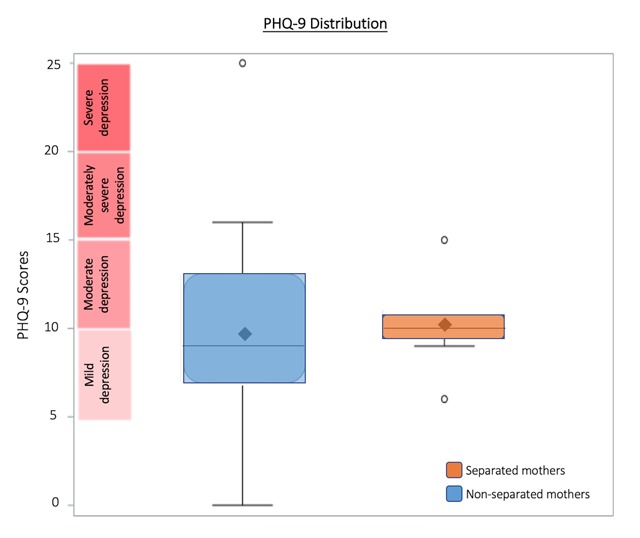
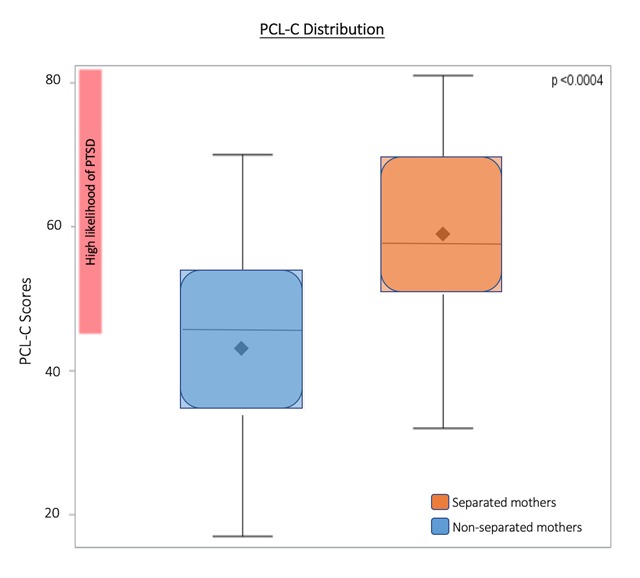
This study found separation to be associated with poor economic means compounded with other factors, most notably access to education, ability to care for disabled children, insufficient support, and poor maternal mental health. Additional themes identified include negative stigma towards maternal-child separation and sparse education surrounding family planning. Quantitative findings revealed separated mothers experienced significantly higher rates of PTSD compared to non-separated, small but statistically worse quality of life, and no difference in rates of major depression.
This research finds economic means to be insufficient in predicting maternal-child separation, with access to education being the most salient contributing factor mentioned after economics. Findings from this study will inform development of programming focusing on education, family planning, and social support in Port-Au-Prince.
海地孤儿院每年接受超过 7000 万美元的外国援助,并且还在继续增长;仅太子港就有 500 多家孤儿院。据估计,生活在海地孤儿院的 3 万名儿童中,有 80%的儿童至少有一位在世的父母。
本研究旨在确定太子港母婴分离的因素,以了解母婴分离的动机和态度。我们假设贫困、健康状况和家庭状况是母亲决定与孩子分离的重要因素。
2017 年 6 月至 8 月,在太子港及周边大都市区进行了一项连锁转诊抽样研究。对 70 名受访者进行了访谈,其中包括:(1)母亲——已分离(n=8)和未分离(n=48)——和(2)接触过母婴分离的社区领袖(n=18)。半结构化访谈包括以下问题:(1)母婴分离的经历,(2)母婴分离的情况,(3)导致母婴分离的因素。此外,所有母亲都完成了一份调查问卷,包括人口统计学信息和多项经过验证的调查:产后母亲生活质量问卷、患者健康问卷(PHQ-9)和创伤后应激障碍检查表(PCL),分别用于评估生活质量、抑郁和创伤后应激障碍。
本研究发现,母婴分离与贫困的经济手段有关,其他因素也很重要,最突出的是接受教育的机会、照顾残疾儿童的能力、支持不足和母亲心理健康状况不佳。此外,还确定了一些其他主题,包括母婴分离的负面污名和缺乏计划生育方面的教育。定量研究结果显示,与未分离的母亲相比,分离的母亲经历创伤后应激障碍的比率显著更高,生活质量略差,但差异无统计学意义,且重度抑郁症的发生率无差异。
本研究发现,经济手段不足以预测母婴分离,而接受教育是仅次于经济手段的最突出的促成因素。本研究的结果将为太子港的教育、计划生育和社会支持项目的制定提供信息。