Department of Medical Chemistry, Medical University of Gdansk, Faculty of Medicine, Gdansk, Poland.
Department of Histology, Medical University of Gdansk, Faculty of Medicine, Gdansk, Poland.
Oxid Med Cell Longev. 2019 Nov 20;2019:6740325. doi: 10.1155/2019/6740325. eCollection 2019.
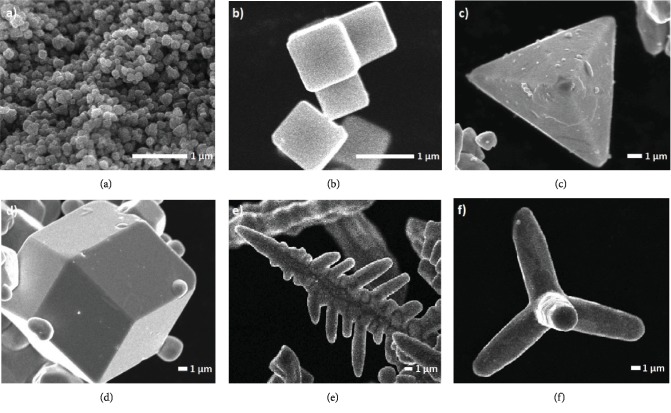
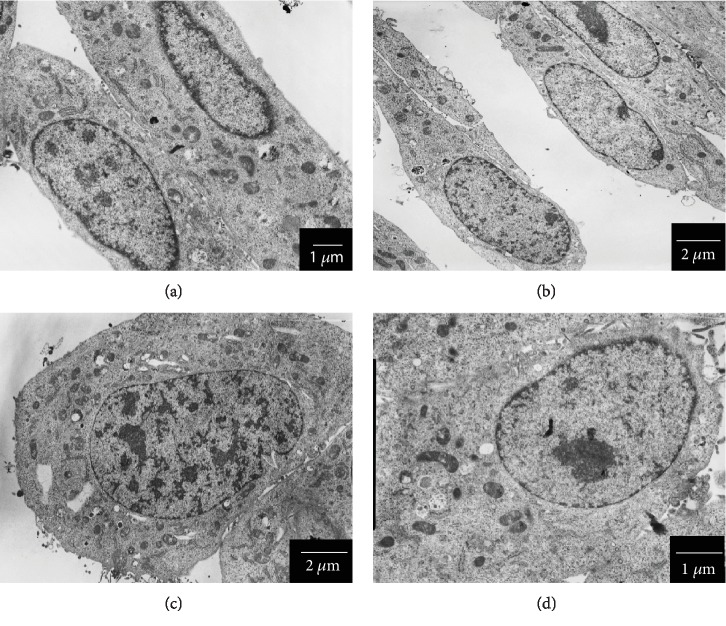
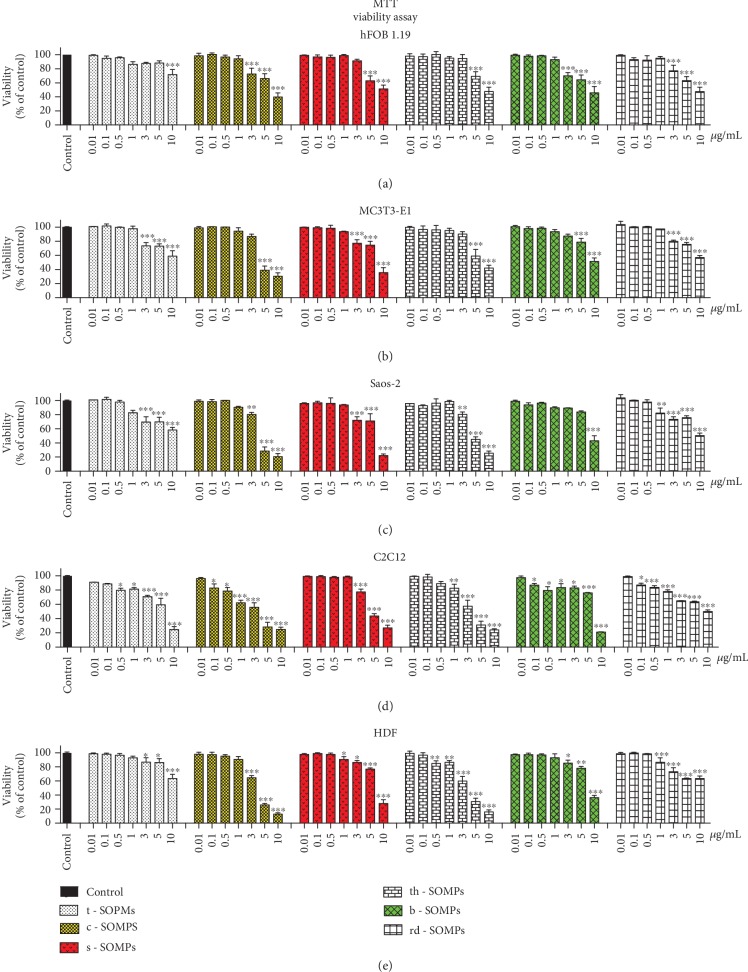
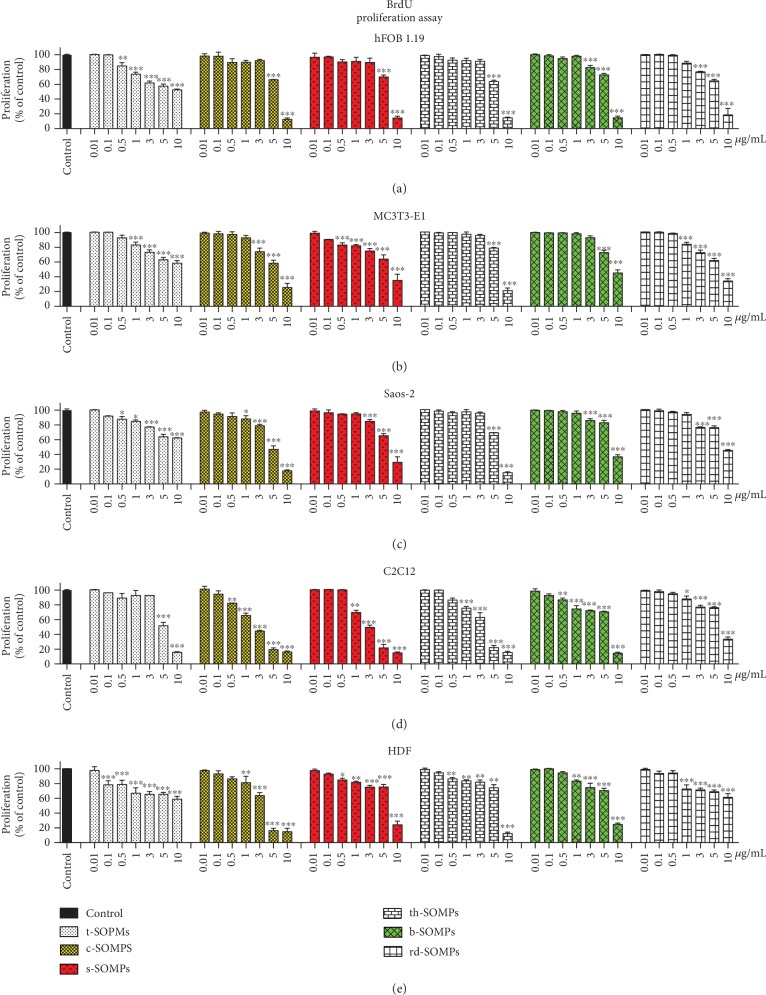
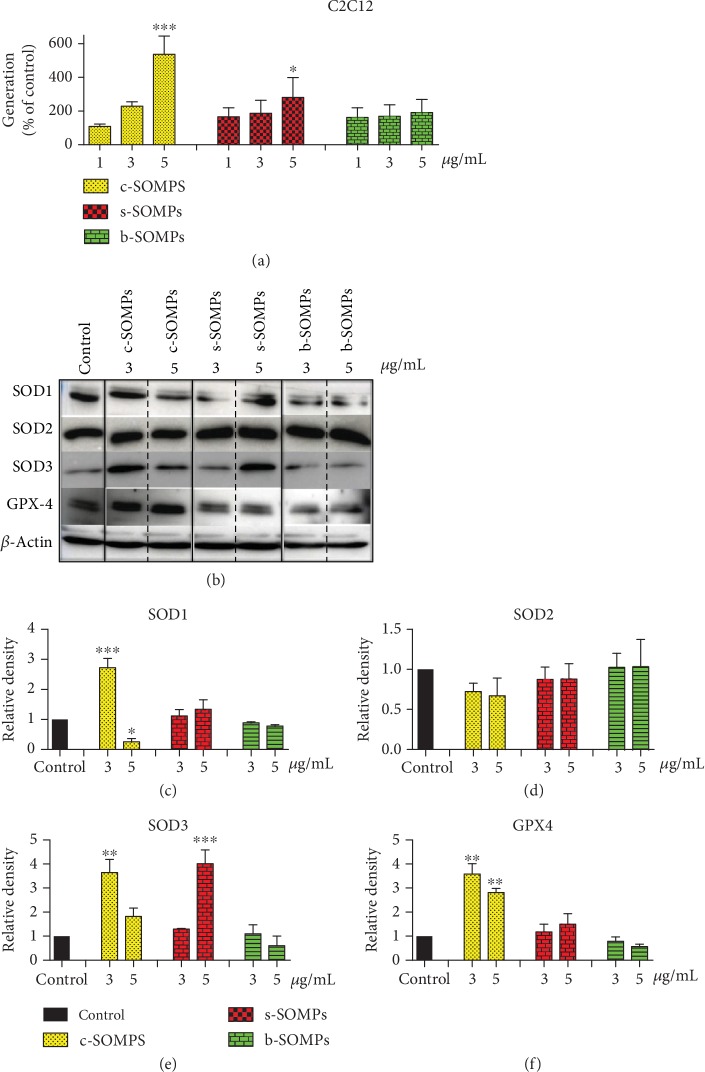
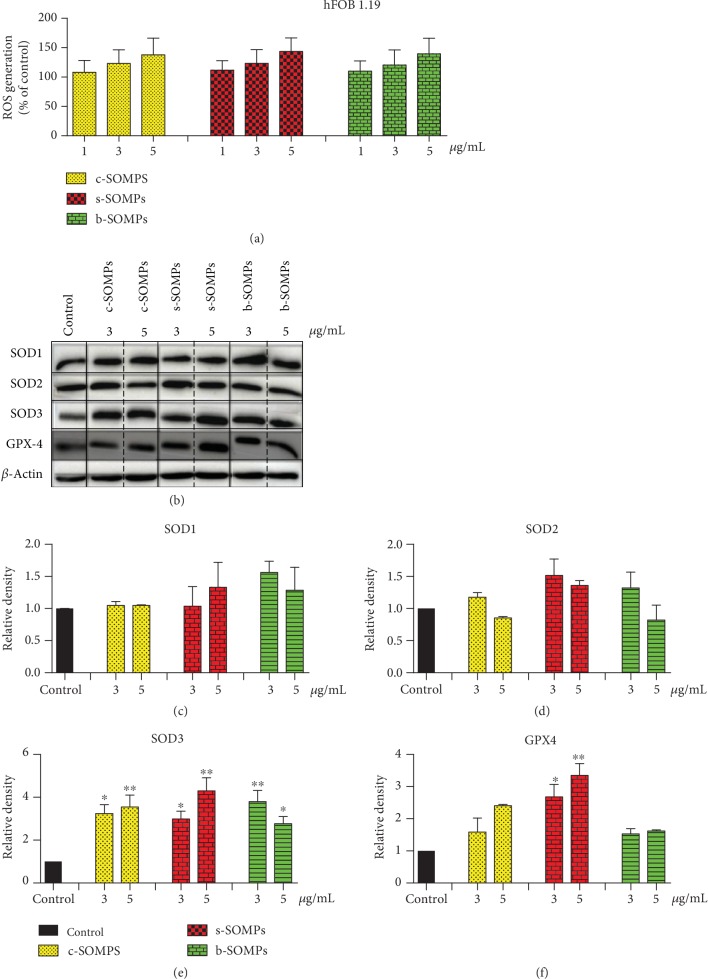
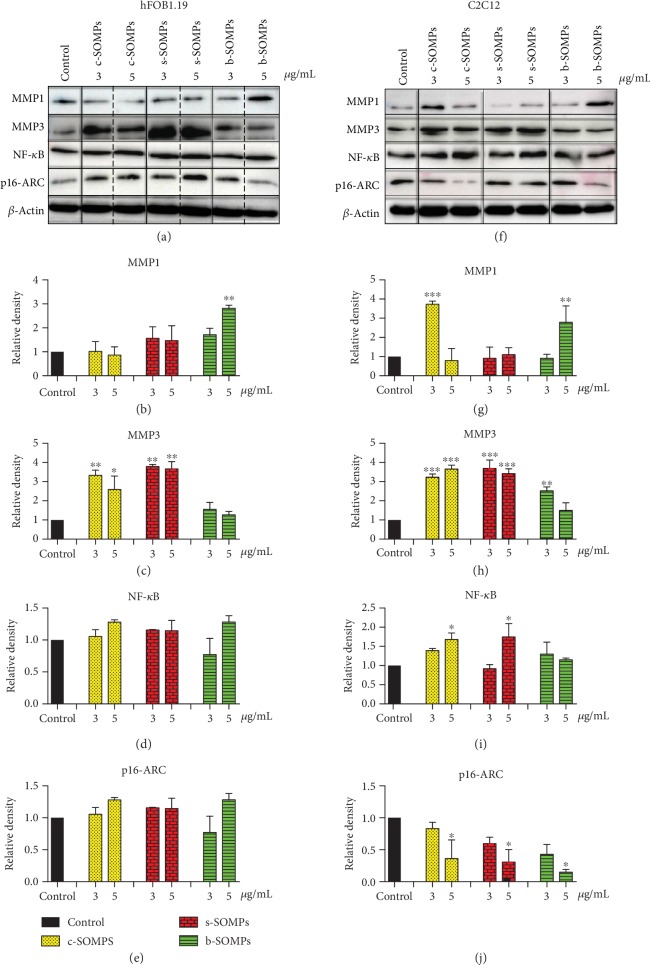
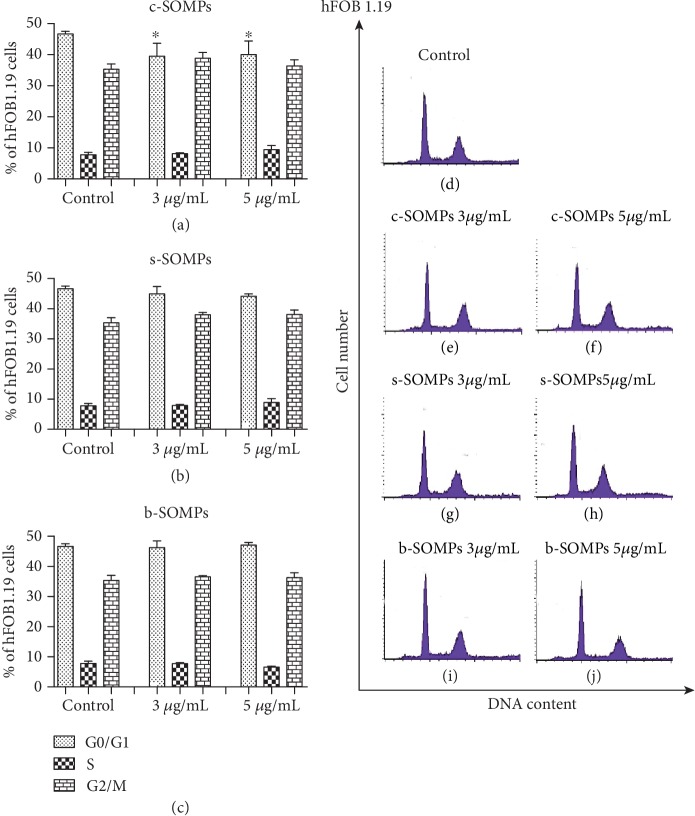
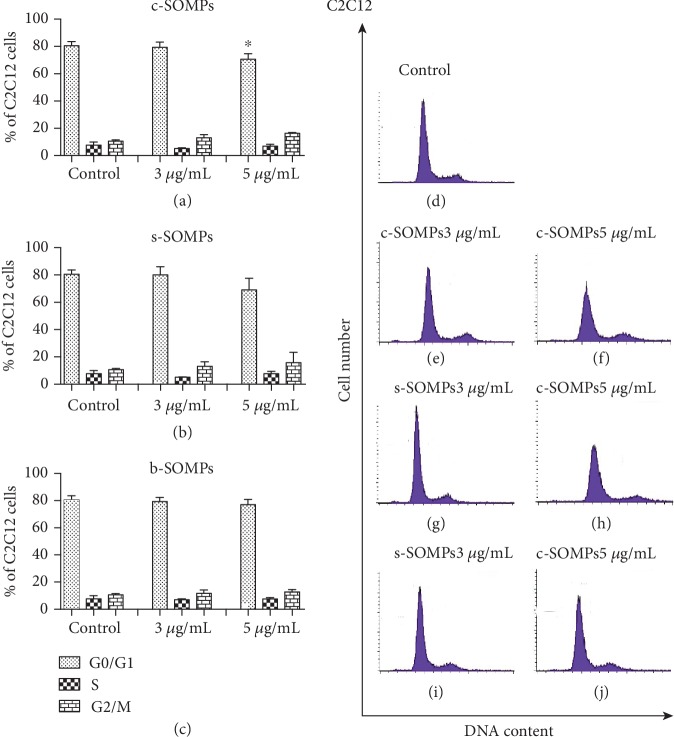
Implant-related infections are an emerging clinical and economic problem. Therefore, we decided to assess potential clinical usefulness and safety of silver orthophosphate microparticles (SOMPs) regarding their shape. We synthesized and then assessed antimicrobial properties and potential cytotoxicity of six shapes of SOMPs (tetrapod, cubes, spheres, tetrahedrons, branched, and rhombic dodecahedron). We found that SOMPs had a high antimicrobial effect; they were more efficient against fungi than bacteria. SOMPs exerted an antimicrobial effect in concentrations not toxic to mammalian cells: human fetal osteoblast (hFOB1.19), osteosarcoma (Saos-2), mouse preosteoblasts (MC3T3-E1), skin fibroblast (HDF), and mouse myoblast (C2C12). At higher concentration SOMPs, induced shape- and concentration-dependent cytotoxicity (according to MTT and BrdU assays). Tetrapod SOMPs had the smallest effect, whereas cubical SOMPs, the highest on cell viability. hFOB1.19 were the most resistant cells and C2C12, the most susceptible ones. We have proven that the induction of oxidative stress and inflammation is involved in the cytotoxic mechanism of SOMPs. After treatment with microparticles, we observed changes in levels of reactive oxygen species, first-line defense antioxidants-superoxide dismutase (SOD1, SOD3), and glutathione peroxidase (GPX4), metalloproteinase (MMP1, MMP3), and NF-B protein. Neither cell cycle distribution nor ultrastructure was altered as determined by flow cytometry and transmission electron microscopy, respectively. In conclusion, silver orthophosphate may be a safe and effective antimicrobial agent on the implant surface. Spherical-shaped SOMPs are the most promising for biomedical application.
植入物相关感染是一个新兴的临床和经济问题。因此,我们决定评估银正磷酸盐微粒(SOMPs)的形状对其潜在临床用途和安全性的影响。我们合成了六种形状的 SOMPs(四足形、立方体、球体、四面体、分枝形和二十面体),并评估了它们的抗菌性能和潜在细胞毒性。我们发现 SOMPs 具有很高的抗菌效果,对真菌的效果比对细菌的效果更好。SOMPs 在对哺乳动物细胞无毒的浓度下发挥抗菌作用:人胎成骨细胞(hFOB1.19)、骨肉瘤(Saos-2)、小鼠前成骨细胞(MC3T3-E1)、皮肤成纤维细胞(HDF)和小鼠成肌细胞(C2C12)。在较高浓度下,SOMPs 诱导了形状和浓度依赖性的细胞毒性(根据 MTT 和 BrdU 测定)。四足形 SOMPs 的影响最小,而立方体形 SOMPs 的影响最大。hFOB1.19 细胞的抵抗力最强,C2C12 细胞的抵抗力最弱。我们已经证明,氧化应激和炎症的诱导参与了 SOMPs 的细胞毒性机制。在用微粒处理后,我们观察到活性氧水平、一线防御抗氧化剂-超氧化物歧化酶(SOD1、SOD3)和谷胱甘肽过氧化物酶(GPX4)、金属蛋白酶(MMP1、MMP3)和 NF-B 蛋白水平的变化。分别通过流式细胞术和透射电子显微镜确定,细胞周期分布和超微结构均未改变。总之,银正磷酸盐可能是植入物表面安全有效的抗菌剂。球形 SOMPs 最有希望用于生物医学应用。