Esmail Sally, Danter Wayne R
123Genetix, London, ON, Canada.
Front Cell Dev Biol. 2019 Dec 6;7:325. doi: 10.3389/fcell.2019.00325. eCollection 2019.
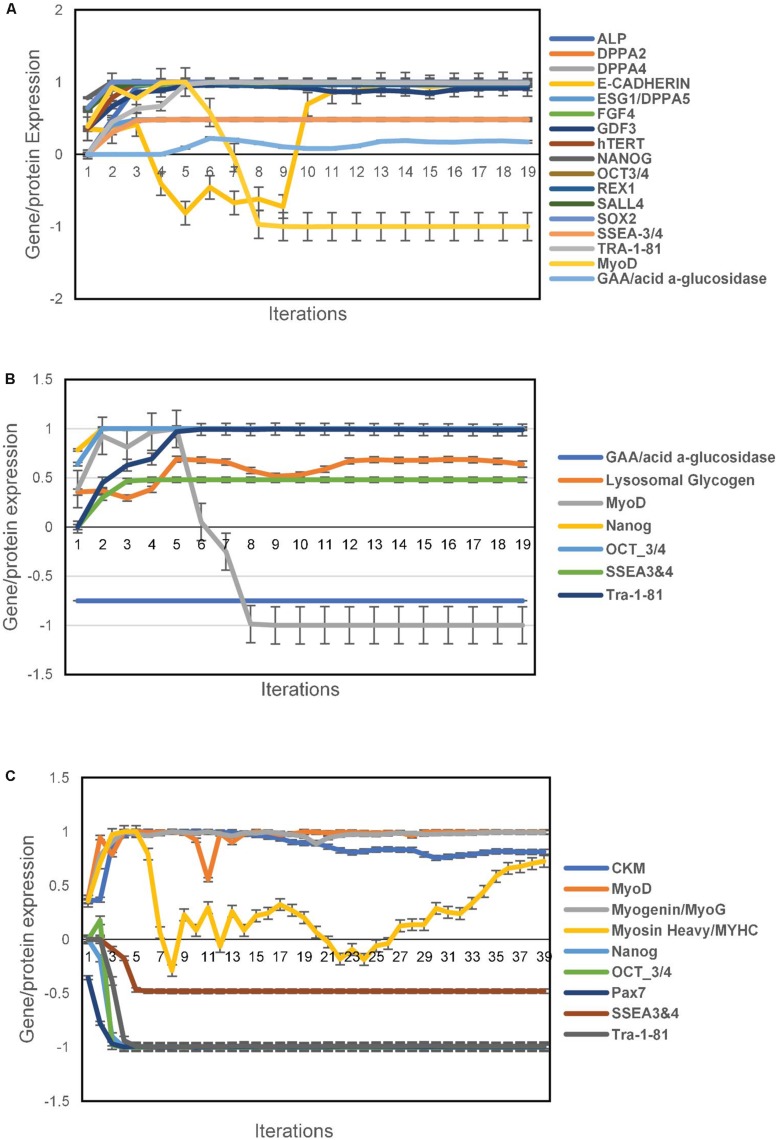
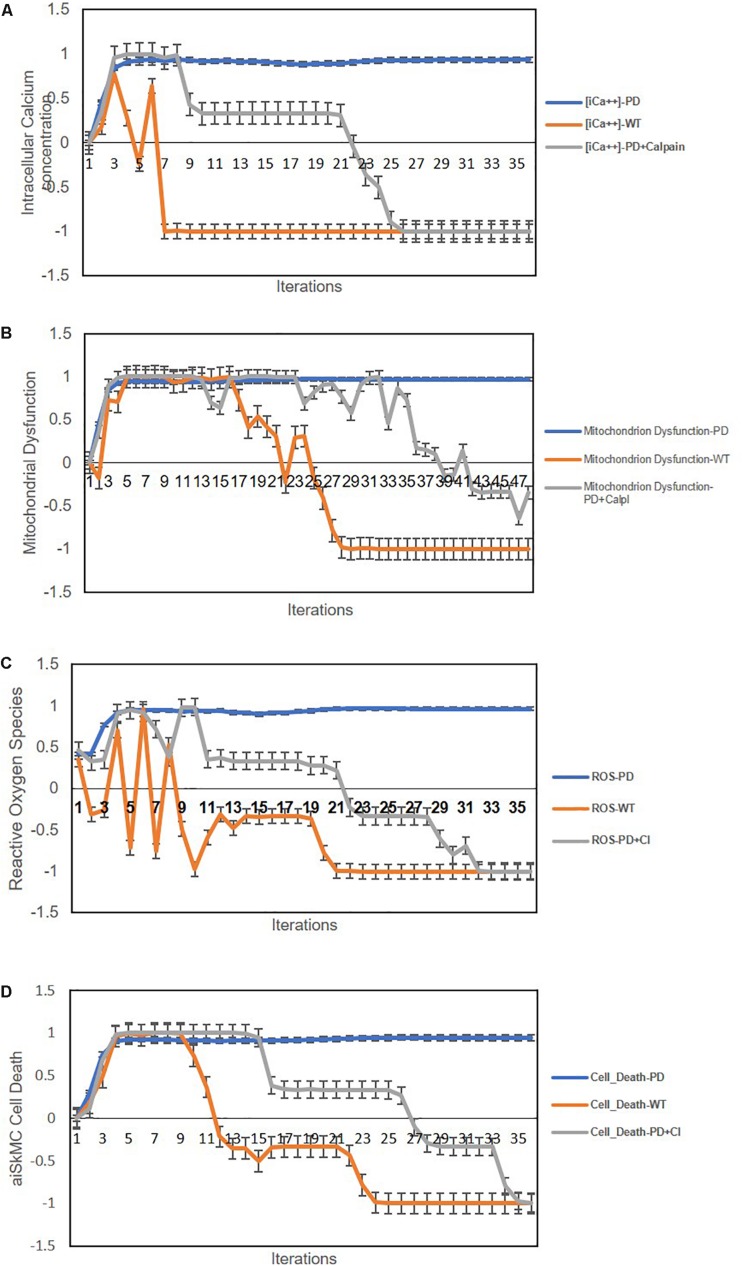
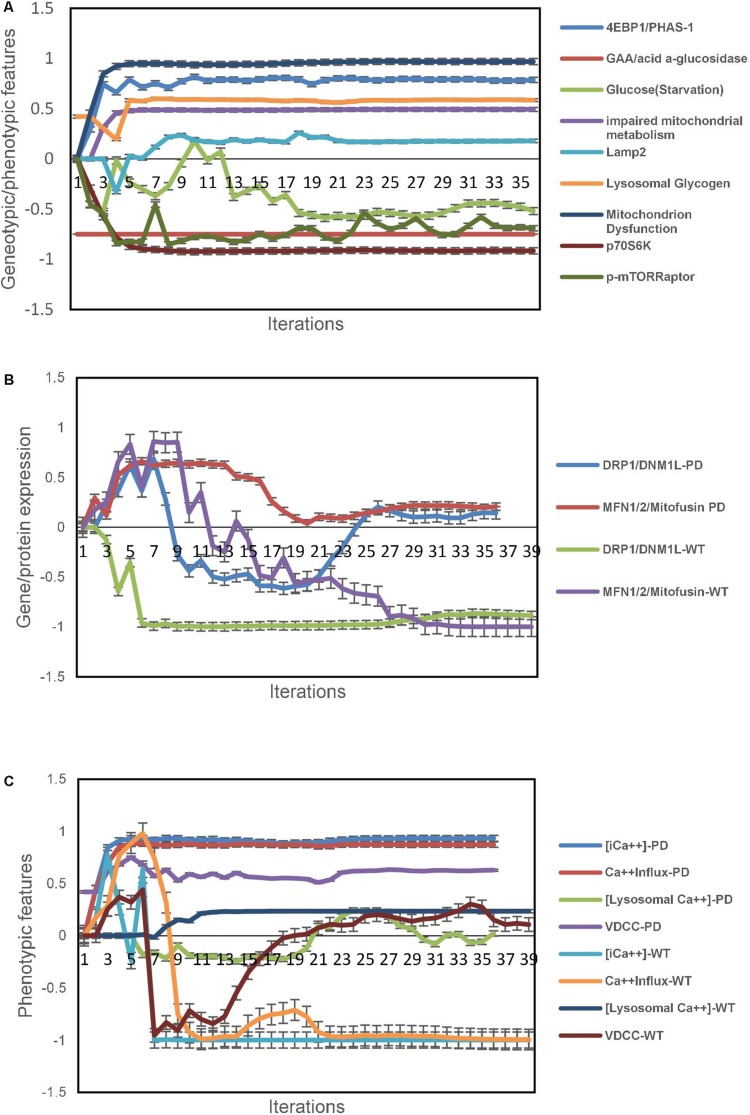
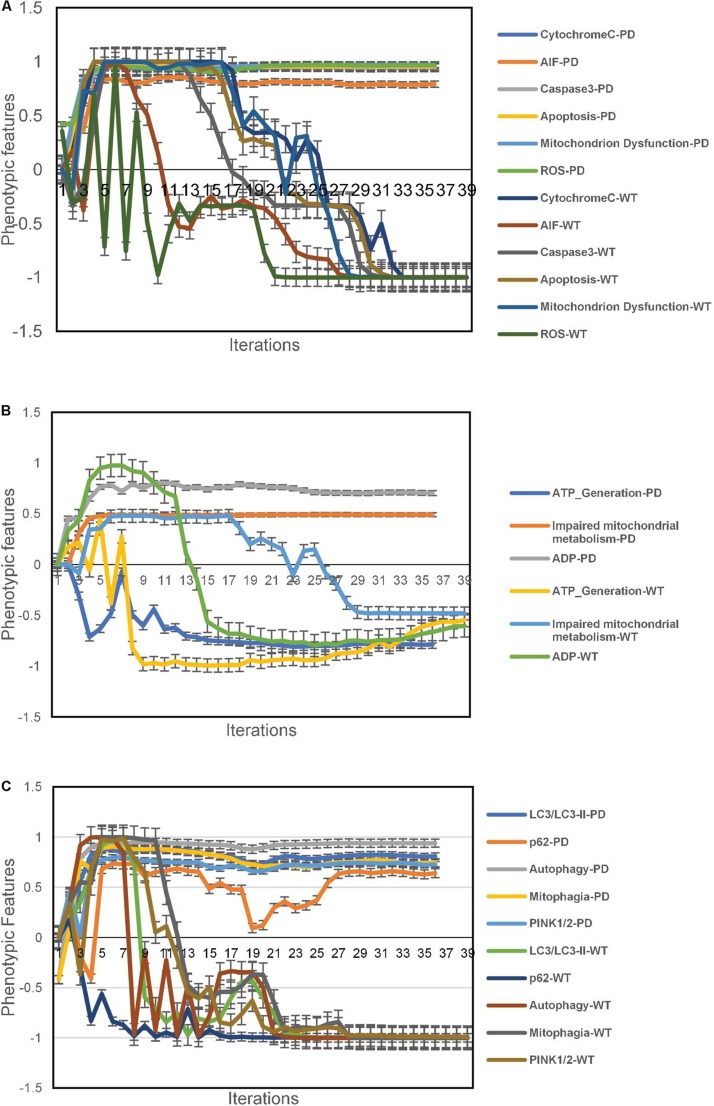
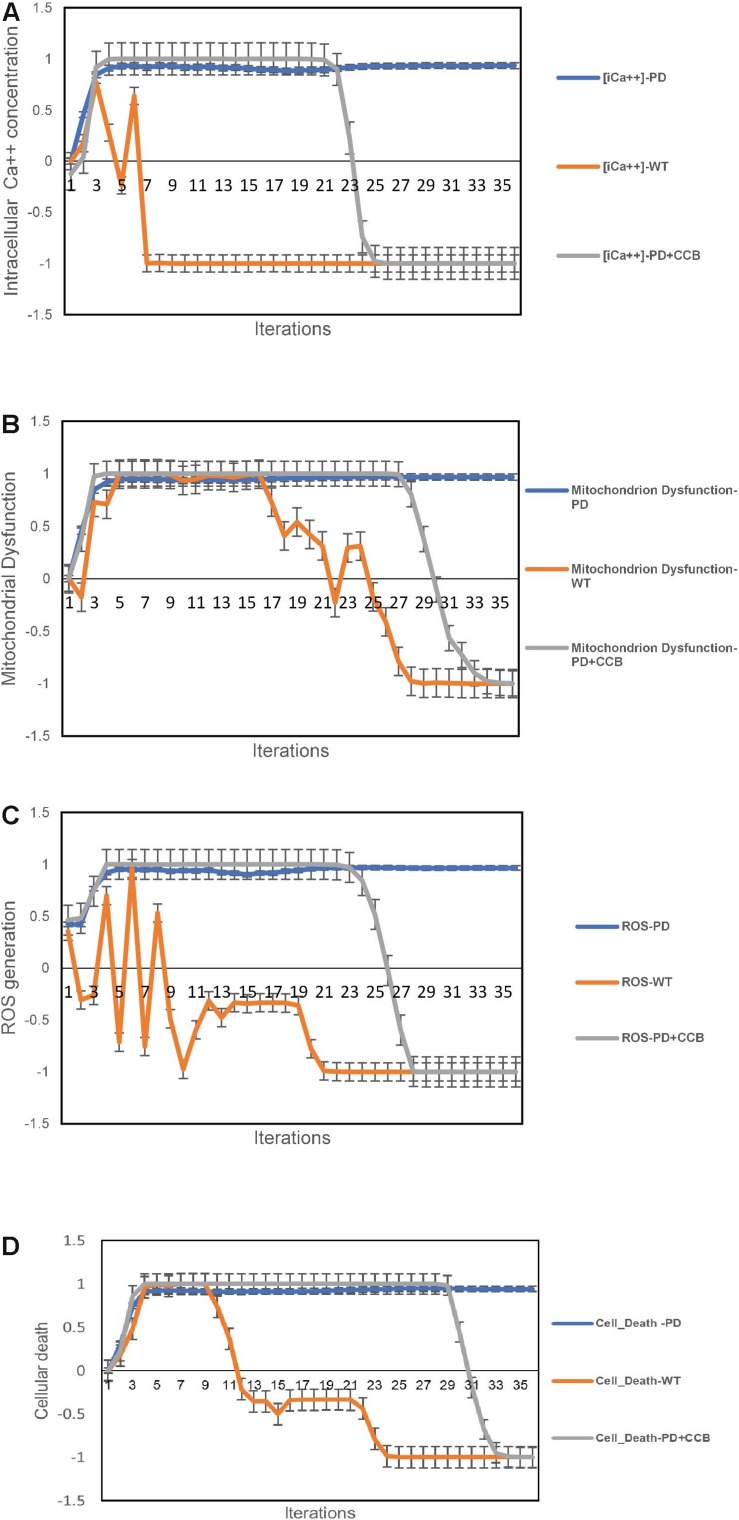
Infantile onset Pompe disease (IOPD) is a rare and lethal genetic disorder caused by the deletion of the acid alpha-glucosidase (GAA) gene. This gene encodes an essential lysosomal enzyme that converts glycogen to glucose. While enzyme replacement therapy helps some, our understanding of disease pathophysiology is limited. In this project we develop computer simulated stem cells (aiPSC) and differentiated skeletal muscle cells (aiSkMC) to empower IOPD research and drug discovery. Our Artificial Intelligence (AI) platform, DeepNEU v3.6 was used to generate aiPSC and aiSkMC simulations with and without GAA expression. These simulations were validated using peer reviewed results from the recent literature. Once the aiSkMC simulations (IOPD and WT) were validated they were used to evaluate calcium homeostasis and mitochondrial function in IOPD. Lastly, we used aiSkMC IOPD simulations to identify known and novel biomarkers and potential therapeutic targets. The aiSkMC simulations of IOPD correctly predicted genotypic and phenotypic features that were reported in recent literature. The probability that these features were accurately predicted by chance alone using the binomial test is 0.0025. The aiSkMC IOPD simulation correctly identified L-type calcium channels (VDCC) as a biomarker and confirmed the positive effects of calcium channel blockade (CCB) on calcium homeostasis and mitochondrial function. These published data were extended by the aiSkMC simulations to identify calpain(s) as a novel potential biomarker and therapeutic target for IOPD. This is the first time that computer simulations of iPSC and differentiated skeletal muscle cells have been used to study IOPD. The simulations are robust and accurate based on available published literature. We also demonstrated that the IOPD simulations can be used for potential biomarker identification leading to targeted drug discovery. We will continue to explore the potential for calpain inhibitors with and without CCB as effective therapy for IOPD.
婴儿型庞贝病(IOPD)是一种罕见的致死性遗传疾病,由酸性α-葡萄糖苷酶(GAA)基因缺失引起。该基因编码一种将糖原转化为葡萄糖的必需溶酶体酶。虽然酶替代疗法对部分患者有帮助,但我们对疾病病理生理学的了解有限。在本项目中,我们开发了计算机模拟的干细胞(aiPSC)和分化的骨骼肌细胞(aiSkMC),以推动IOPD研究和药物发现。我们使用人工智能(AI)平台DeepNEU v3.6生成有或无GAA表达的aiPSC和aiSkMC模拟。这些模拟通过近期文献中经过同行评审的结果进行验证。一旦aiSkMC模拟(IOPD和野生型)得到验证,就用于评估IOPD中的钙稳态和线粒体功能。最后,我们使用aiSkMC IOPD模拟来识别已知和新型生物标志物以及潜在的治疗靶点。IOPD的aiSkMC模拟正确预测了近期文献中报道的基因型和表型特征。使用二项式检验单独通过偶然准确预测这些特征的概率为0.0025。aiSkMC IOPD模拟正确地将L型钙通道(VDCC)识别为生物标志物,并证实了钙通道阻滞剂(CCB)对钙稳态和线粒体功能的积极作用。aiSkMC模拟扩展了这些已发表的数据,以识别钙蛋白酶作为IOPD的新型潜在生物标志物和治疗靶点。这是首次使用iPSC和分化的骨骼肌细胞的计算机模拟来研究IOPD。基于现有的已发表文献,这些模拟是可靠且准确的。我们还证明了IOPD模拟可用于潜在生物标志物的识别,从而实现靶向药物发现。我们将继续探索有或无CCB的钙蛋白酶抑制剂作为IOPD有效治疗方法的潜力。