Department of Biological Science (DCB), Center of Biotechnology and Genetics (CBG), State University of Santa Cruz (UESC), Rodovia Ilhéus-Itabuna km 16, Ilhéus, Bahia, 45652-900, Brazil.
Stem Cell Laboratory, Bone Marrow Transplantation Center (CEMO), National Cancer Institute (INCA), Rio de Janeiro, RJ, Brazil.
BMC Plant Biol. 2020 Jan 2;20(1):1. doi: 10.1186/s12870-019-2170-7.
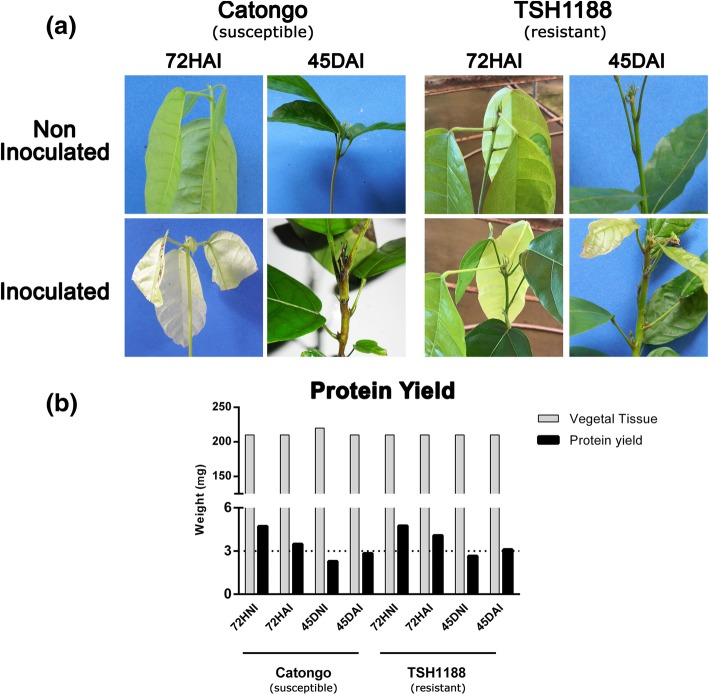
Witches' broom disease (WBD) of cacao (Theobroma cacao L.), caused by Moniliophthora perniciosa, is the most important limiting factor for the cacao production in Brazil. Hence, the development of cacao genotypes with durable resistance is the key challenge for control the disease. Proteomic methods are often used to study the interactions between hosts and pathogens, therefore helping classical plant breeding projects on the development of resistant genotypes. The present study compared the proteomic alterations between two cacao genotypes standard for WBD resistance and susceptibility, in response to M. perniciosa infection at 72 h and 45 days post-inoculation; respectively the very early stages of the biotrophic and necrotrophic stages of the cacao x M. perniciosa interaction.
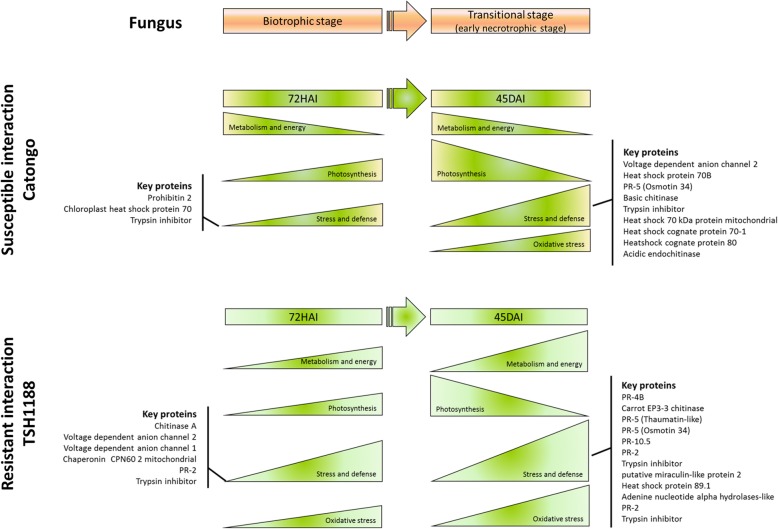
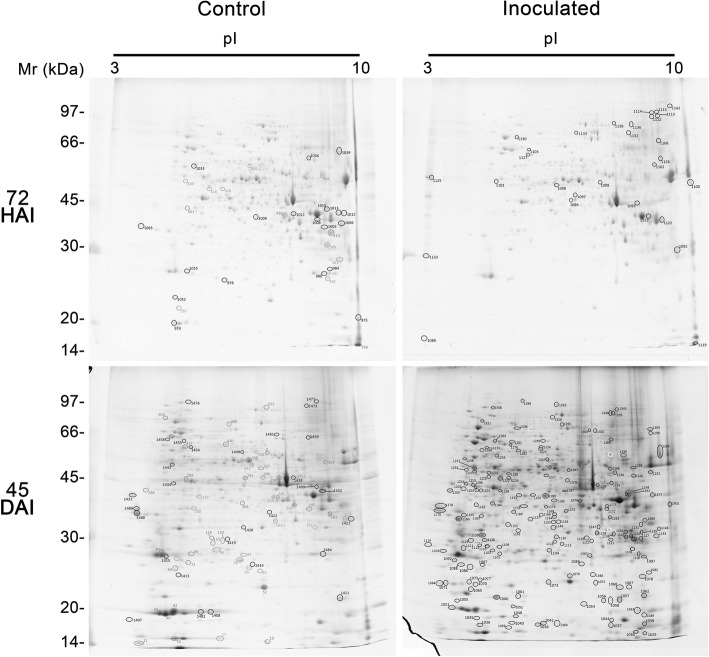
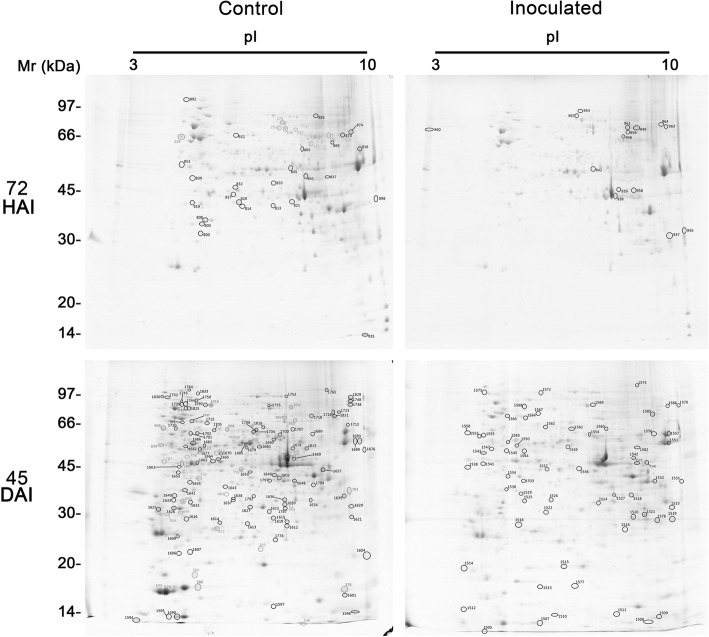
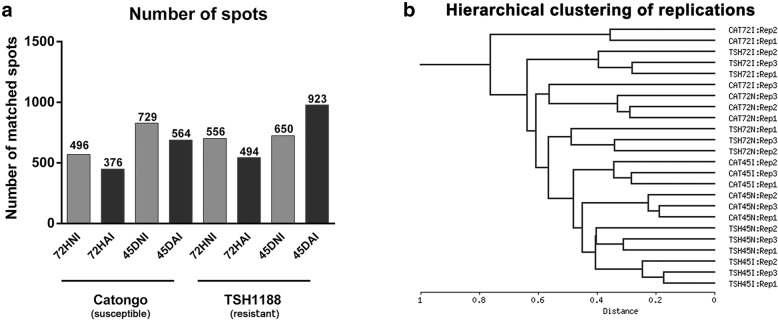
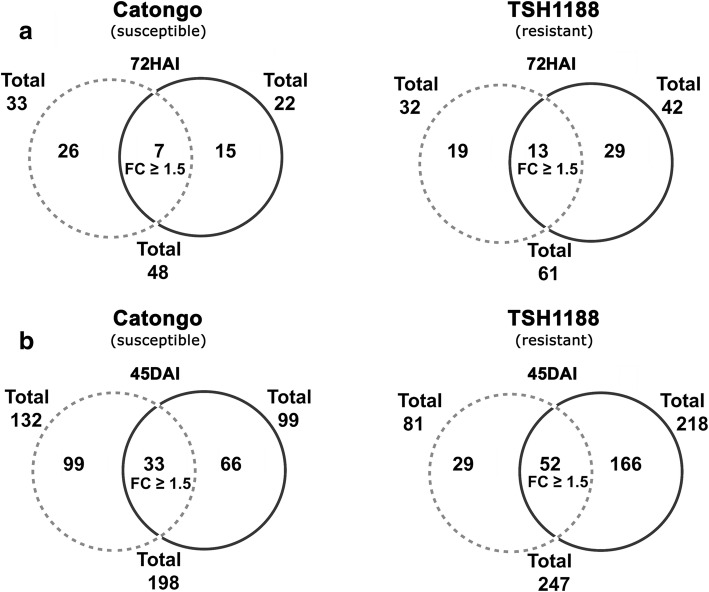
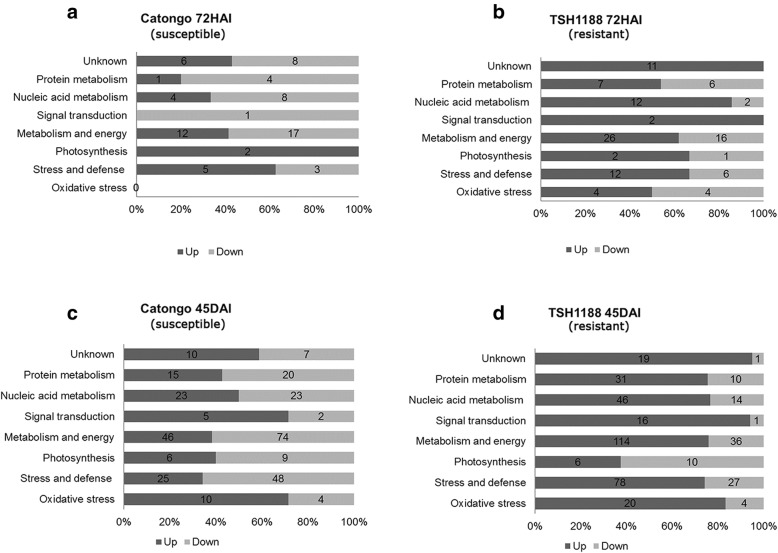
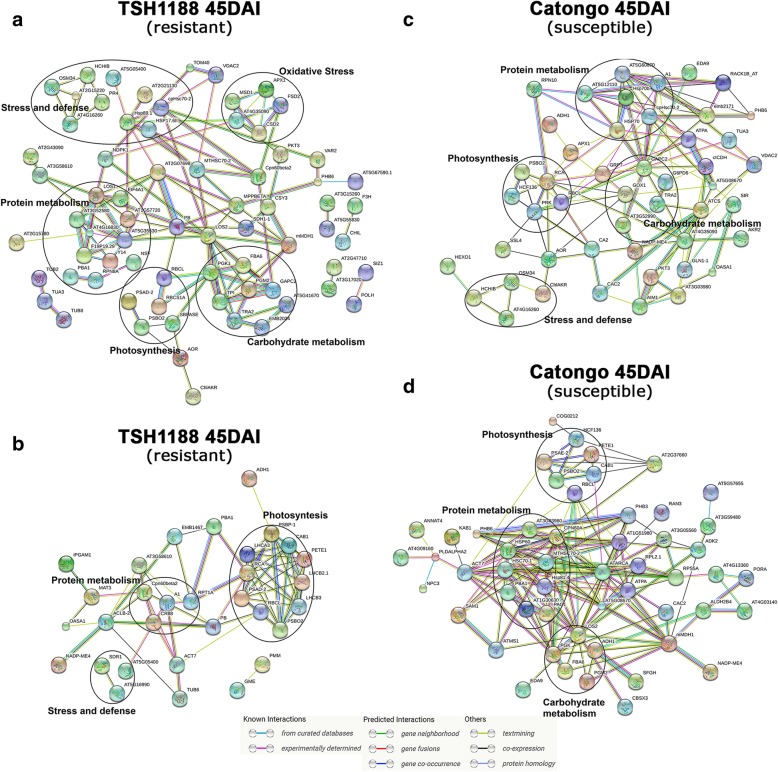
A total of 554 proteins were identified, being 246 in the susceptible Catongo and 308 in the resistant TSH1188 genotypes. The identified proteins were involved mainly in metabolism, energy, defense and oxidative stress. The resistant genotype showed more expressed proteins with more variability associated with stress and defense, while the susceptible genotype exhibited more repressed proteins. Among these proteins, stand out pathogenesis related proteins (PRs), oxidative stress regulation related proteins, and trypsin inhibitors. Interaction networks were predicted, and a complex protein-protein interaction was observed. Some proteins showed a high number of interactions, suggesting that those proteins may function as cross-talkers between these biological functions.
We present the first study reporting the proteomic alterations of resistant and susceptible genotypes in the T. cacao x M. perniciosa pathosystem. The important altered proteins identified in the present study are related to key biologic functions in resistance, such as oxidative stress, especially in the resistant genotype TSH1188, that showed a strong mechanism of detoxification. Also, the positive regulation of defense and stress proteins were more evident in this genotype. Proteins with significant roles against fungal plant pathogens, such as chitinases, trypsin inhibitors and PR 5 were also identified, and they may be good resistance markers. Finally, important biological functions, such as stress and defense, photosynthesis, oxidative stress and carbohydrate metabolism were differentially impacted with M. perniciosa infection in each genotype.
由可可单端孢霉(Moniliophthora perniciosa)引起的女巫扫帚病(WBD)是巴西可可生产的最重要限制因素。因此,开发具有持久抗性的可可基因型是控制该疾病的关键挑战。蛋白质组学方法常用于研究宿主与病原体之间的相互作用,从而有助于开展抗性基因型的经典植物育种项目。本研究比较了两种可可基因型(对 WBD 抗性和敏感性的标准)在接种后 72 小时和 45 天时对 M. perniciosa 感染的蛋白质组变化;分别为可可与 M. perniciosa 相互作用的生物亲和和坏死阶段的早期阶段。
共鉴定到 554 种蛋白质,其中易感的 Catongo 有 246 种,抗性的 TSH1188 有 308 种。鉴定到的蛋白质主要参与代谢、能量、防御和氧化应激。抗性基因型表现出更多与应激和防御相关的表达蛋白,而敏感性基因型表现出更多被抑制的蛋白。在这些蛋白质中,突出的是与发病机制相关的蛋白质(PR)、与氧化应激调节相关的蛋白质和胰蛋白酶抑制剂。预测了互作网络,并观察到复杂的蛋白质-蛋白质互作。一些蛋白质表现出高数量的互作,表明这些蛋白质可能作为这些生物学功能之间的信号转导因子发挥作用。
我们首次报道了可可与 M. perniciosa 病理系统中抗性和敏感性基因型的蛋白质组变化。本研究中鉴定到的重要改变的蛋白质与抗性中的关键生物学功能有关,如氧化应激,特别是在 TSH1188 抗性基因型中,表现出强烈的解毒机制。此外,在该基因型中,防御和应激蛋白的正向调控更为明显。还鉴定到对真菌植物病原体具有重要作用的蛋白质,如几丁质酶、胰蛋白酶抑制剂和 PR5,它们可能是良好的抗性标记物。最后,在每个基因型中,与 M. perniciosa 感染相关的重要生物学功能,如应激和防御、光合作用、氧化应激和碳水化合物代谢,都有不同的影响。