School of Computer Science and Technology, Beijing Institute of Technology, Beijing 100081, China.
Int J Environ Res Public Health. 2020 Jan 10;17(2):463. doi: 10.3390/ijerph17020463.
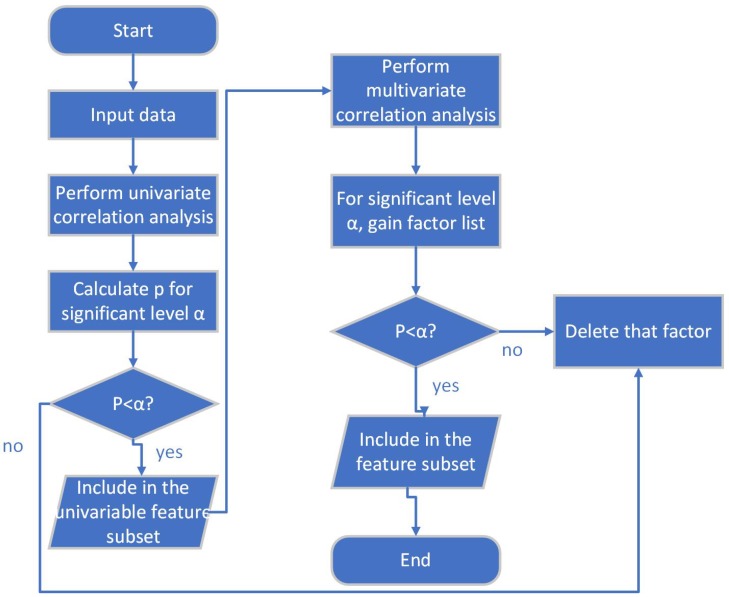
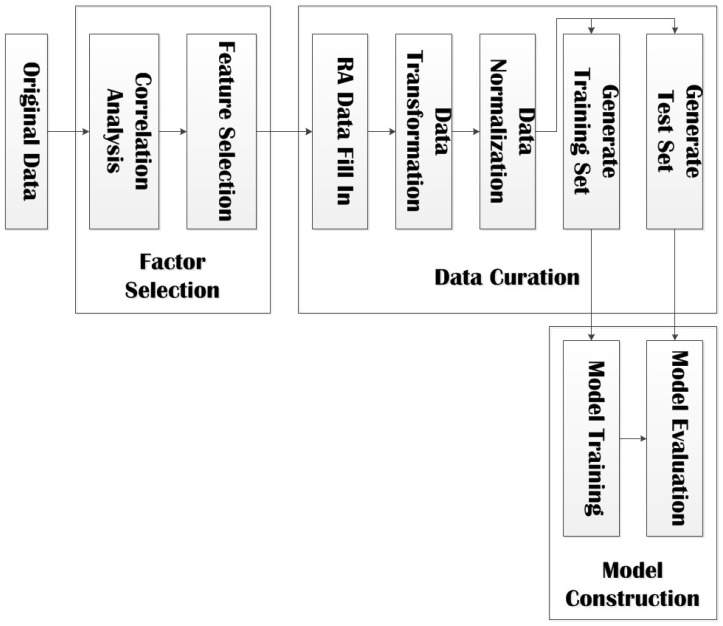
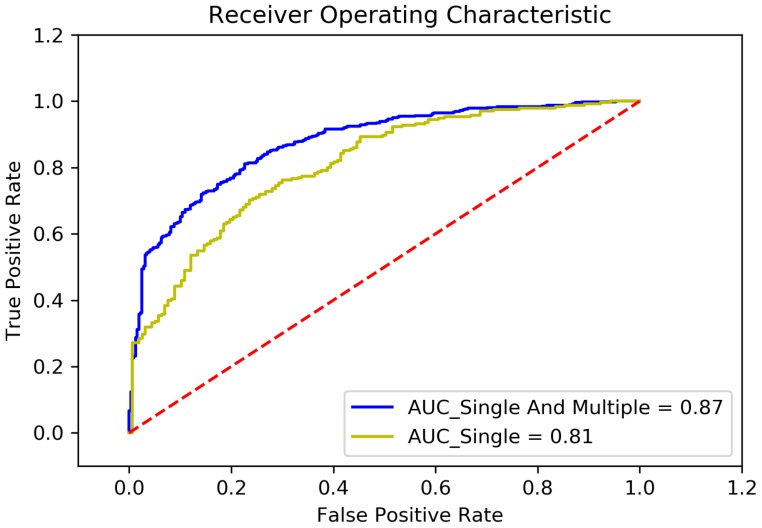
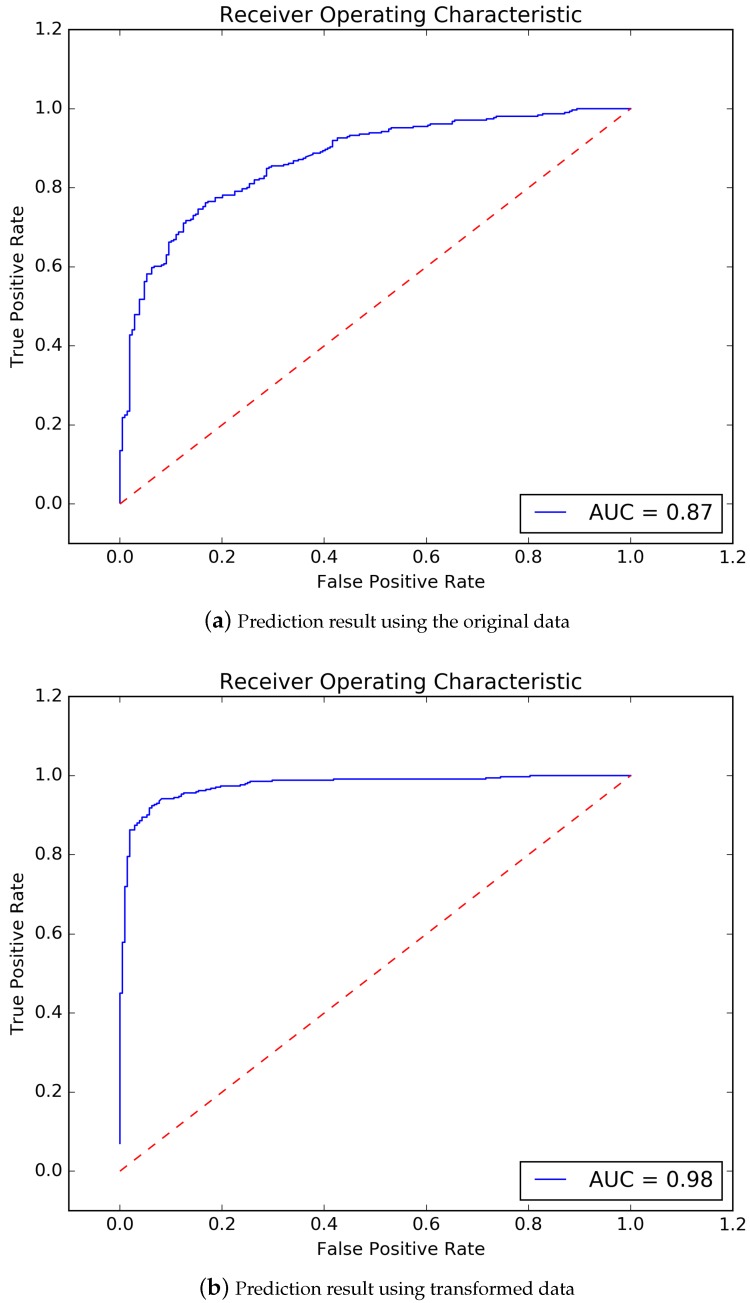
According to literature, myopia has become the second most common eye disease in China, and the incidence of myopia is increasing year by year, and showing a trend of younger age. Previous researches have shown that the occurrence of myopia is mainly determined by poor eye habits, including reading and writing posture, eye length, and so on, and parents' heredity. In order to better prevent myopia in adolescents, this paper studies the influence of related factors on myopia incidence in adolescents based on machine learning method. A feature selection method based on both univariate correlation analysis and multivariate correlation analysis is used to better construct a feature sub-set for model training. A method based on GBRT is provided to help fill in missing items in the original data. The prediction model is built based on SVM model. Data transformation has been used to improve the prediction accuracy. Results show that our method could achieve reasonable performance and accuracy.
据文献报道,近视已成为中国第二大常见眼病,且近视发病率逐年上升,呈现出年轻化趋势。既往研究表明,近视的发生主要由不良用眼习惯决定,包括读写姿势、眼轴长度等,以及父母遗传。为了更好地预防青少年近视,本文基于机器学习方法研究了相关因素对青少年近视发病率的影响。使用基于单变量相关分析和多变量相关分析的特征选择方法,以更好地构建模型训练的特征子集。提供了一种基于 GBRT 的方法来帮助填补原始数据中的缺失项。基于 SVM 模型构建预测模型。使用数据转换来提高预测精度。结果表明,我们的方法可以达到合理的性能和准确性。