Research Division, Shriners Hospital for Children, Portland, United States.
Oregon Hearing Research Center, Oregon Health & Science University, Portland, United States.
Elife. 2020 Jan 21;9:e52695. doi: 10.7554/eLife.52695.
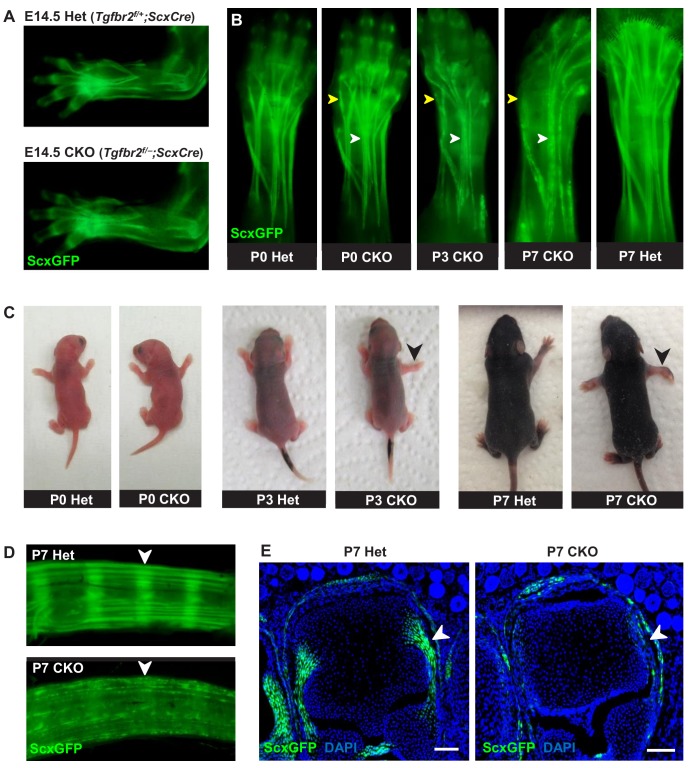
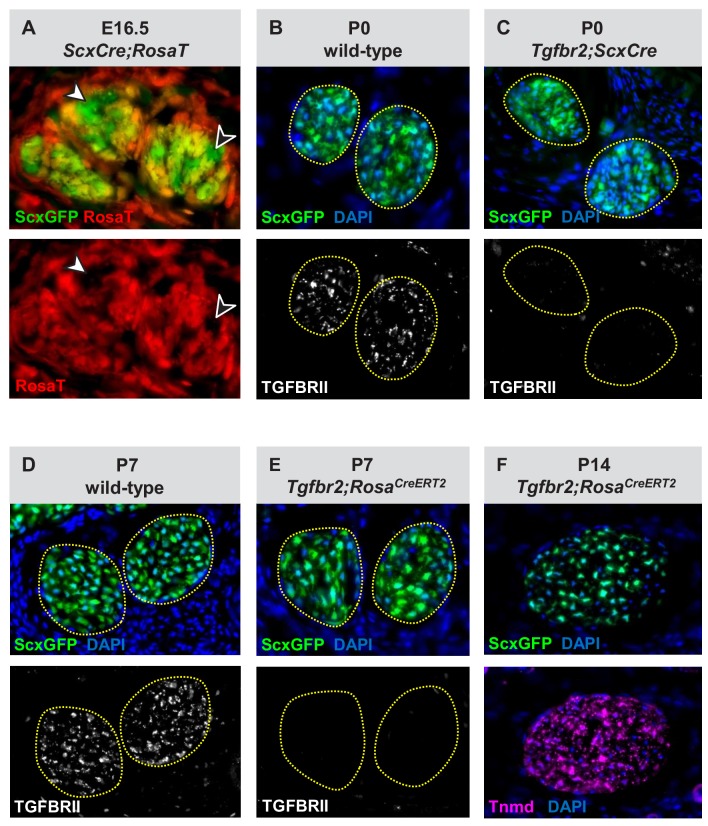
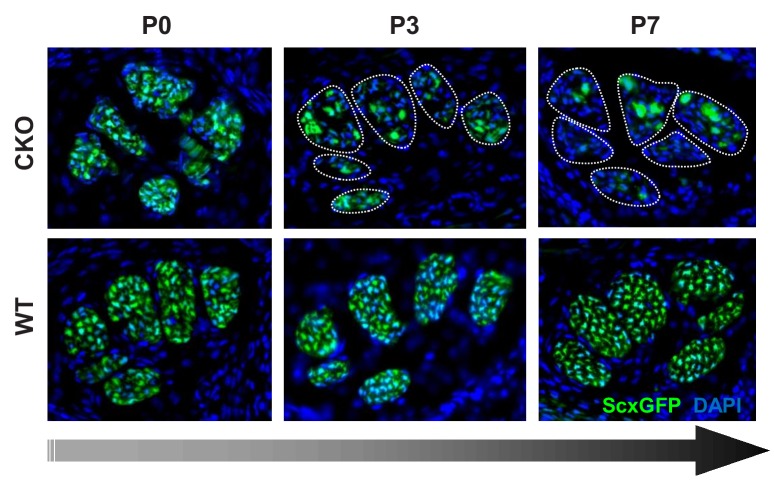
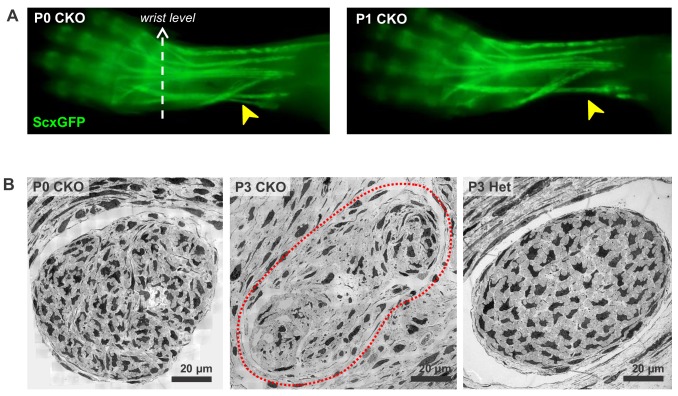
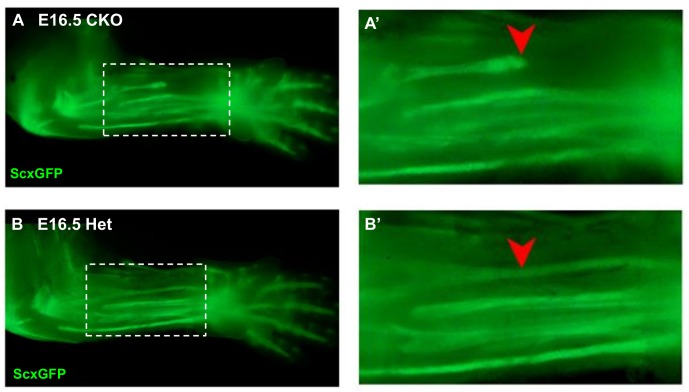
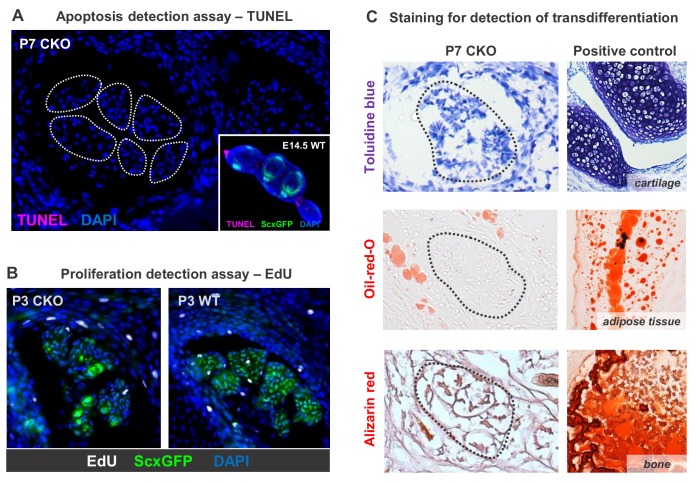
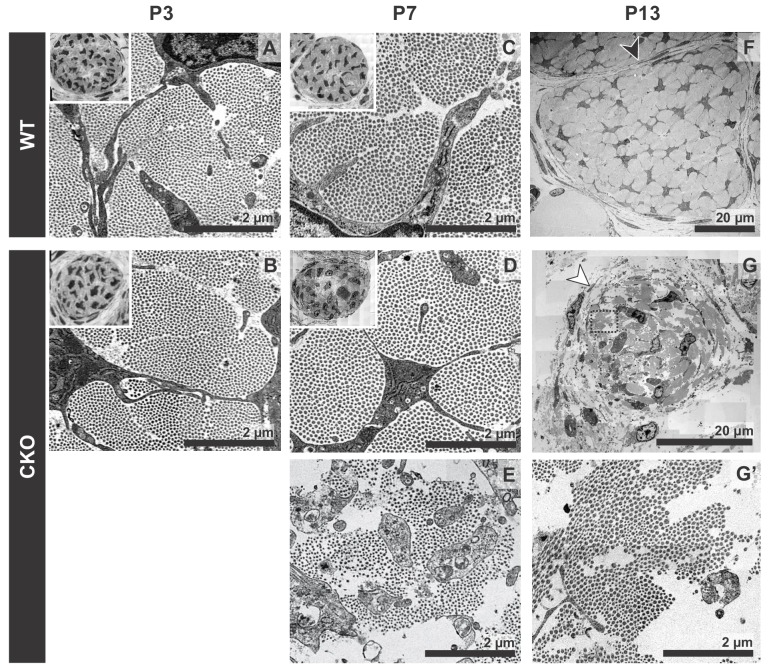
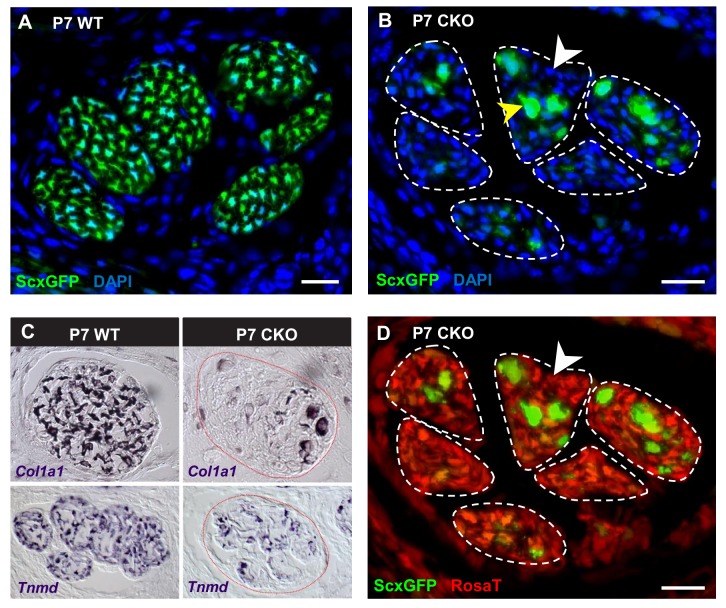
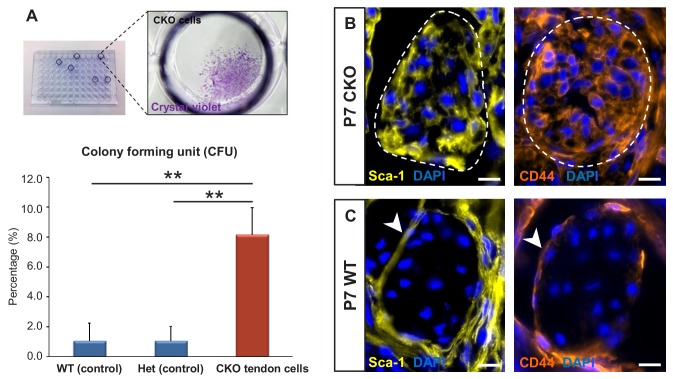
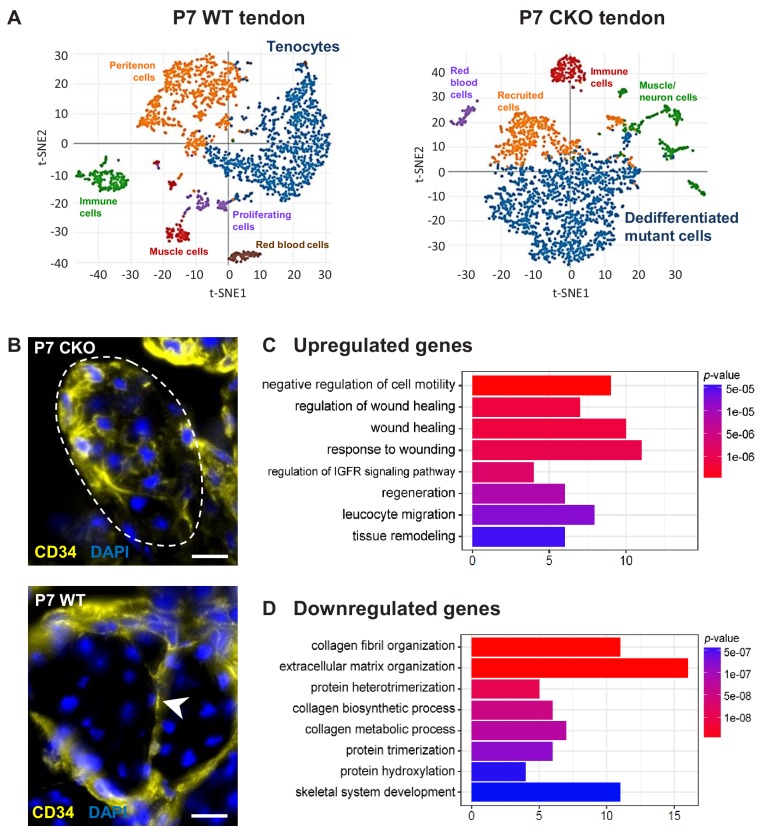
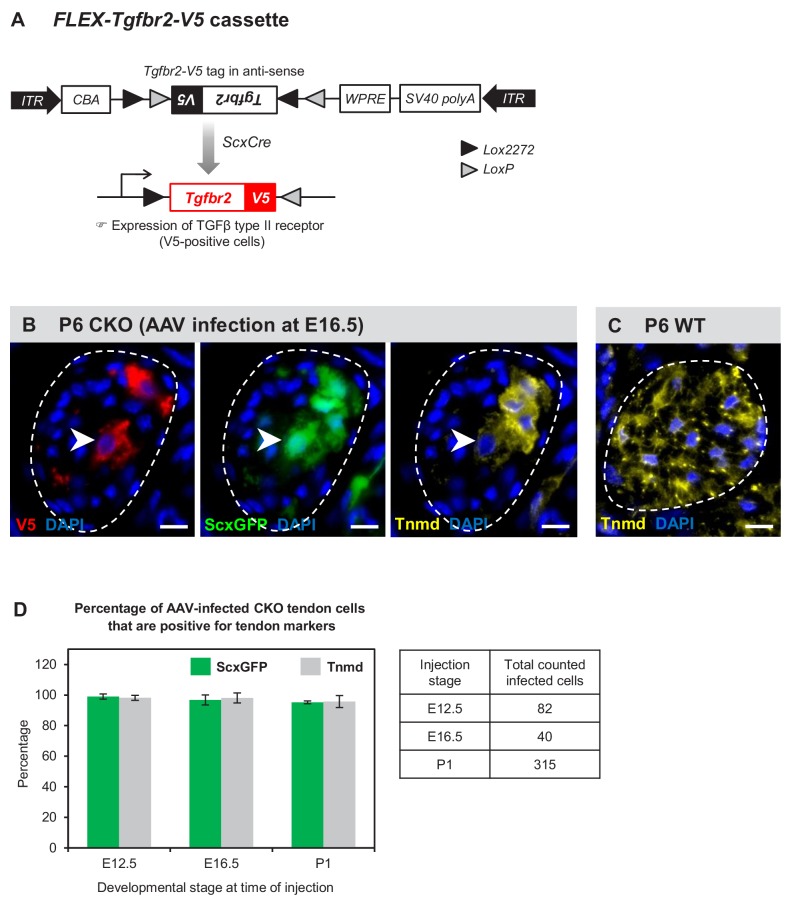
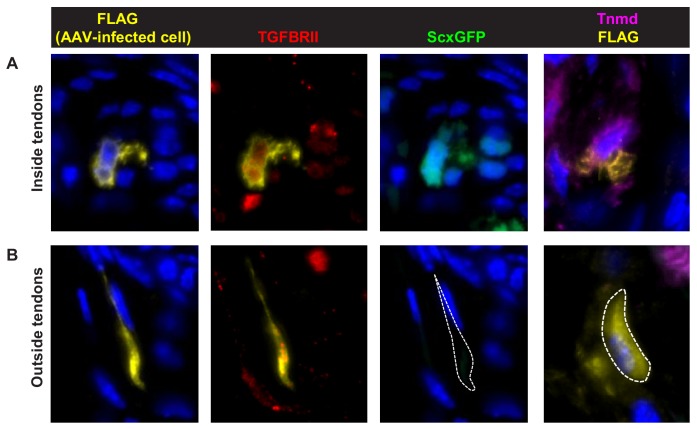
Studies of cell fate focus on specification, but little is known about maintenance of the differentiated state. In this study, we find that the mouse tendon cell fate requires continuous maintenance in vivo and identify an essential role for TGFβ signaling in maintenance of the tendon cell fate. To examine the role of TGFβ signaling in tenocyte function the TGFβ type II receptor () was targeted in the Scleraxis-expressing cell lineage using the deletor. Tendon development was not disrupted in mutant embryos, but shortly after birth tenocytes lost differentiation markers and reverted to a more stem/progenitor state. Viral reintroduction of to mutants prevented and even rescued tenocyte dedifferentiation suggesting a continuous and cell autonomous role for TGFβ signaling in cell fate maintenance. These results uncover the critical importance of molecular pathways that maintain the differentiated cell fate and a key role for TGFβ signaling in these processes.
细胞命运的研究集中在分化上,但对于分化状态的维持知之甚少。在这项研究中,我们发现小鼠肌腱细胞命运需要在体内持续维持,并确定 TGFβ 信号在维持肌腱细胞命运中的重要作用。为了研究 TGFβ 信号在肌腱细胞功能中的作用,我们使用 Scleraxis 表达细胞系中的 缺失体靶向 TGFβ 型 II 受体 ()。突变胚胎的肌腱发育没有受到干扰,但出生后不久,肌腱细胞失去分化标志物,恢复到更具干细胞/祖细胞状态。病毒介导的 将 重新导入到突变体中,阻止甚至挽救了肌腱细胞去分化,表明 TGFβ 信号在细胞命运维持中具有持续的、细胞自主的作用。这些结果揭示了维持分化细胞命运的分子途径的重要性,以及 TGFβ 信号在这些过程中的关键作用。