Zhang Xinyi, Xu Xiaoyan, Li Pingping, Zhou Feifei, Kong Lin, Qiu Jiahui, Yuan Zhengwei, Tan Jichun
Reproductive Medical Center, Obstetrics and Gynecology Department, Shengjing Hospital of China Medical University, Shenyang, China.
Key Laboratory of Reproductive Dysfunction Diseases and Fertility Remodeling of Liaoning Province, Shenyang, China.
Front Endocrinol (Lausanne). 2019 Nov 26;10:821. doi: 10.3389/fendo.2019.00821. eCollection 2019.
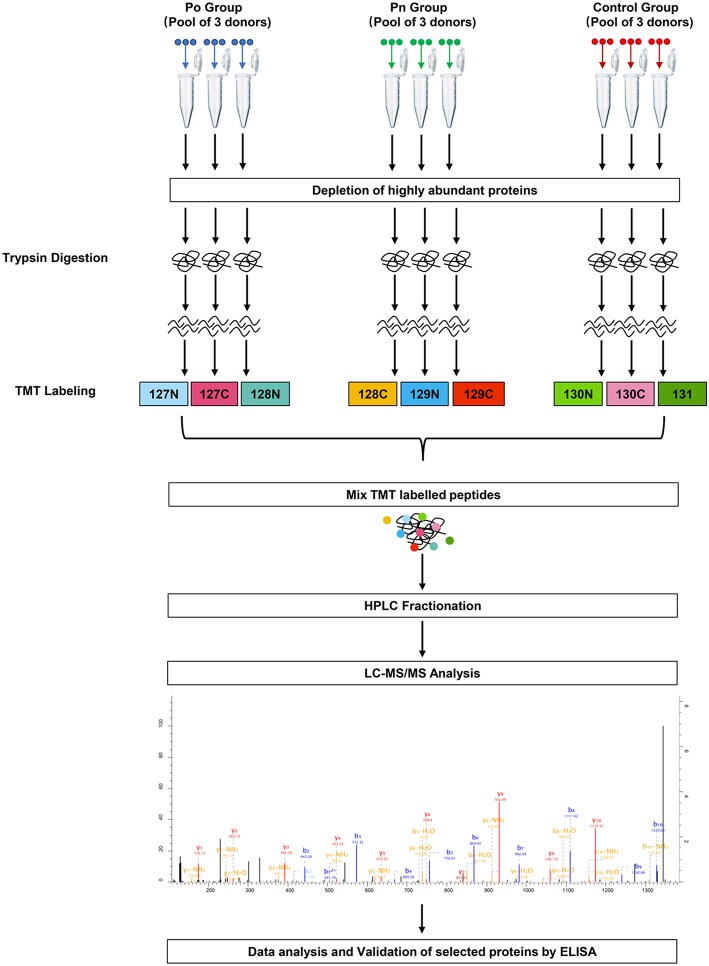
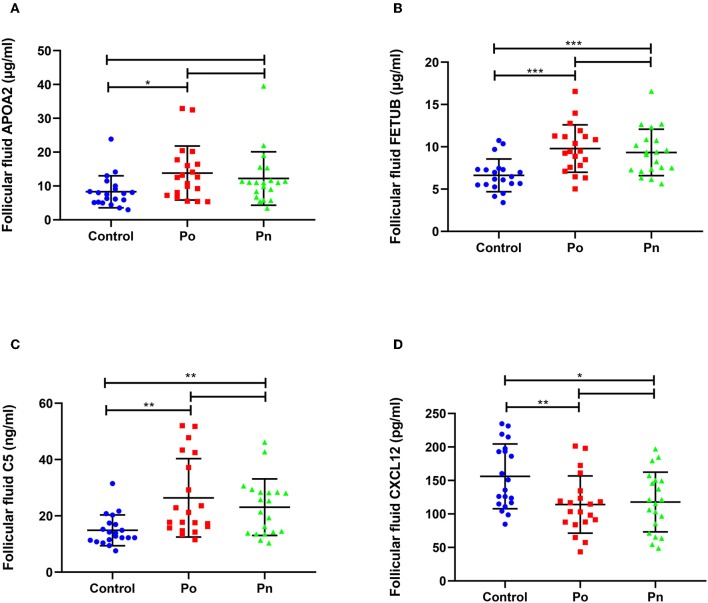
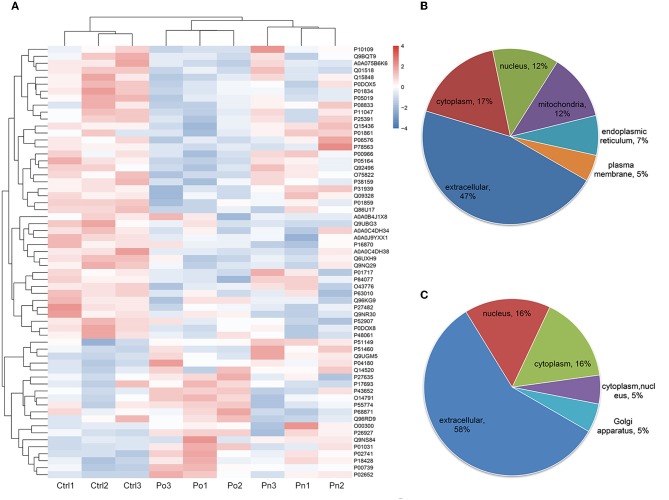
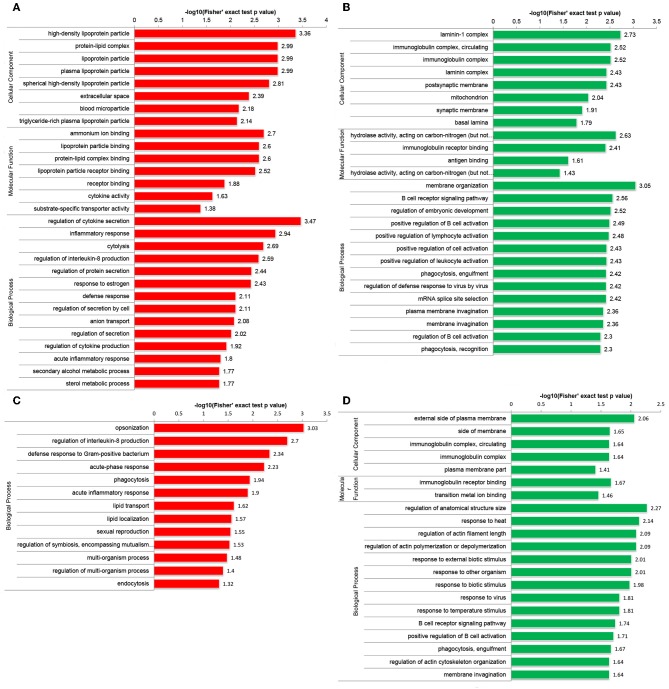
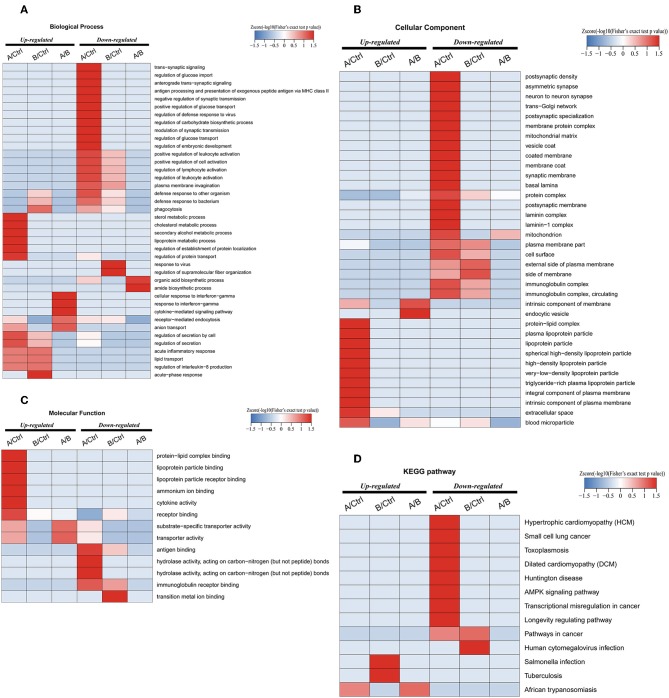
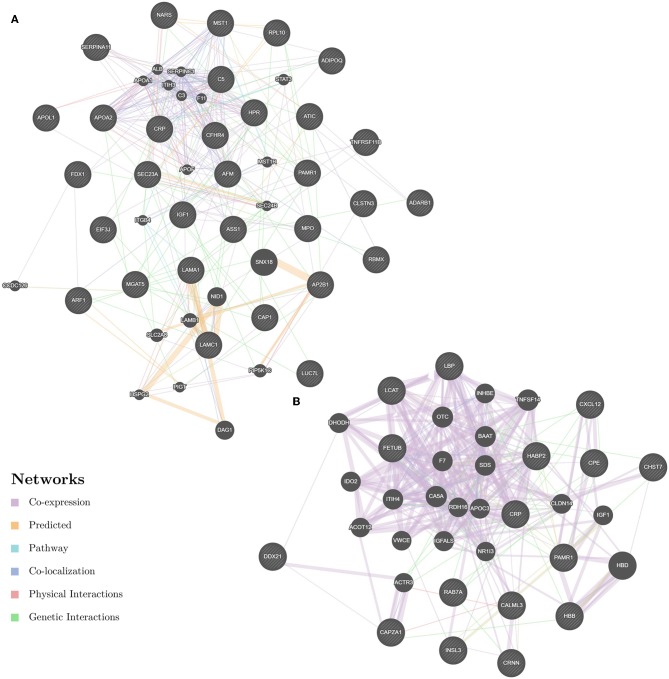
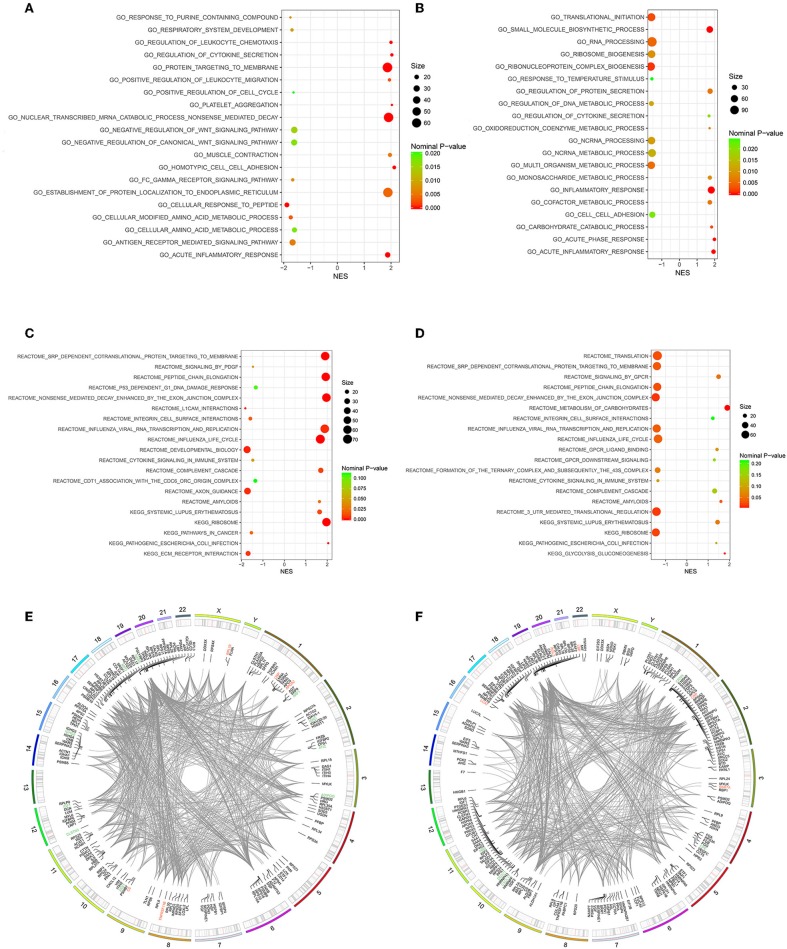
Polycystic ovary syndrome (PCOS) is a major endocrine and metabolic disorder with heterogeneous manifestations and complex etiology. As a leading cause of anovulatory infertility, the molecular diversity of the follicular microenvironment has not been fully elucidated. The aim of the present study was to investigate the follicular fluid proteomic profiles of overweight/obese and normal-weight women with PCOS, to identify novel molecular mechanisms underlying PCOS and to determine the effect of obesity on the follicular fluid protein profiles. Follicular fluid samples were collected from 3 different groups: overweight/obese PCOS patients ( = 29), normal-weight PCOS patients ( = 29), and normo-ovulatory controls ( = 29). We used a quantitative approach with tandem mass tag labeling and liquid chromatography tandem mass spectrometry to identify the differentially expressed proteins. Differential abundance of four selected proteins was confirmed by ELISA. Gene Set Enrichment Analysis was also conducted to further explore our findings. Furthermore, we compared the clinical, hormonal, and biochemical characteristics of overweight/obese and normal-weight patients with PCOS to determine the effects of obesity. A total of 1,153 proteins were identified, of which 41 and 19 proteins were differentially expressed in the overweight/obese PCOS group vs. the control group, and in the normal-weight PCOS group vs. the control group, respectively. Bioinformatics analyses showed that the inflammatory, immunological, and metabolic-related biological processes were co-enriched in both subgroups of PCOS. Apolipoprotein A-II, complement C5, fetuin-B, and stromal cell-derived factor 1 were found to be involved in various processes and were validated using the ELISA analysis. From clinical features and proteomic data, obesity was found to worsen follicular development disturbances in PCOS. In this proteomic study, a panel of proteins were found differentially expressed in the follicular fluid of PCOS. Inflammatory, immunological, and metabolic abnormalities were identified inside the intra-follicular environment, which could be aggravated by obesity. The identified proteins were correlated with follicular growth and may be considered as candidate biomarkers as well as therapeutic targets of PCOS.
多囊卵巢综合征(PCOS)是一种主要的内分泌和代谢紊乱疾病,表现多样且病因复杂。作为无排卵性不孕的主要原因,卵泡微环境的分子多样性尚未完全阐明。本研究的目的是调查超重/肥胖和体重正常的PCOS女性的卵泡液蛋白质组学图谱,确定PCOS潜在的新分子机制,并确定肥胖对卵泡液蛋白质图谱的影响。从3个不同组收集卵泡液样本:超重/肥胖PCOS患者(n = 29)、体重正常的PCOS患者(n = 29)和排卵正常的对照组(n = 29)。我们采用串联质量标签标记和液相色谱串联质谱的定量方法来鉴定差异表达的蛋白质。通过酶联免疫吸附测定(ELISA)确认了四种选定蛋白质的丰度差异。还进行了基因集富集分析以进一步探究我们的发现。此外,我们比较了超重/肥胖和体重正常的PCOS患者的临床、激素和生化特征,以确定肥胖的影响。共鉴定出1153种蛋白质,其中超重/肥胖PCOS组与对照组相比,以及体重正常的PCOS组与对照组相比,分别有41种和19种蛋白质差异表达。生物信息学分析表明,炎症、免疫和代谢相关的生物学过程在PCOS的两个亚组中均共同富集。发现载脂蛋白A-II、补体C5、胎球蛋白-B和基质细胞衍生因子1参与各种过程,并通过ELISA分析进行了验证。从临床特征和蛋白质组学数据来看,肥胖会加重PCOS患者的卵泡发育障碍。在这项蛋白质组学研究中,发现一组蛋白质在PCOS的卵泡液中差异表达。在卵泡内环境中发现了炎症、免疫和代谢异常,肥胖可能会加剧这些异常。鉴定出的蛋白质与卵泡生长相关,可被视为PCOS的候选生物标志物和治疗靶点。