Fan Song, Tian Tian, Lv Xiaobin, Lei Xinyuan, Yang Zhaohui, Liu Mo, Liang Faya, Li Shunrong, Lin Xiaofeng, Lin Zhaoyu, Xie Shule, Li Bowen, Chen Weixiong, Pan Guokai, Lin Xinyu, Ou Zhanpeng, Zhang Yin, Peng Yu, Xiao Liping, Zhang Lizao, Sun Sheng, Zhang Hanqing, Lin Sigeng, Li Qunxing, Zeng Binghui, Kontos Filippos, Ruan Yi, Ferrone Soldano, Lin Dechen, Tannous Bakhos A, Li Jinsong
Guangdong Provincial Key Laboratory of Malignant Tumor Epigenetics and Gene Regulation of Sun Yat-Sen Memorial Hospital, Guangzhou 510120, China; Department of Oral and Maxillofacial Surgery, Sun Yat-Sen Memorial Hospital of Sun Yat-Sen University, Guangzhou 510120, China.
Department of Neurobiology, Key Laboratory of Human Functional Genomics of Jiangsu, Nanjing Medical University, Nanjing, Jiangsu 211166, China.
iScience. 2020 Feb 21;23(2):100835. doi: 10.1016/j.isci.2020.100835. Epub 2020 Jan 11.
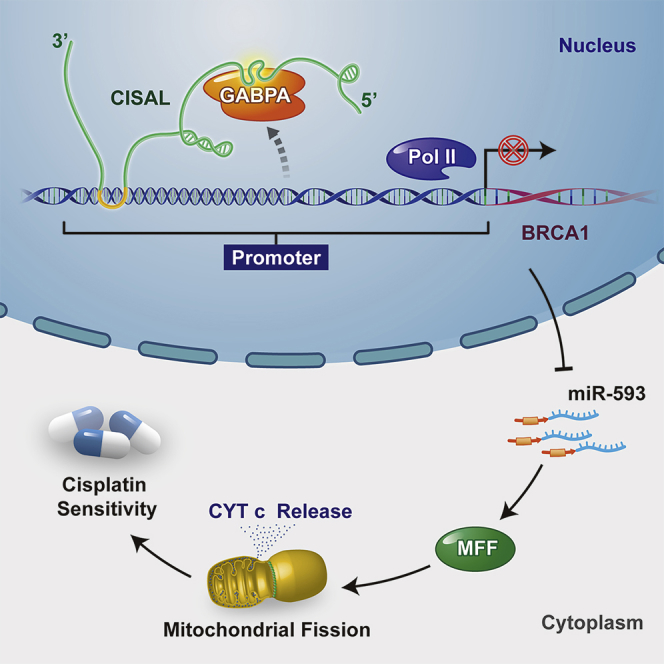
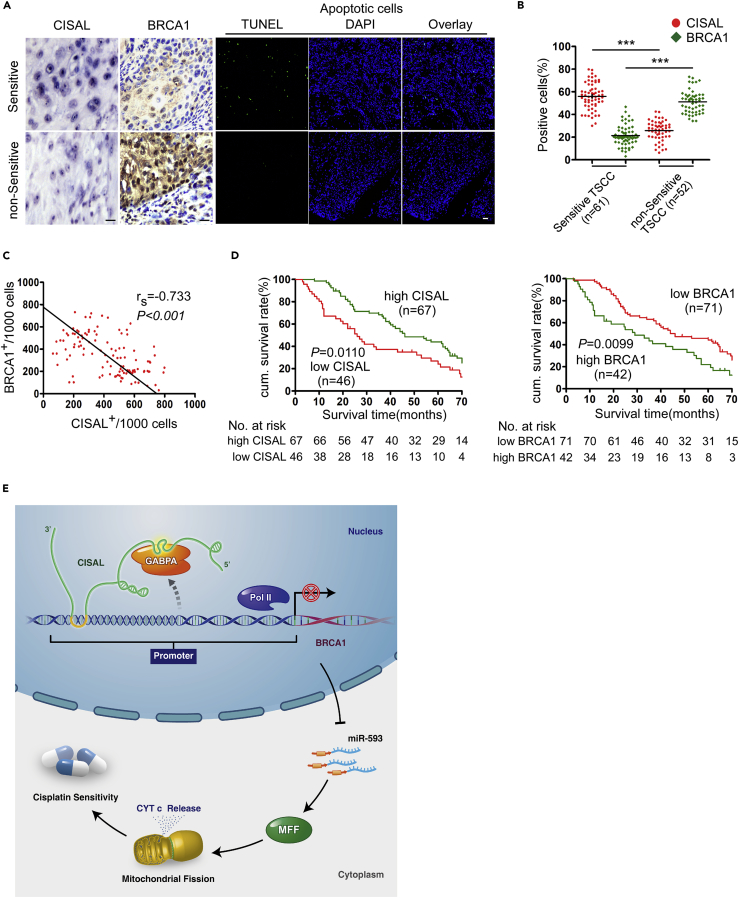
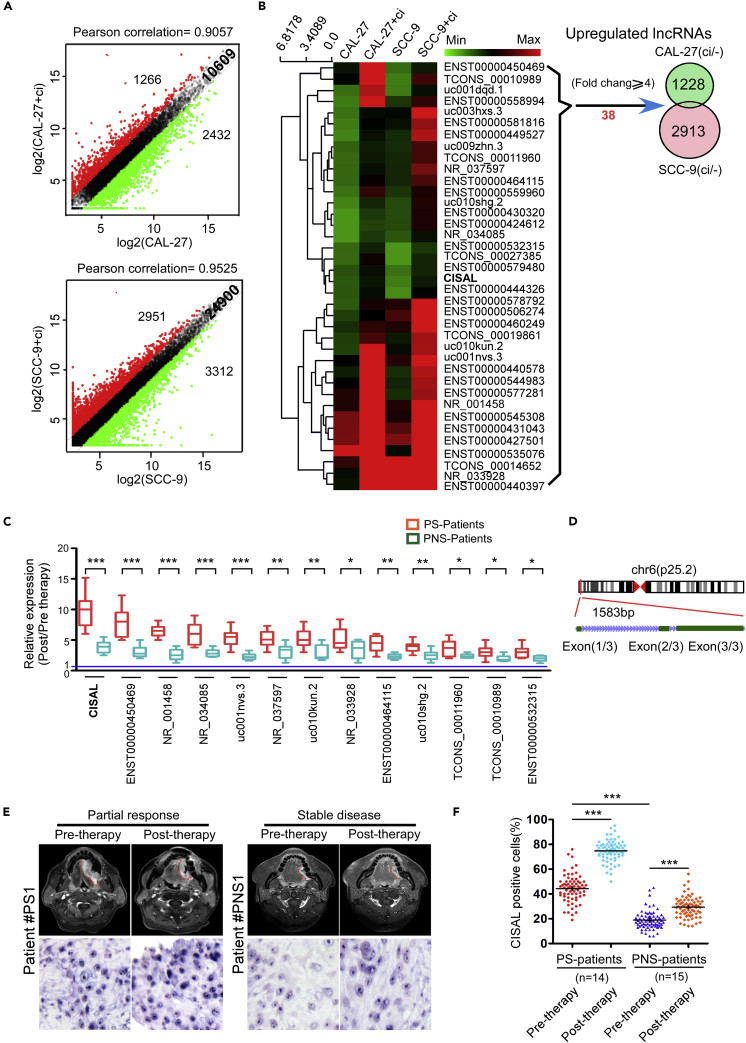
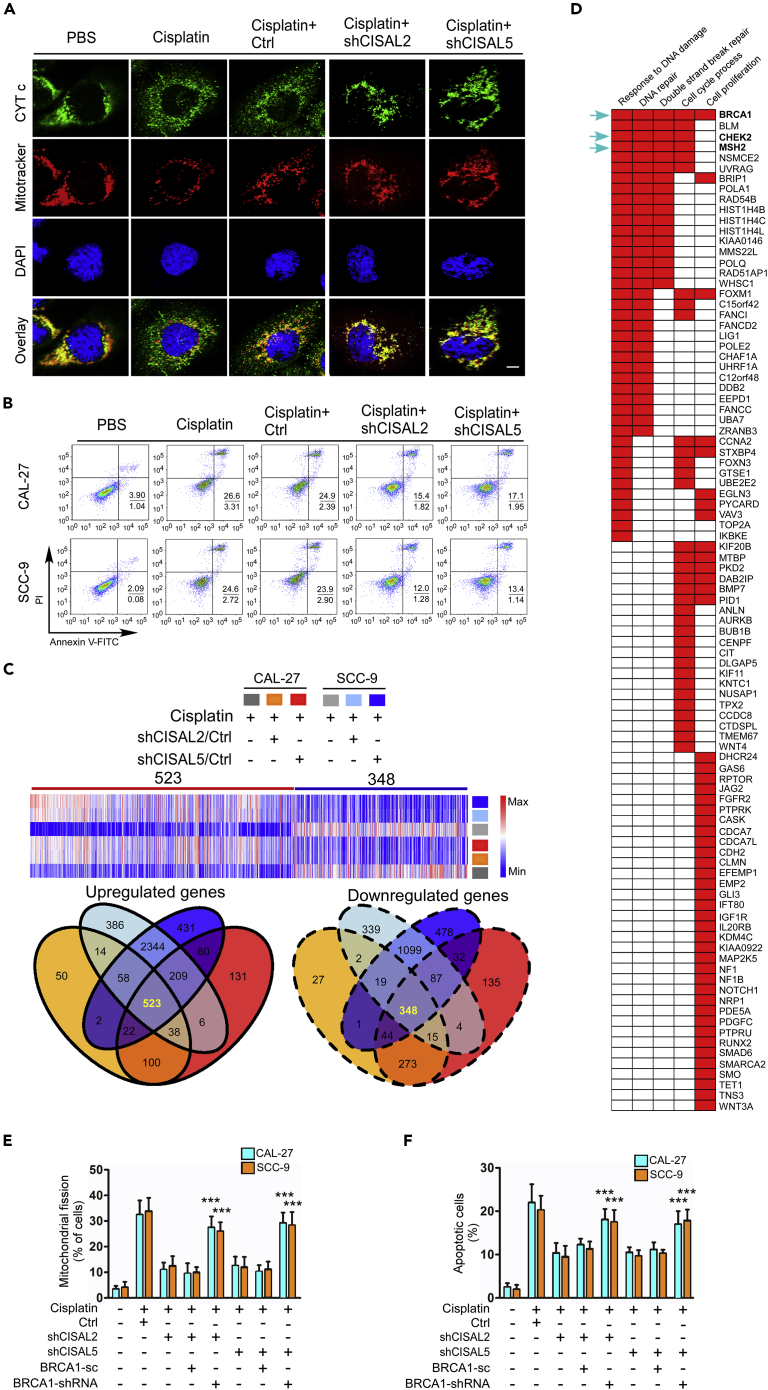
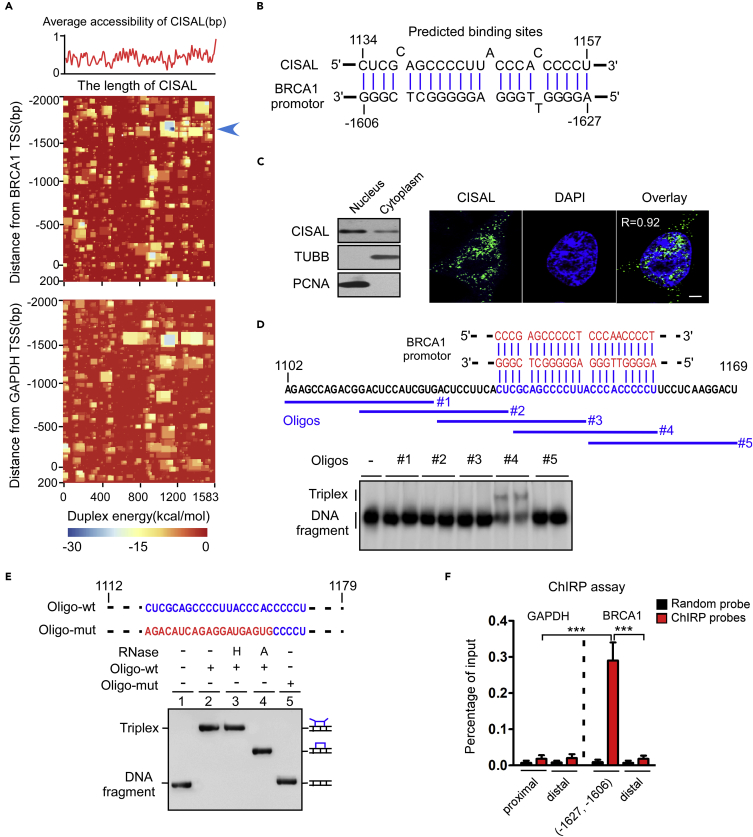
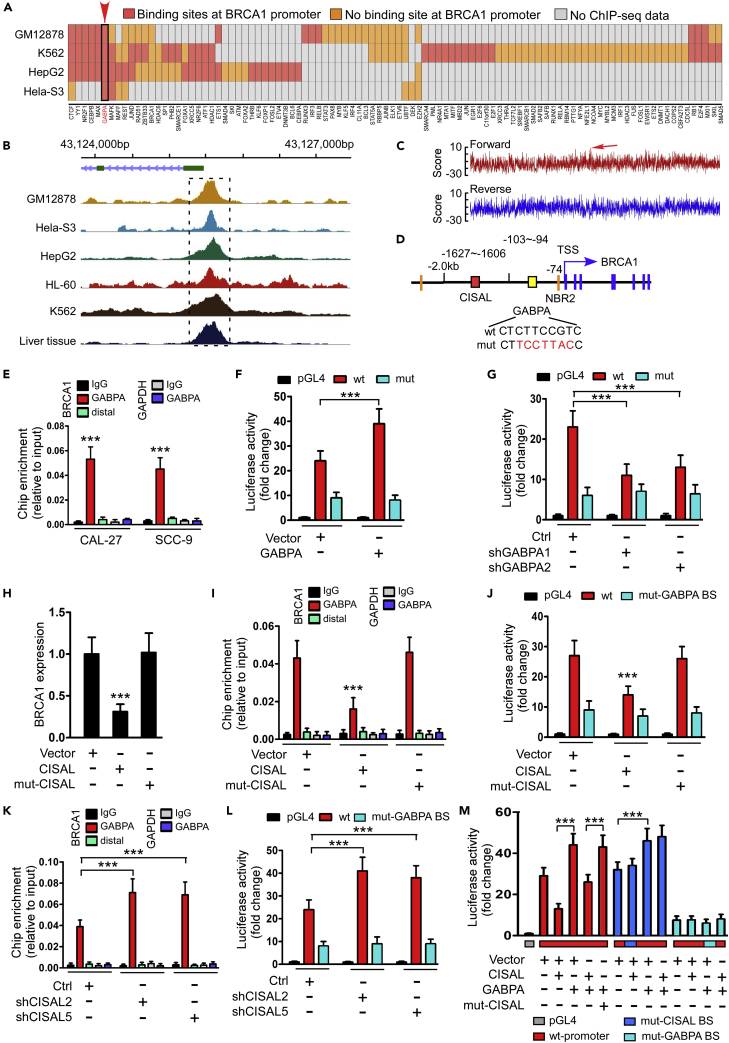
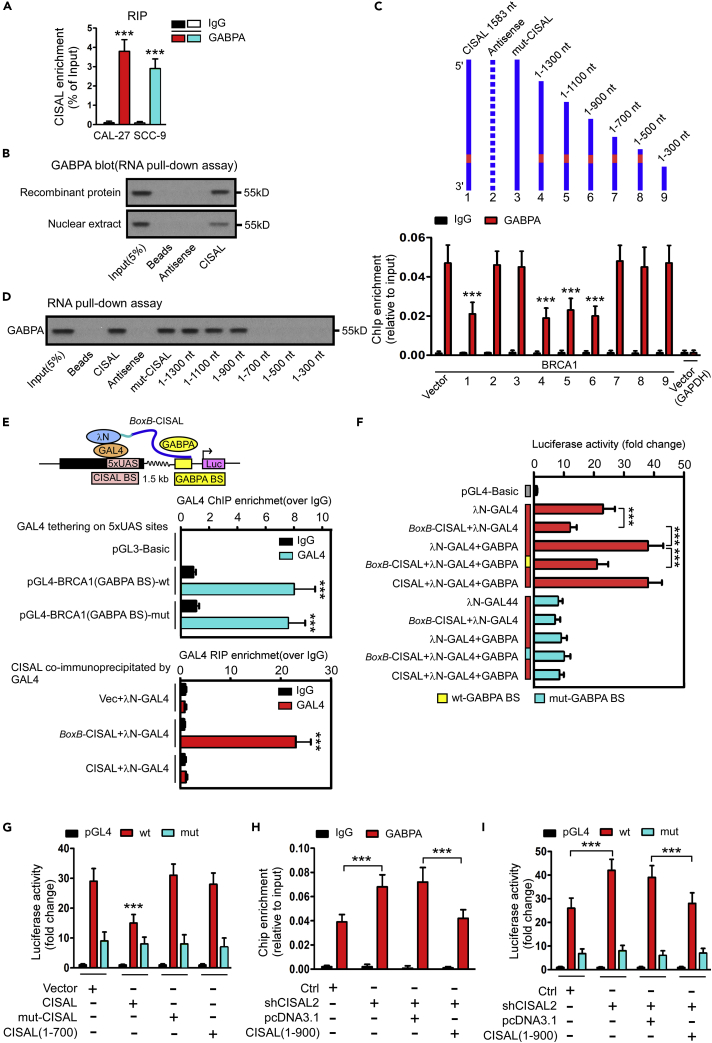
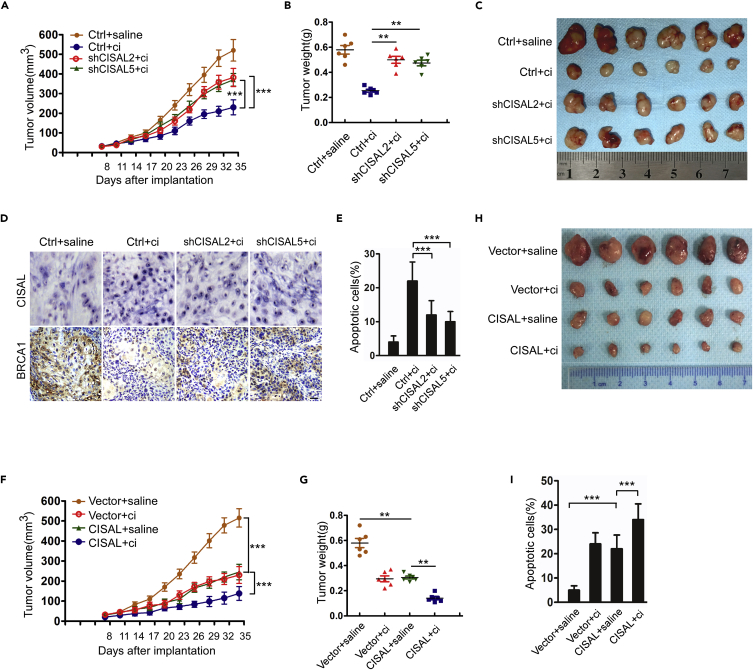
Cisplatin-based neoadjuvant chemotherapy has been shown to improve survival in patients with squamous cell carcinoma (SCC), but clinical biomarkers to predict chemosensitivity remain elusive. Here, we show the long noncoding RNA (lncRNA) LINC01011, which we termed cisplatin-sensitivity-associated lncRNA (CISAL), controls mitochondrial fission and cisplatin sensitivity by inhibiting BRCA1 transcription in tongue SCC (TSCC) models. Mechanistically, we found CISAL directly binds the BRCA1 promoter and forms an RNA-DNA triplex structure, sequestering BRCA1 transcription factor-GABPA away from the downstream regulatory binding region. Importantly, the clinical relevance of these findings is suggested by the significant association of CISAL and BRCA1 expression levels in TSCC tumors with neoadjuvant chemosensitivity and overall survival. We propose a new model where lncRNAs are tethered at gene promoter by RNA-DNA triplex formation, spatially sequestering transcription factors away from DNA-binding sites. Our study uncovers the potential of CISAL-BRCA1 signaling as a potential target to predict or improve chemosensitivity.
基于顺铂的新辅助化疗已被证明可提高鳞状细胞癌(SCC)患者的生存率,但预测化疗敏感性的临床生物标志物仍难以捉摸。在此,我们发现长链非编码RNA(lncRNA)LINC01011,我们将其命名为顺铂敏感性相关lncRNA(CISAL),在舌鳞状细胞癌(TSCC)模型中通过抑制BRCA1转录来控制线粒体分裂和顺铂敏感性。从机制上讲,我们发现CISAL直接结合BRCA1启动子并形成RNA-DNA三链体结构,将BRCA1转录因子-GABPA从下游调控结合区域隔离。重要的是,TSCC肿瘤中CISAL和BRCA1表达水平与新辅助化疗敏感性和总生存期的显著关联提示了这些发现的临床相关性。我们提出了一个新模型,即lncRNAs通过形成RNA-DNA三链体而锚定在基因启动子上,在空间上使转录因子远离DNA结合位点。我们的研究揭示了CISAL-BRCA1信号作为预测或改善化疗敏感性的潜在靶点的潜力。