Berge Veterinary Consulting BV, Vollezele, Belgium.
Department of Immunopharmacology, Utrecht University, Utrecht, The Netherlands.
Epidemiol Infect. 2020 Jan 31;148:e14. doi: 10.1017/S0950268820000060.
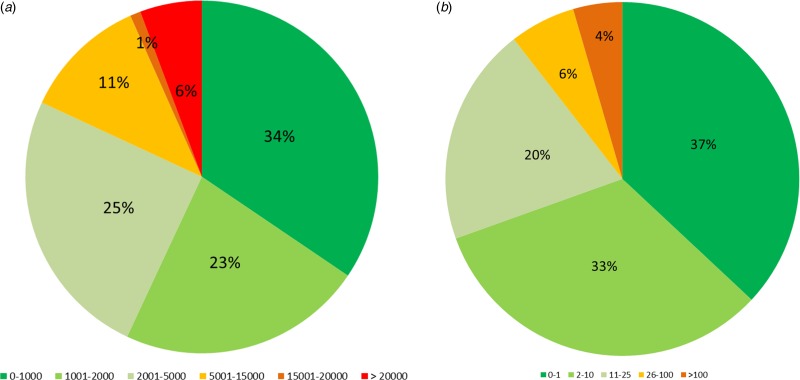
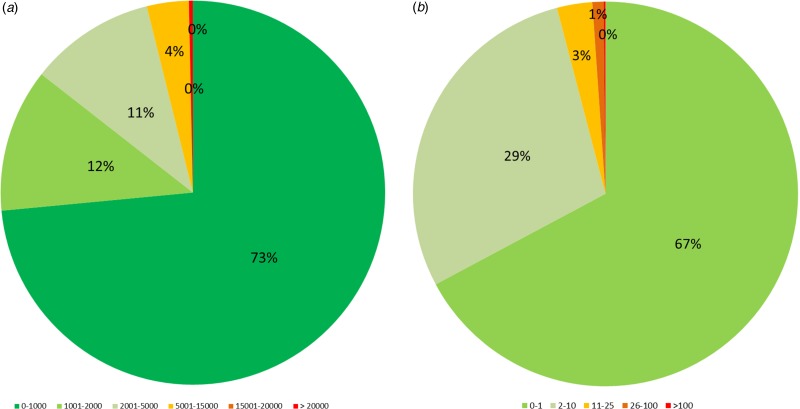
There is world-wide increasing interest in the consumption of unprocessed, natural food commodities including fresh (unpasteurised) milk and milk products. Consumers are actively seeking out raw milk, partly due to health reasons, but also for taste, freshness, closeness to the producer and to support local agriculture. The need for high levels of hygiene and safety in farms producing raw milk for direct consumption has long been recognised and has led to federal and industry-initiated systems for safe raw milk production. Raw milk producers in North America and Europe have demonstrated that raw milk, intended for direct consumption, can be produced safe and hygienic. The aim of this paper is to describe practices that have been developed for safe raw milk production. The German Vorzugsmilch is a federally regulated programme for legal raw milk production that was established already in the 1930s to provide raw milk with high hygienic standards controlled for zoonotic diseases to consumers. The Raw Milk Institute is a non-profit organisation established in California that has developed a voluntary safe raw milk programme in North America. RAWMI has developed a risk analysis and management system for raw milk dairy farmers to assist farmers in making individually tailored solutions for various production systems. In British Colombia, Canada, small herd share farms have employed good manufacturing practices, a risk management approach and performed monthly samples for pathogens and indicator bacteria to demonstrate safety and consistency. The major components of the raw milk systems applied, and the results of regular milk microbial indicator bacteria are presented. For the German system, the results from standard monthly pathogen tests are compared to zoonotic pathogen tests from other milk sources. The overall results indicate that raw milk can be produced with a high level of hygiene and safety in various systems.
人们对包括新鲜(未经巴氏消毒)牛奶和奶制品在内的未加工天然食品的消费兴趣在全球范围内不断增加。消费者积极寻找生奶,部分原因是出于健康考虑,但也因为口感、新鲜度、与生产者的亲近感以及对当地农业的支持。长期以来,人们一直认识到生产直接消费的生奶的农场需要高水平的卫生和安全,这导致了联邦和行业发起的安全生奶生产系统。北美和欧洲的生奶生产者已经证明,直接消费的生奶可以安全卫生地生产。本文的目的是描述为安全生奶生产而开发的实践。德国 Vorzugsmilch 是一个受联邦监管的计划,用于合法生产生奶,该计划早在 20 世纪 30 年代就已经建立,旨在为消费者提供经过控制动物传染病的高标准卫生控制的生奶。生奶研究所是一个位于加利福尼亚州的非营利组织,它在北美开发了一个自愿的安全生奶计划。RAWMI 为生奶奶农开发了一个风险分析和管理系统,以帮助农民为各种生产系统制定个性化的解决方案。在加拿大不列颠哥伦比亚省,小畜群共享农场采用了良好的生产规范、风险管理方法,并每月对病原体和指示菌进行采样,以证明安全性和一致性。介绍了所应用的生奶系统的主要组成部分以及定期牛奶微生物指示菌的结果。对于德国系统,将每月进行的标准病原体测试的结果与其他牛奶来源的动物传染病病原体测试进行了比较。总体结果表明,在各种系统中生奶可以达到高水平的卫生和安全。