Knight Charity, Logan Vera, Fenlon Deborah
Department of Obstetrics and Gynaecology, Singleton Hospital, Swansea SA2 8PP, UK.
Department of Nursing, College of Human and Health Sciences, Swansea University, Swansea SA2 8PP, UK.
Ecancermedicalscience. 2019 Dec 12;13:988. doi: 10.3332/ecancer.2019.988. eCollection 2019.
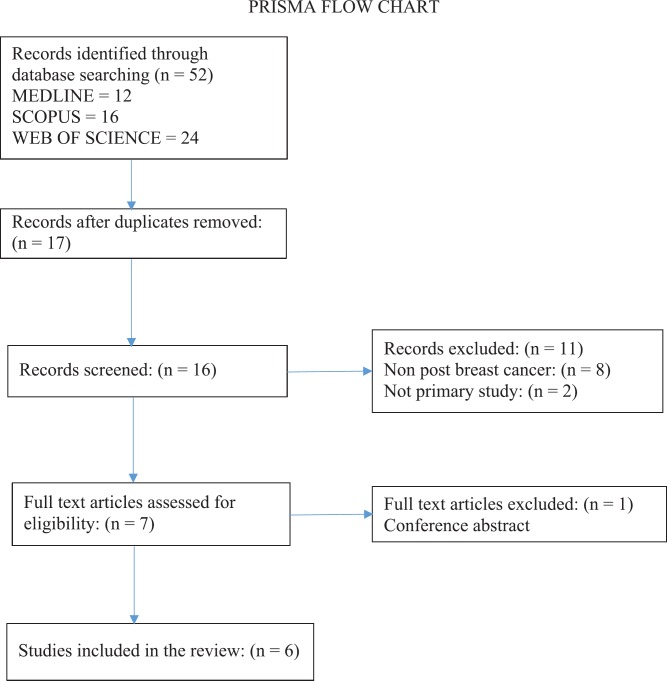
Women who have been treated for breast cancer may experience vulvo-vaginal atrophy (VVA)/genitourinary syndrome of menopause (GSM). This is a progressive condition and will not improve without treatment. Whilst vaginal oestrogen is the most effective treatment for GSM, many breast cancer survivors and clinicians remain reluctant to use it. Laser therapy is emerging as an alternative treatment for this condition but there is little evidence available as to its value in this setting. We undertook a systematic literature review to identify available evidence for the use of laser therapy for VVA in women with breast cancer. There are a number of small studies which suggest an improvement in vaginal health in this group. However, these are all small, non-randomised studies and there are a number of key questions which need to be answered before this treatment can be implemented into practice.
接受过乳腺癌治疗的女性可能会经历外阴阴道萎缩(VVA)/更年期泌尿生殖综合征(GSM)。这是一种进行性疾病,未经治疗不会改善。虽然阴道雌激素是治疗GSM最有效的方法,但许多乳腺癌幸存者和临床医生仍不愿使用。激光疗法正逐渐成为这种疾病的替代治疗方法,但关于其在这种情况下的价值,几乎没有证据。我们进行了一项系统的文献综述,以确定激光疗法用于乳腺癌女性VVA的现有证据。有一些小型研究表明该组女性的阴道健康有所改善。然而,这些都是小型的、非随机研究,在这种治疗能够应用于实际之前,还有一些关键问题需要解答。