Da Silva Ana Sofia, Baines Georgina, Araklitis George, Robinson Dudley, Cardozo Linda
Department of Urogynaecology, King's College Hospital, London, UK.
Fac Rev. 2021 Mar 3;10:25. doi: 10.12703/r/10-25. eCollection 2021.
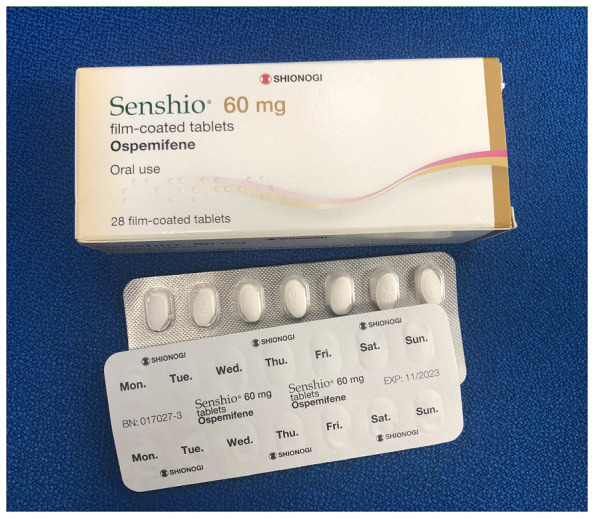
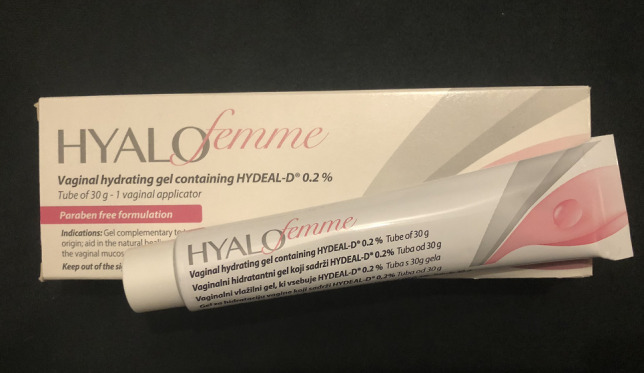
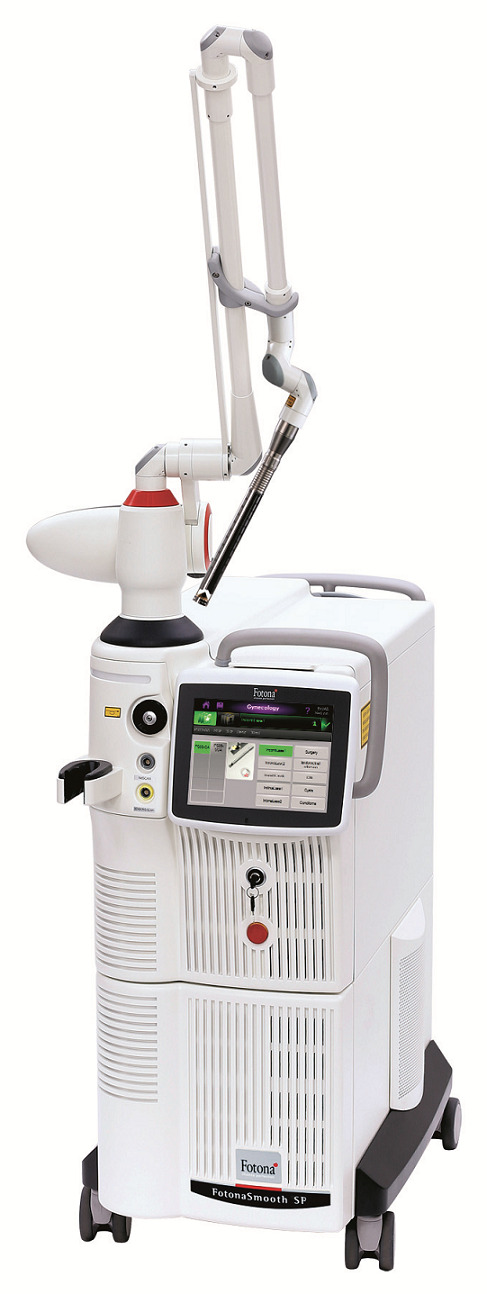
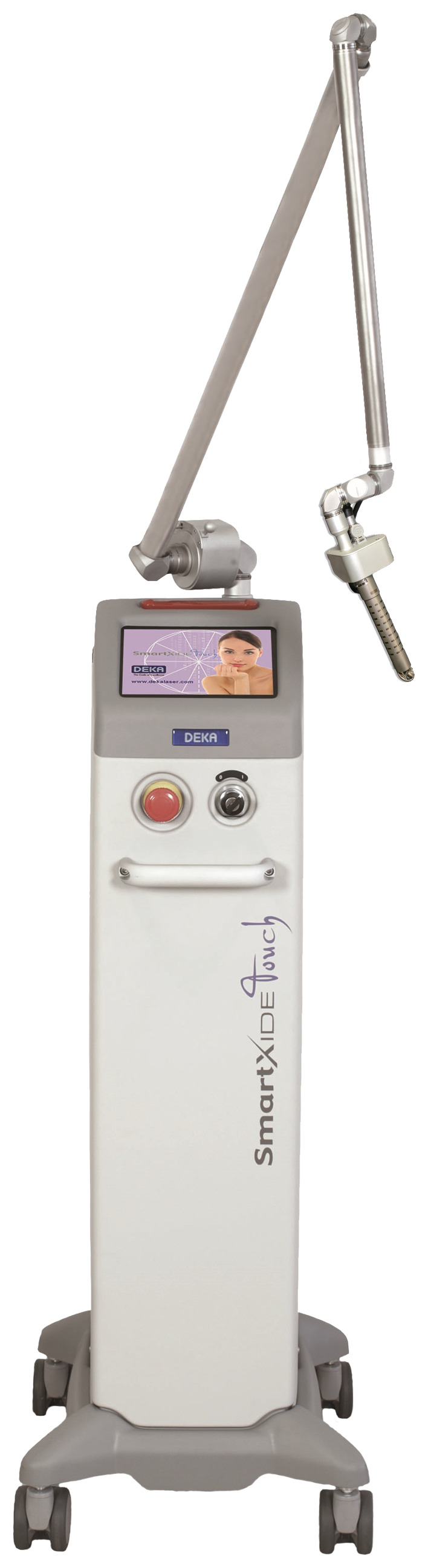
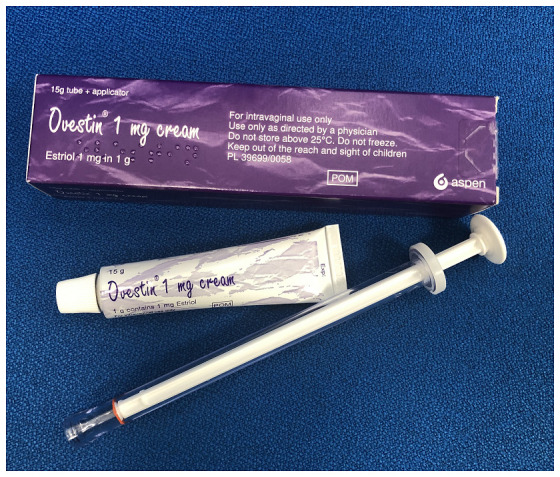
The genitourinary syndrome of menopause (GSM) is the accepted term used to describe the broad spectrum of genitourinary tract symptoms and signs caused by the loss of endogenous sex steroids that occurs at the time of and after the menopause. Global improvements in healthcare have resulted in an ageing population. Today, women are spending 40% of their lives in the postmenopausal state, and with 50-70% of postmenopausal women reporting symptomatic GSM, safe and efficacious treatments are needed for this troublesome condition. This article reviews current evidence for non-pharmacological and pharmacological treatments with a focus on novel and minimally invasive procedures such as energy-based devices (CO laser, YAG laser), hyaluronic acid, dehydroepiandrosterone, and selective oestrogen receptor modulators.
更年期泌尿生殖综合征(GSM)是一个被认可的术语,用于描述在绝经时及绝经后由于内源性性激素丧失而引起的广泛的泌尿生殖道症状和体征。全球医疗保健的改善导致了人口老龄化。如今,女性一生中40%的时间处于绝经后状态,且50%-70%的绝经后女性报告有GSM症状,因此需要针对这种棘手病症的安全有效的治疗方法。本文综述了非药物和药物治疗的现有证据,重点关注新型和微创治疗方法,如能量装置(CO激光、YAG激光)、透明质酸、脱氢表雄酮和选择性雌激素受体调节剂。