Shi Xiaojing, Tao Guizhou, Ji Lili, Tian Ge
Department of Cardiology, The First Affiliated Hospital of Jinzhou Medical University, Jinzhou, People's Republic of China.
Drug Des Devel Ther. 2020 Jan 8;14:61-71. doi: 10.2147/DDDT.S230358. eCollection 2020.
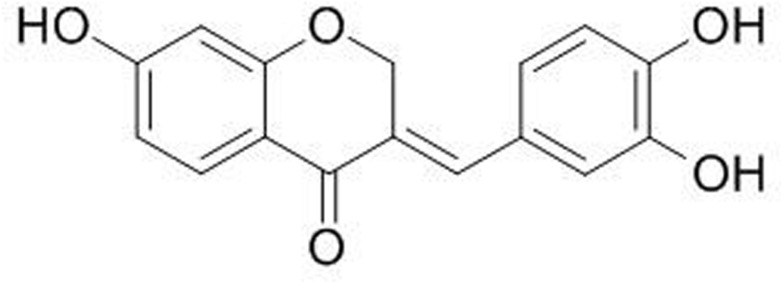
Oxidative stress is a major contributor to the onset and development of myocardial ischemia reperfusion injury (MIRI). Sappanone A (SA), a homoisoflavanone extracted from the heartwood of ., has been demonstrated to possess powerful antioxidant activity. Therefore, this study aimed to determine the protective effect of SA on MIRI and investigate its underlying mechanism.
The rat hearts were isolated and underwent 30-min ischemia, followed by 120-min reperfusion to establish the MIRI model, using the Langendorff method. SA was administrated intraperitoneally into rats 1 h prior to heart isolation. The myocardial infarct size and apoptosis were measured by TTC and terminal deoxynucleotidyl transferase dUTP nick end labeling staining. Myocardial enzyme activity, MDA content and the activities of SOD and GSH-Px were detected by colorimetric spectrophotometric method. Reactive oxygen species (ROS) level was detected by DCFH-DA probe. The change in Keap1/Nrf2 signaling pathway was evaluated by Western blotting.
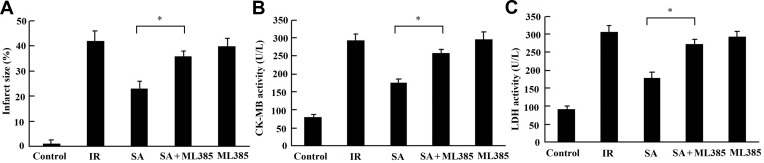
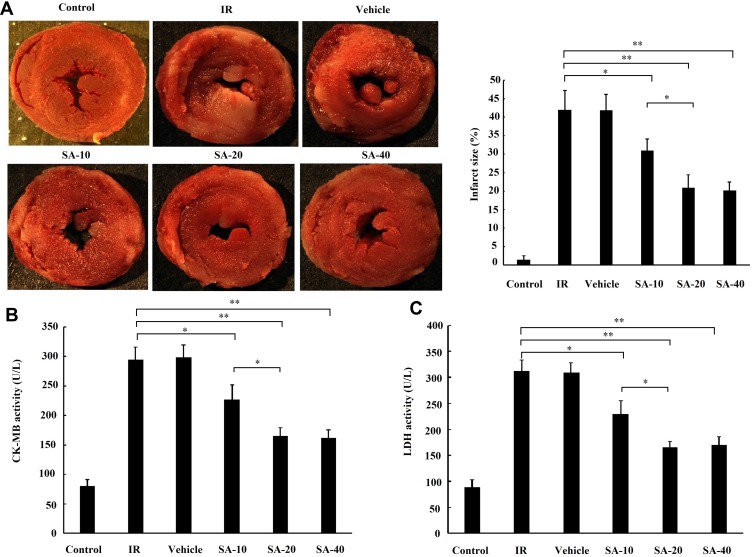
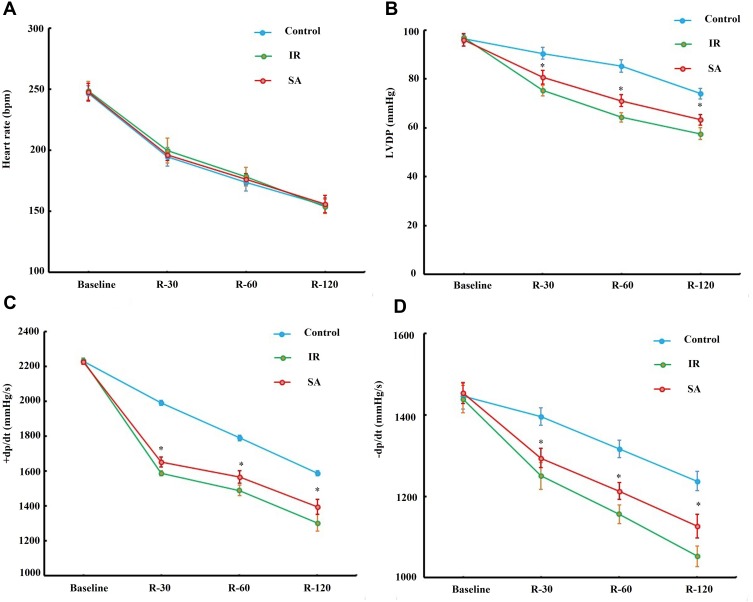
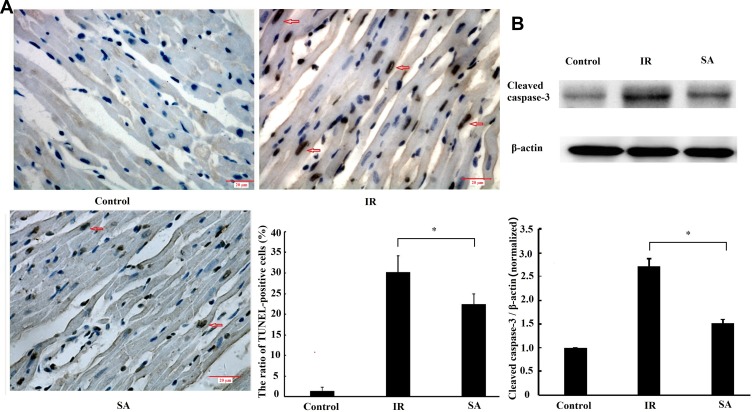
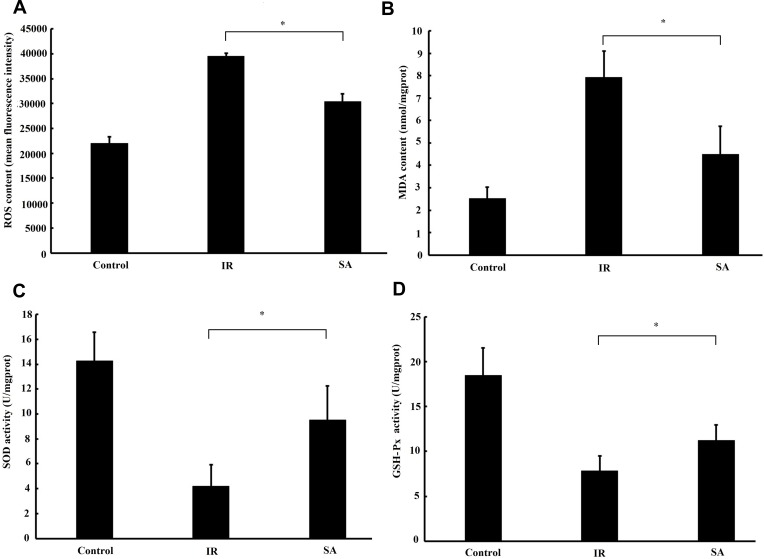
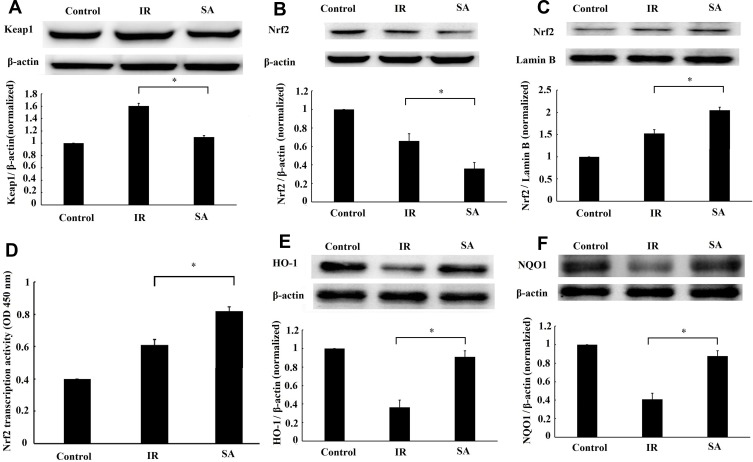
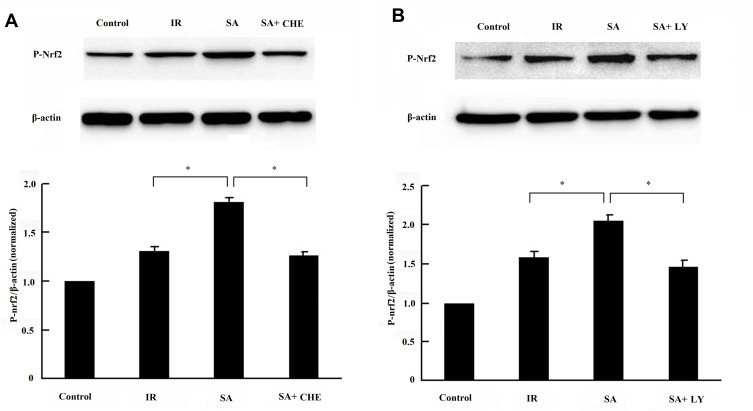
SA reduced myocardial infarct size and the release of CK-MB and LDH in a dose-dependent manner. Moreover, SA improved the recovery of cardiac function, inhibited MIRI-induced apoptosis, repressed the production of ROS and MDA, and enhanced the activities of SOD and GSH-Px. Mechanistically, SA downregulated Keap1, induced Nrf2 nuclear accumulation, and enhanced Nrf2 transcriptional activity, subsequently resulting in an increase in the expression of the Nrf2 target genes heme oxygenase-1 and NAD(P)H quinone dehydrogenase 1. Moreover, SA enhanced the phosphorylation of Nfr2, but the enhancement in Nfr2 phosphorylation was abrogated by PKC or PI3K inhibitor.
Collectively, it was demonstrated that SA prevents MIRI via coordinating the cellular antioxidant defenses and maintaining the redox balance, by modulation of Nrf2 via the PKC or PI3K pathway. Therefore, SA was a potential therapeutic drug for treating MIRI.
氧化应激是心肌缺血再灌注损伤(MIRI)发生和发展的主要促成因素。苏木酮A(SA)是从......的心材中提取的一种高异黄酮,已被证明具有强大的抗氧化活性。因此,本研究旨在确定SA对MIRI的保护作用,并探讨其潜在机制。
采用Langendorff法分离大鼠心脏,进行30分钟缺血,随后进行120分钟再灌注,以建立MIRI模型。在心脏分离前1小时,将SA腹腔注射给大鼠。通过TTC和末端脱氧核苷酸转移酶dUTP缺口末端标记染色测量心肌梗死面积和细胞凋亡。采用比色分光光度法检测心肌酶活性、丙二醛(MDA)含量以及超氧化物歧化酶(SOD)和谷胱甘肽过氧化物酶(GSH-Px)的活性。用DCFH-DA探针检测活性氧(ROS)水平。通过蛋白质免疫印迹法评估Keap1/Nrf2信号通路的变化。
SA以剂量依赖性方式减小心肌梗死面积,并减少肌酸激酶同工酶(CK-MB)和乳酸脱氢酶(LDH)的释放。此外,SA改善心脏功能的恢复,抑制MIRI诱导的细胞凋亡,抑制ROS和MDA的产生,并增强SOD和GSH-Px的活性。机制上,SA下调Keap1,诱导Nrf2核内积累,并增强Nrf2转录活性,随后导致Nrf2靶基因血红素加氧酶-1和NAD(P)H醌脱氢酶1的表达增加。此外,SA增强Nfr2的磷酸化,但PKC或PI3K抑制剂可消除Nfr2磷酸化的增强。
总体而言,证明SA通过PKC或PI3K途径调节Nrf2,协调细胞抗氧化防御并维持氧化还原平衡,从而预防MIRI。因此,SA是治疗MIRI的潜在治疗药物。