Benvenuti Marcelo Frota Lobato, de Toledo Thais Ferro Nogara, Velasco Saulo Missiaggia, Duarte Flavia Meneses
Universidade de São Paulo, Departamento de Psicologia Experimental, São Paulo, Brazil.
Instituto Nacional de Ciência e Tecnologia sobre Comportamento, Cognição e Ensino, São Carlos, Brazil.
Psicol Reflex Crit. 2018 Jul 3;31(1):17. doi: 10.1186/s41155-018-0097-9.
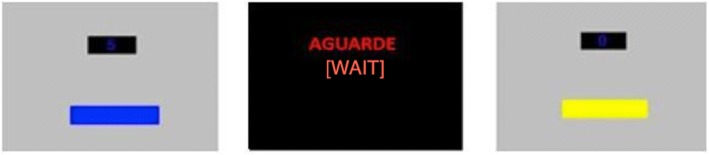
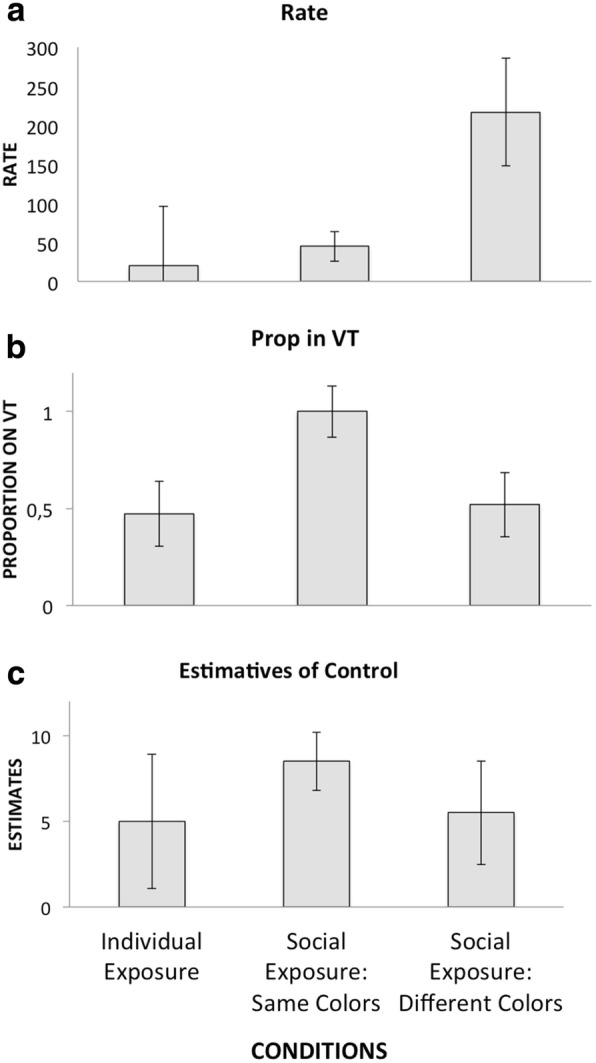
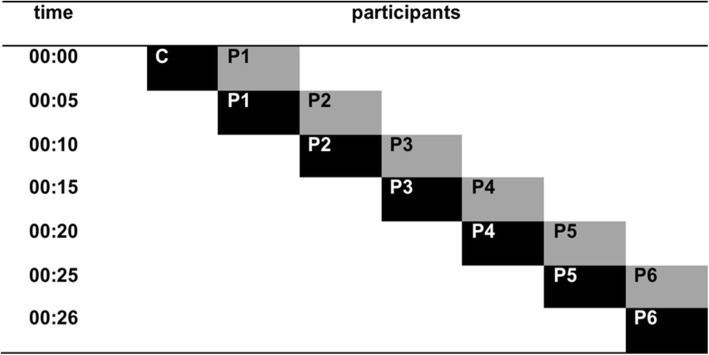
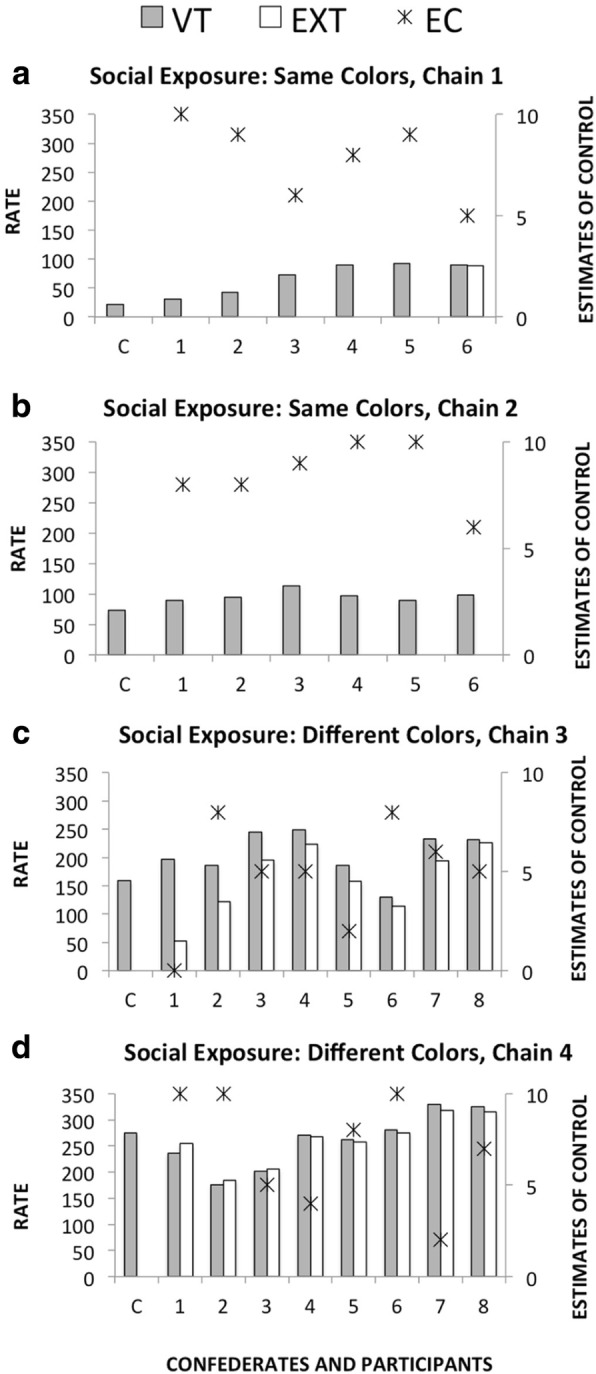
The notion of superstitious behavior can provide a basic background for understanding such notions as illusions and beliefs. The present study investigated the social mechanism of the transmission of superstitious behavior in an experiment that utilized participant replacement. The sample was composed of a total of 38 participants. Participants performed a task on a computer: they could click a colored rectangle using the mouse. When the rectangle was in a particular color, the participants received points independently of their behavior (variable time schedule). When the color of the rectangle was changed, no points were presented (extinction). Under an Individual Exposure condition, ten participants worked alone on the task. Other participants were exposed to the same experimental task under a Social Exposure condition, in which each participant first learned by observation and then worked on the task in a participant replacement (chain) procedure. The first participant in each chain in the Social Exposure condition was a confederate who worked on the task "superstitiously," clicking the rectangle when points were presented. Superstitious responding was transmitted because of the behavior of the confederate. This also influenced estimates of personal control. These findings suggest that social learning can facilitate the acquisition and maintenance of superstitious behavior and the illusion of control. Our data also suggest that superstitious behavior and the illusion of control may involve similar learning principles.
迷信行为的概念可以为理解诸如错觉和信念等概念提供一个基本背景。本研究在一项采用参与者替换的实验中,调查了迷信行为传播的社会机制。样本总共由38名参与者组成。参与者在电脑上执行一项任务:他们可以用鼠标点击一个彩色矩形。当矩形为特定颜色时,参与者无论其行为如何都会获得分数(可变时间安排)。当矩形颜色改变时,就不会有分数(消退)。在个体暴露条件下,十名参与者独自完成任务。其他参与者在社会暴露条件下接受相同的实验任务,在该条件下,每个参与者首先通过观察学习,然后在参与者替换(连锁)程序中完成任务。社会暴露条件下每个连锁中的第一名参与者是一名同盟者,他“迷信地”完成任务,在出现分数时点击矩形。由于同盟者的行为,迷信反应得以传播。这也影响了对个人控制的估计。这些发现表明,社会学习可以促进迷信行为的习得和维持以及控制错觉。我们的数据还表明,迷信行为和控制错觉可能涉及相似的学习原则。