Institute of Environmental Medicine, Integrative Toxicology, Karolinska Institutet, 171 77 Stockholm, Sweden.
Department of Clinical Neuroscience, Karolinska Institutet, 171 77 Stockholm, Sweden.
Int J Environ Res Public Health. 2020 Feb 3;17(3):930. doi: 10.3390/ijerph17030930.
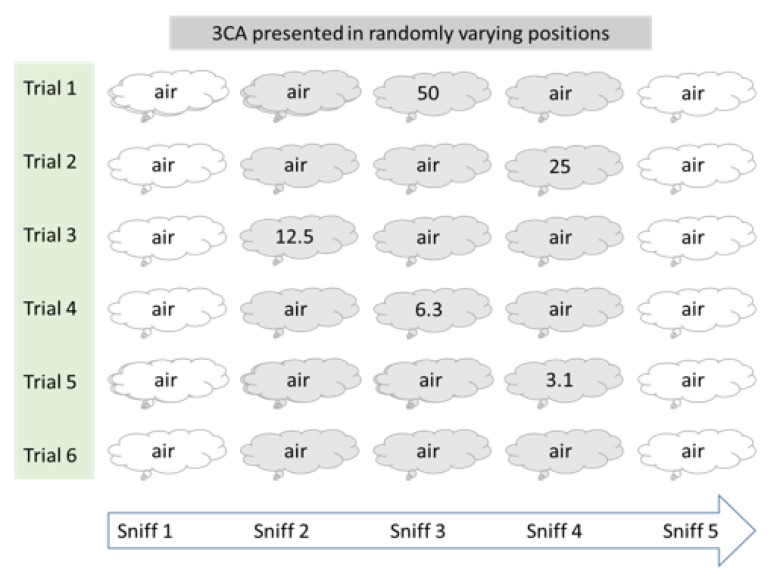
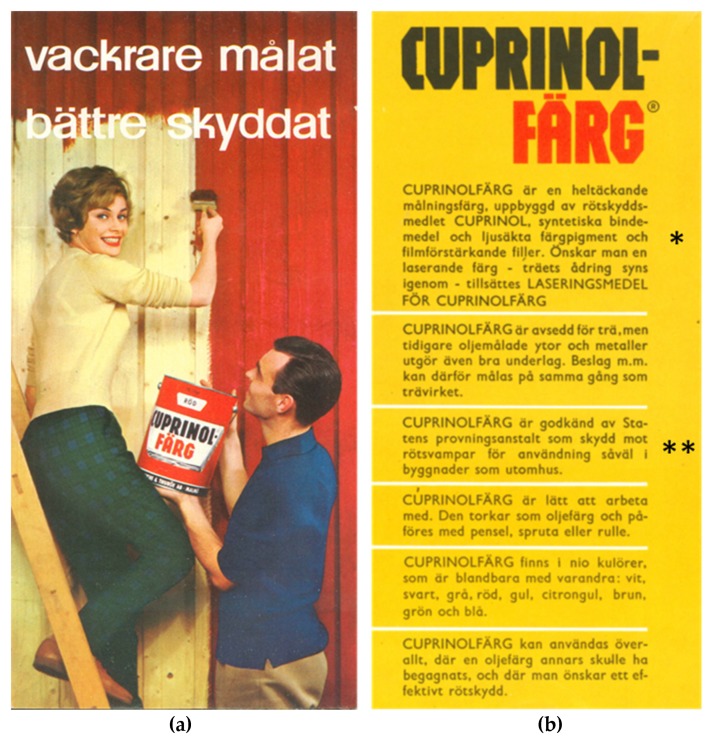
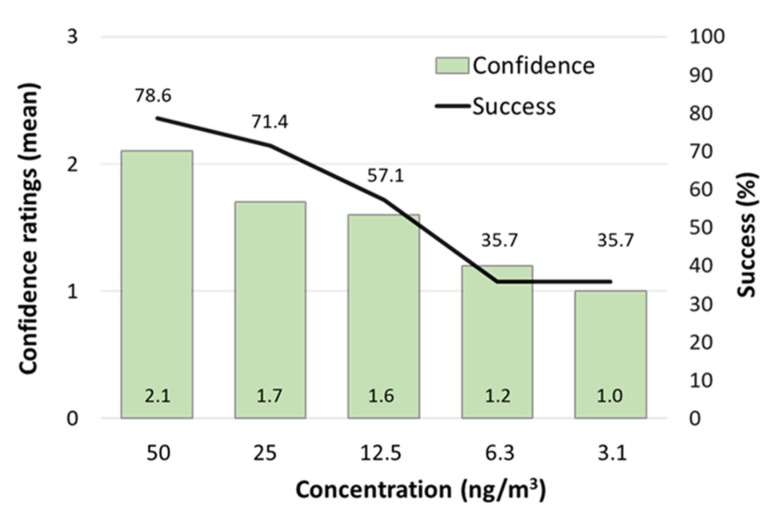
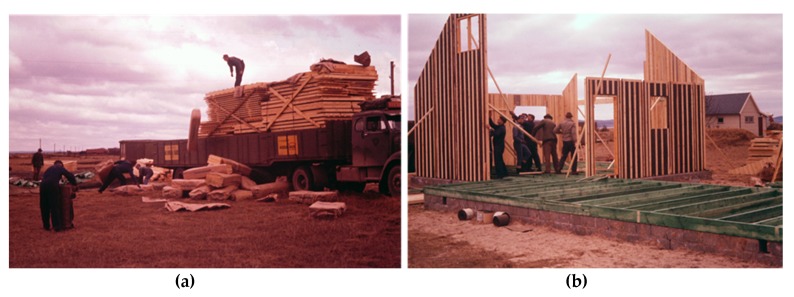
We recently reported that mold odor may be explained by chloroanisoles (CAs) formed by microbial biotransformation of chlorophenols (CPs) in legacy wood preservatives. Here we examine psychophysical aspects of CAs and trace their historic origins in buildings. Our exposure of healthy volunteers shows that 2,4,6-triCA is often perceived as unpleasant, characterized as musty or moldy and is detected at 13 ng/m or lower. Similar concentrations are reported in buildings with odor complaints. Scrutiny of written records reveal that new building construction methods were introduced in the 1950s, namely crawlspaces and concrete slabs on the ground. These constructions were prone to dampness and attack from wood decay fungi, prompting chemical companies and authorities to advocate preservatives against rot. Simultaneously, CPs became household chemicals used for example in indoor paints. When large-scale odor problems evolved, the authorities that once approved the preservatives attributed the odor to hidden mold, with no evidence that substantial microbial biomass was necessary for odor formation. Thereby the public remained unaware of problematic exposure to CPs and CAs. We conclude that the introduction of inappropriate designs of house foundations and CP-based preservatives once ignited and still provide impetus for indoor air research on "dampness and mold".
我们最近报道称,霉菌气味可能是由微生物对传统木材防腐剂中的氯酚(CPs)进行生物转化形成的氯苯甲醚(CAs)引起的。在这里,我们研究了 CAs 的心理物理学方面,并追溯了它们在建筑物中的历史起源。我们对健康志愿者的暴露表明,2,4,6-三氯苯甲醚(2,4,6-triCA)通常被认为是不愉快的,具有发霉或发霉的特征,在 13ng/m 或更低的浓度下即可被检测到。在有气味投诉的建筑物中也报告了类似的浓度。仔细审查书面记录显示,20 世纪 50 年代引入了新的建筑施工方法,即地下室和地面上的混凝土板。这些建筑容易受潮和受到腐朽真菌的侵袭,促使化学公司和当局提倡使用防腐剂来防止腐烂。与此同时,CPs 成为用于室内涂料等的家用化学品。当出现大规模的气味问题时,曾经批准这些防腐剂的当局将气味归因于隐藏的霉菌,没有证据表明形成气味需要大量的微生物生物量。因此,公众仍然不知道 CP 和 CAs 会造成潜在的问题暴露。我们得出的结论是,房屋基础设计不当和基于 CP 的防腐剂的引入曾经引发了室内空气对“潮湿和霉菌”的研究热潮,现在仍然提供了动力。