Vegetable Research Institute, Guangdong Academy of Agricultural Sciences / Guangdong Key Laboratory for New Technology Research of Vegetables, Guangzhou 510640, China.
State Key Laboratory for Biocontrol, School of Life Sciences, Sun Yat-Sen University, Guangzhou 510275, China.
Biomolecules. 2020 Feb 3;10(2):224. doi: 10.3390/biom10020224.
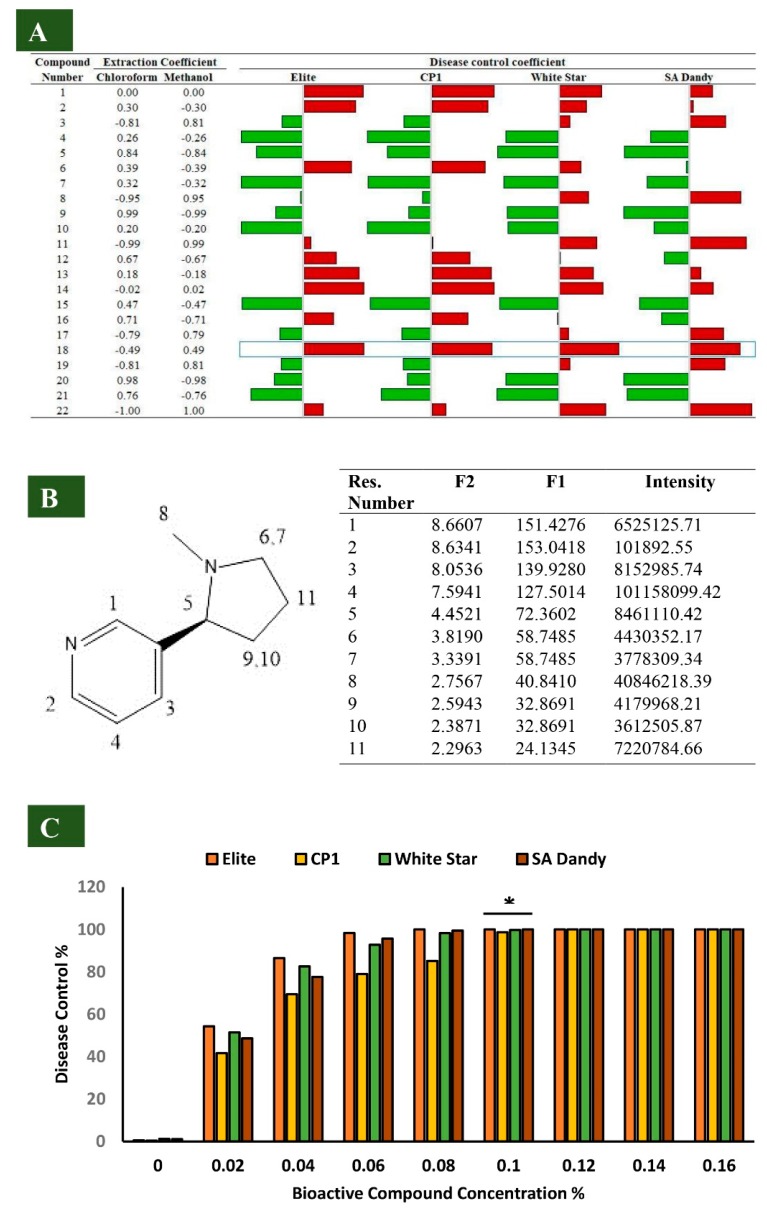
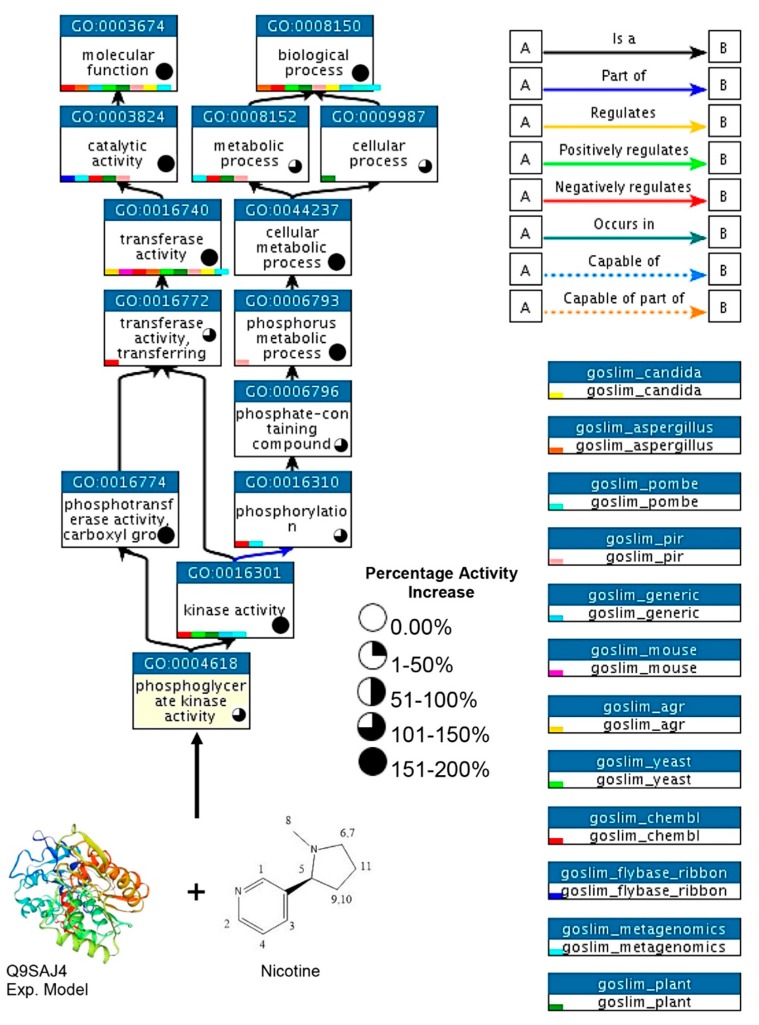
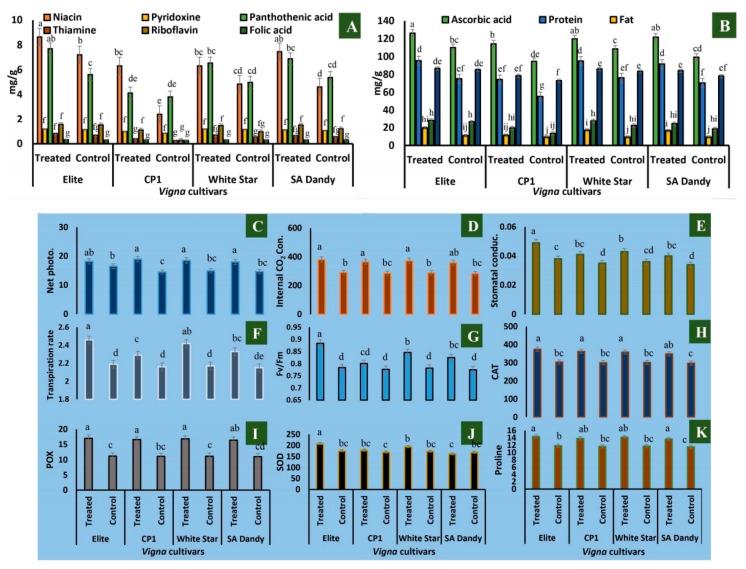
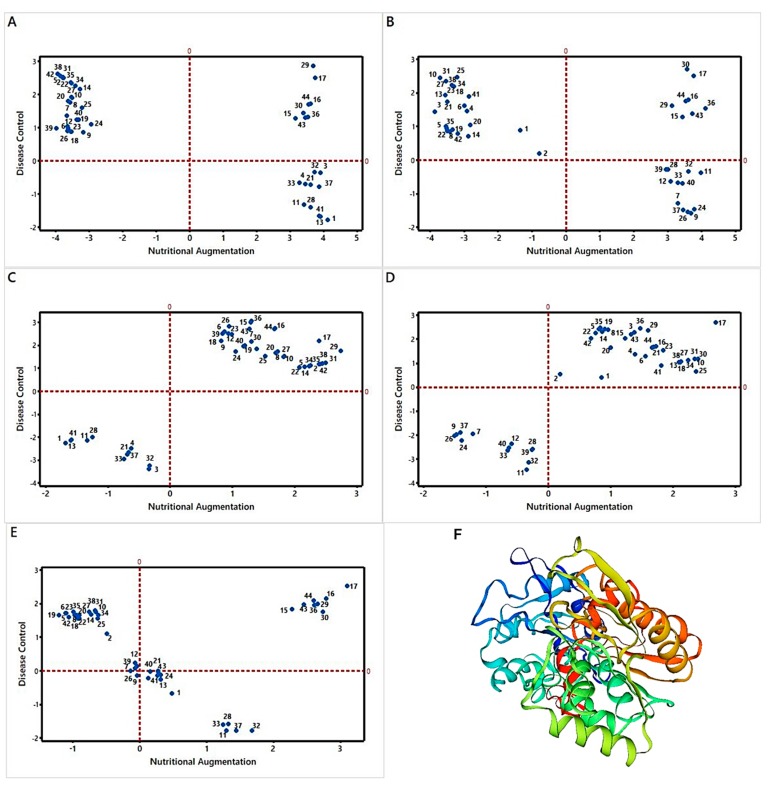
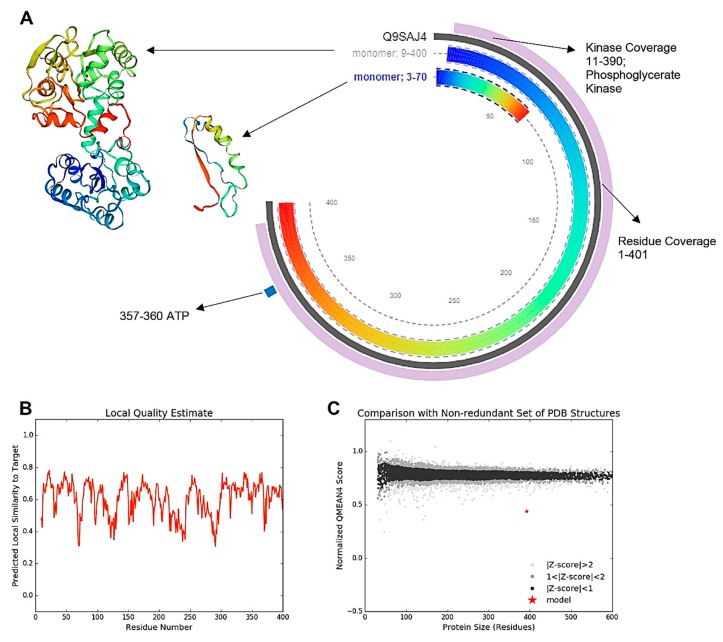
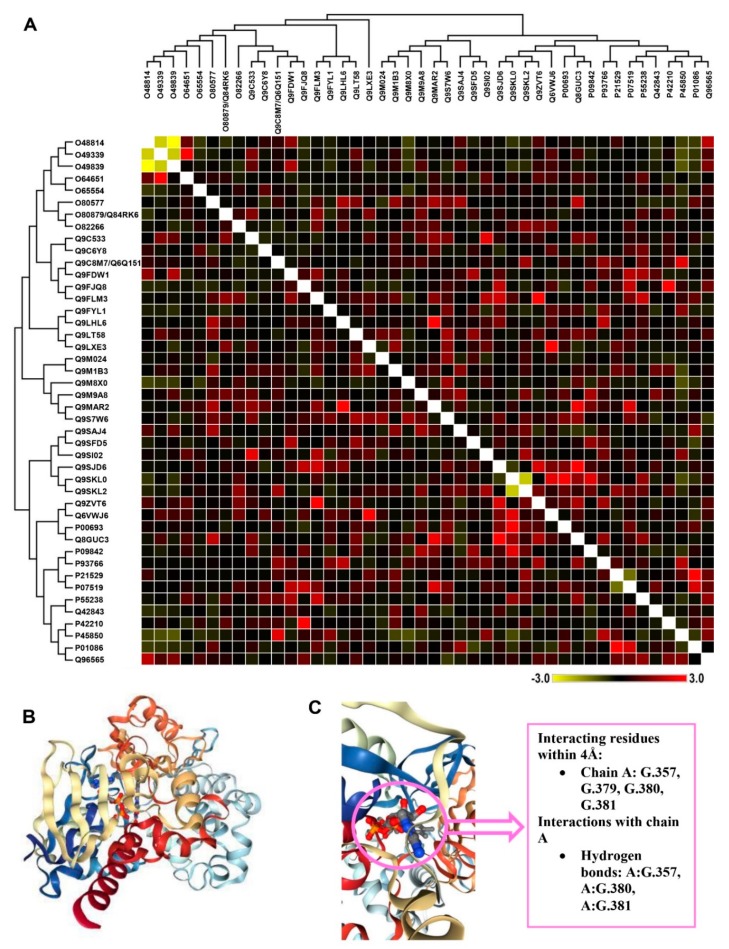
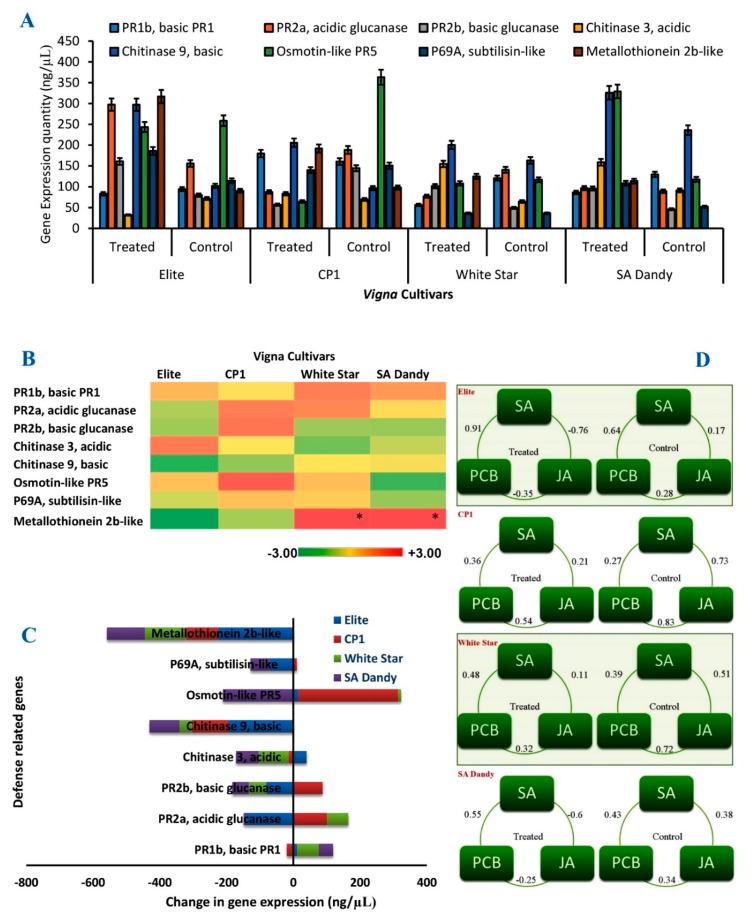
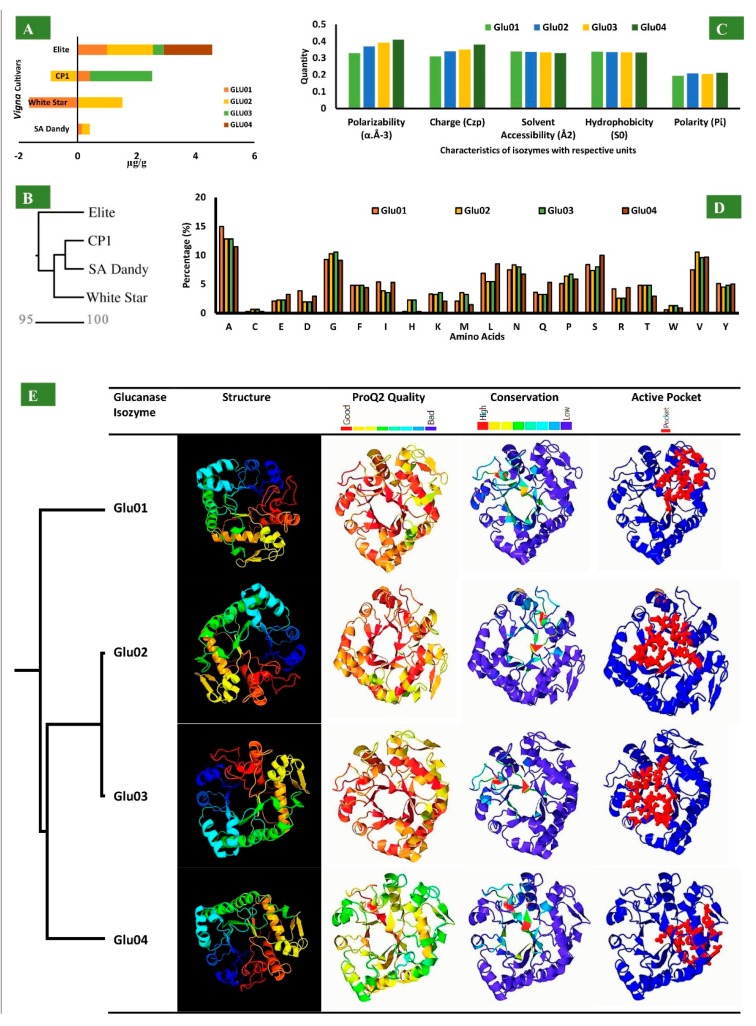
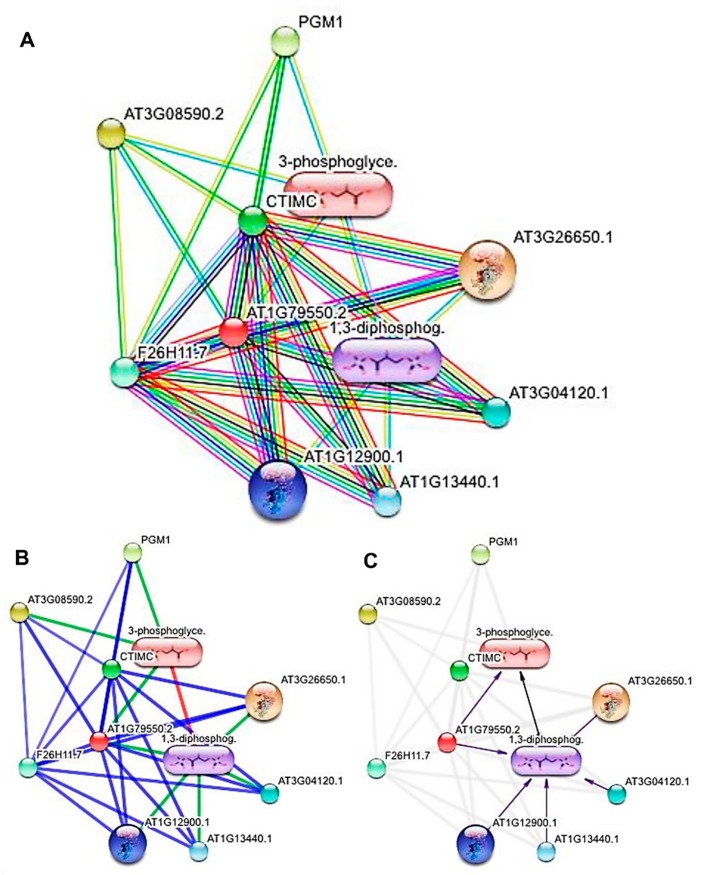
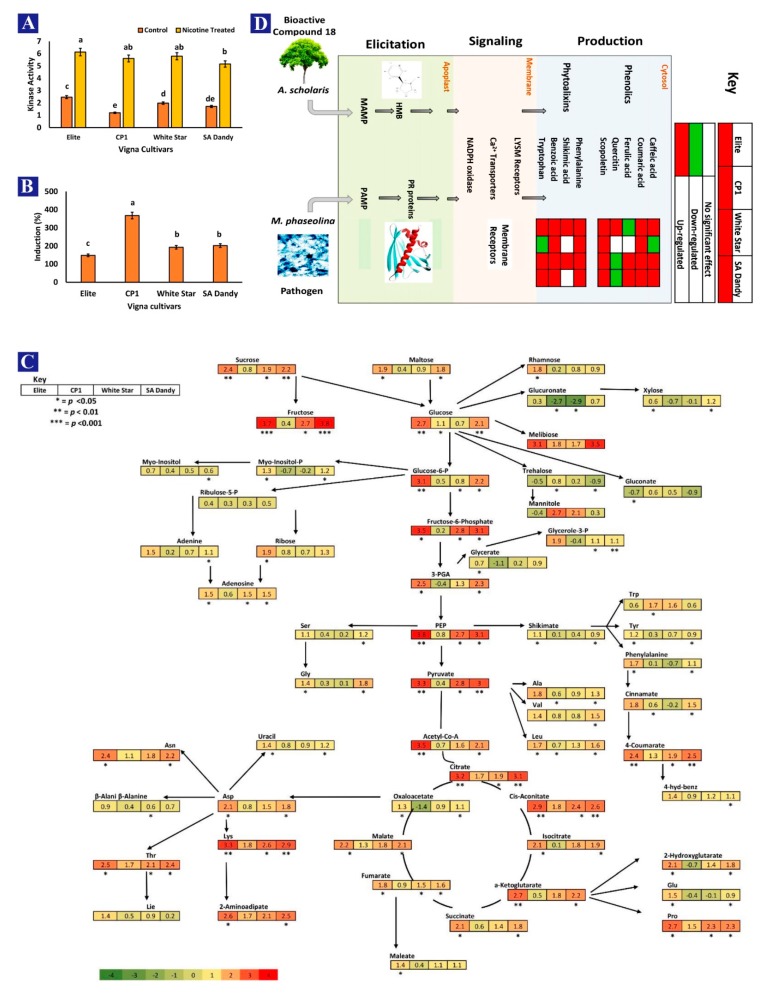
The current study enlists metabolites of with bioactivities, and the most active compound, 3-(1-methylpyrrolidin-2-yl) pyridine, was selected against . Appraisal of the metabolites identified the 3-(1-methylpyrrolidin-2-yl) pyridine as a bioactive compound which elevated vitamins and nutritional contents of up to ≥18%, and other physiological parameters up to 28.9%. The bioactive compound (0.1%) upregulated key defense genes, shifted defense metabolism from salicylic acid to jasmonic acid, and induced glucanase enzymes for improved defenses. The structural studies categorized four glucanase-isozymes under beta-glycanases falling in (Trans) glycosidases with TIM beta/alpha-barrel fold. The study determined key-protein factors (Q9SAJ4) for elevated nutritional contents, along with its structural and functional mechanisms, as well as interactions with other loci. The nicotine-docked Q9SAJ4 protein showed a 200% elevated activity and interacted with AT1G79550.2, AT1G12900.1, AT1G13440.1, AT3G04120.1, and AT3G26650.1 loci to ramp up the metabolic processes. Furthermore, the study emphasizes the physiological mechanism involved in the enrichment of the nutritional contents of . Metabolic studies concluded that increased melibiose and glucose 6-phosphate contents, accompanied by reduced trehalose (-0.9-fold), with sugar drifts to downstream pyruvate biosynthesis and acetyl Co-A metabolism mainly triggered nutritional contents. Hydrogen bonding at residues G.357, G.380, and G.381 docked nicotine with Q9SAJ4 and transformed its bilobed structure for easy exposure toward substrate molecules. The current study augments the nutritional value of edible stuff and supports agriculture-based country economies.
本研究列出了具有生物活性的 代谢物,最活跃的化合物 3-(1-甲基-2-吡咯烷基)吡啶被选定用于对抗 。对 代谢物的评估确定了 3-(1-甲基-2-吡咯烷基)吡啶是一种生物活性化合物,可将 的维生素和营养含量提高到≥18%,其他生理参数提高到 28.9%。该生物活性化合物(0.1%)上调了关键防御基因,将防御代谢从水杨酸转向茉莉酸,并诱导葡聚糖酶以增强防御。结构研究将四种葡聚糖酶同工酶归类为属于(Trans)糖苷酶的β-葡聚糖酶,具有 TIM beta/alpha-桶折叠。该研究确定了关键蛋白因子(Q9SAJ4),以提高营养含量,以及其结构和功能机制,以及与其他基因座的相互作用。尼古丁对接的 Q9SAJ4 蛋白显示出 200%的活性,并与 AT1G79550.2、AT1G12900.1、AT1G13440.1、AT3G04120.1 和 AT3G26650.1 基因座相互作用,以加速代谢过程。此外,该研究强调了参与 的营养含量富集的生理机制。代谢研究得出结论,增加了棉子糖和葡萄糖 6-磷酸含量,同时降低了海藻糖(-0.9 倍),糖漂移到下游丙酮酸生物合成和乙酰辅酶 A 代谢主要触发了营养含量。残基 G.357、G.380 和 G.381 处的氢键将尼古丁与 Q9SAJ4 对接,并将其双叶结构转化为易于暴露于底物分子的结构。本研究提高了可食用物质的营养价值,并支持以农业为基础的国家经济。