Biodiversity and Biocomplexity Unit, Okinawa Institute of Science and Technology, Onna, Okinawa, Japan.
LOEWE-Centre for Translational Biodiversity Genomics, Senckenberg Museum, Frankfurt, Germany.
Dev Genes Evol. 2020 Mar;230(2):185-201. doi: 10.1007/s00427-020-00652-x. Epub 2020 Feb 10.
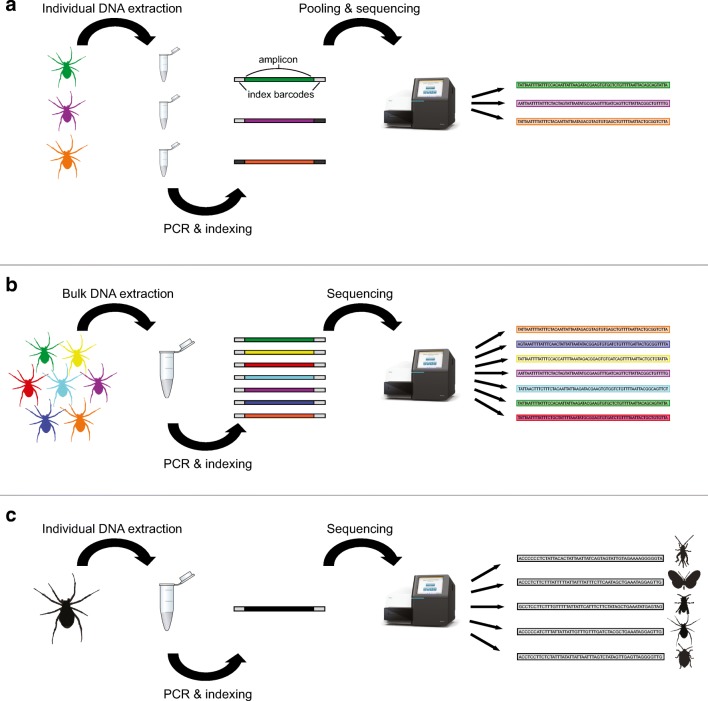
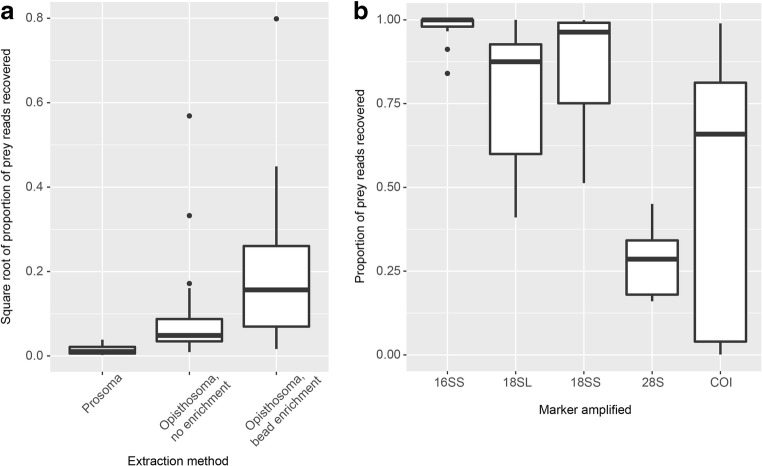
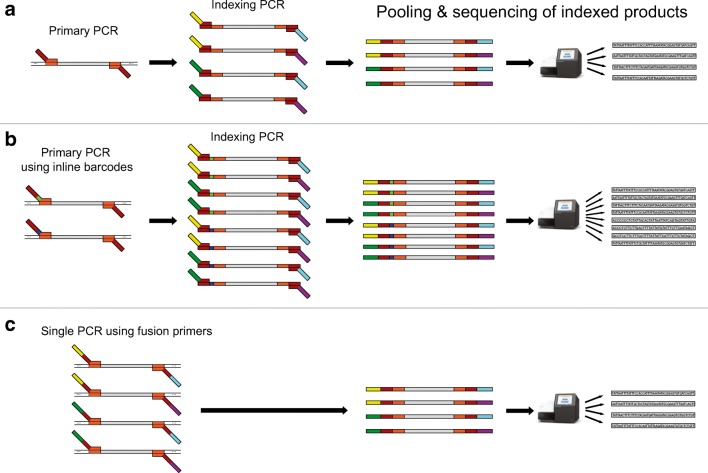
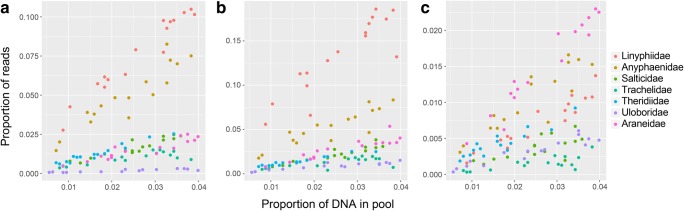
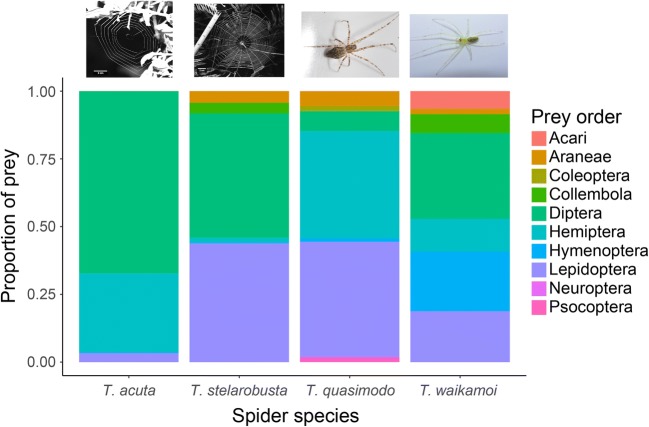
Large-scale studies on community ecology are highly desirable but often difficult to accomplish due to the considerable investment of time, labor and, money required to characterize richness, abundance, relatedness, and interactions. Nonetheless, such large-scale perspectives are necessary for understanding the composition, dynamics, and resilience of biological communities. Small invertebrates play a central role in ecosystems, occupying critical positions in the food web and performing a broad variety of ecological functions. However, it has been particularly difficult to adequately characterize communities of these animals because of their exceptionally high diversity and abundance. Spiders in particular fulfill key roles as both predator and prey in terrestrial food webs and are hence an important focus of ecological studies. In recent years, large-scale community analyses have benefitted tremendously from advances in DNA barcoding technology. High-throughput sequencing (HTS), particularly DNA metabarcoding, enables community-wide analyses of diversity and interactions at unprecedented scales and at a fraction of the cost that was previously possible. Here, we review the current state of the application of these technologies to the analysis of spider communities. We discuss amplicon-based DNA barcoding and metabarcoding for the analysis of community diversity and molecular gut content analysis for assessing predator-prey relationships. We also highlight applications of the third generation sequencing technology for long read and portable DNA barcoding. We then address the development of theoretical frameworks for community-level studies, and finally highlight critical gaps and future directions for DNA analysis of spider communities.
大规模的社区生态学研究是非常理想的,但由于需要大量的时间、劳动力和资金来描述丰富度、丰度、相关性和相互作用,因此通常难以完成。尽管如此,这种大规模的观点对于理解生物群落的组成、动态和恢复力是必要的。小型无脊椎动物在生态系统中起着核心作用,在食物网中占据关键位置,并发挥着广泛的生态功能。然而,由于它们极高的多样性和丰富度,这些动物的群落特征一直特别难以充分描述。蜘蛛特别是在陆地食物网中作为捕食者和猎物都起着关键作用,因此是生态研究的重要焦点。近年来,由于 DNA 条形码技术的进步,大规模的群落分析受益匪浅。高通量测序(HTS),特别是 DNA 宏条形码,使多样性和相互作用的群落分析能够以前所未有的规模和成本的一小部分进行。在这里,我们回顾了这些技术在蜘蛛群落分析中的应用现状。我们讨论了基于扩增子的 DNA 条形码和宏条形码用于分析群落多样性,以及分子肠道内容分析用于评估捕食者-猎物关系。我们还强调了第三代测序技术在长读长和便携式 DNA 条形码方面的应用。然后,我们探讨了社区层面研究的理论框架的发展,最后强调了 DNA 分析在蜘蛛群落中的关键差距和未来方向。