Department of Psychology, Northwestern University, Evanston, IL, 60208, USA.
Sci Rep. 2020 Feb 11;10(1):2327. doi: 10.1038/s41598-020-59019-x.
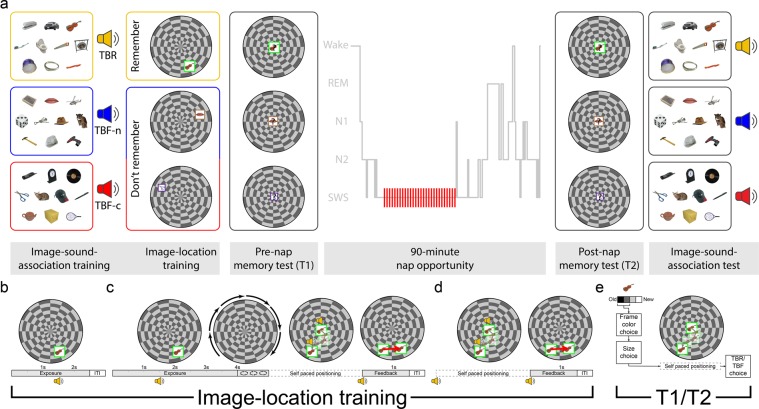
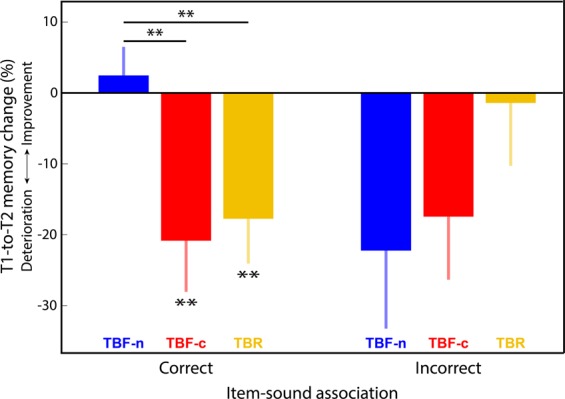
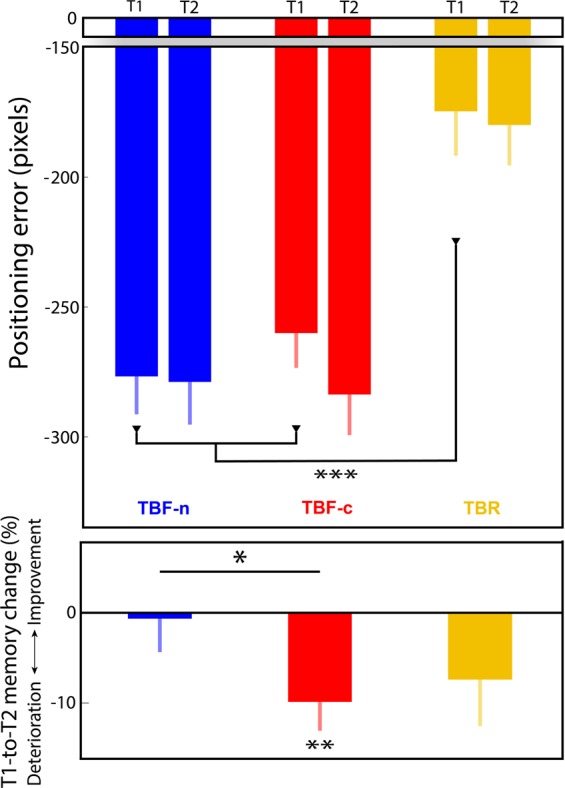
Although we experience thousands of distinct events on a daily basis, relatively few are committed to memory. The human capacity to intentionally control which events will be remembered has been demonstrated using learning procedures with instructions to purposely avoid committing specific items to memory. In this study, we used a variant of the item-based directed-forgetting procedure and instructed participants to memorize the location of some images but not others on a grid. These instructions were conveyed using a set of auditory cues. Then, during an afternoon nap, we unobtrusively presented a cue that was used to instruct participant to avoid committing the locations of some images to memory. After sleep, memory was worse for to-be-forgotten image locations associated with the presented sound relative to those associated with a sound that was not presented during sleep. We conclude that memory processing during sleep can serve not only to secure memory storage but also to weaken it. Given that intentional suppression may be used to weaken unpleasant memories, such sleep-based strategies may help accelerate treatments for memory-related disorders such as post-traumatic stress disorder.
尽管我们每天都会经历数千个不同的事件,但只有相对较少的事件会被记住。人类有能力通过学习程序来故意控制哪些事件将被记住,并接受指令故意避免将特定项目记住。在这项研究中,我们使用了一种基于项目的定向遗忘程序的变体,并指示参与者记住网格上某些图像的位置,而不是其他图像的位置。这些指令是通过一组听觉提示传达的。然后,在下午小睡期间,我们不引人注意地呈现了一个提示,指示参与者避免将某些图像的位置记住。睡眠后,与未在睡眠期间呈现的声音相关联的遗忘图像位置的记忆比与呈现的声音相关联的记忆差。我们的结论是,睡眠期间的记忆处理不仅可以确保记忆存储,还可以削弱记忆。鉴于有意抑制可能用于削弱不愉快的记忆,因此基于睡眠的策略可能有助于加速治疗与记忆相关的障碍,如创伤后应激障碍。